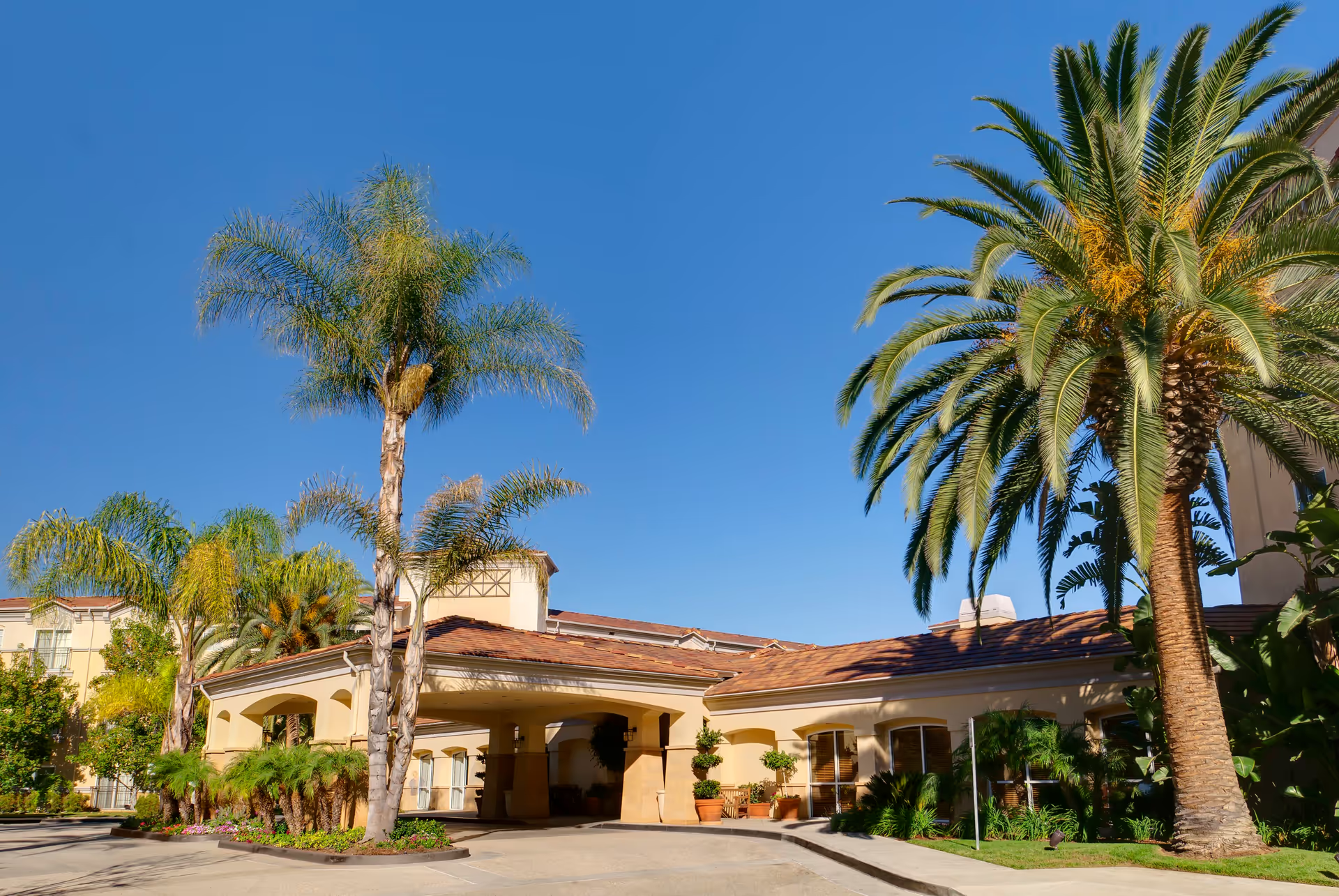
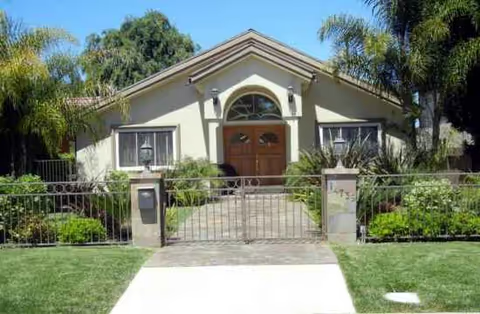
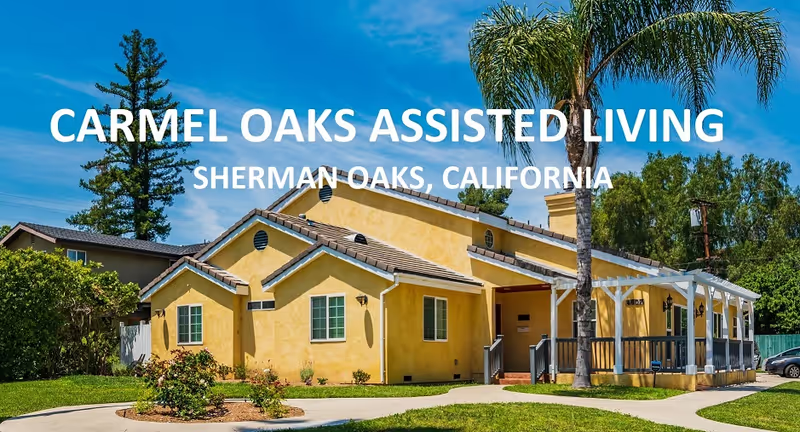
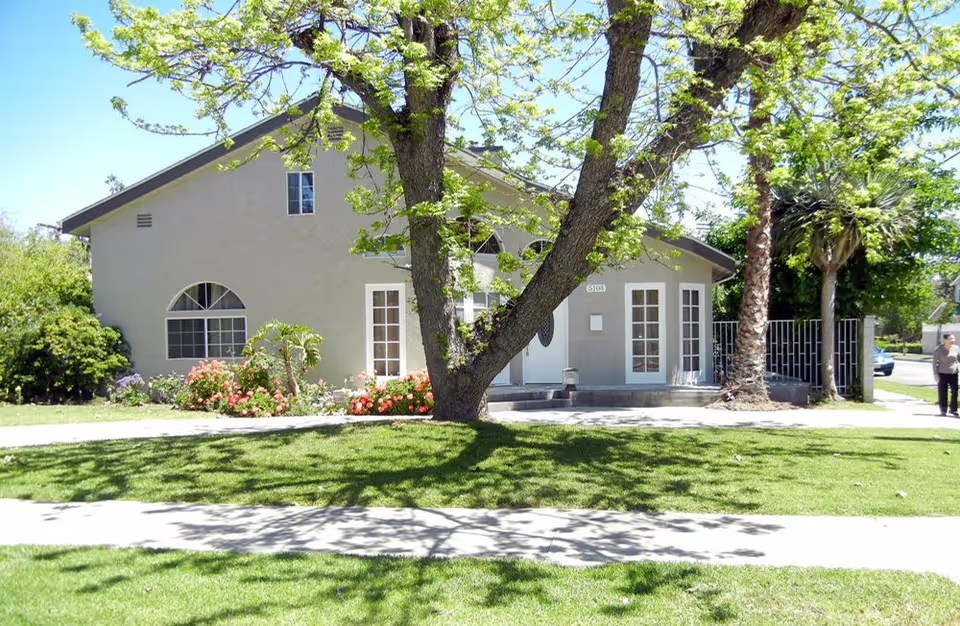
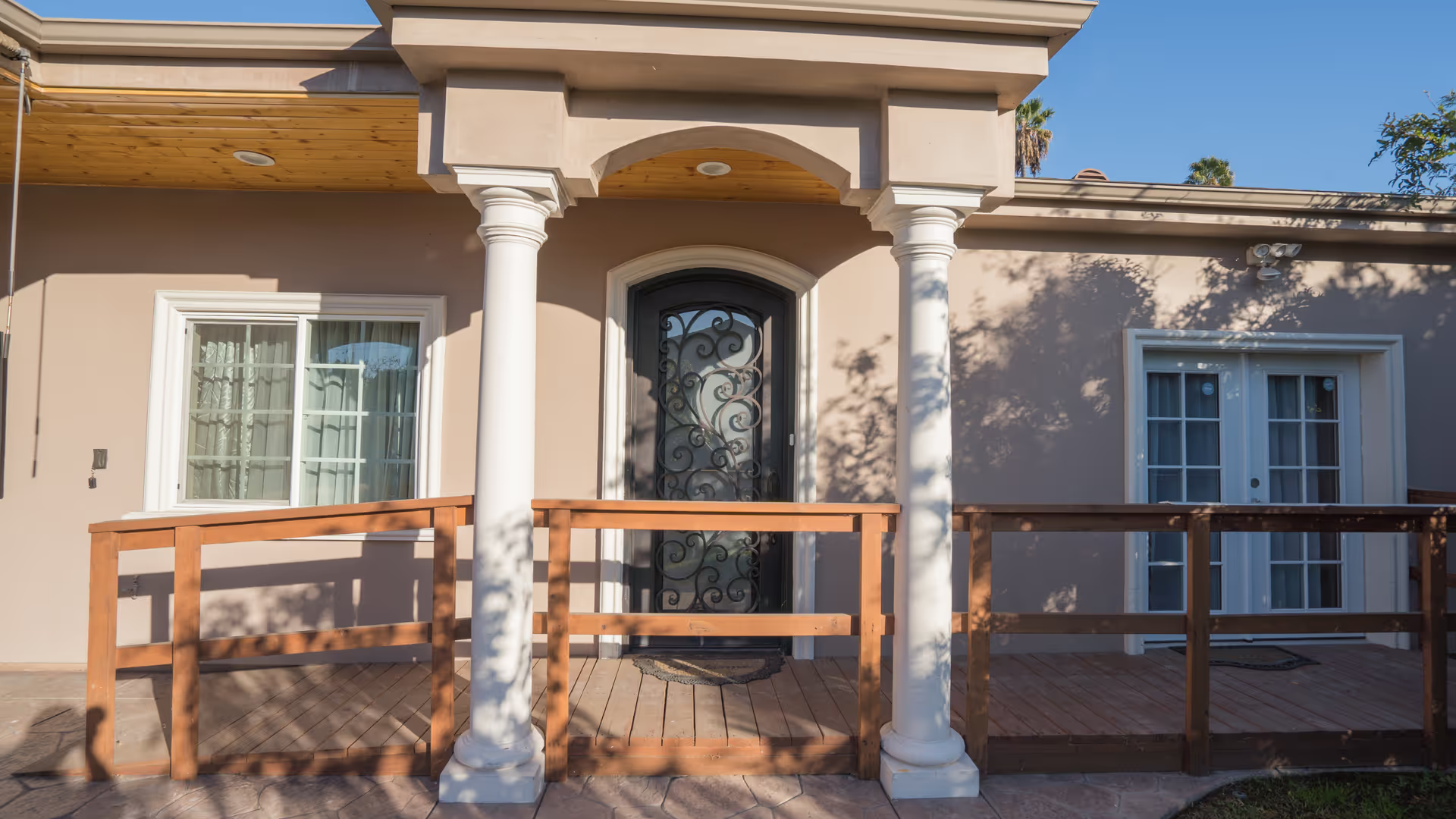
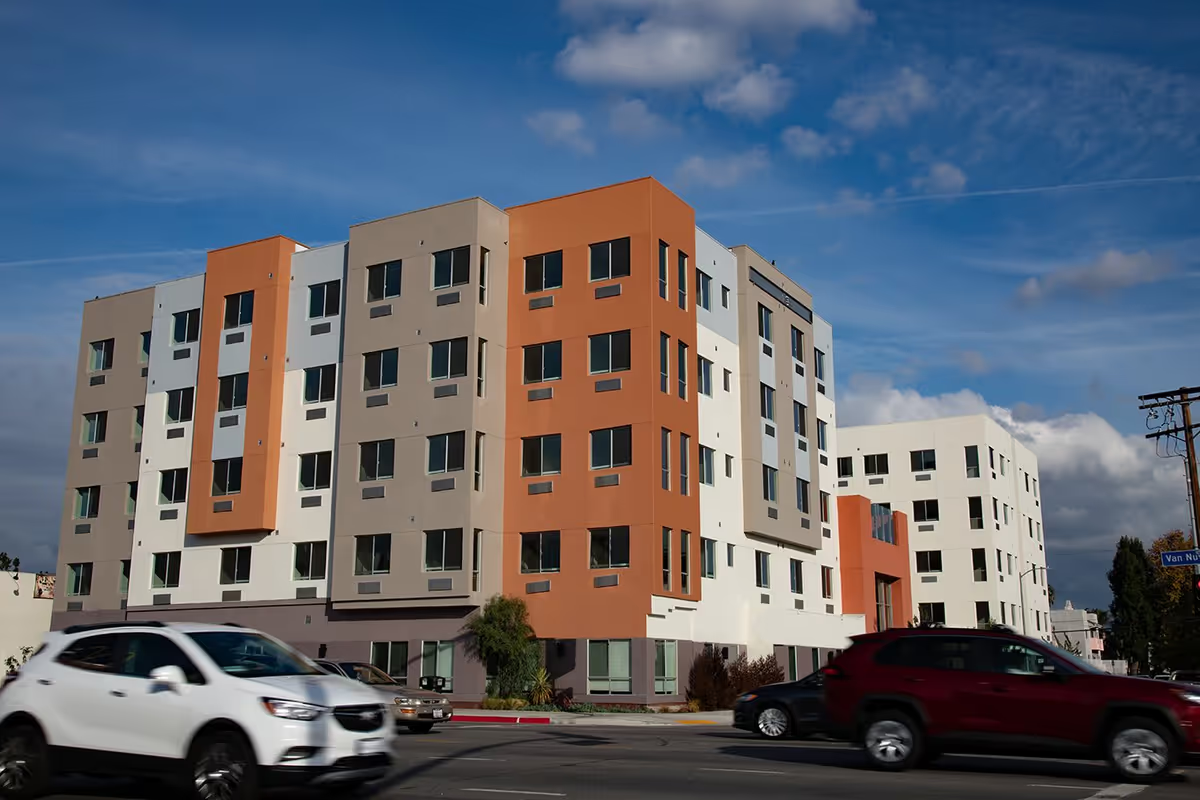
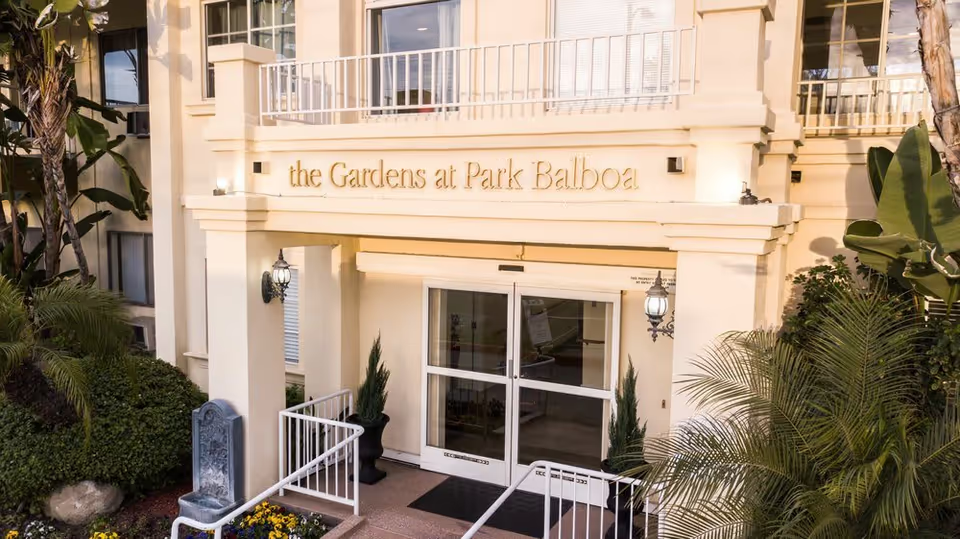
Overall impression: The facility presents as a modern, well-appointed small community with consistently positive feedback on environment, food, and staff. Common themes include recently completed construction, careful housekeeping, private rooms with en-suite bathrooms, spacious communal spaces (notably a large dayroom and outdoor patio), and an emphasis on a home-like, family atmosphere.
Care quality and staff: Care is described as attentive, compassionate, and personalized. Review content highlights diligent medication management, supportive dementia and end-of-life care, and staff willingness to assist beyond routine tasks. Administration and front-line leadership are noted as accessible and helpful — specific staff members (for example, the administrator) were mentioned positively — and the facility reportedly provides assistance with admissions paperwork and long-term care insurance processes.
Dining and nutrition: Dining is a prominent strength in the feedback. The facility operates with an on-site kitchen and chef, with reviewers characterizing meals as healthy, home-style, and adaptable for residents with swallowing or other dietary needs. Families described social dining opportunities and an accommodating approach to individualized meal requirements.
Activities and therapies: The programmatic offering appears active and varied. Reviewers emphasize physical exercise, cognitive stimulation, and frequent organized activities that contribute to residents’ engagement. The communal spaces described (high ceilings, large seating, big-screen media) support group activities and social interaction.
Facilities and operations: The building and grounds are noted for modern design, cleanliness, and pleasant finishes. Security features (gated entry) and easy access to outdoor space were cited as practical advantages. The small, family-owned structure creates a sense of intimacy and continuity of management, and pricing was described as competitive relative to peers.
Notable patterns and cautions: While the reviews are uniformly favorable, there are operational considerations prospective families should confirm directly. Because the facility is new and family-owned, its long-term track record and volume of clinical outcomes are necessarily limited; families should verify licensing, staffing ratios, clinical credentials, and availability of specialty services they may need. The smaller scale that contributes to a family atmosphere can also mean limited onsite access to highly specialized medical services and potential capacity constraints during periods of high demand. Finally, prospective residents and families are advised to tour the community, review contracts and care plans, and ask about contingency arrangements for higher-acuity needs or hospital transitions.
Bottom line: Monogram Villas appears to offer a clean, modern environment with strong food service, active programming, and a caregiving team described as compassionate and detail-oriented. Its primary trade-offs stem from newness and small size—factors that warrant routine due diligence when evaluating long-term clinical needs and availability.