Overall impression: Reviews reflect a facility with strong strengths in direct resident care, dining, and community life, tempered by recurring operational and management concerns. Many families and residents highlighted attentive, compassionate caregivers and clinically competent nursing and medical coordination. Staff are frequently described as personal, familiar with residents by name, and willing to go beyond basic duties; families report frequent check-ins, proactive care planning, and effective hospice coordination when needed. Long staff tenure in several roles contributes to continuity of care and a welcoming, family-like atmosphere that many residents enjoy.
Care and safety: The community provides a layered approach to safety, including a separate memory-care wing, safety bracelets or door-proximity alerts, and ongoing monitoring practices. Reviews indicate that clinical teams generally manage medical needs well and that staff are responsive to changes in condition. However, multiple accounts point to operational gaps that have impacted clinical reliability at times, including concerns about medication administration practices, perceived staffing shortages (particularly overnight), and inconsistent follow-through on clinical tasks. These operational gaps create variability in the experience of clinical care between different families.
Dining and activities: Dining is a clear strength for many residents. The kitchen offers chef-prepared, varied menus, room service options, and willingness to accommodate special requests. Several reviewers praised fresh food, tablecloth dining, and generous portions. That said, there are also reports of inconsistent meal quality, slow meal service, and occasional changes in kitchen leadership that affected consistency. Activity programming is broad and lively for many residents, with arts, music, baking, outings, casino nights, and classes frequently mentioned. Some families — particularly those seeking more tailored physical or adult-oriented memory-care programming — found activity quantity or quality to be uneven, and there are reports of activity cancellations tied to staffing changes.
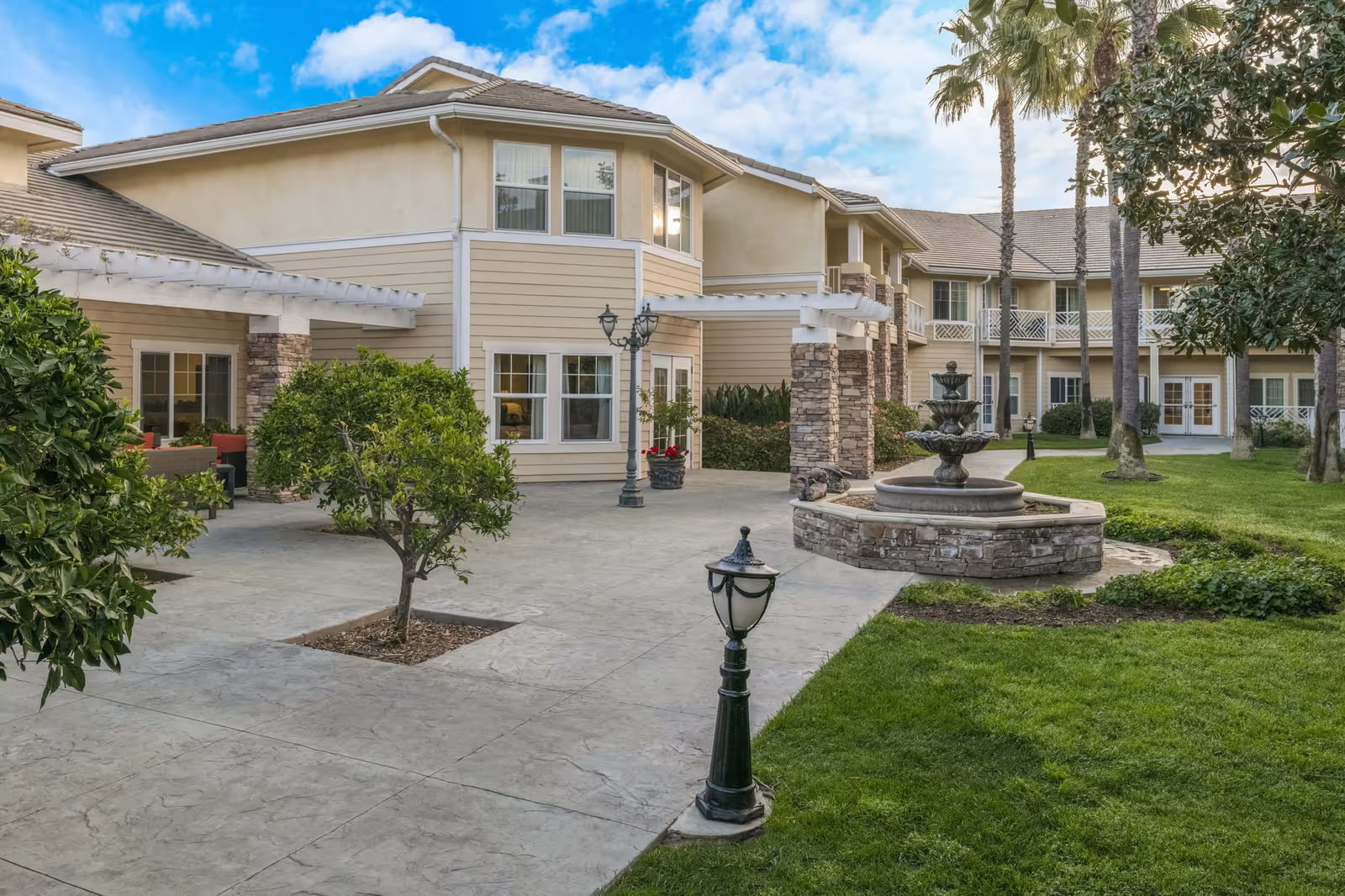
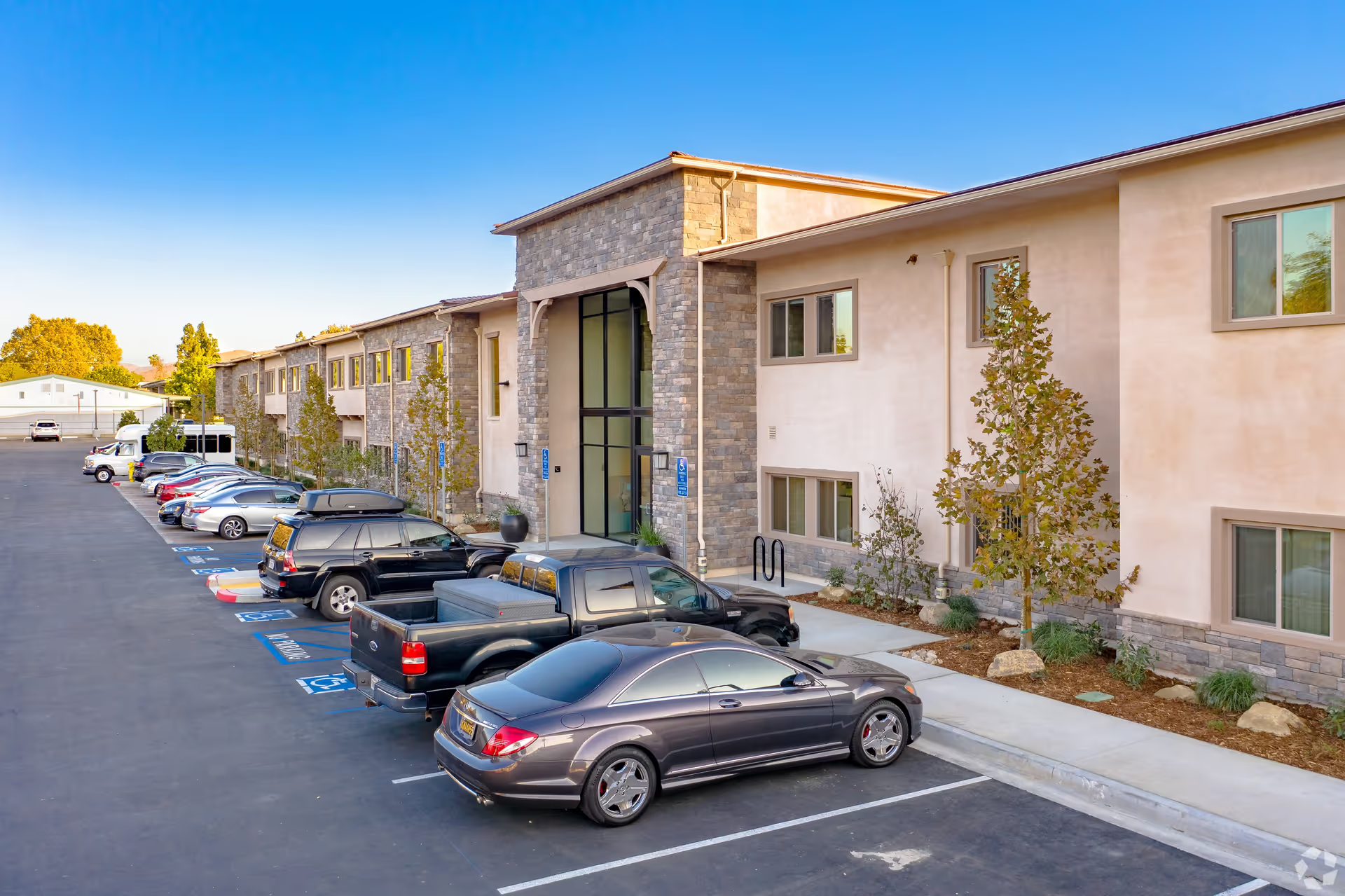
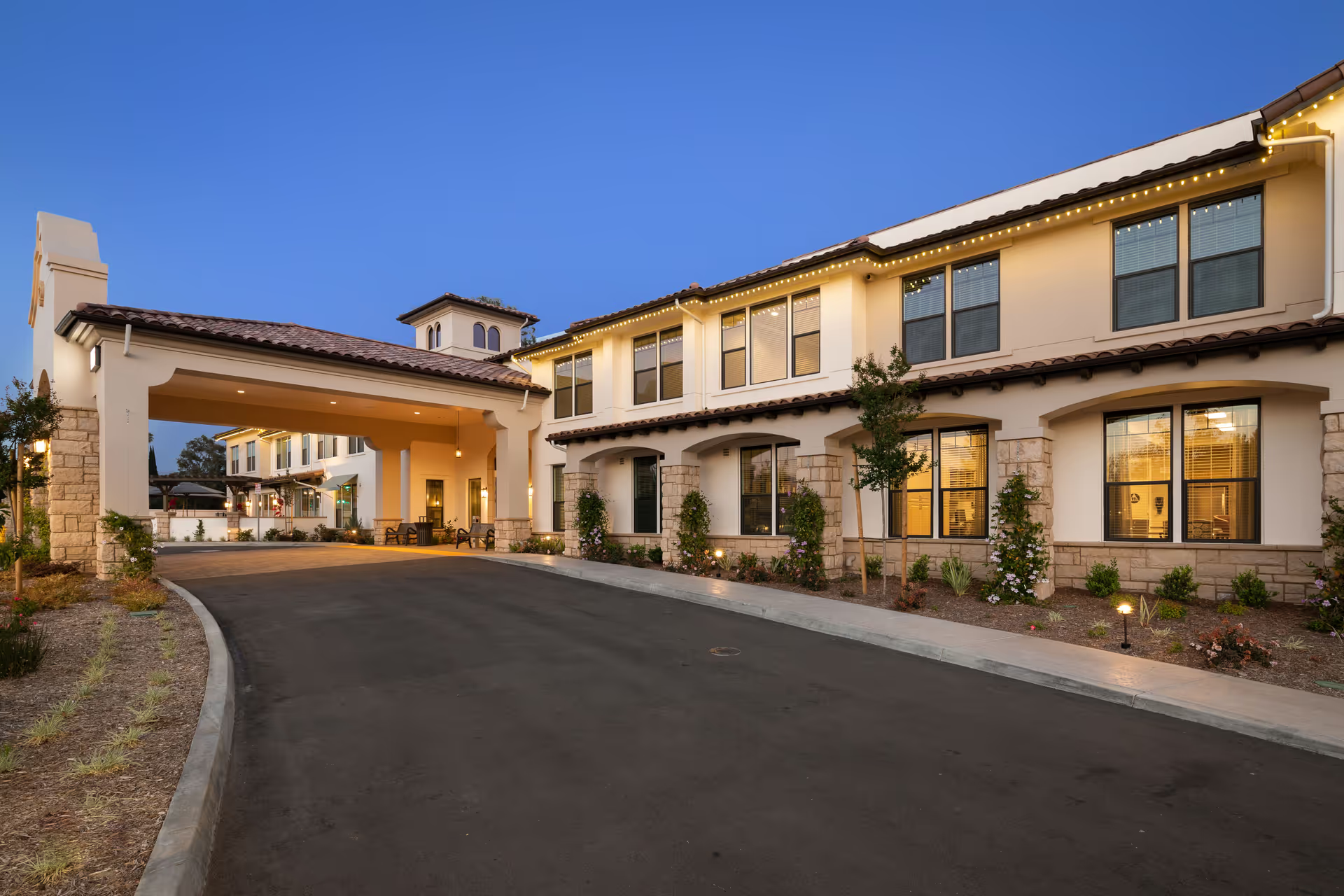
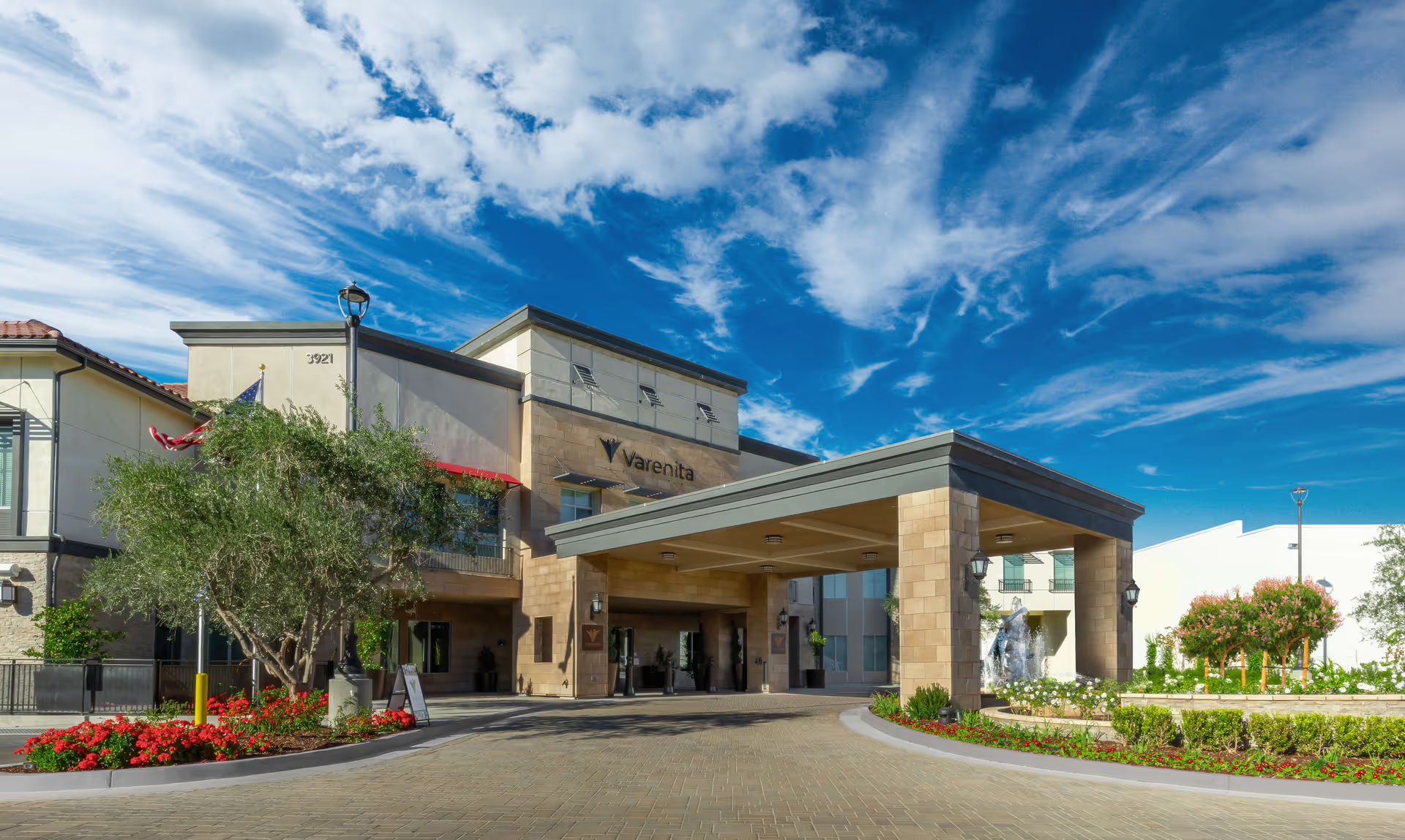
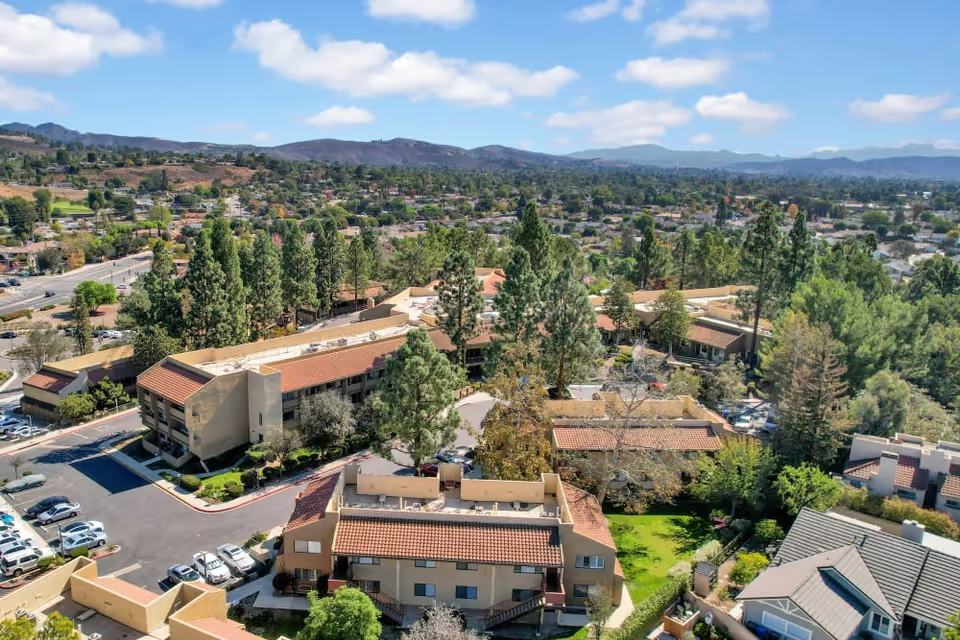
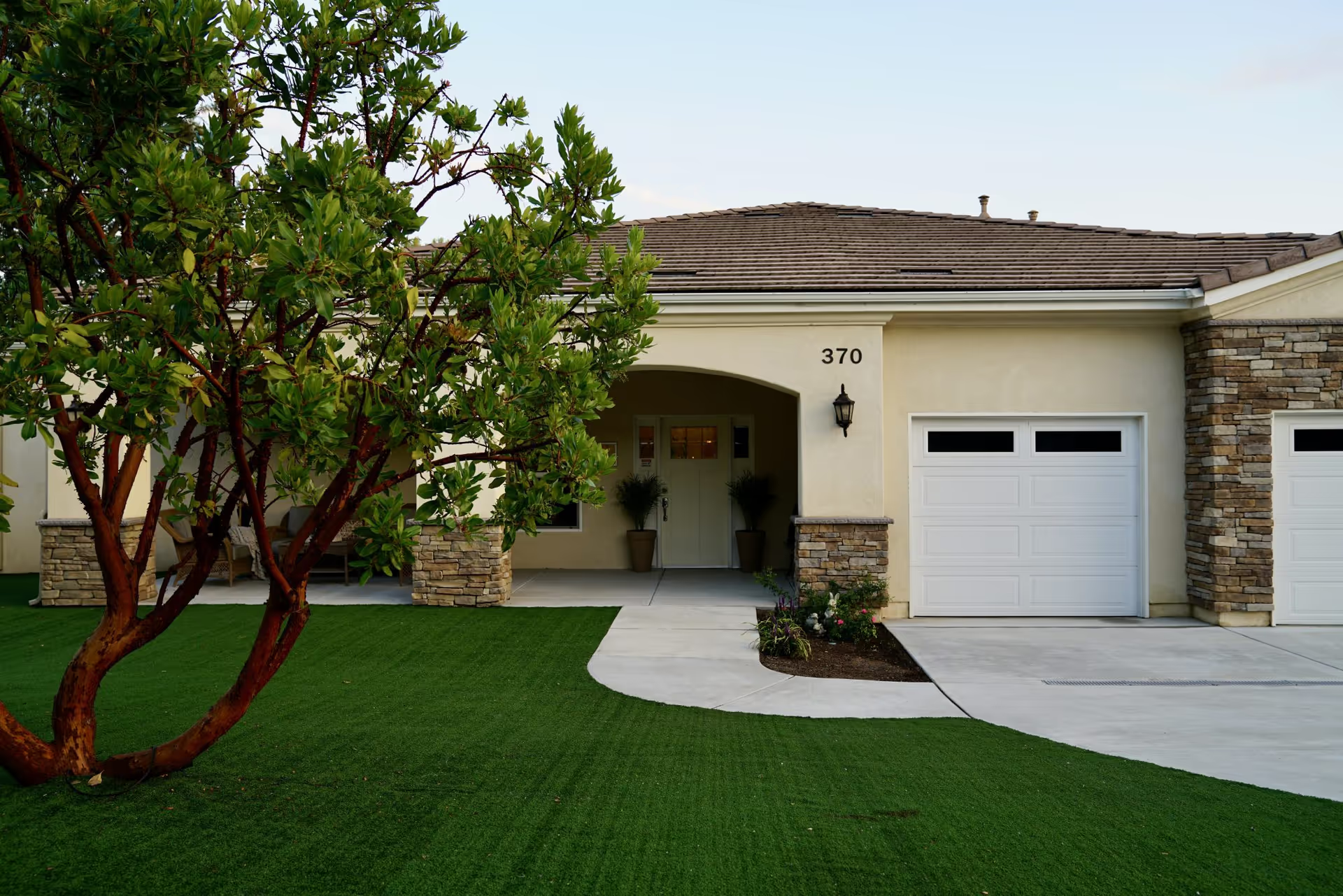
Facilities and amenities: The physical environment is described positively: clean units, well-kept grounds, gardens, verandas, courtyard spaces, and resort-like public areas. Apartment sizes vary; some residents appreciate larger layouts with kitchenettes while others find certain rooms small. The site offers practical services such as housekeeping, laundry, and toiletry provisioning. Memory-care spaces are separate and reasonably appointed, though some families felt certain memory-care activities were not sufficiently age-appropriate.
Management, operations, and value: A notable pattern across reviews is mixed feedback about management and administration. Positive commentary highlights accessible directors, helpful move-in coordination, transparent billing in some cases, and staff who resolve concerns. Conversely, recurrent criticisms focus on management instability, leadership turnover after ownership or affiliation changes, inconsistent communication, and perceptions of cost increases without proportional value. Specific operational themes include understaffing pressures, inconsistent activity staffing, billing ambiguities (extra days or charges), and concerns about kitchen oversight and staff conduct. These operational issues can amplify the perceived cost sensitivity for prospective residents evaluating value.
Who this may suit: Prospective residents and families who prioritize compassionate, familiar caregiving, strong clinical coordination, varied dining options, and an active community life are likely to find many strengths here. Families whose primary concerns are strict administrative consistency, ironclad medication processes, or uniformly adult-oriented memory-care programming should probe operational details during tours: ask about current staffing ratios (including night coverage), medication-administration protocols, recent leadership changes, kitchen supervision, and written billing policies. A site visit that includes observing mealtime and an activity session, plus conversations with both clinical leadership and the activities director, will help determine whether the current operational state aligns with a family’s expectations.