Overall impression: Broadway Villa Post Acute elicits a mixed but frequently positive picture. Many families and residents describe warm, compassionate caregiving, strong therapy services, and generally clean, organized spaces. The facility's rehabilitation teams (physical, occupational, and speech therapy) are frequently highlighted for individualized plans, hands-on guidance, and measurable progress. Certified nursing assistants and some nursing staff receive repeated praise for attentiveness and patient-focused care, and intake/discharge coordination is often described as professional and efficient.
Care quality and clinical patterns: Clinical strengths center on rehabilitation, wound care, and attentive bedside presence from CNAs and several nurses. However, there are recurring operational concerns that affect clinical consistency. Staffing levels are described as inconsistent, with particular variability on night shifts; this contributes to delays in responding to call lights and occasional gaps in medication administration and vital-sign monitoring. A small number of reviewers referenced serious clinical incidents, including an open investigation and concerns following a resident's death; these accounts appear to be isolated relative to the volume of positive feedback but are significant and worth direct inquiry during a tour or family meeting.
Staffing, communication, and management: Communication is uneven. Many reviewers praised regular updates and a helpful business office staff member, while others experienced poor phone access, restrictive phone policies, and long wait times at the front desk. Language coverage is generally good during daytime hours (Spanish and Tagalog support is noted), but reviewers indicate that multilingual coverage can be inconsistent across shifts. Administrative processes such as check-in and paperwork are sometimes smooth and professional, though occasional lapses in front-desk responsiveness and intake paperwork are reported.
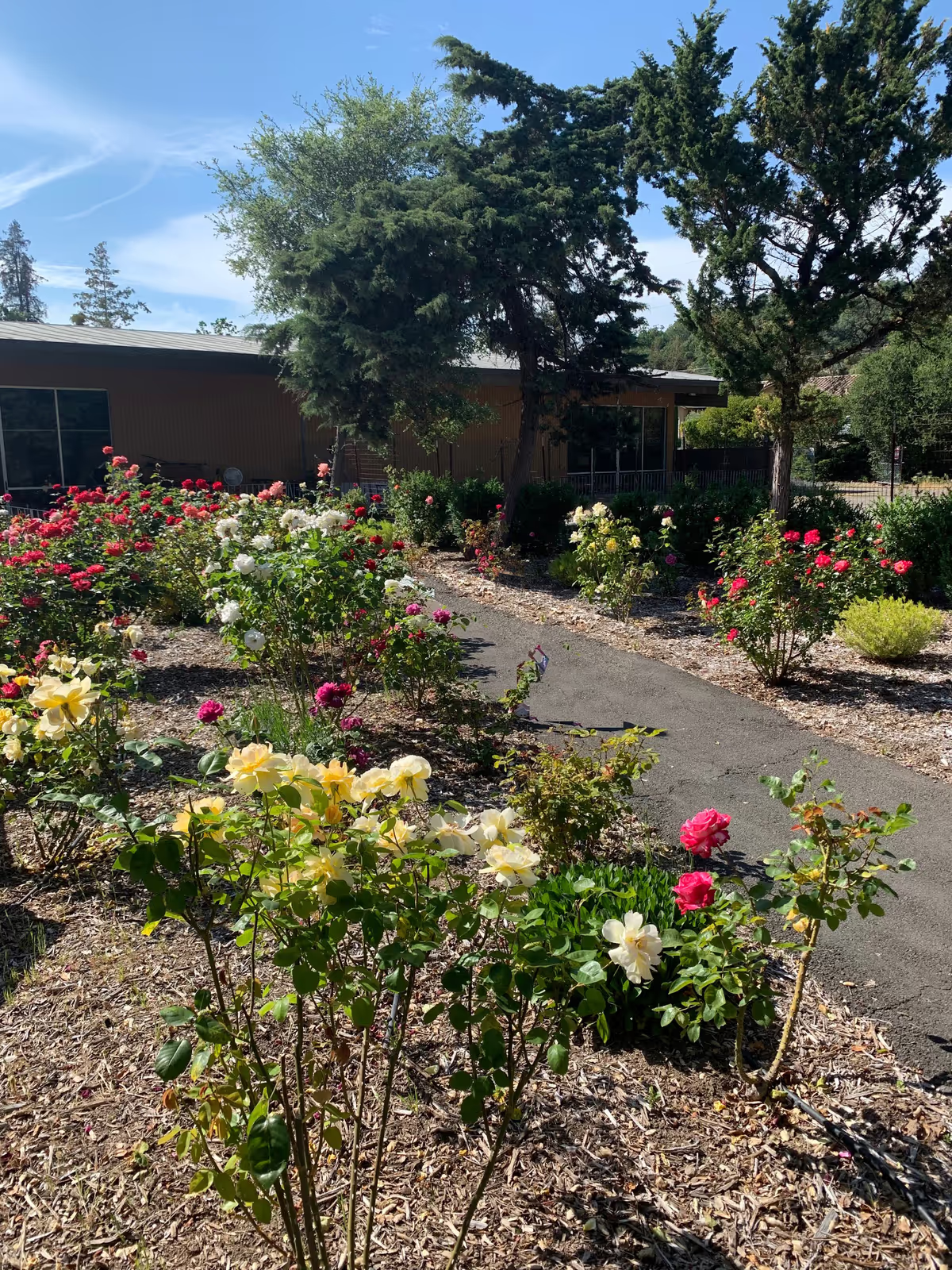
Dining, activities, and resident engagement: Dining receives mostly favorable comments for variety and quality, though a subset of reviewers described lower-quality meals. Activity options exist and some residents find them engaging, but activity engagement appears inconsistent — some families reported limited programming or a lack of personalized engagement for certain residents. Outdoor and common-area amenities, including a patio and renovated seating areas, are seen as positive features that support resident well-being.
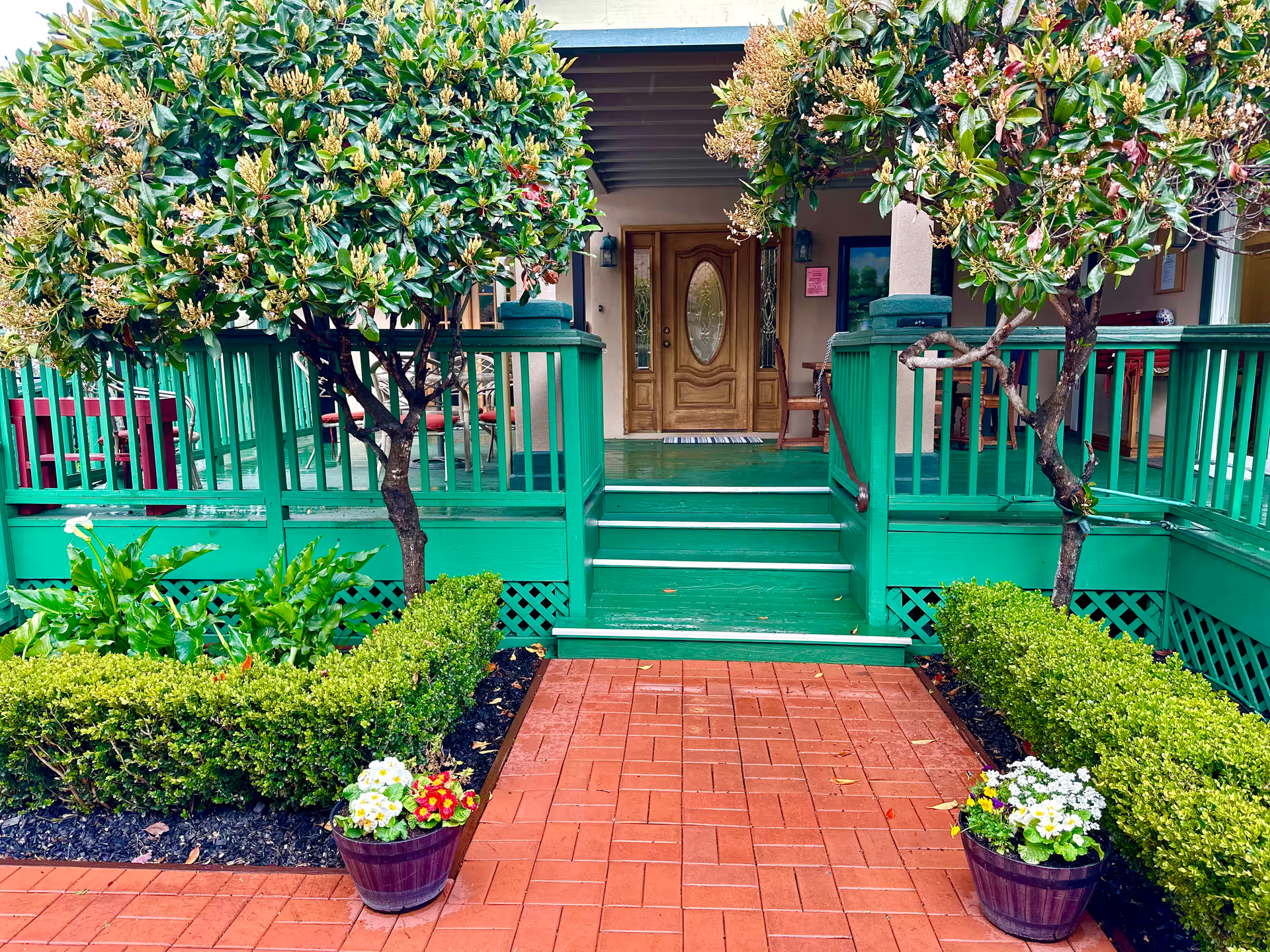
Facilities and cleanliness: The facility is often described as clean, odor-free, and undergoing renovation in parts; brighter finishes and new floors in common areas are noted positively. At the same time, reviewers point to older, darker sections with low ceilings and uneven renovation. Housekeeping consistency is tied to staffing levels, with some accounts of missed or delayed room/bathroom cleaning when staffing is thin.
Notable patterns and guidance for families: The dominant strengths are compassionate direct care and strong rehabilitation programming. The key trade-offs are operational: inconsistent staffing (especially at night), variable administrative and phone responsiveness, and occasional gaps in housekeeping and clinical incident response. Prospective residents and families should tour the facility, ask about current staffing ratios and night-shift language coverage, review medication-administration and incident-reporting protocols, and clarify phone and visitor policies. If rehabilitation services are the primary need, the facility's therapy teams are a clear strength; if continuous clinical oversight or consistent night coverage is essential, families should verify current practices before placement.