Overall impression: Reviews for Ivy Park at Studio City are mixed, with a substantial set of families describing consistently high-quality interpersonal care, robust programming, and an appealing physical environment, while another group highlights operational and clinical concerns that materially affect daily life for some residents. The facility appears to offer pockets of strong performance—notably engaged staff, on-site nursing, and active social programming—alongside recurring themes of inconsistency in core services.
Care and staff: Many families praise compassionate, respectful caregivers and responsive on-site nursing staff who contribute to residents' sense of safety and well-being. At the same time, there are recurring concerns about staffing consistency: overnight coverage and the memory-care floor are described as thin at times, and reviewers cite variability in staff conduct and timeliness. Clinically relevant issues raised include inconsistent personal-care routines (including bathing frequency and incontinence-care delays) and care approaches that some perceive as focused on safety/maintenance rather than individualized rehabilitation goals. Prospective families should clarify staffing ratios, clinical oversight, and personal-care protocols during a tour.
Dining and clinical nutrition: Dining is a polarized area. Several accounts praise chef-led, restaurant-style dining and specific culinary staff, while others describe inconsistent meal quality, rushed service, and inadequate accommodation of medical diets (for example, diabetes-related needs). These differences suggest variability in kitchen execution or in the facility's ability to follow individualized dietary plans; asking to sample meals and to review diet-accommodation processes is advisable.
Activities and social life: Activity programming is a clear strength in many descriptions—concerts, holiday events, excursions to malls and parks, live music, fitness classes, and social opportunities are frequently mentioned. That said, some families report inconsistent assistance to help residents participate (limited reminders or help getting to activities), which reduces engagement for residents who need prompting or mobility support. Memory-care programming receives mixed feedback: some families appreciate specialized reminiscence and household-style options, while others describe a one-size-fits-all approach that limits individualized cognitive engagement.
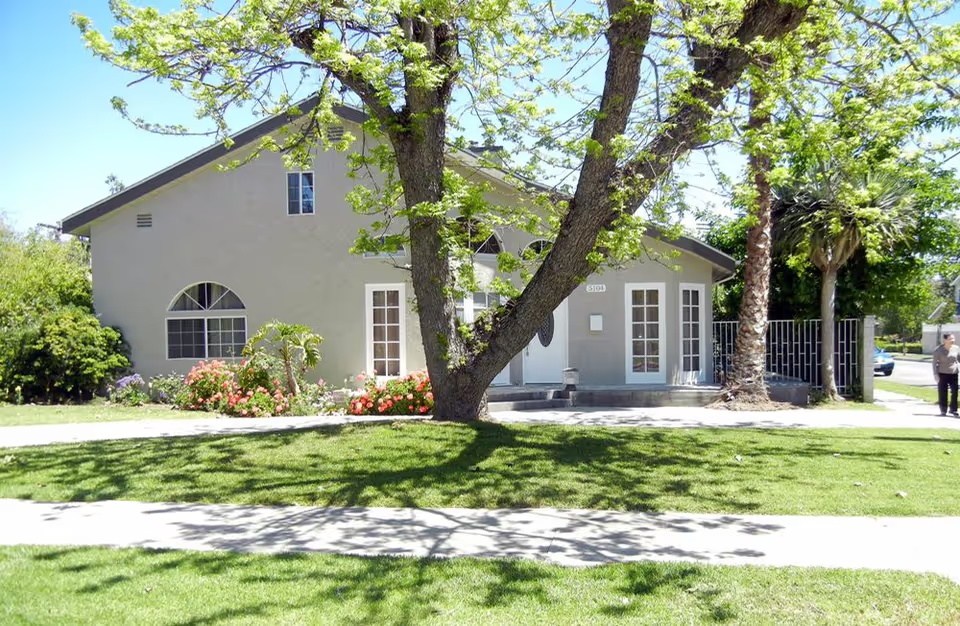
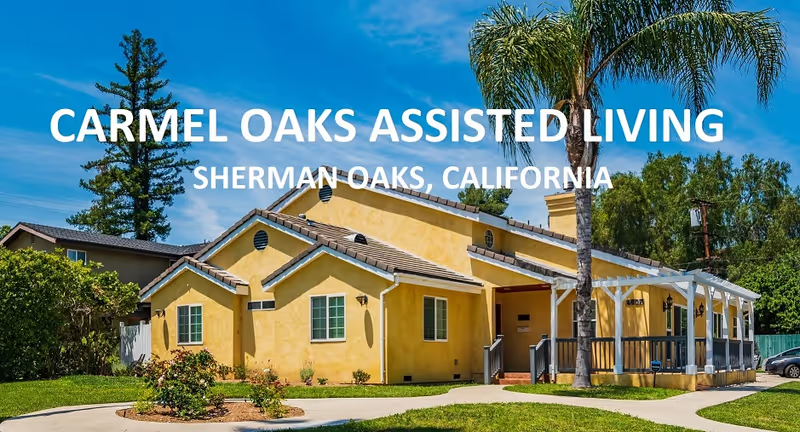
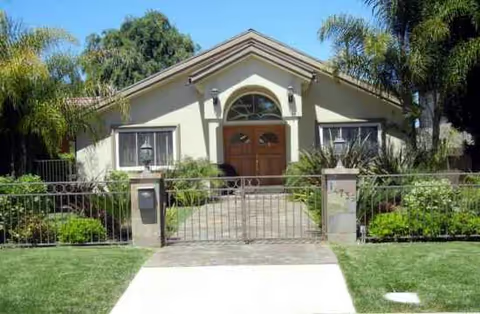
Facilities and amenities: The campus includes attractive features—well-maintained grounds, private patios, a beauty salon, and spaces for outdoor visiting. Apartment quality varies across the community; newer or renovated units and small household settings are described positively, while older sections offer smaller studio layouts. Cleanliness and housekeeping are inconsistent across accounts: portions of the campus are noted as very clean, while other accounts raise sanitation concerns and uneven housekeeping standards.
Management, billing, and operations: Several reviews identify problems with the sales and admission process, including high assessment fees, promises not fully reflected in ongoing care, and perceived lack of transparency around ancillary charges. Billing disputes and concerns about pricing practices appear repeatedly enough to warrant careful contract and billing review. Communication challenges (phone-system reliability, slow callbacks) and perceived management unresponsiveness on grievances are additional operational themes.
Notable patterns and recommendations: The dominant pattern is variability—many families experience exemplary, family-like care and active programming, while others encounter gaps in staffing, sanitation, dietary adherence, and billing transparency that materially affect resident experience. Prospective residents and families should tour during mealtimes and activity periods, ask for staffing ratios (including overnight and memory-care staffing), review clinical protocols for dietary needs and incontinence care, request written explanations of ancillary charges and billing cycles, and seek references from current families in the unit of interest. Observing a floor during a shift change and confirming grievance and escalation procedures can help assess whether the facility's strengths align with a specific resident's needs.