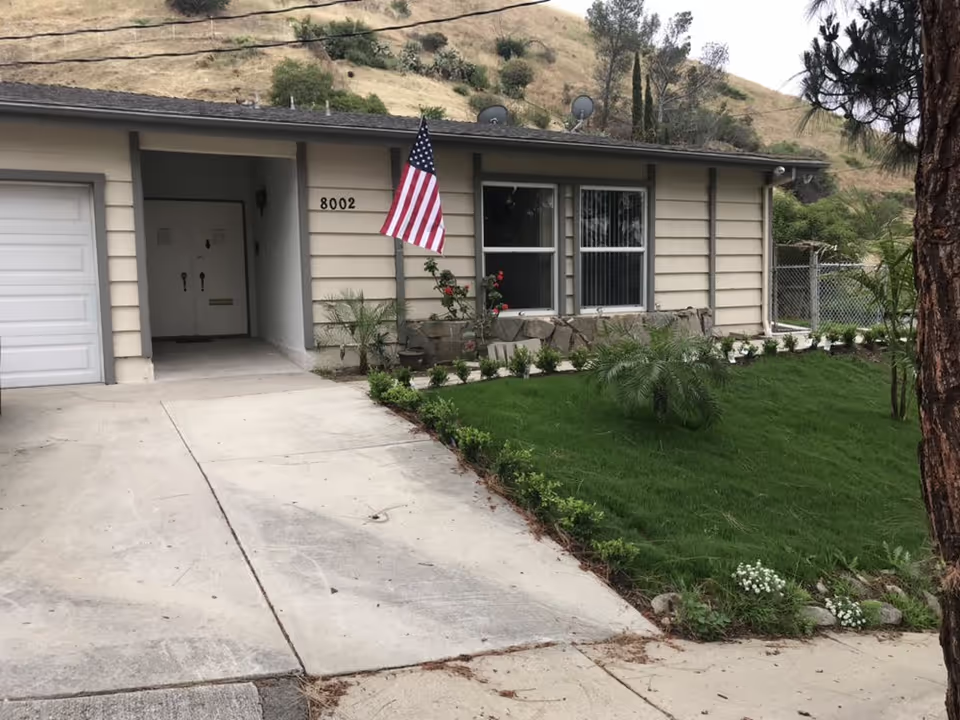
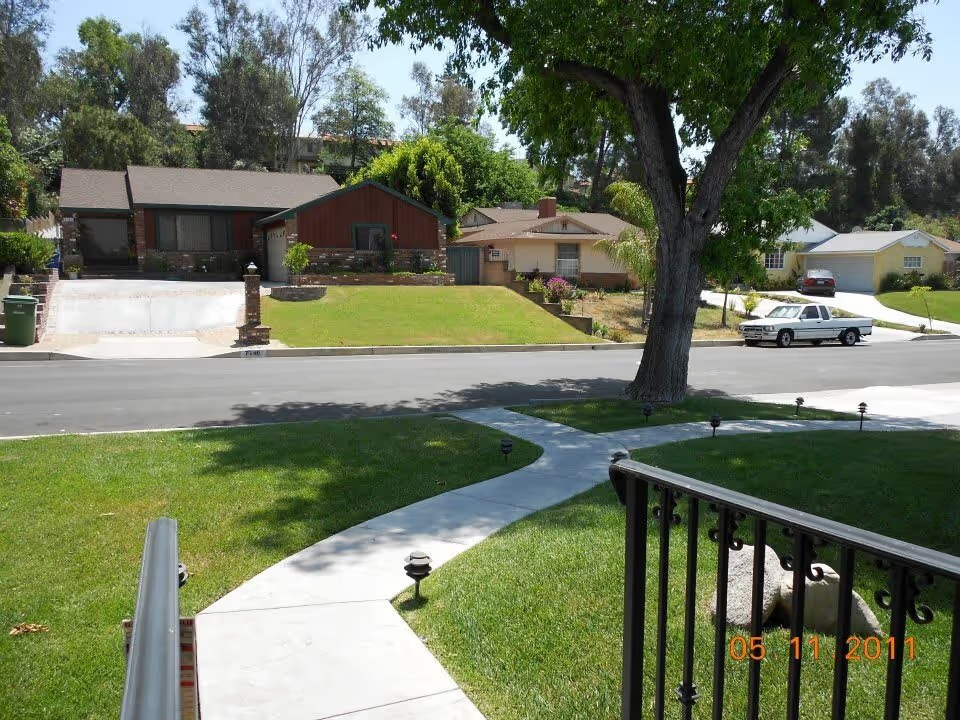
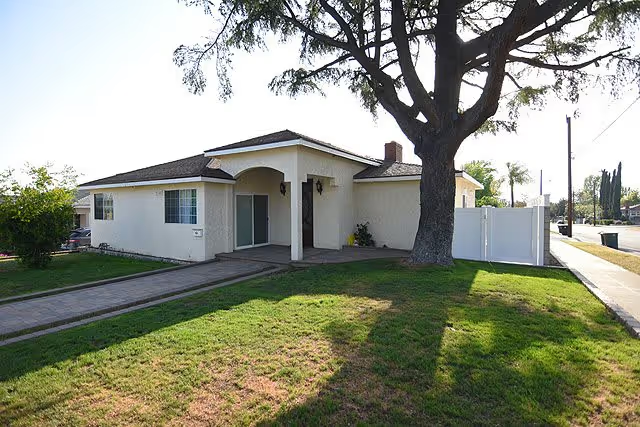
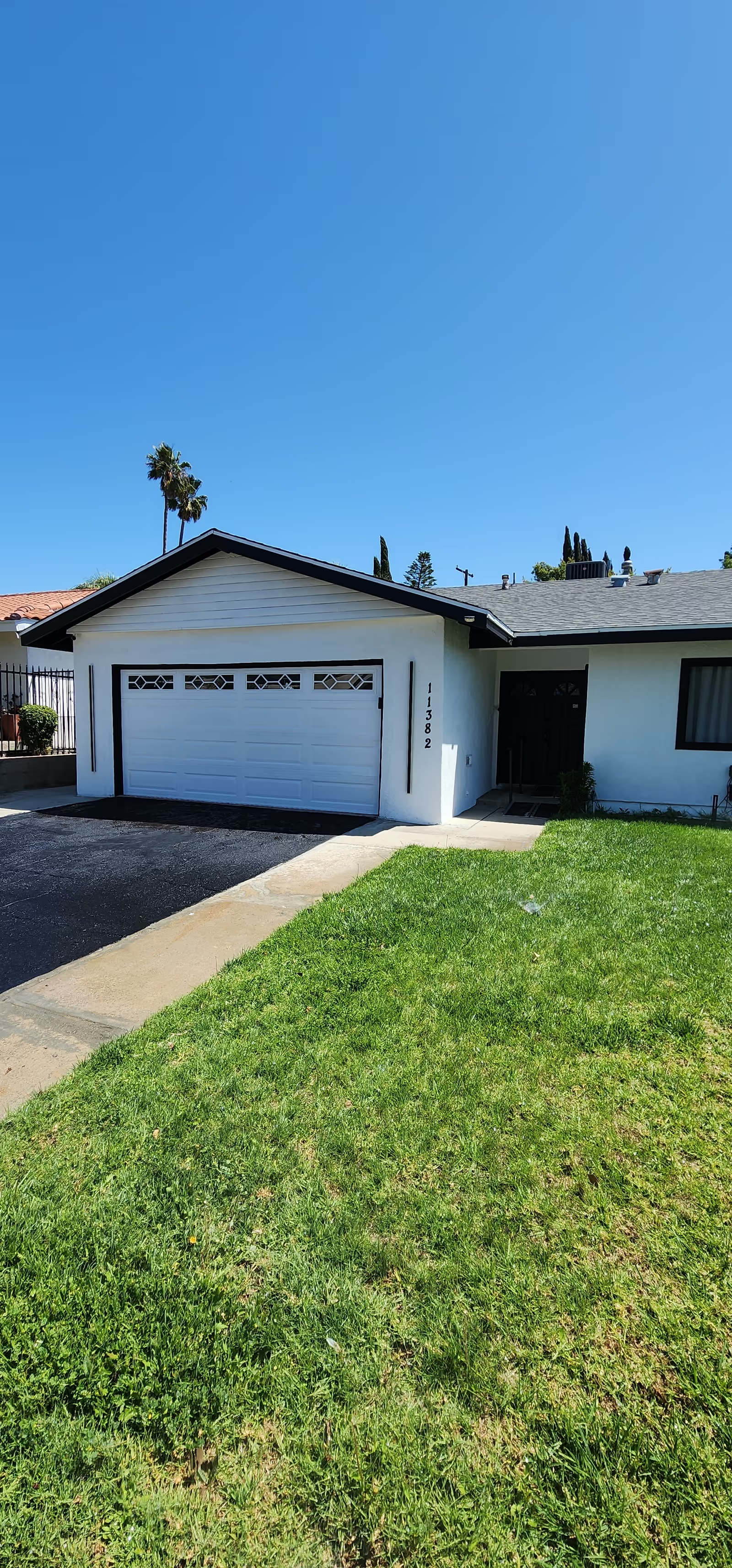
Review summaries present a mixed picture of Vine Valley Homes. Positive remarks focus on the facility’s environment and some aspects of frontline caregiving: reviewers describe clean, attractively furnished common spaces and a generally welcoming physical environment, staff who are personable and attentive, an efficient intake/admission experience, and availability of Armenian-language support. Several families also reported that particular residents experienced clinical improvement while in the program, and that short-term environmental needs (for example, provision of a portable air conditioner) were addressed.
Concerns center on operational and clinical-capability issues. Many summaries indicate chronic understaffing and a high caregiver workload; this is linked to inconsistent supervision, limited one-to-one nursing coverage, and shorter-than-expected interaction time between staff and residents. Multiple comments call attention to limited geriatric and dementia-specific training among direct-care personnel, and reviewers express that the facility is not consistently equipped to manage higher-acuity cognitive impairment safely. Those clinical gaps are associated with safety-practice weaknesses (including falls and resident-to-resident or resident-to-staff conflicts) and with inadequate incident reporting and follow-up communication to families.
Dining and daily programming are additional areas of concern. While some reviewers spoke positively about portioning and the regularity of meals, others described inconsistent food quality and raised questions about the facility’s dietary procedures and food-safety oversight. Activity programming and cognitive-stimulation offerings are commonly described as limited or absent; families seeking structured engagement or specialized dementia programming may need to verify what is included and what requires an additional fee.
Operational transparency and management responsiveness are recurring themes. Summaries cite discrepancies between marketing materials and on-site realities (including staged or misleading photos and services listed but not provided), a fee structure that can require payment for services families expected to be included, and language barriers that complicate communication. Several comments describe difficulty in obtaining timely responses from management or in getting complete incident information. Taken together, these themes suggest prospective families should confirm specific services, staffing ratios, clinical credentials, training in dementia care, and fee schedules during the tour and in writing.
In sum, Vine Valley Homes appears to offer a pleasant physical environment and personable frontline staff, with some capacity to address short-term needs and to support residents who require lower-acuity assistance. However, consistent concerns about staffing levels, clinical and dementia-care training, activity programming, dietary oversight, safety practices, transparency of marketing and services, and communication indicate that families should perform targeted due diligence—ask for staffing ratios and licensure information, request written service inclusions and fees, review the activity calendar and dietary policies, and seek references from current families—before making placement decisions.