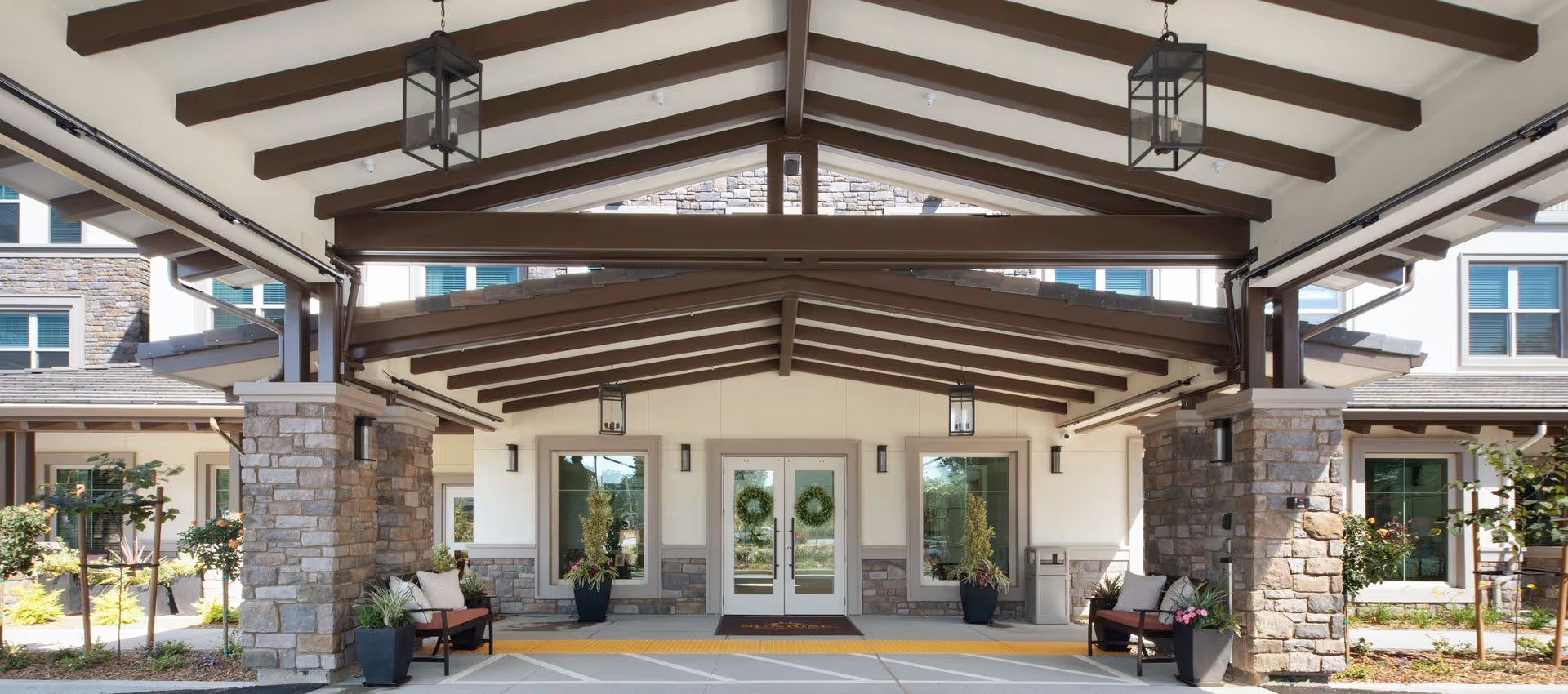
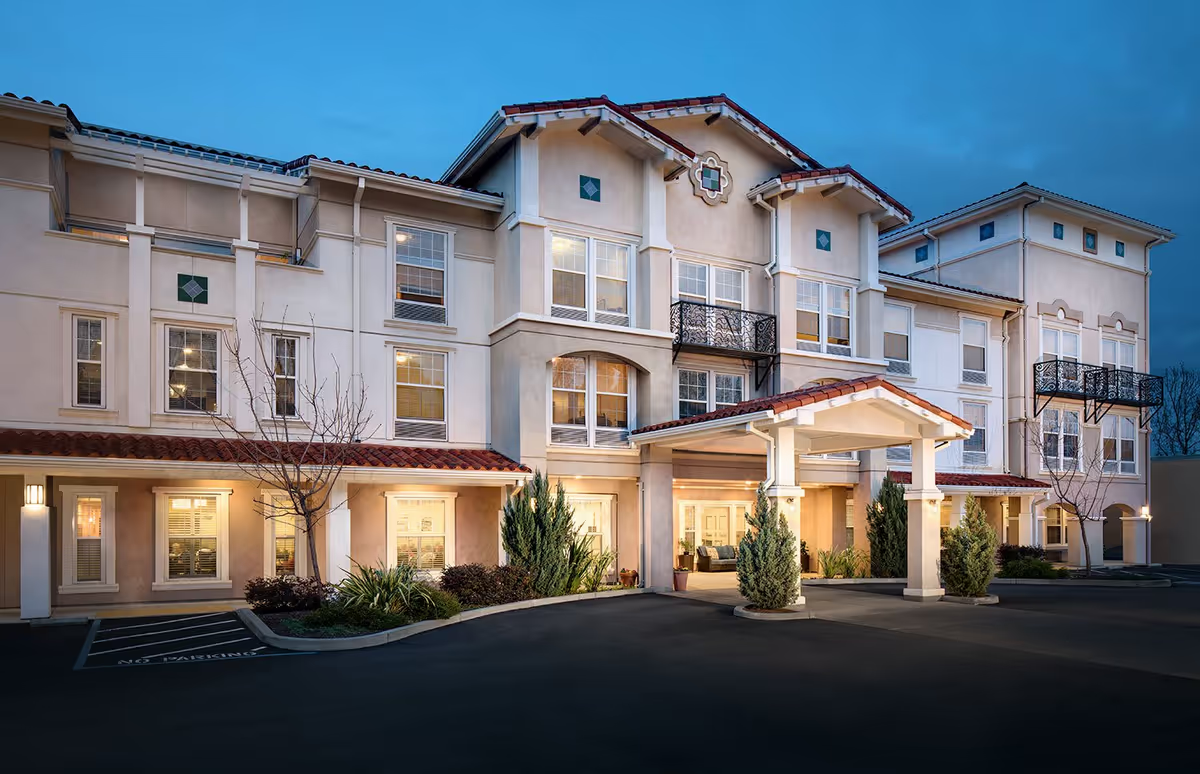
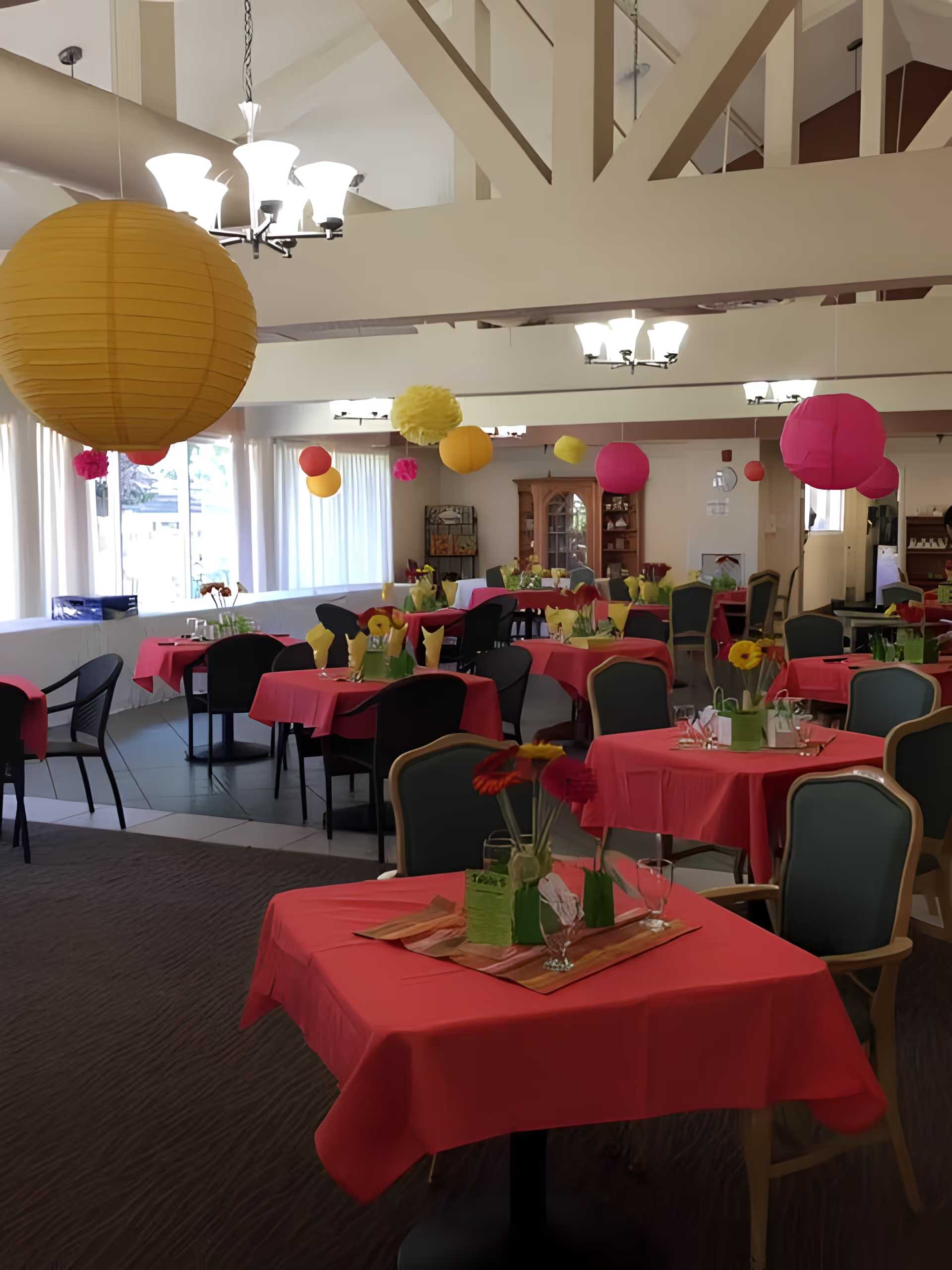
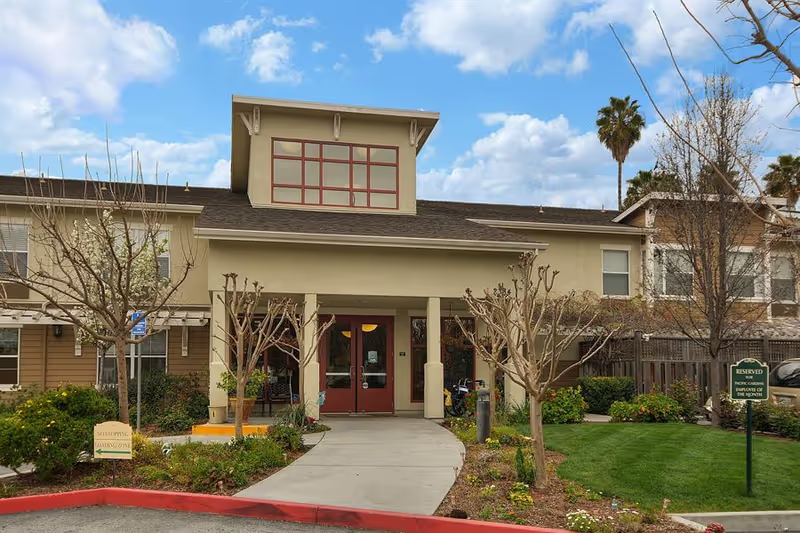
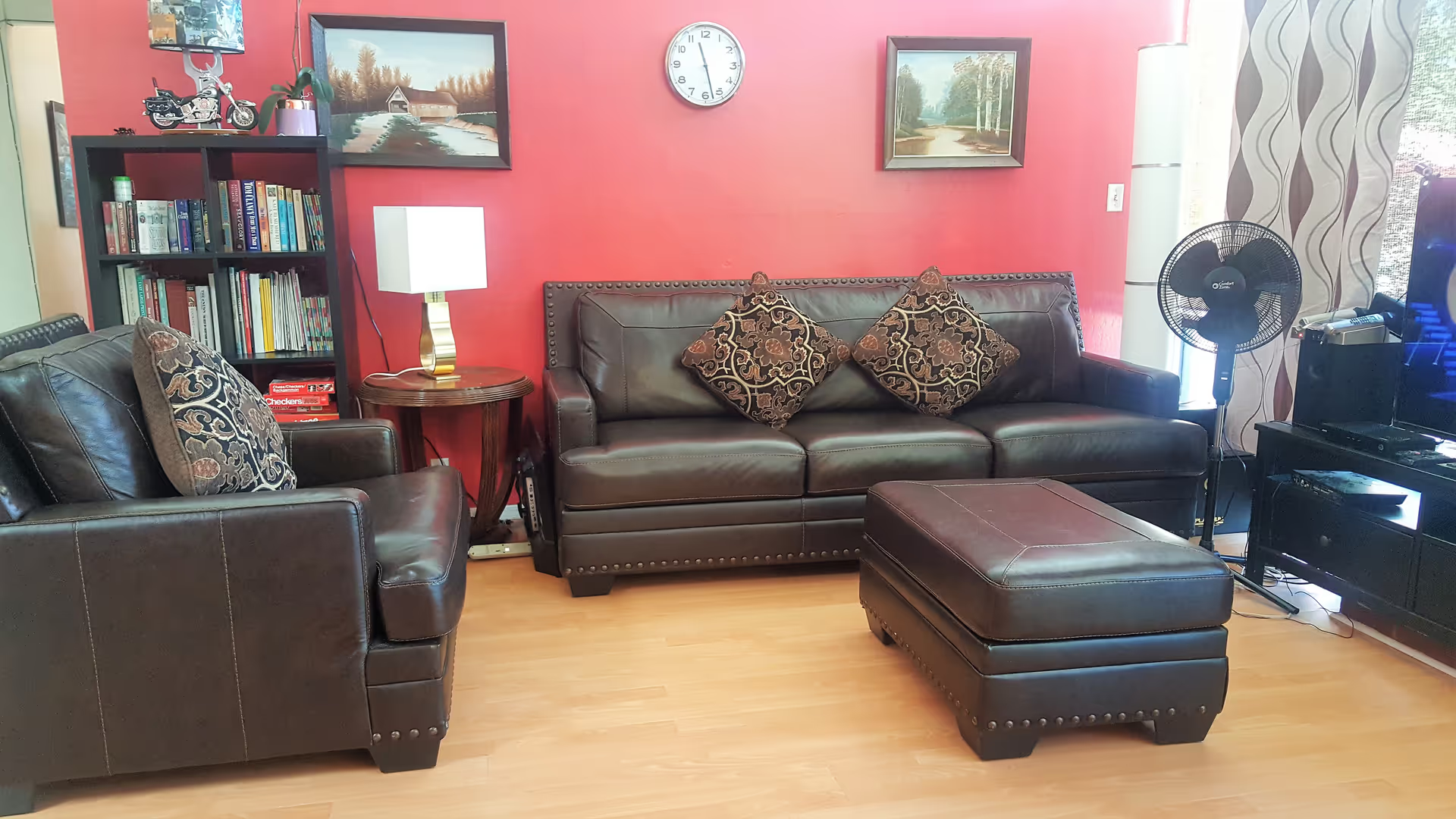
Atria Sunnyvale is consistently described as a clean, renovated, and well-located community with a bright, hotel-like interior and appealing outdoor spaces. Families and residents commonly praise the facility’s central Sunnyvale location near parks, medical services, and shopping, and highlight on-site amenities such as a salon, cafe, and library. Unit finishes and public areas are often characterized as modern, light-filled, and tastefully decorated following recent upgrades.
Staff quality is a strong theme: reviewers routinely describe caregiving teams as compassionate, patient, and long-tenured. Housekeeping and maintenance receive frequent positive mention for responsiveness and thoroughness. Medication administration and clinical staffing are generally seen as reliable, and the memory-care Life Guidance program draws specific praise for experience with dementia care. Many reviewers also appreciated smooth transitions for residents moving in or relocating from other buildings.
Dining and programs are another area of strength. The community emphasizes a chef-driven menu with varied daily choices, vegetarian and diabetic-friendly options, cooking demonstrations, and frequent praise for soups, desserts, and meal variety. Activities are numerous — chair exercise, music, crafts, lectures, and outings are commonly available — and social programming helps many residents engage and regain social connection.
Despite strong positives, reviewers identify operational patterns that prospective families should weigh. Several accounts point to inconsistent responsiveness from caregivers, including delayed assistance with personal care or alarms, which some families linked to staffing levels and coverage. Staffing variability and occasional shortages were described as affecting mealtime service, activity supervision, and timely assistance. These operational constraints can be more consequential for residents with higher clinical needs.
Clinical-capacity limitations are another recurring theme: Atria Sunnyvale does not provide on-site step-down skilled nursing, so residents whose needs escalate may require transfer to a higher-acuity setting. Reviewers also noted unclear or inconsistently applied policies around certain medical devices and complex clinical needs, which influenced some admissions and care decisions. Safety and accessibility concerns were mentioned in multiple contexts — fall-prevention practices, bathroom accessibility for wheelchair users, and an unsecured exit that could pose wander-risk for some residents.
Other practical considerations raised include smaller apartment sizes in some unit types, occasional odor or localized cleanliness issues despite generally positive comments about housekeeping, and family reports of inconsistent onboarding or points-of-contact during move-in. A small number of families raised concerns about fee transparency and unexpected increases; those items were described as serious financial issues by those affected.
In sum, Atria Sunnyvale offers many of the features families seek in a Bay Area senior community: attentive, experienced staff, strong dining and activity programs, attractive grounds, and supportive memory-care services. Prospective residents who are largely independent or require assisted living-level care and who value social programming tend to do well here. Families should assess clinical needs carefully, confirm policies for complex medical devices and fall prevention, and discuss staffing patterns, move-in communication, and billing practices during the tour and contract phase to ensure the fit is appropriate for higher-acuity needs.