Parkview Residential Care Home presents as a small, neighborhood-oriented assisted living option with consistently highlighted strengths in direct care, staffing levels, and dining. Review information indicates the facility maintains a relatively high staff-to-resident ratio and provides personalized health support, including staff trained in Alzheimer’s care and accessible RN communication. Families commonly describe staff as compassionate and proactive; management is portrayed as responsive when issues arise.
Clinical- and daily-care elements are described positively. Reviewers note assistance with bathing and other activities of daily living, memory-support services, and attention from skilled caregivers. The facility’s size and staffing model appear to enable individualized attention for many residents, which several families cited as a deciding factor. At the same time, the small community character that supports close relationships may limit the breadth of peer social options for some residents.
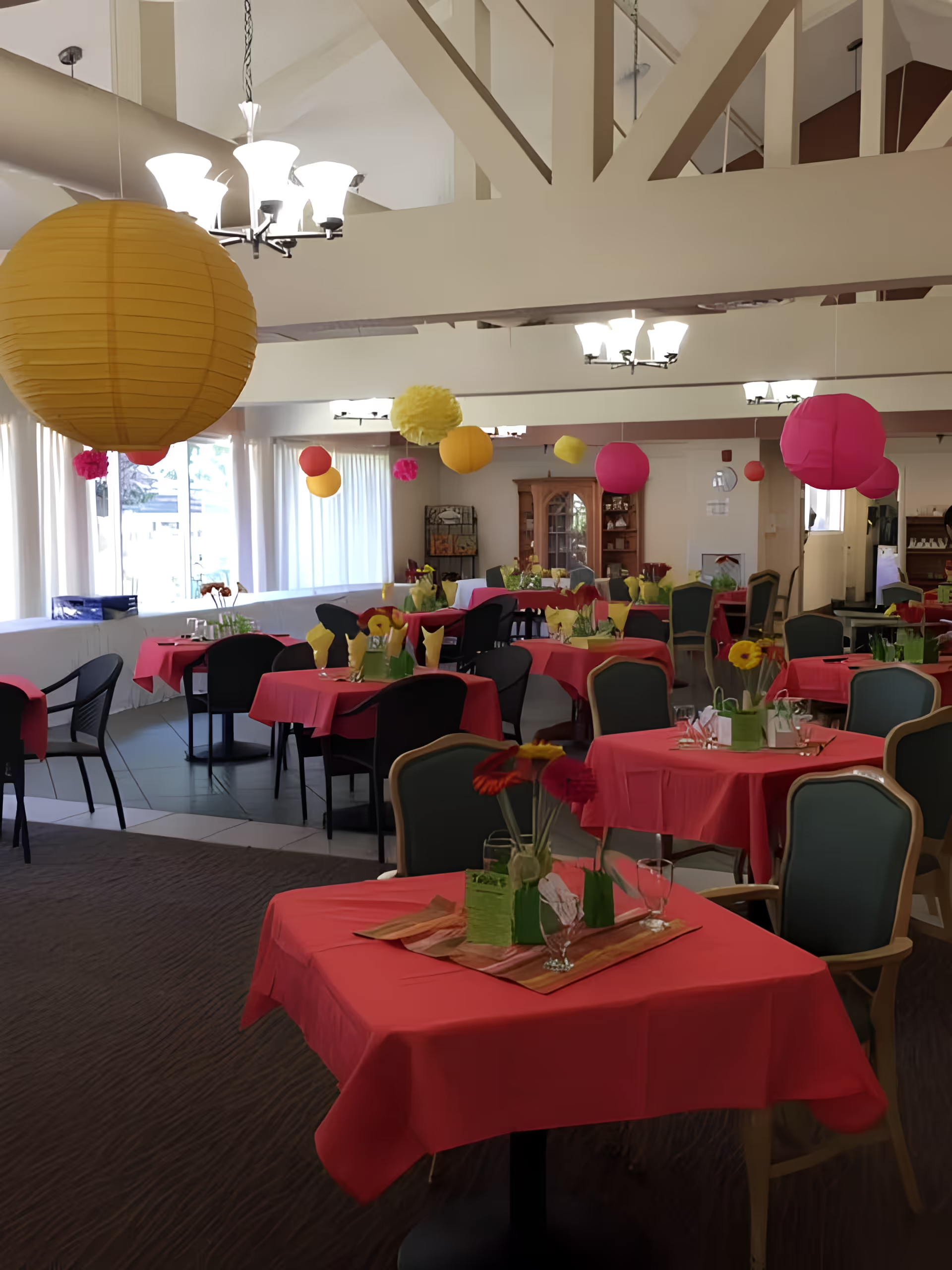
Dining receives consistent praise: meals are described as freshly prepared with natural ingredients, fresh produce, and the ability to accommodate meal preferences or special needs. Three daily meals and opportunities for customization were called out as strengths. Prospective families seeking to assess fit should consider sampling a meal and discussing dietary accommodations and continuity of service.
Activity programming is the clearest area of variability. Some accounts reference music, exercise, backyard activities, and outings; others describe few activities or note that engagement often requires family participation. There are mentions of staff not consistently facilitating walks or other outings. These descriptions point to an operational pattern of limited or inconsistent structured programming and a reliance on families to augment resident engagement. Families who prioritize an active, staff-led social calendar should confirm the current activity schedule and staffing for engagement during a tour.
Communication and language compatibility are another practical concern. Several comments indicate language barriers with some caregiving staff members, which can affect day‑to‑day communication and family satisfaction. Prospective families should inquire about language-concordant staff, interpreter availability, and how the facility manages communication with families and outside providers.
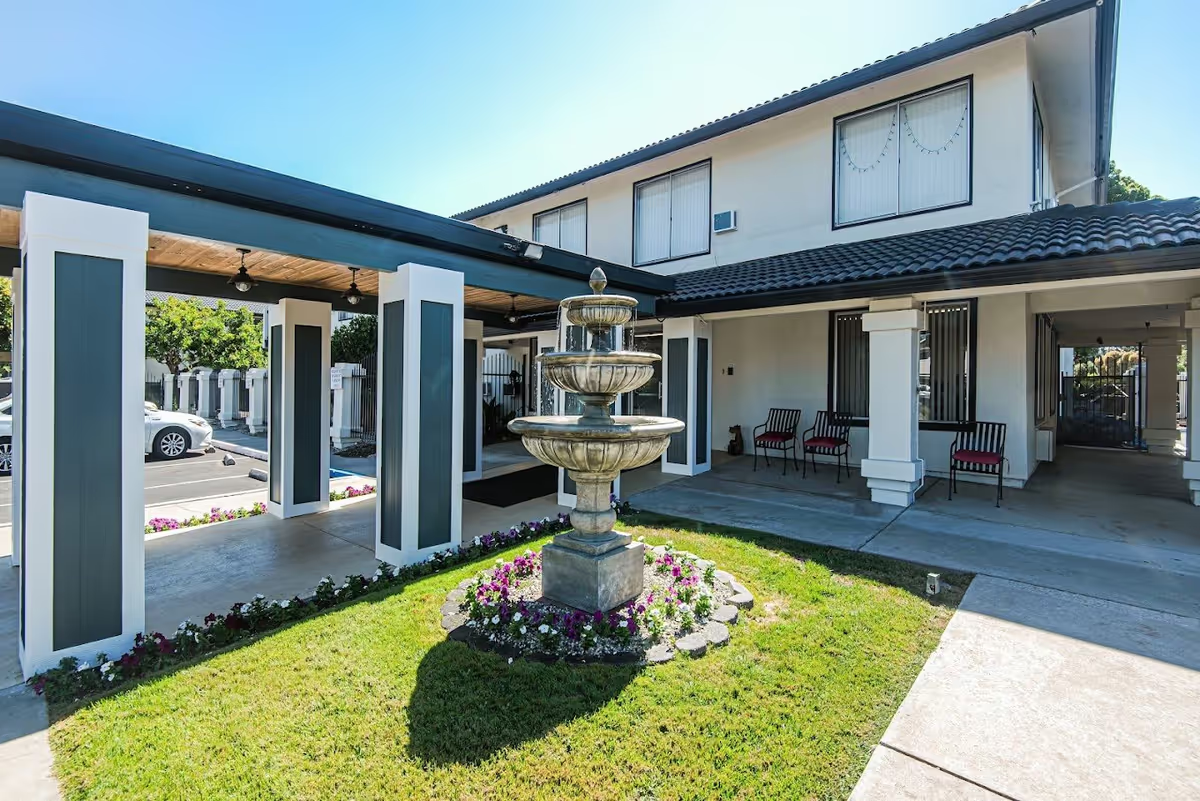
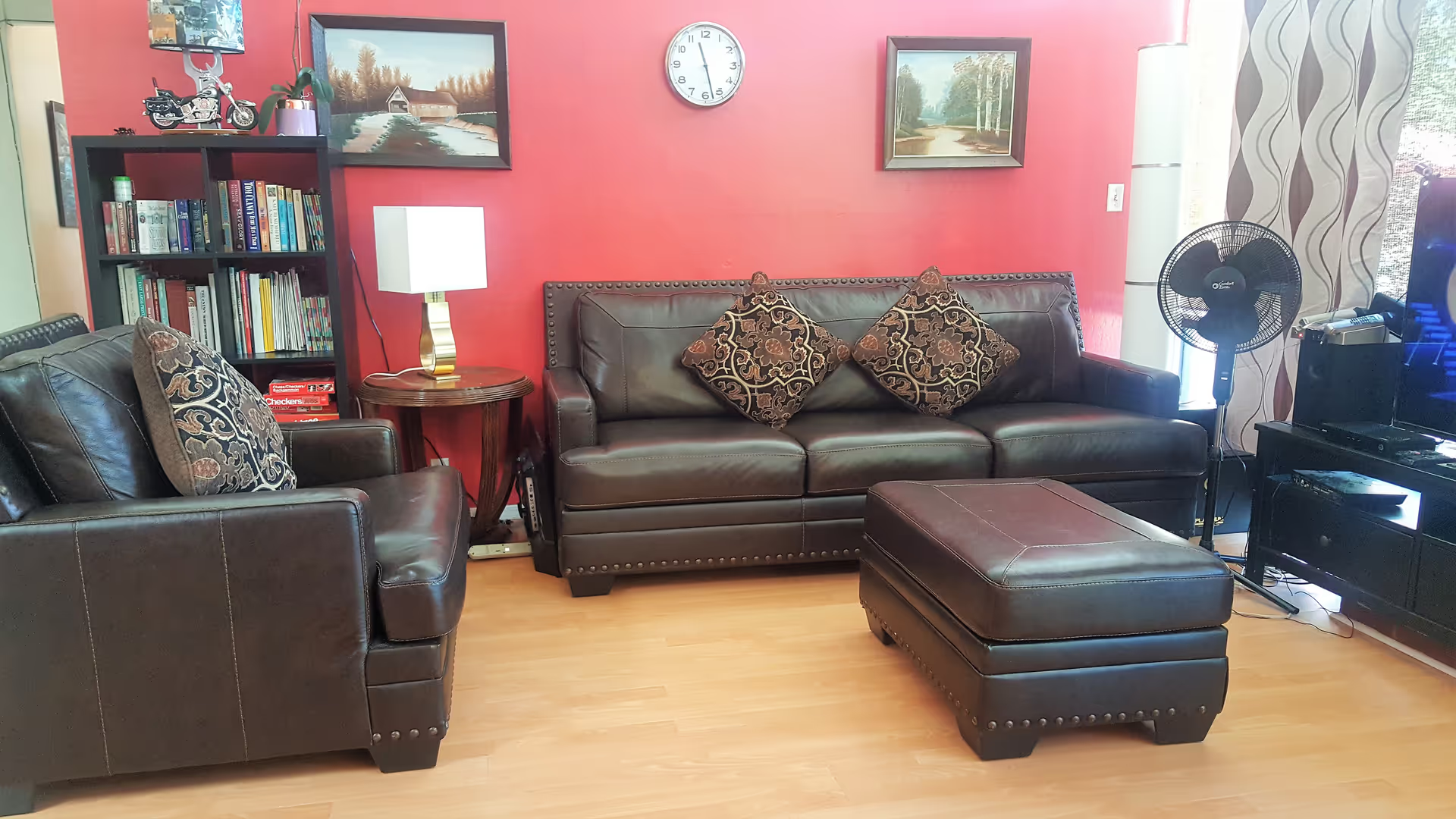
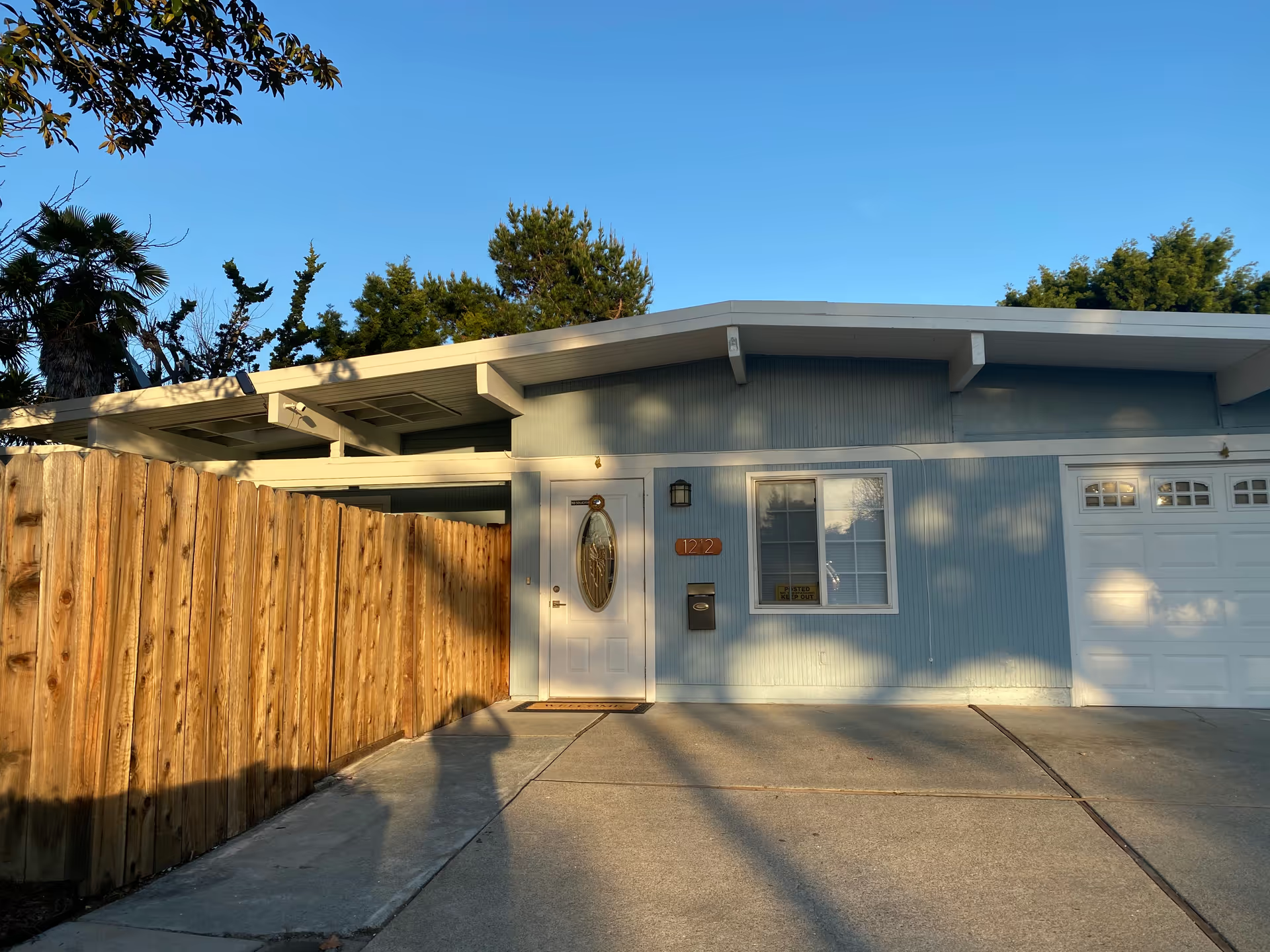
Overall, Parkview appears to offer a well-maintained, value-oriented assisted living environment with strengths in individualized care, responsive management, and quality meals. The primary operational weaknesses to evaluate in person are the consistency and scope of activity programming and the presence of staff who are language-concordant with the household. Recommended next steps for families: schedule visits during mealtimes and activity periods, meet the RN and primary caregivers, review the activity calendar and staffing for programs, and confirm training and language coverage for direct-care staff.