Overall impression: The reviews portray Silverado Thousand Oaks as a memory-care–focused community with consistently positive feedback on caregiving, clinical oversight, programming, and facility upkeep. Families and tour visitors repeatedly describe a warm, home-like environment where staff demonstrate dementia-specific training, person-centered approaches, and visible leadership presence. Clinical capabilities cited across reviews include around-the-clock licensed nursing, on-site medical direction, and on-site therapy services, which reviewers associate with improved clinical stability and quicker crisis responses.
Care and staff: Reviewers emphasize compassionate, attentive caregivers and knowledgeable clinical teams. Accounts highlight dementia training, individualized care plans, proactive communication with families, and collaborative care planning with outside providers. Leadership and administrative responsiveness are commonly mentioned—names of coordinators and administrators appear in multiple comments—conveying a sense of accessible management and an engaged executive team. The overall tenor is that staff prioritize dignity and family involvement, and that caregivers are familiar with residents by name.
Dining and activities: Dining receives frequent praise for nutritious, well-liked meals and a pleasant dining-room atmosphere. The community offers a resident-accessible bistro, 24-hour snack access, and family-meal opportunities. Activity programming is extensive and intentionally varied: daily engagement, neighborhood-specific programs, monthly themes, music, classes, DJs, yoga/sound baths, animal therapy, off-site outings, and social events for families. Reviewers consistently cite these programs as contributors to residents’ quality of life and social engagement.
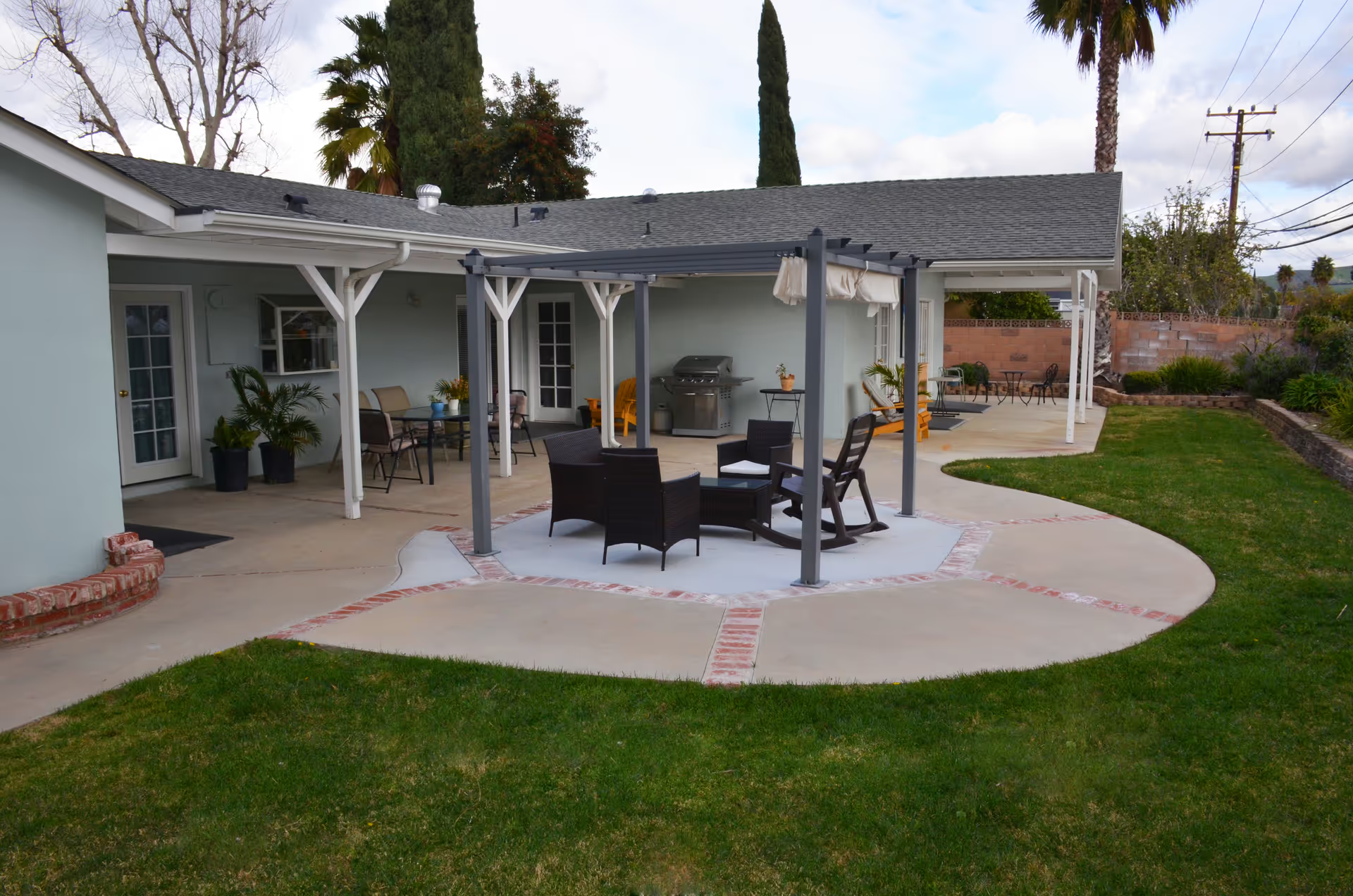
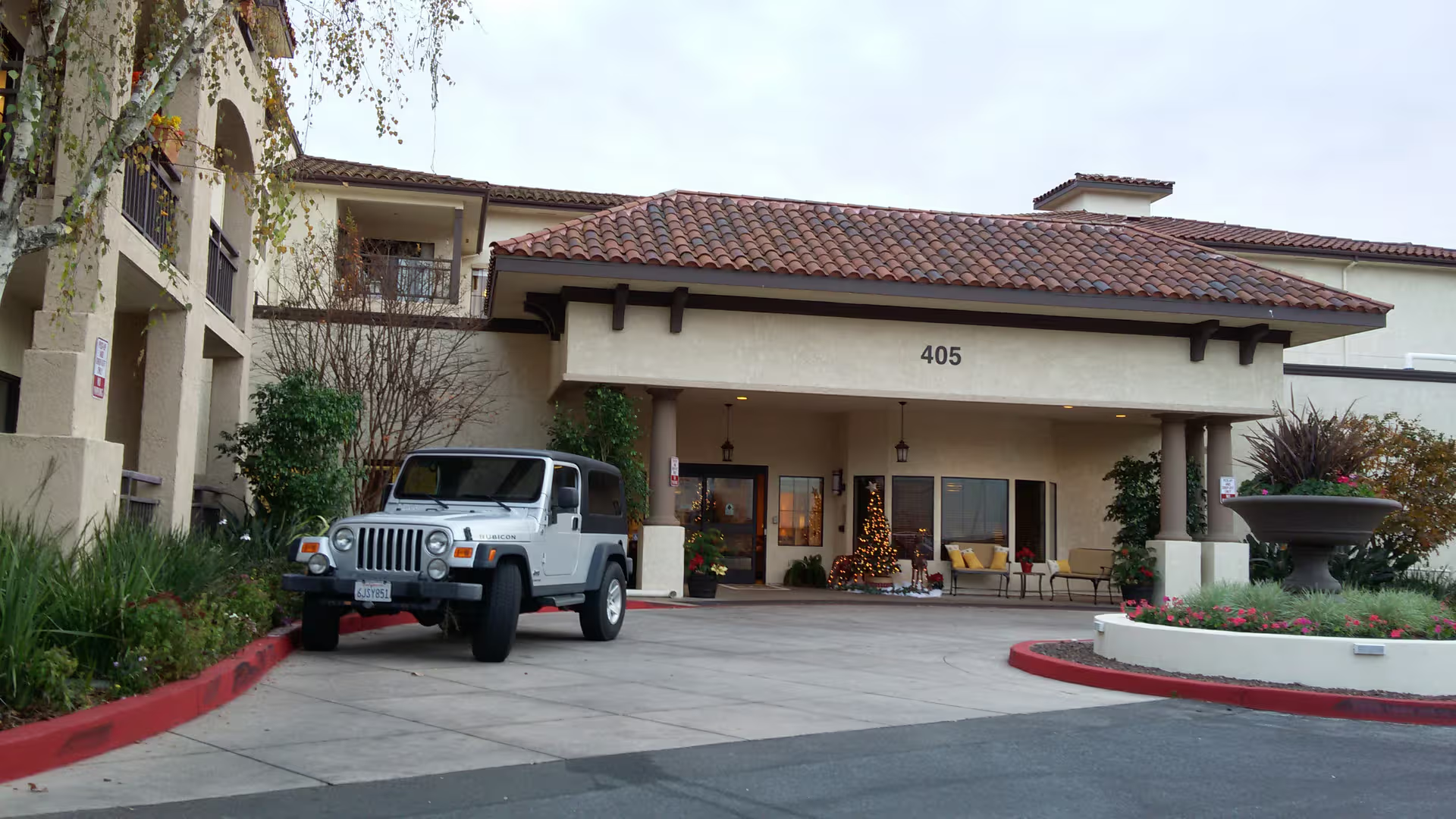
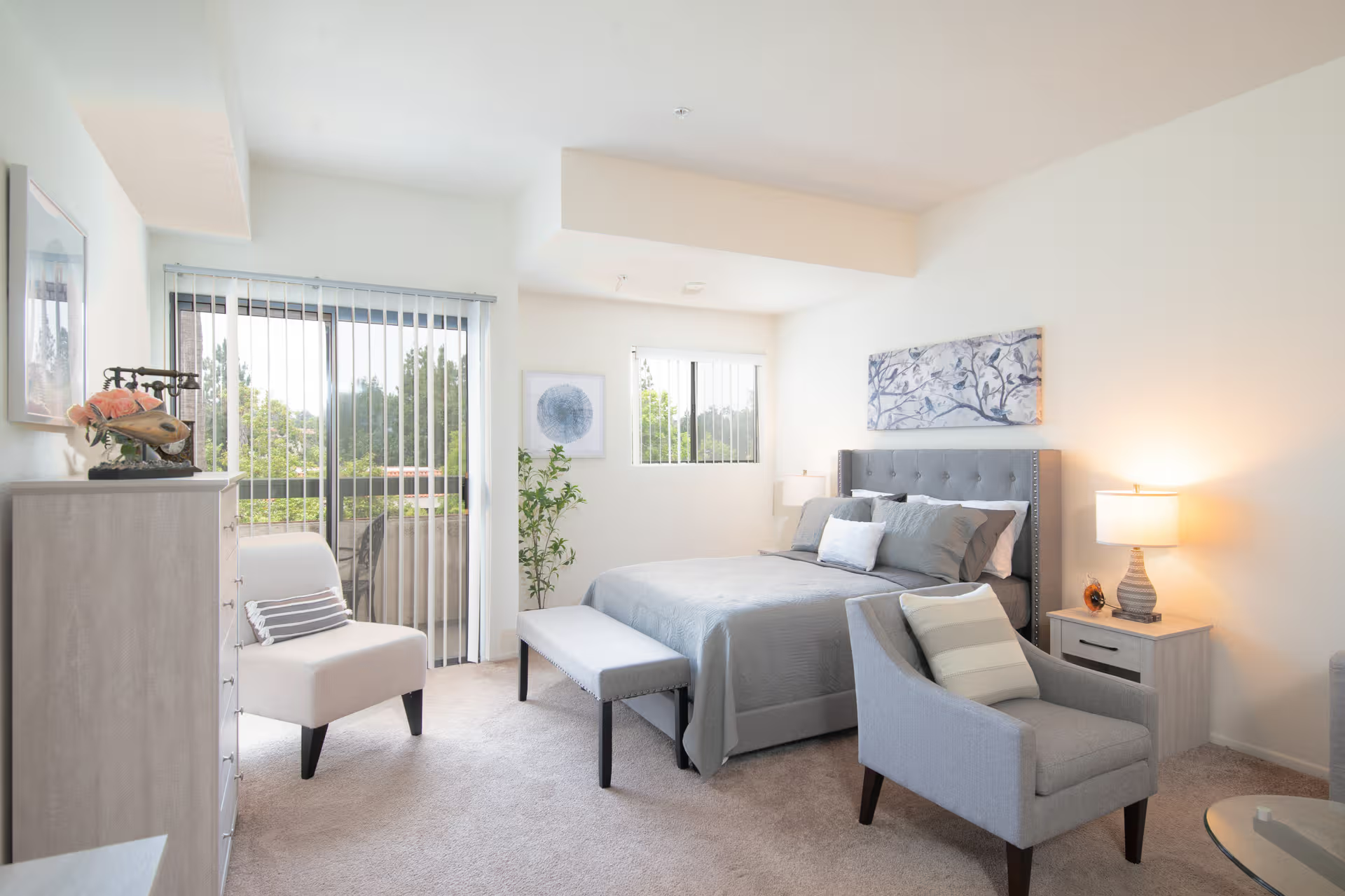
Facilities and amenities: The physical environment is described as clean, well-maintained, and thoughtfully designed for memory care with secure neighborhoods and peaceful outdoor courtyards. Amenities called out include private family rooms for visits, pet-friendly policies, and comfortable, spacious resident rooms. Safety features and a homelike design are emphasized as supporting both independence and supervision.
Management and operational patterns: The community is characterized by visible and responsive leadership, coordinated family support, and collaborative relationships with external providers. Many accounts point to consistent staffing and a cohesive team culture. Where reviewers supply more clinical detail, they reference 24/7 nursing, an on-site physician, and readiness to manage acute changes in condition.
Notable patterns and cautions: The community’s strong emphasis on memory care is a recurrent theme; this specialization appears to be a core strength but could limit fit for prospective residents seeking less intensive or non–memory-focused assisted living options. Several reviewers and tour accounts note limited upfront discussion of pricing during their interactions, suggesting prospective families should request detailed cost and contract information early in the inquiry process. Finally, while family testimony and anecdotal clinical improvements are prominent, there is limited publicly available, standardized outcome or staffing-ratio data cited in the reviews; families seeking quantitative metrics (turnover, staffing ratios, inspection history) may need to request those directly from the facility.
Bottom line: Silverado Thousand Oaks presents as a well-regarded, memory-care–specialized community with strong clinical coverage, a robust activity program, attentive staff, and family-oriented practices. Prospective residents and families should consider its memory-care emphasis when assessing fit and should ask explicitly about costs and objective staffing/quality metrics during the tour and admissions process.