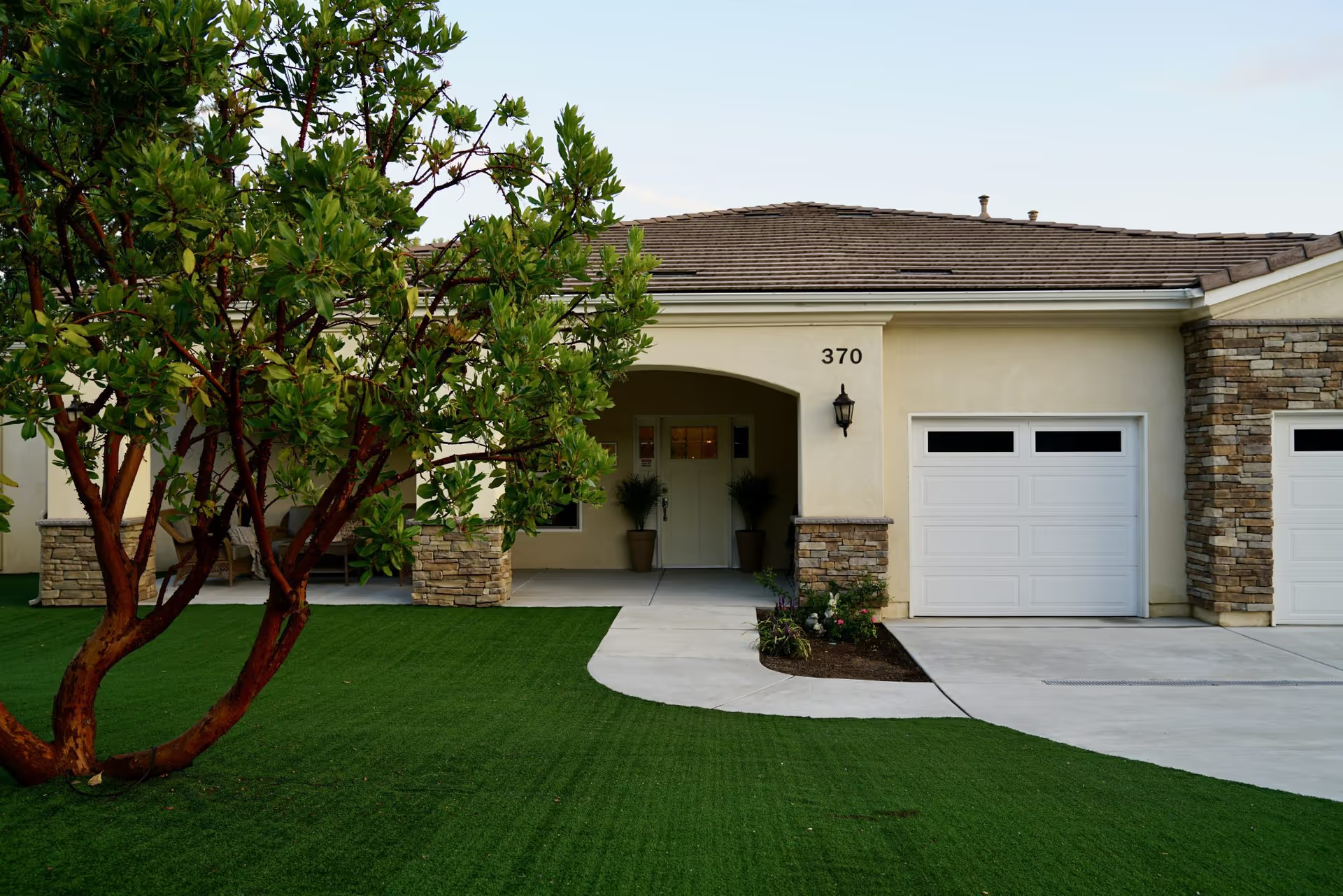
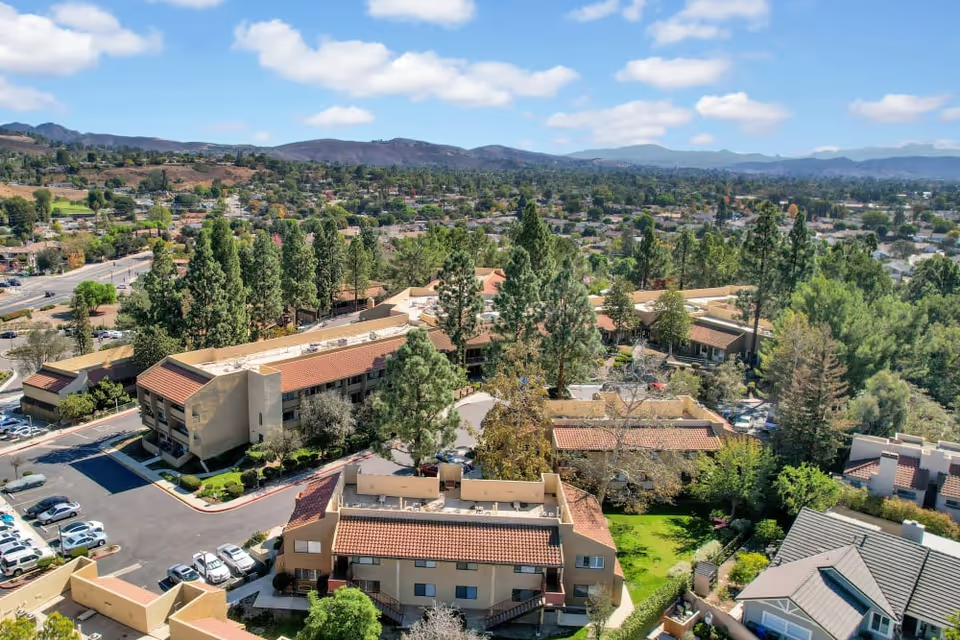
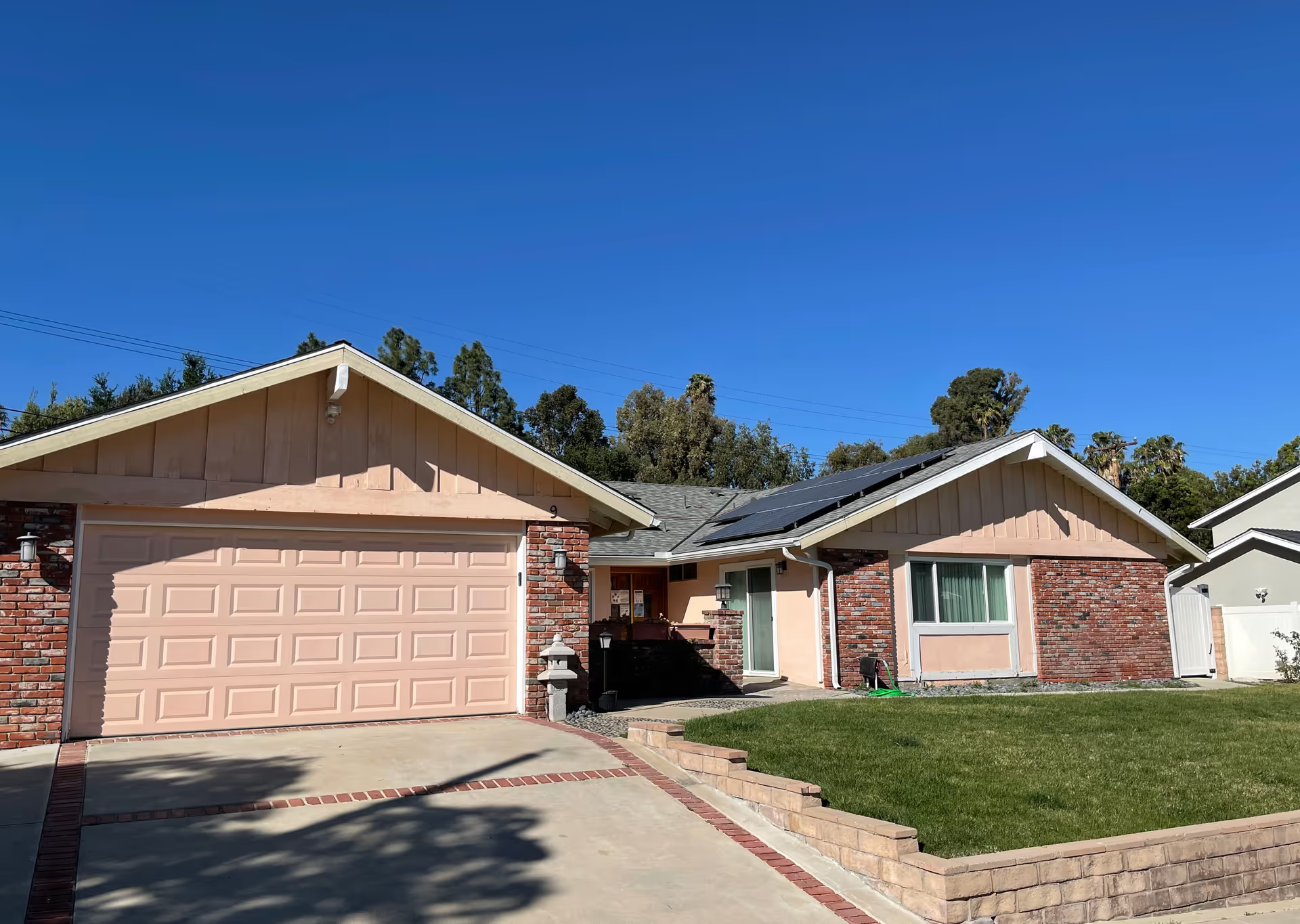
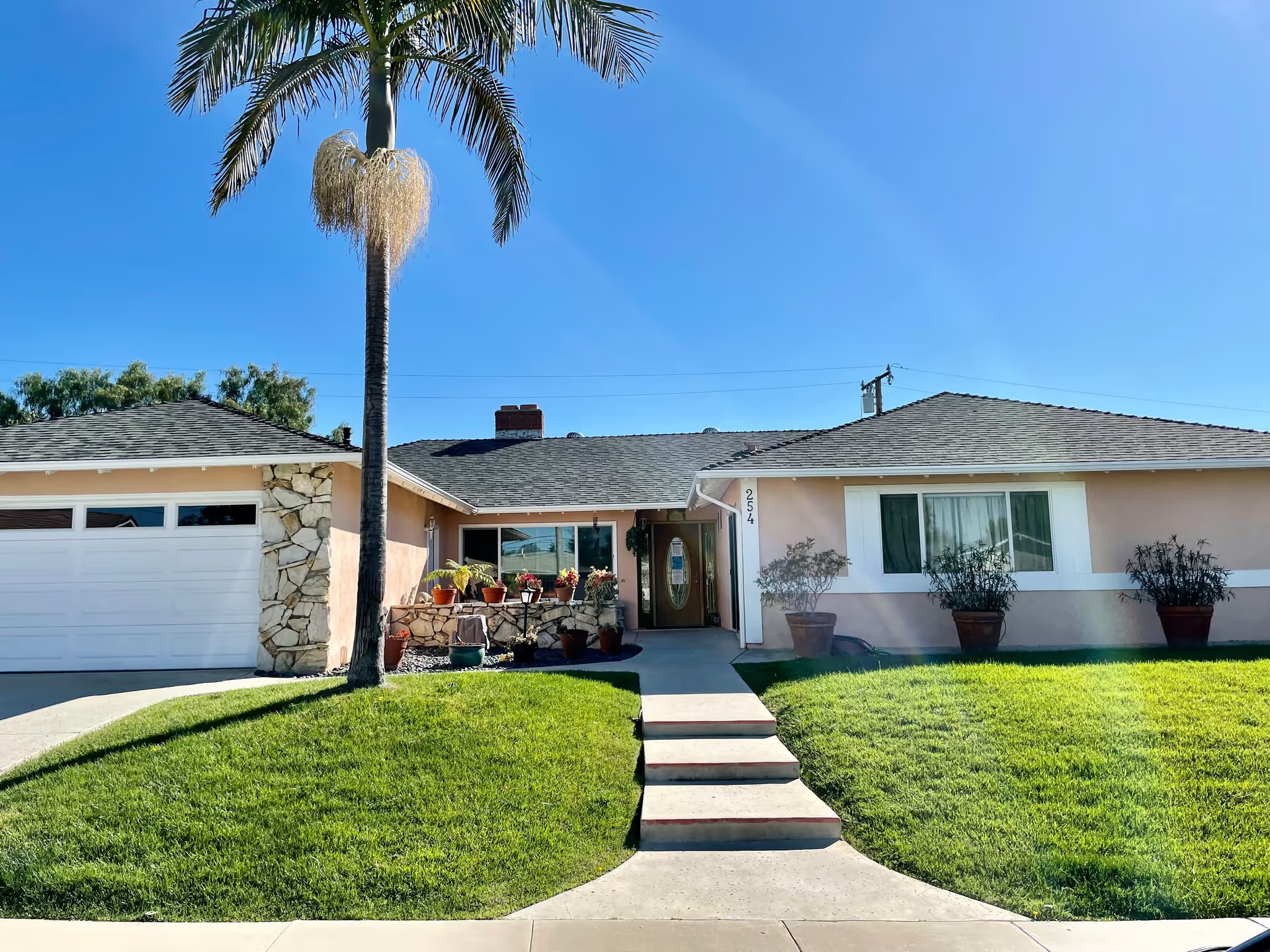
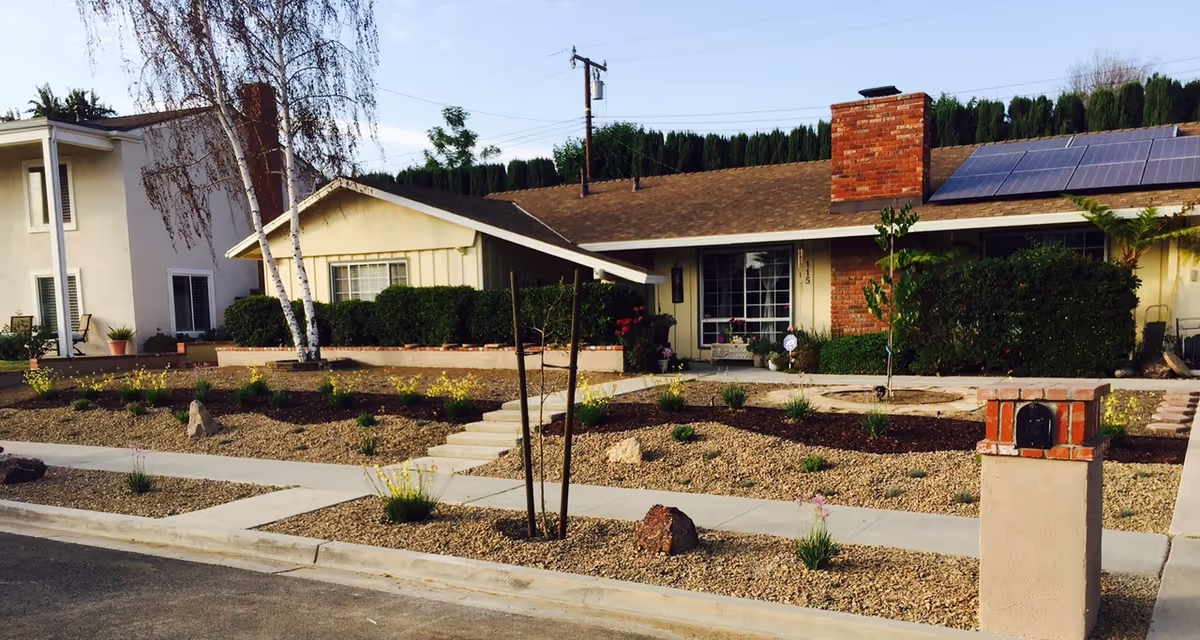
Thousand Oaks Post Acute presents a mixture of consistent strengths and recurring operational concerns. Positively, many families and residents describe attentive, compassionate nursing and CNA care, and repeatedly praise the facility’s physical and occupational therapy programs for producing measurable rehabilitation progress. Admissions, front-desk staff, maintenance, and culinary teams are also frequently singled out for being helpful and responsive. The facility’s courtyard, covered patio and walking areas are commonly noted as pleasant, usable outdoor spaces that support mobility and socialization.
Clinical care perceptions are mixed. When staffing and communication are functioning well, reviewers report dignity-focused care, rapid problem resolution, and strong family engagement. However, there are repeated notes of delayed responsiveness to call signals and workflow bottlenecks that can leave residents waiting for assistance. Several reviewers raised concerns about clinical quality-control in areas such as fall prevention and bedside attention; a few families described development of pressure-related skin issues and transfers that led to hospital evaluation. Medication-administration controls and the timeliness of clinical communication to families also appear variable across stays.
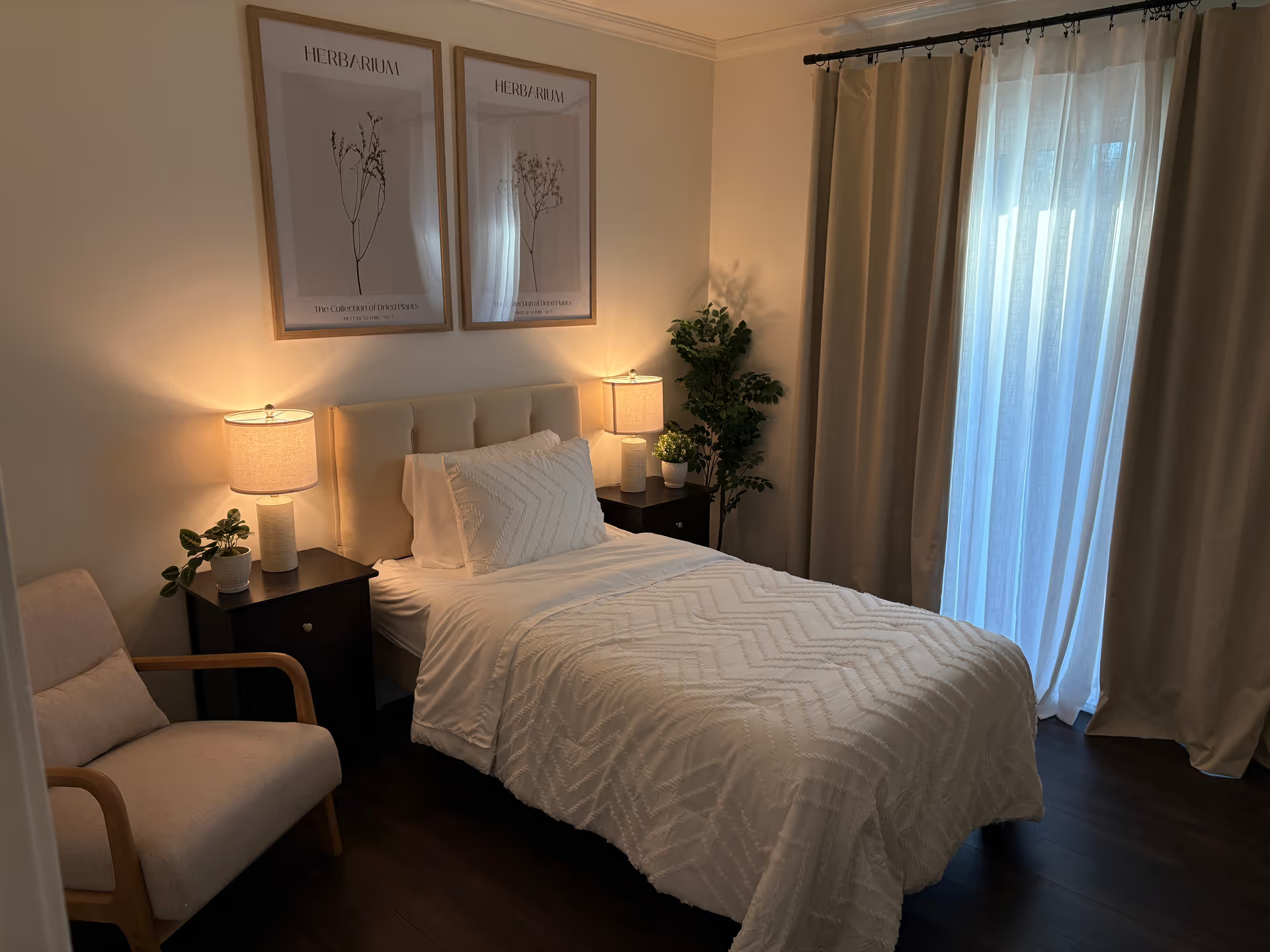
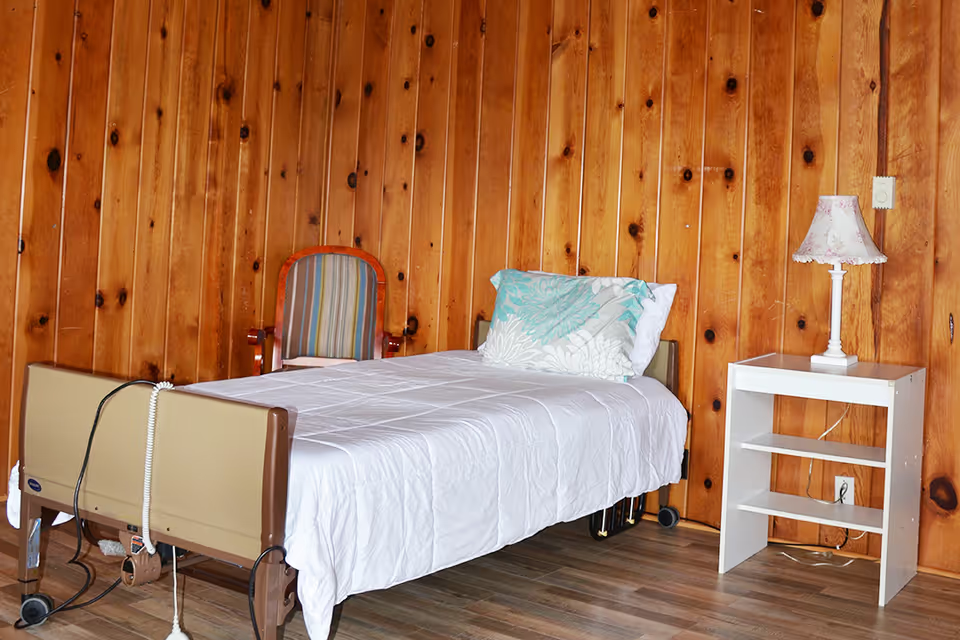
Dining and activities are generally described positively: the dietary team is credited with accommodating preferences and offering fresh, balanced options, and the activities department provides regular events and outings. That said, meal quality is not uniformly praised and some stays were described as delivering substandard dining experiences. The facility environment is often characterized as clean and well maintained, with a number of comments about odor-free common areas; contrasting comments raise sanitation and odor concerns in certain units, suggesting inconsistency in housekeeping or infection-control execution.
Operationally, the most prominent patterns are inconsistent responsiveness, occasional gaps in property security and tracking, and communication breakdowns between staff and families. Reports of missing personal items and difficulties delivering messages point to weaknesses in property management and internal communications rather than a consistent staffing culture. Parking and accessibility near the entrance have been described as limited during busy periods. Prospective residents and families should weigh the facility’s strong rehabilitation services, visible caregiving staff, and pleasant outdoor spaces against these operational variability points. For short-term rehab needs and active therapy programs the facility has many positive attributes; for residents requiring continuous in-room assistance or stringent property-security assurances, families may wish to discuss specific protocols with management before admission.