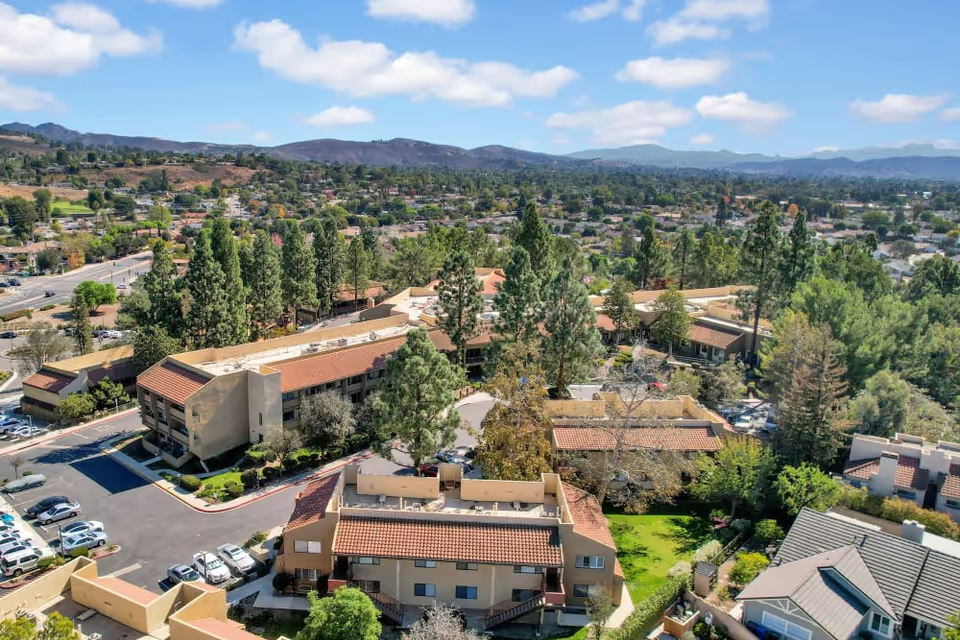
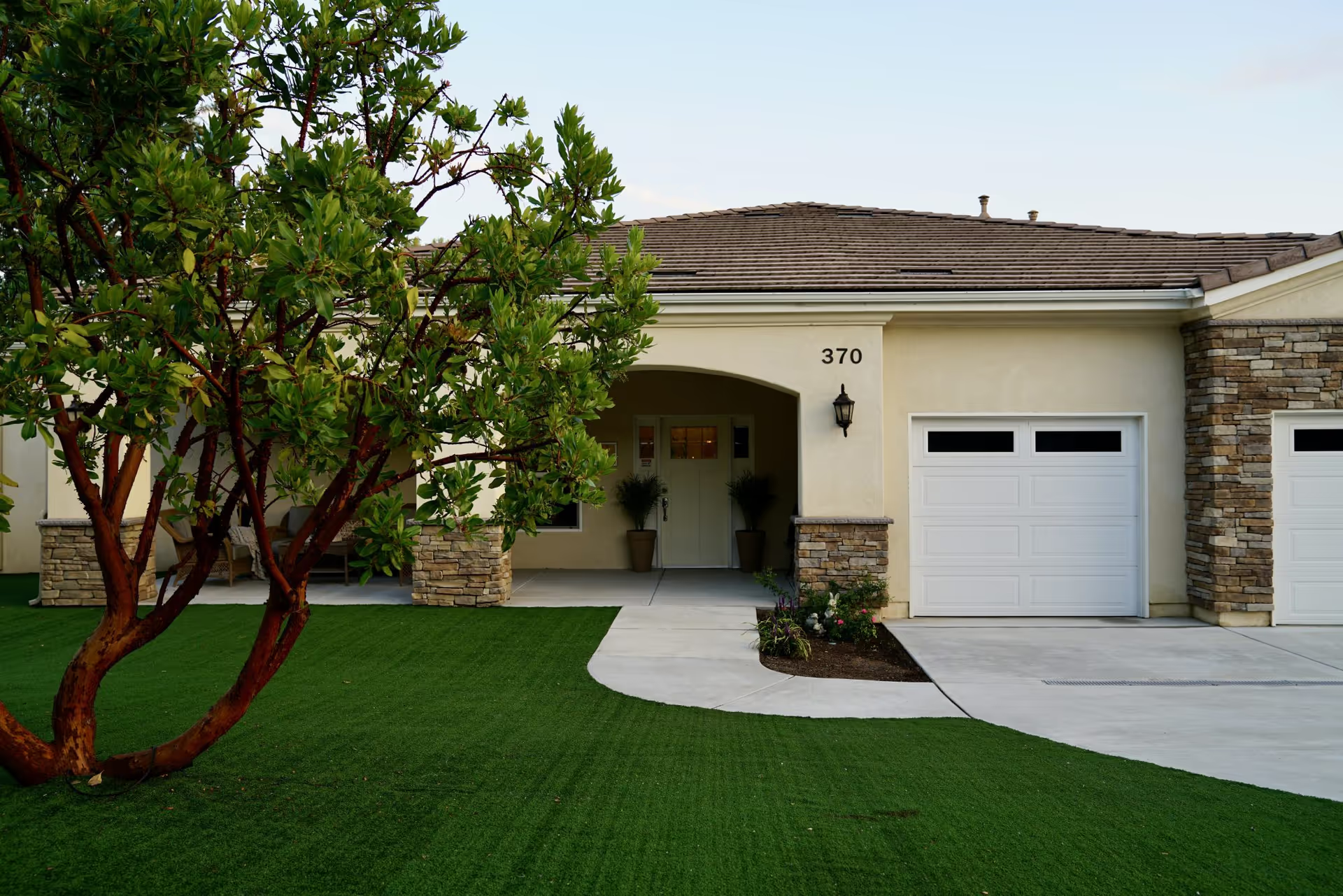
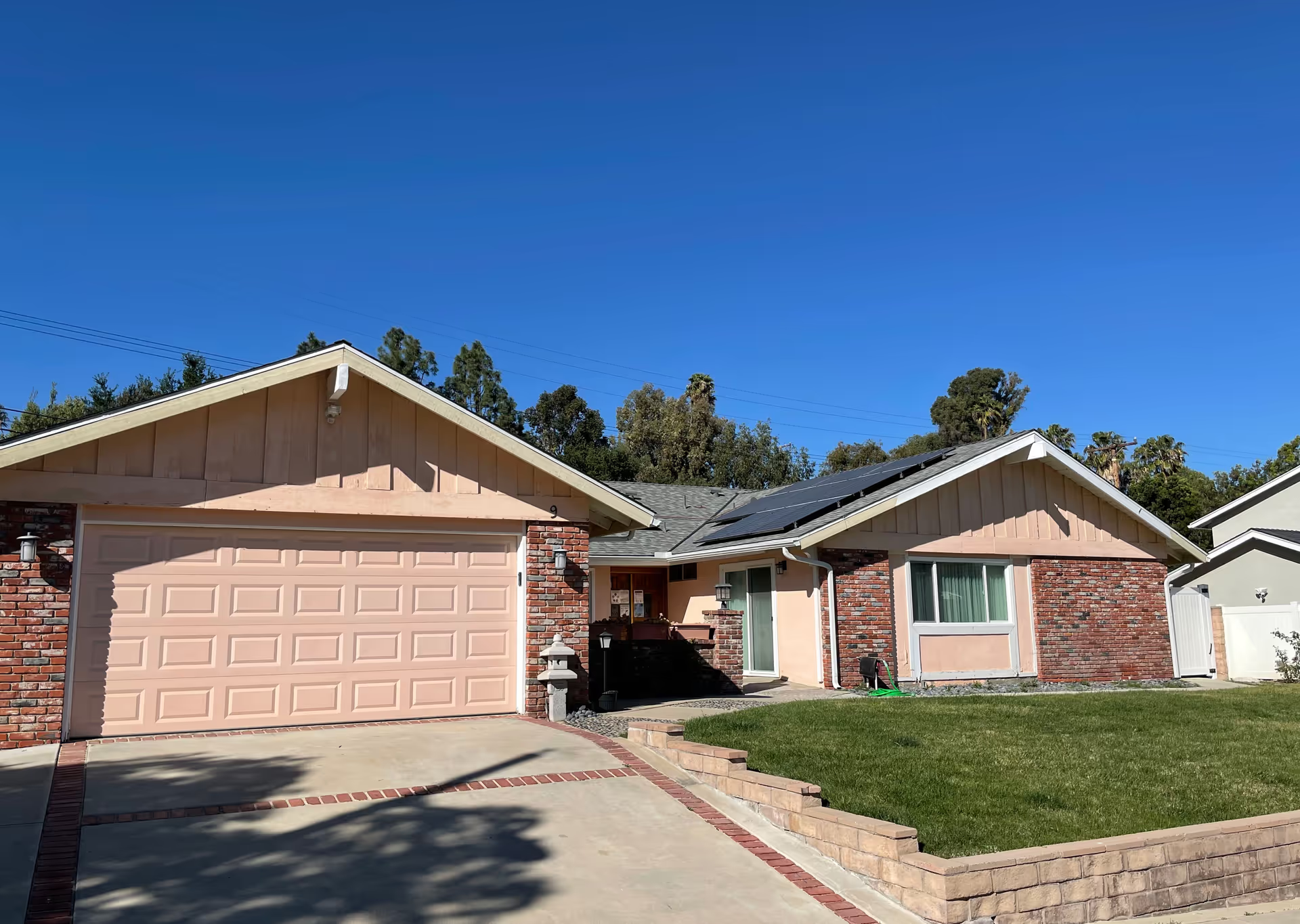
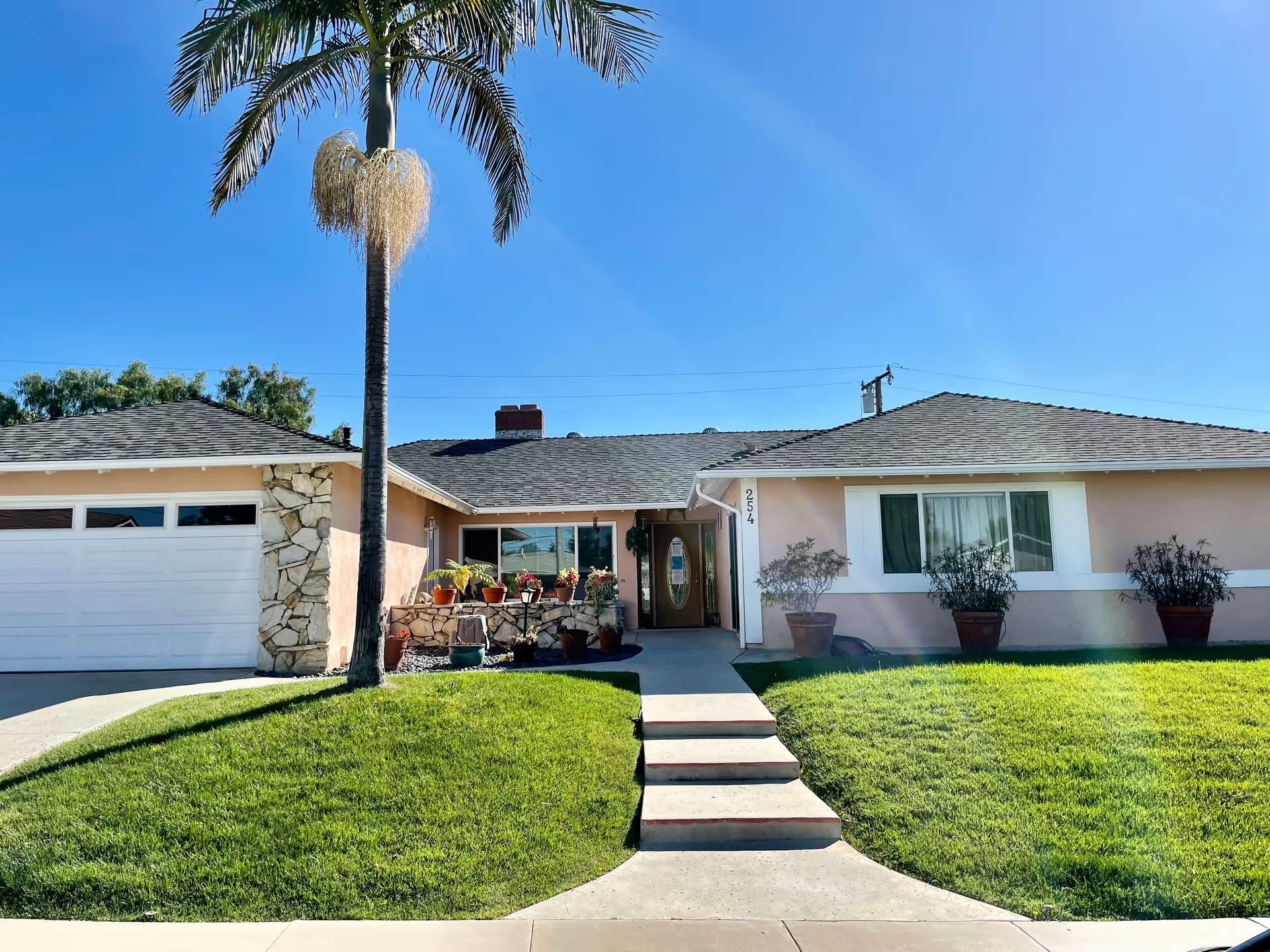
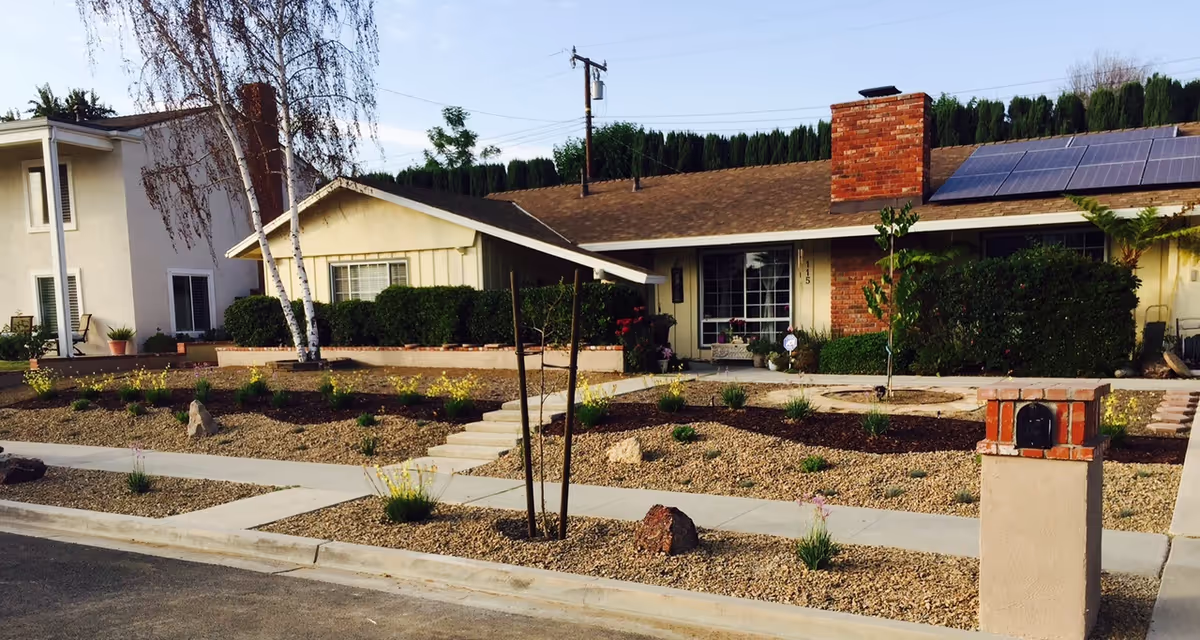
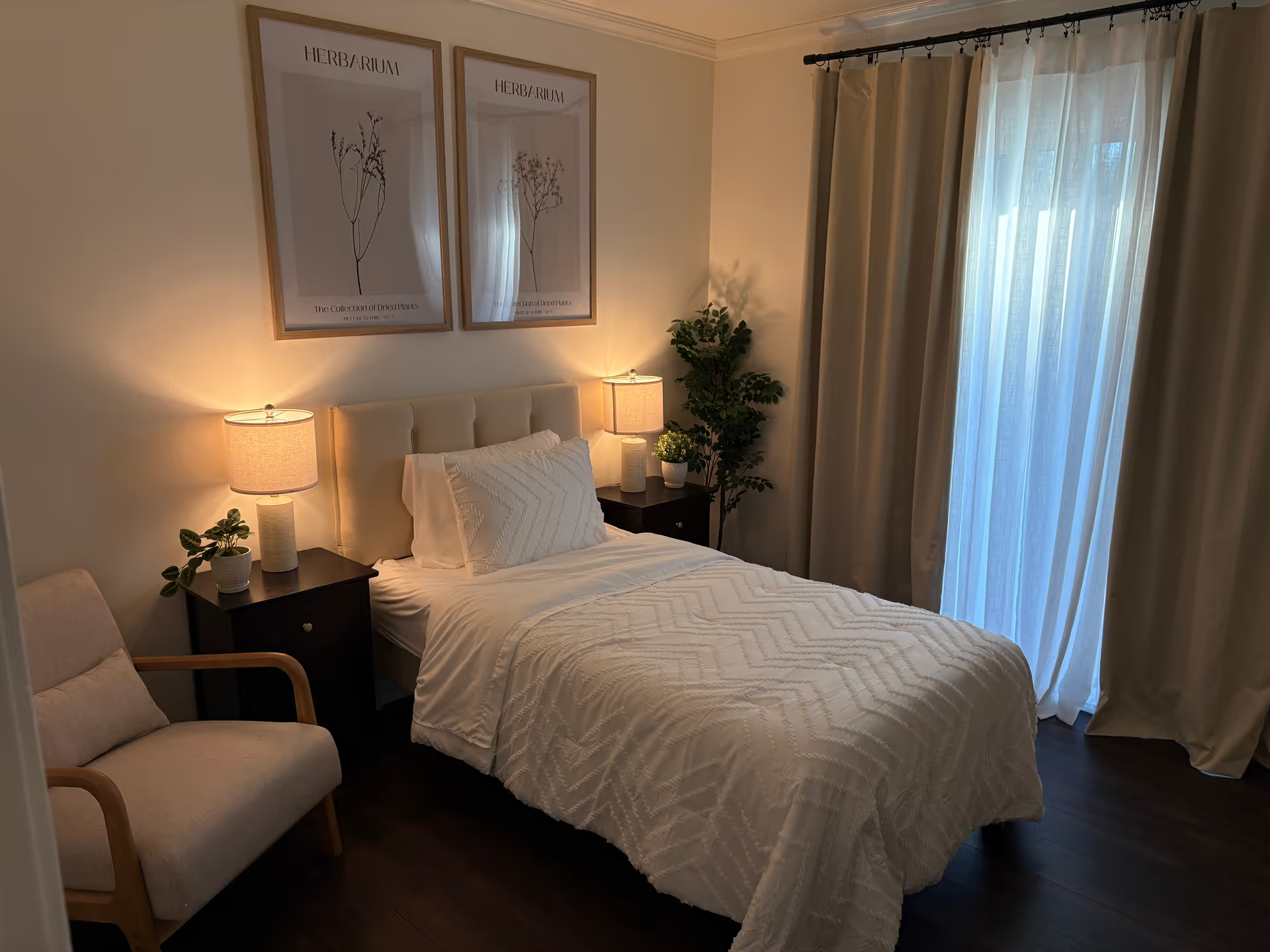
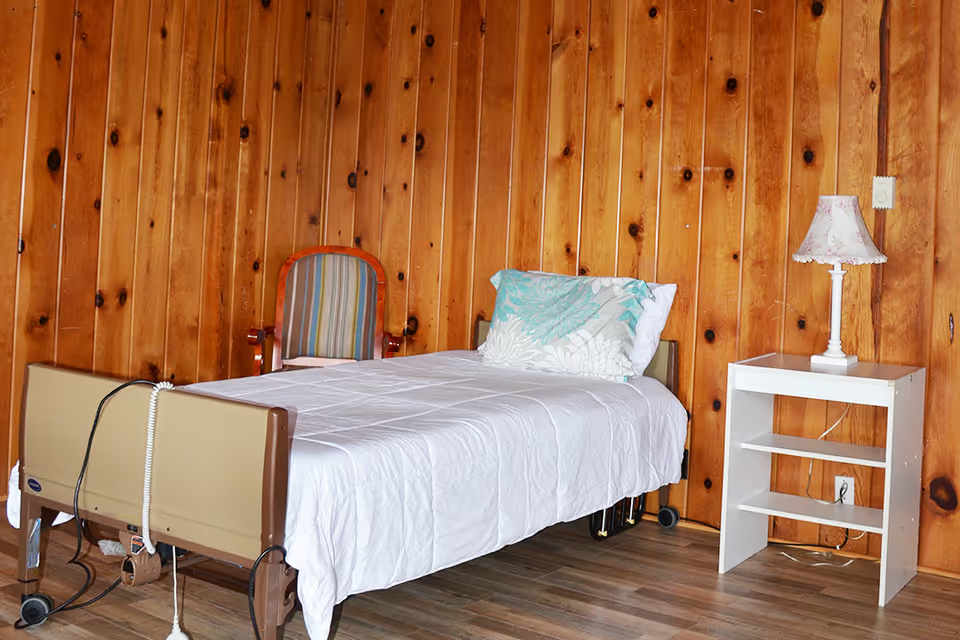
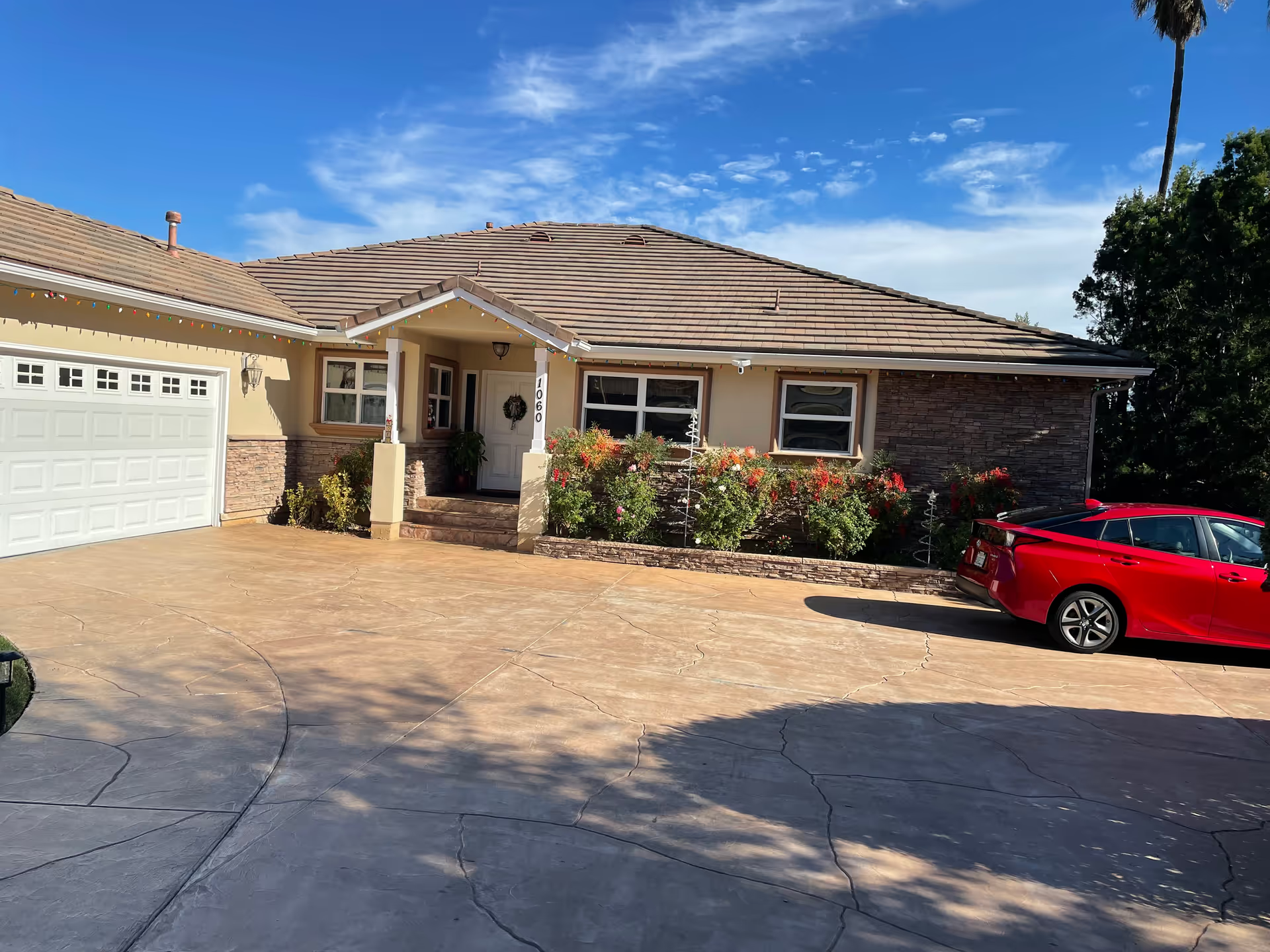
University Village Thousand Oaks presents as an upscale, resort-like senior living campus with extensive amenities and an active social calendar. Reviewers consistently describe a meticulously maintained property with manicured grounds, multiple recreational options (pool, gym, putting greens, tennis, dog park), and a variety of on-site services such as salons, libraries, and restaurants. The physical environment and landscaping are frequently cited as strengths that contribute to a hotel-style atmosphere and a comfortable, visually appealing setting for residents and visitors.
Care quality and staff performance are central positives in the feedback. Many accounts highlight compassionate, personable staff, around-the-clock caregiver availability, and attentive nursing and therapy teams; physical therapy and on-campus rehabilitation are specifically praised. Families also note effective emergency response and transportation support for medical appointments. The leadership and tour teams are often described as professional and helpful, and the community offers move-in supports such as pre-deposit stays that ease transitions.
Dining and programming are prominent features. Dining is commonly characterized as restaurant-style with healthy options and polished presentation, and the campus operates a rich activity program — movie nights, dances, painting classes, wine tastings, excursions, and regular social events — that fosters a highly social environment. These offerings, together with frequent communal meals and entertainment, support an engaging lifestyle for independent and assisted residents alike.
Notable operational patterns include the community’s premium positioning and resulting affordability constraints. University Village is described as expensive with significant entrance fees and ongoing costs; waitlists and limited unit availability are recurrent themes. Several reviewers described a sales experience that emphasized higher-cost accommodations, and some found admissions and buy-in terms to be complex. Clinical and safety concerns appear in a smaller portion of feedback: there are mentions of variability in dementia-care oversight and outcomes, and a few serious individual allegations about restraint use and staff conduct that families found concerning. While such claims do not represent the dominant narrative, they indicate potential gaps in oversight and communication for higher-acuity residents that prospective families should investigate further.
In summary, the facility’s strengths are its well-maintained resort-like campus, broad amenities, active social programming, and generally attentive caregiving and therapy services. Trade-offs include premium cost, constrained availability, a sometimes aggressive sales/admissions dynamic, and isolated—but important—questions about dementia-care oversight and staff conduct. Prospective residents and families looking at University Village would likely find it attractive for lifestyle and amenities, but should seek clear, written explanations of financial terms, admission requirements, and policies for memory-care oversight and incident reporting before committing.