Overall impression: Reviewers consistently praise the facility's interpersonal strengths and physical environment while also identifying several operational weaknesses to investigate further. Positive themes include a compassionate and professional caregiving staff, individualized attention, dementia-capable expertise, clean and bright living spaces, timely medication administration in many cases, and a home-like atmosphere with celebratory social events. These strengths contribute to feelings of comfort and dignity for many residents and families.
Care quality and clinical oversight: Families describe attentive, personalized care and examples of strong medication administration and supervisory involvement. However, there are notable concerns about clinical oversight in specific situations: medication adjustments that coincided with new tremors and reduced mobility for a resident, periods of limited mobility, and inconsistent continence-management practices. These items point to variability in clinical decision-making and follow-up rather than a uniform standard of care. Prospective families should ask about the facility's processes for physician and pharmacy review, medication-change monitoring, interdisciplinary care conferences, and continence-care protocols.
Staff, communication, and management: Staff are widely characterized as compassionate, professional, and dedicated, and some reviewers highlight strong front-line supervision. At the same time, staffing continuity appears uneven: changes in assigned caregivers around admission, differing observations between weekday and weekend staff, and instances of personal-care actions (for example, haircuts or incident findings) occurring without family notification indicate gaps in consistency and communication. Management-level items include disruption from ongoing renovations and contract terms that include a mandatory arbitration clause. Families may wish to clarify caregiver assignment practices, weekend staffing levels, incident-notification policies, and contract dispute-resolution terms before admission.
Activities and social programming: Positive social programming is present—reviewers note celebrations for birthdays and holidays and a generally welcoming atmosphere. Conversely, several comments describe limited day-to-day activities and restricted outdoor access with many residents spending most of their time indoors. This suggests variability in activity intensity and opportunities for outdoor engagement; potential residents should request an activity calendar and ask about transportation and scheduled outdoor time.
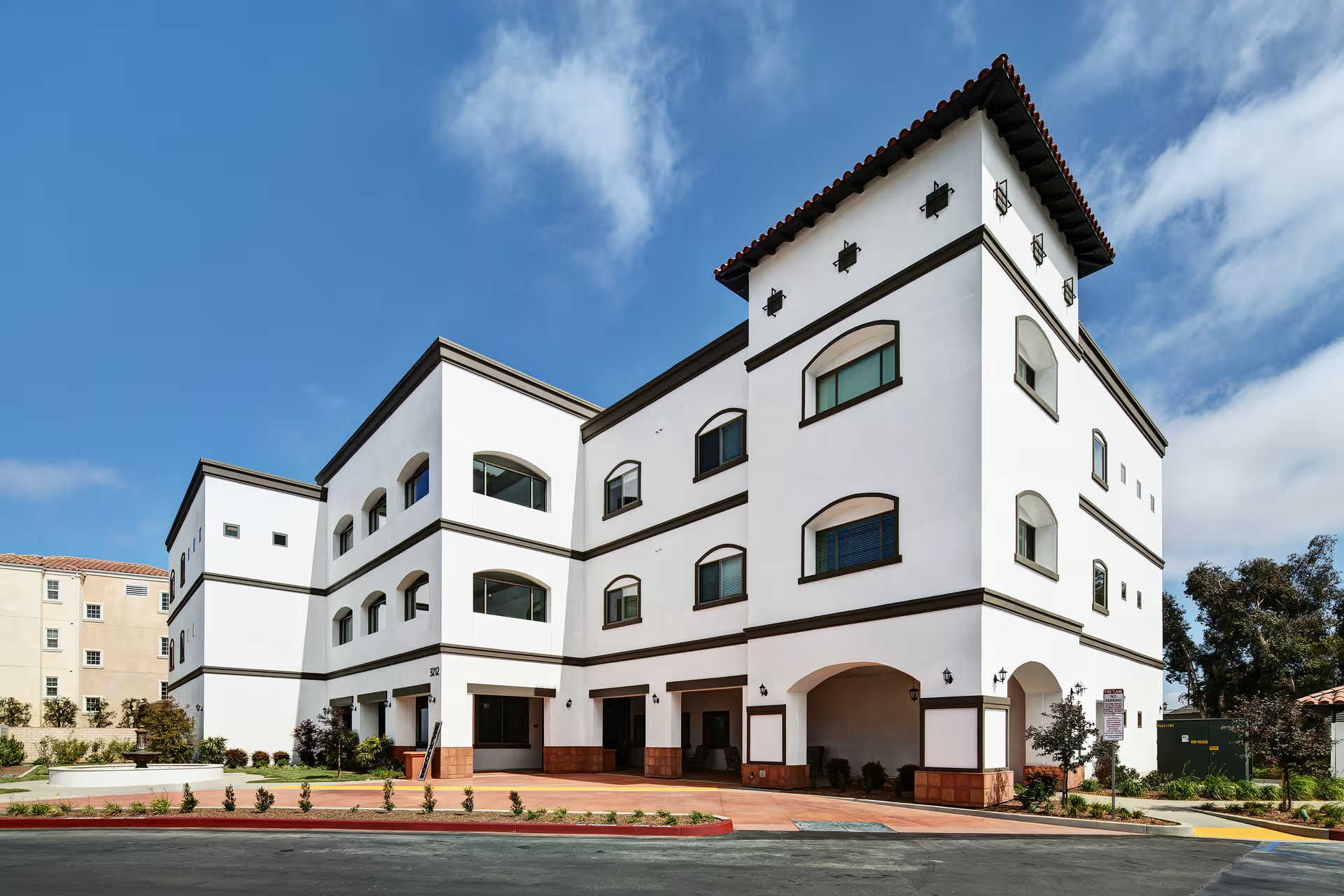
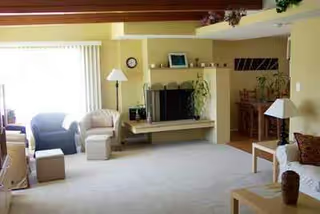
Facilities and environment: The physical environment is a clear strength: the building is described as clean, bright, and well maintained, with comfortable, light-filled private rooms and up-to-date technology supporting care. Renovation work is underway, which may cause intermittent disruption; inquire about the renovation timeline and mitigation measures for resident comfort and safety.
Notable patterns and recommendations: The review set presents a mix of strong person-centered caregiving and operational inconsistencies. Before making a placement decision, families should verify staffing continuity plans, medication-review and monitoring procedures, protocols for continence and other personal-care tasks, routine incident- and family-notification practices, policies for honoring advance-care directives and feeding-consent processes, the activity schedule (including outdoor access), and contractual dispute-resolution terms. Asking for recent survey results, examples of interdisciplinary care plans, and a meeting with the current nursing lead or house manager can help assess whether the facility's practice patterns align with a prospective resident's clinical and personal needs.