Overall impression The Vermont Health Care Center elicits a broadly mixed-to-positive picture. Many families and residents praise the facility for its compassionate direct care, strong rehabilitation services, and a clean, well‑organized environment. At the same time, there are recurring operational concerns—chiefly around staffing consistency, medication and pain‑management timeliness, and certain communication gaps—that prospective residents and families should consider alongside the facility’s strengths.
Care and staff Clinical care and frontline staff receive frequent positive mention: nurses, CNAs, night staff and therapists are commonly described as kind, attentive and skillful. Physical and occupational therapy are repeatedly highlighted as effective in helping residents regain strength and function. The social work team is a clear strength in many accounts, characterized as proactive, compassionate and helpful during admissions and discharge planning. However, some reviewers describe variability in staff conduct and bedside responsiveness; this appears linked in part to shift staffing levels and to perceptions of changing staff experience after an ownership/staff turnover.
Dining and activities Dining receives largely favorable comments—many reviewers praise meal quality and the kitchen’s willingness to accommodate preferences—though a minority note inconsistent meal quality across different stays. Activity programming is present (singing groups, religious services, social interaction), and some residents find a warm, family‑like atmosphere. Still, several families expressed that activity offerings did not sufficiently engage every resident or match individual interests, indicating unevenness in programming or participation.
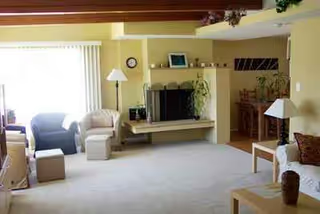
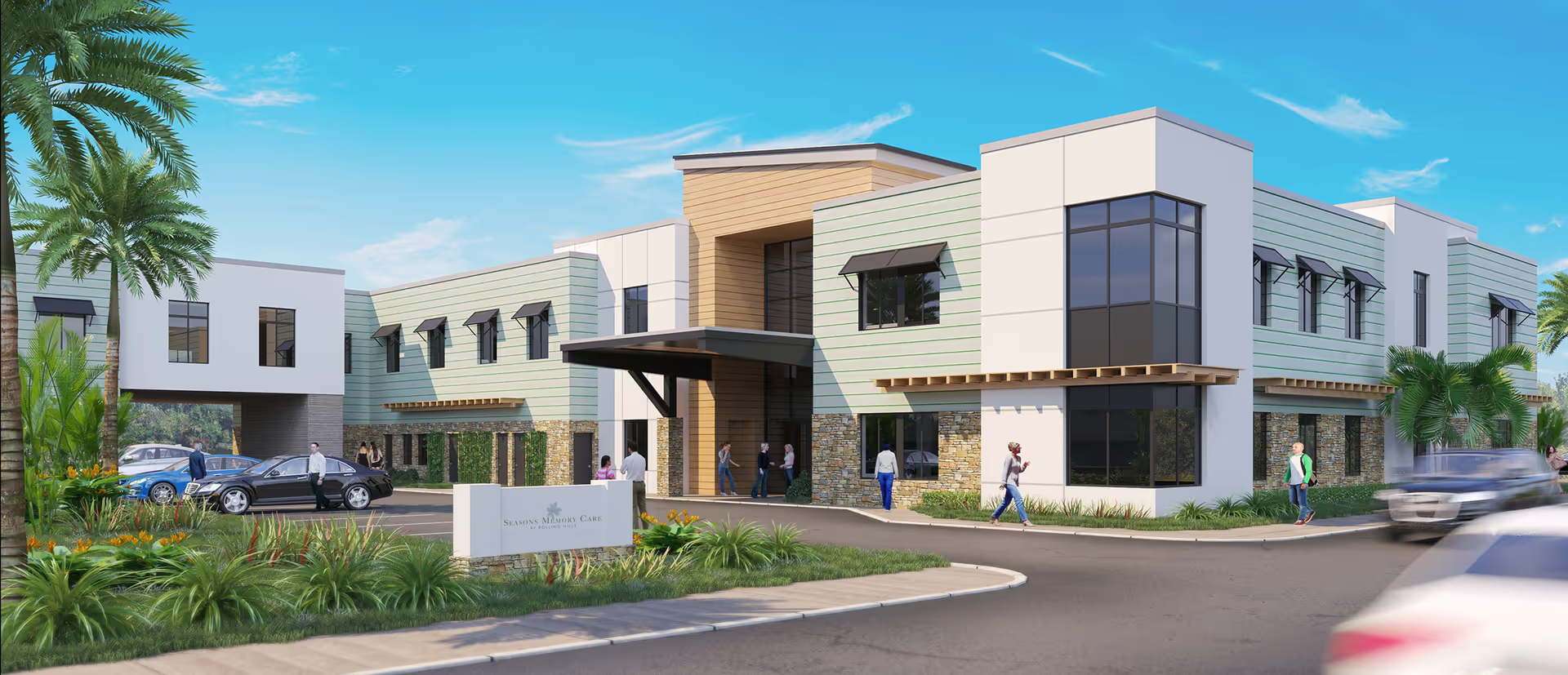
Facilities and cleanliness The physical plant is consistently described as clean, organized and easy to navigate. Many reviewers noted good upkeep, a pleasant environment, and effective maintenance. A small number of accounts raise sanitation or belongings‑handling concerns following adverse outcomes; these reports appear exceptional but are serious enough that families noted regulatory follow‑up in at least one instance.
Management, communication and transitions Communication is a mixed area: some families praise clear, direct communication during admissions and good ongoing updates, while others report unanswered phone calls, slow responses, and difficulty reaching clinicians. Transition logistics also show variability—examples include medication availability at admission and coordination between the sending hospital and facility. Several reviewers perceive a decline in consistency and quality following staffing or ownership changes, which suggests operational variability over time.
Notable patterns and considerations Strengths most consistently cited are compassionate direct care, effective rehabilitation, strong social‑work support, and a clean, well‑kept facility. The principal operational weaknesses are inconsistent staffing levels (affecting response times), uneven medication and pain‑management timeliness, variable physician availability, and communication gaps with families. Prospective residents and family members should weigh the facility’s solid rehabilitation and social‑work capabilities and its generally positive care culture against these operational inconsistencies. When evaluating the facility in person, advisable focal points include: staffing ratios and typical response times, medication‑management protocols, physician coverage, activity schedules tailored to the resident, and specific examples of how the facility handles admissions and transitions.