Reviews present a polarized picture: numerous families praise the facility's rehabilitation services, nursing presence, and warm caregiving staff, while other accounts raise serious operational concerns. Clinical strengths are most commonly cited in the post-acute and therapy domains — reviewers describe effective physical and occupational therapy, measurable functional gains (including improved ambulation), and a strong rehab team. Nursing and social services are often described as attentive, with examples of clear goal-setting, family involvement, and management or owner visibility that reassures relatives.
At the same time, a set of recurring operational issues appears across the feedback. Staffing inconsistencies and short staffing are frequently linked to delays in responding to call bells and assistance requests. Several reviewers describe problems with incontinence-care timeliness and overall sanitation practices; others describe initial lapses in wound or pressure‑injury management that were addressed after family advocacy. Concerns about medication management and variability in clinical documentation are also noted. There are reports raising serious questions about staff conduct, property control, and coordination with outside providers (for example, dialysis scheduling and timely family notification); there are even allegations of staff misconduct and theft and references to regulatory complaints in some cases.
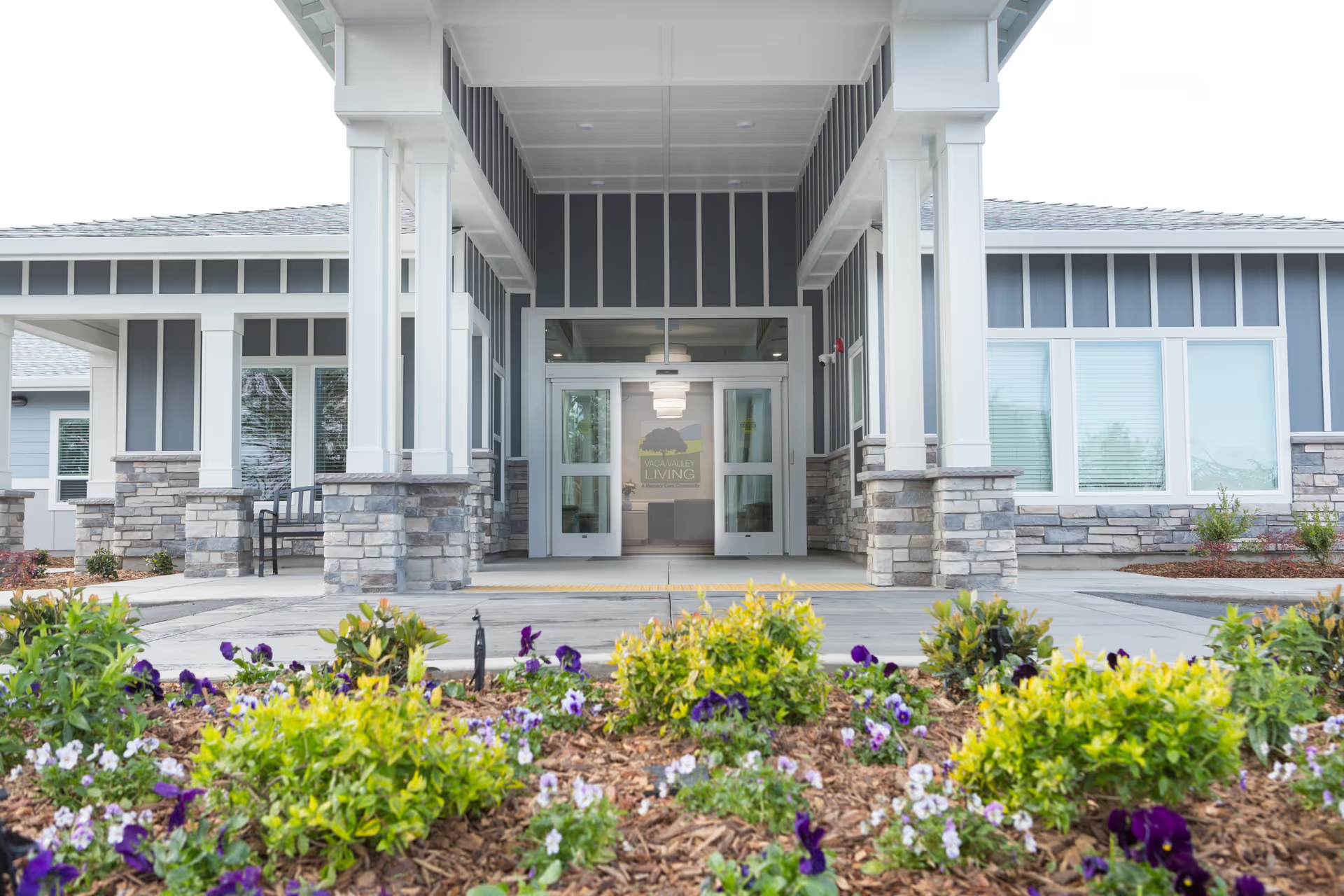
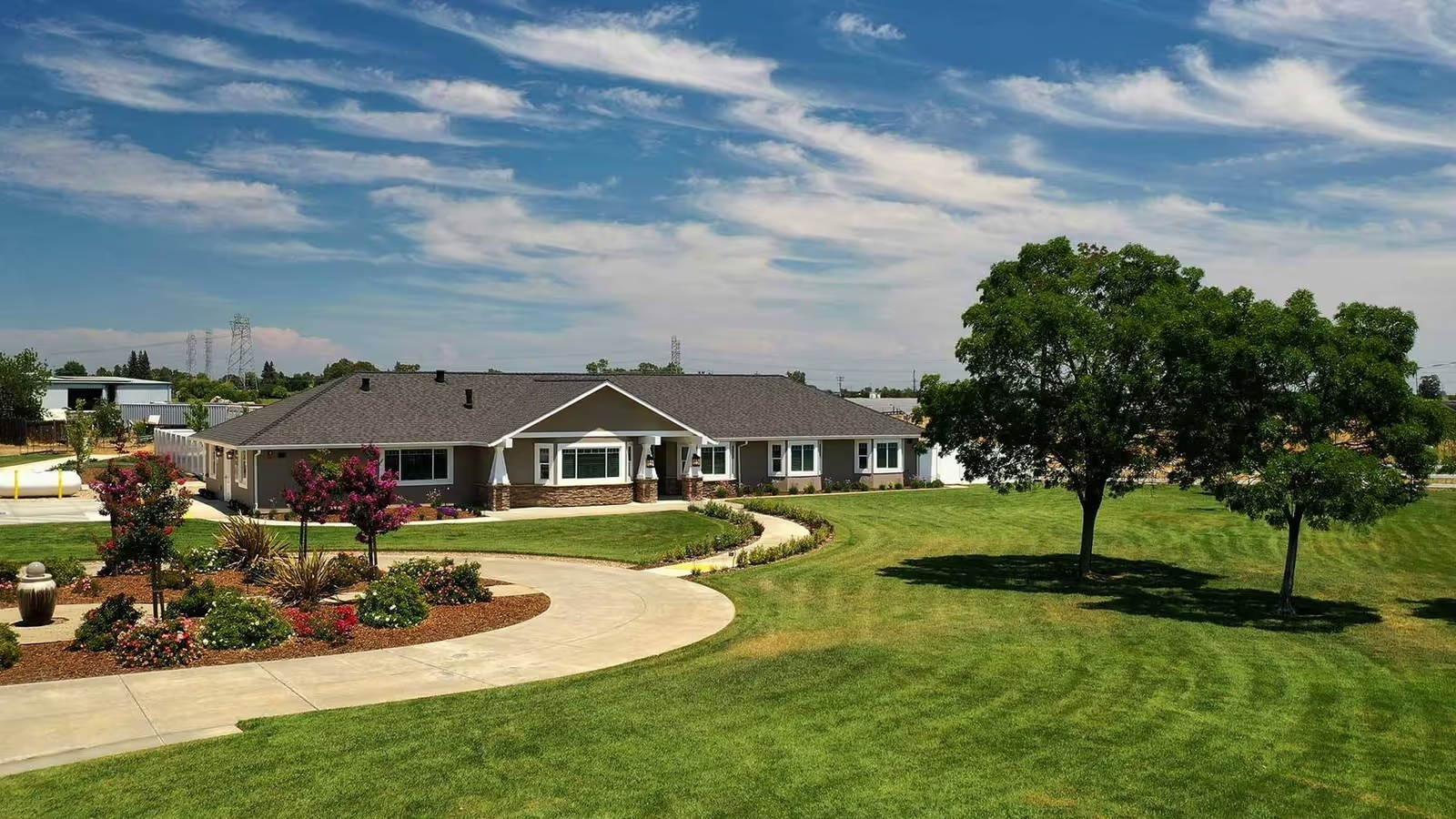
Dining and dietary oversight receive mixed assessments: some families praise the food and kitchen staff, while others call for stronger dietary management and describe inconsistent meal quality. The facility environment is a common positive — reviewers emphasize a bright, updated interior with large windows, an atrium, and recent exterior/interior renovations that make the building more welcoming than in prior years. Activities and entertainment are highlighted as morale-boosting features that contribute to an upbeat atmosphere.
Management and ownership emerge as an important contextual factor. Multiple accounts attribute improvements to an ownership transition (noted beginning in early 2023), with praise for accessible management, owner check-ins, and responsive adjustments. Conversely, other accounts describe continuing operational instability and uneven staff training under prior management. Because the reviews are divided between strong rehabilitation experiences and significant care-process concerns, prospective residents and families should prioritize specific operational questions during visits: current staffing ratios, call‑bell responsiveness and maintenance, wound-care protocols and documentation practices, medication-management procedures, coordination with external medical providers, property-security measures, and dietary oversight. A direct conversation with management about improvements implemented since the ownership change, along with a facility tour and reference checks, will help clarify whether the facility’s strengths align with a prospective resident’s clinical and safety needs.