Overall impression: Village Care appears to be a small, staff-focused residential option that families describe as delivering compassionate, personalized care. Reviewers consistently highlight staff qualities — honesty, emotional support, and hands-on involvement — and note that the facility is willing to engage with families in an authentic, non-sales-oriented manner. The size of the facility is a defining feature: it contributes to individualized attention and closer communication but also constrains on-site offerings.
Care and staff: The predominant pattern across comments is positive regard for caregiving staff. Families emphasize respectful interactions, emotional support during difficult transitions, and staff members who help navigate appointments and the broader medical system. Follow-up with families after a resident’s death was specifically noted as a thoughtful practice. These strengths suggest a staffing model oriented toward relationship-based care and family communication.
Dining: Dining is mentioned positively, with home-cooked meals cited as a strength. This implies a more homelike approach to food service rather than a large institutional kitchen model. Prospective families may want to confirm menu variety, special-diet accommodations, and meal schedules during a visit.
Activities and daily life: A notable pattern is uneven resident activity. Some reviewers perceived low daytime engagement, with residents spending significant time in their rooms; this may indicate limited scheduled programming or a resident population with higher acuity. Prospective residents should ask about typical daily schedules, available social and recreational programming, and how staff tailor engagement to differing ability levels.
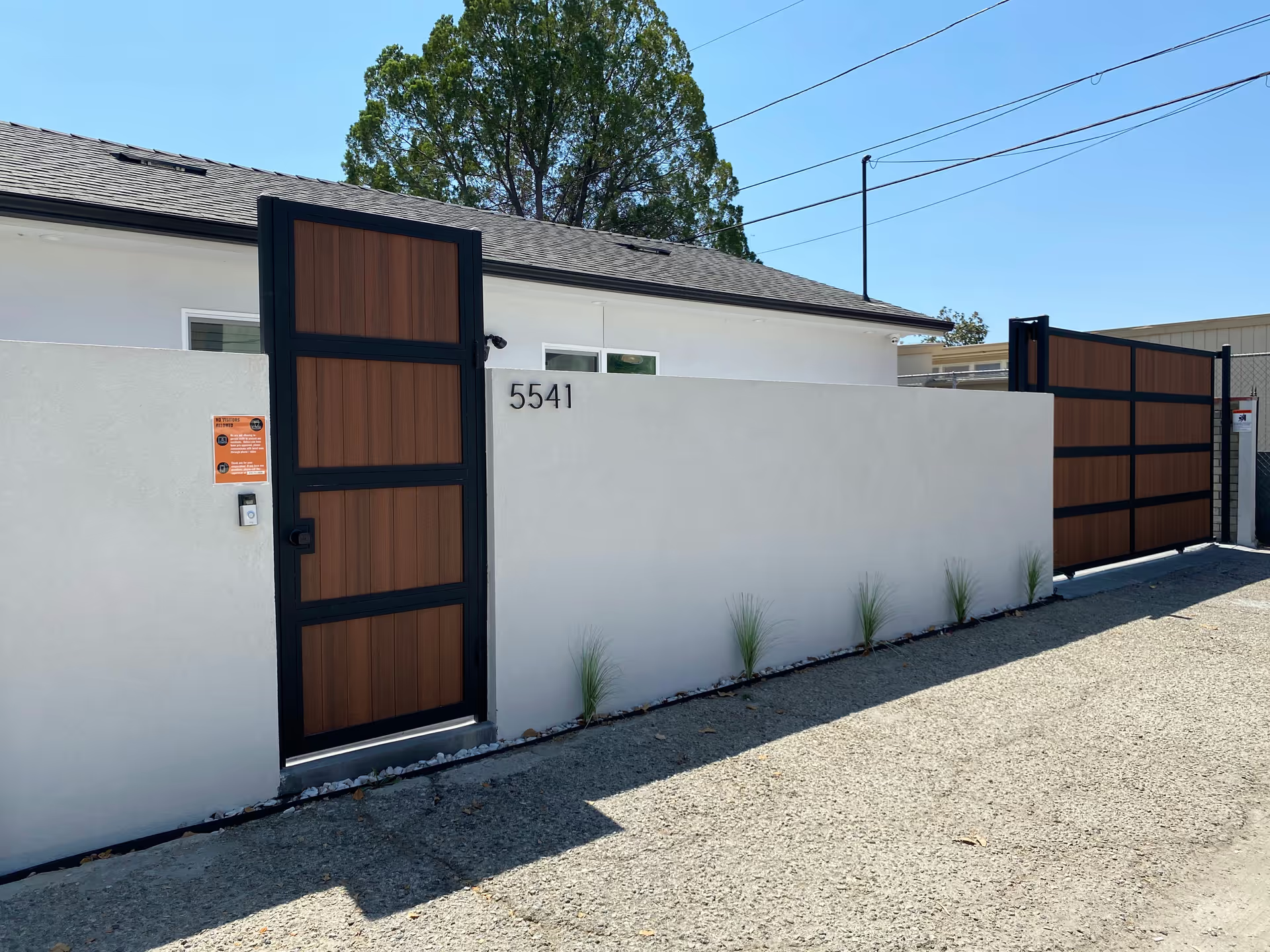
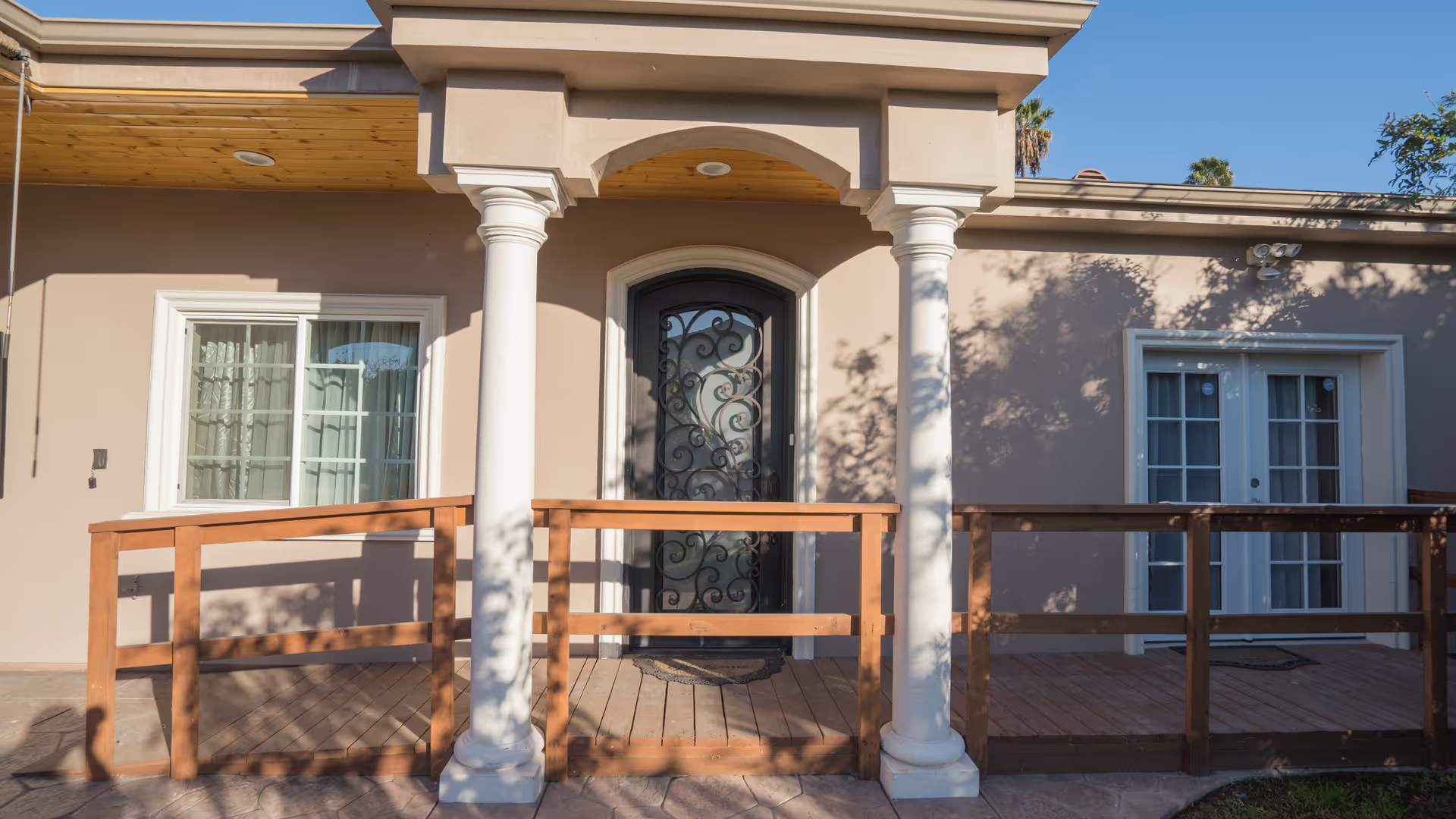
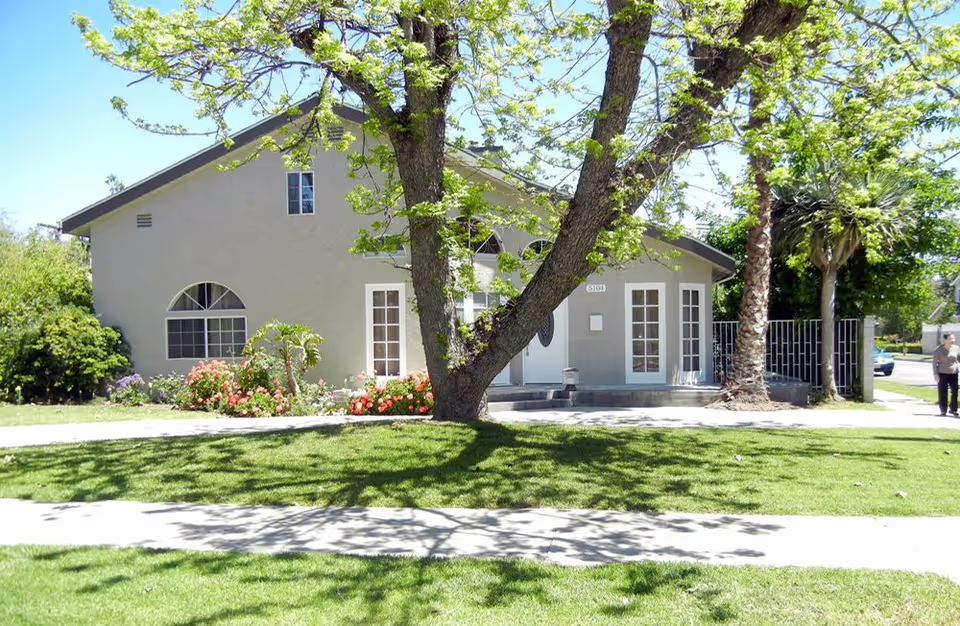
Facilities and maintenance: Cleanliness is reported as a positive, but there are mentions of worn furnishings and dated decor. The facility’s smaller footprint supports a home-like atmosphere but can limit communal spaces and amenities. Visitors should inspect common areas and resident rooms for current condition and inquire about planned maintenance or refresh cycles.
Management and costs: Management receives credit for transparent pricing and straightforward communication; some families considered the facility worth a modest premium for perceived better care and respect. At the same time, there are mixed perceptions about cost—several comments characterize it as relatively expensive. Clarifying fee structure, included services, and any additional charges is advisable when comparing options.
Notable patterns and decision points: Village Care’s strengths center on staff responsiveness, personalized attention, and a homelike dining and communication style. Trade-offs are primarily related to scale: smaller capacity can mean fewer on-site amenities and potentially less structured daytime activity, and interior maintenance may lag in places. For families prioritizing close staff relationships and transparent communication, Village Care may be a strong fit; families prioritizing robust activity programs, newer furnishings, or a wider range of on-site services should evaluate those areas during a tour.