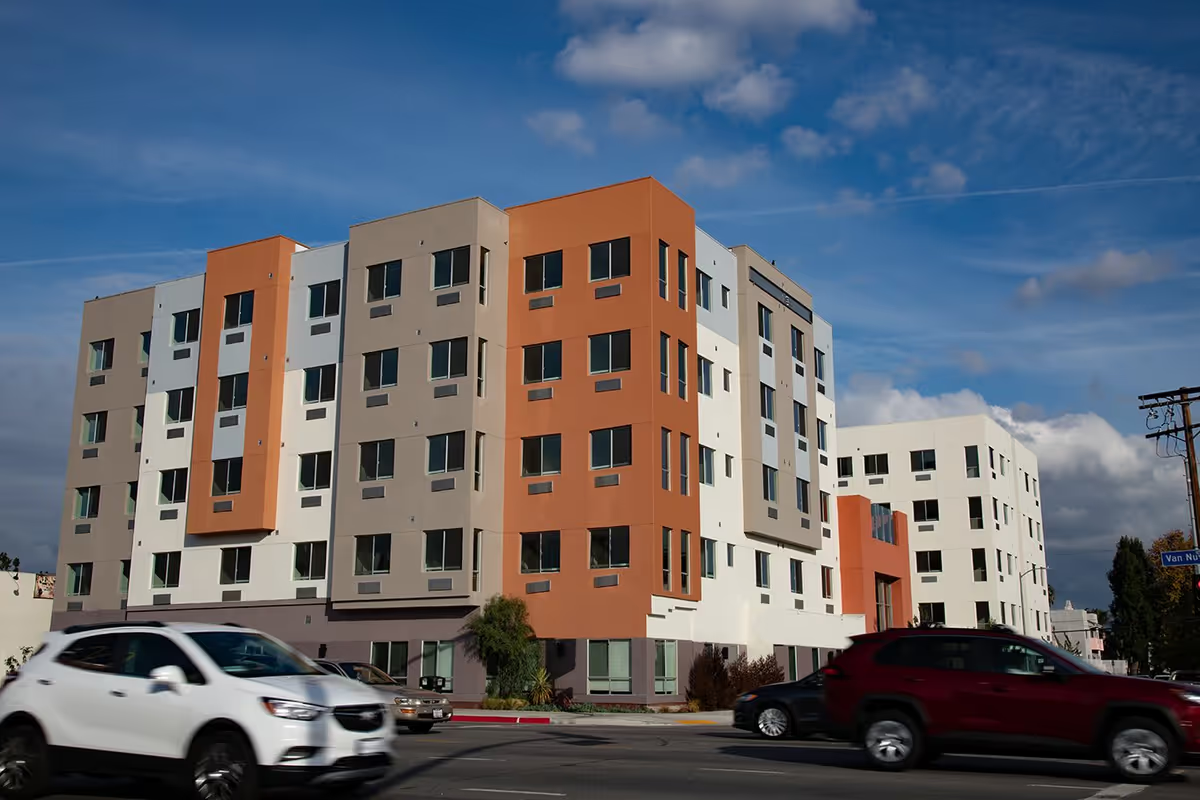
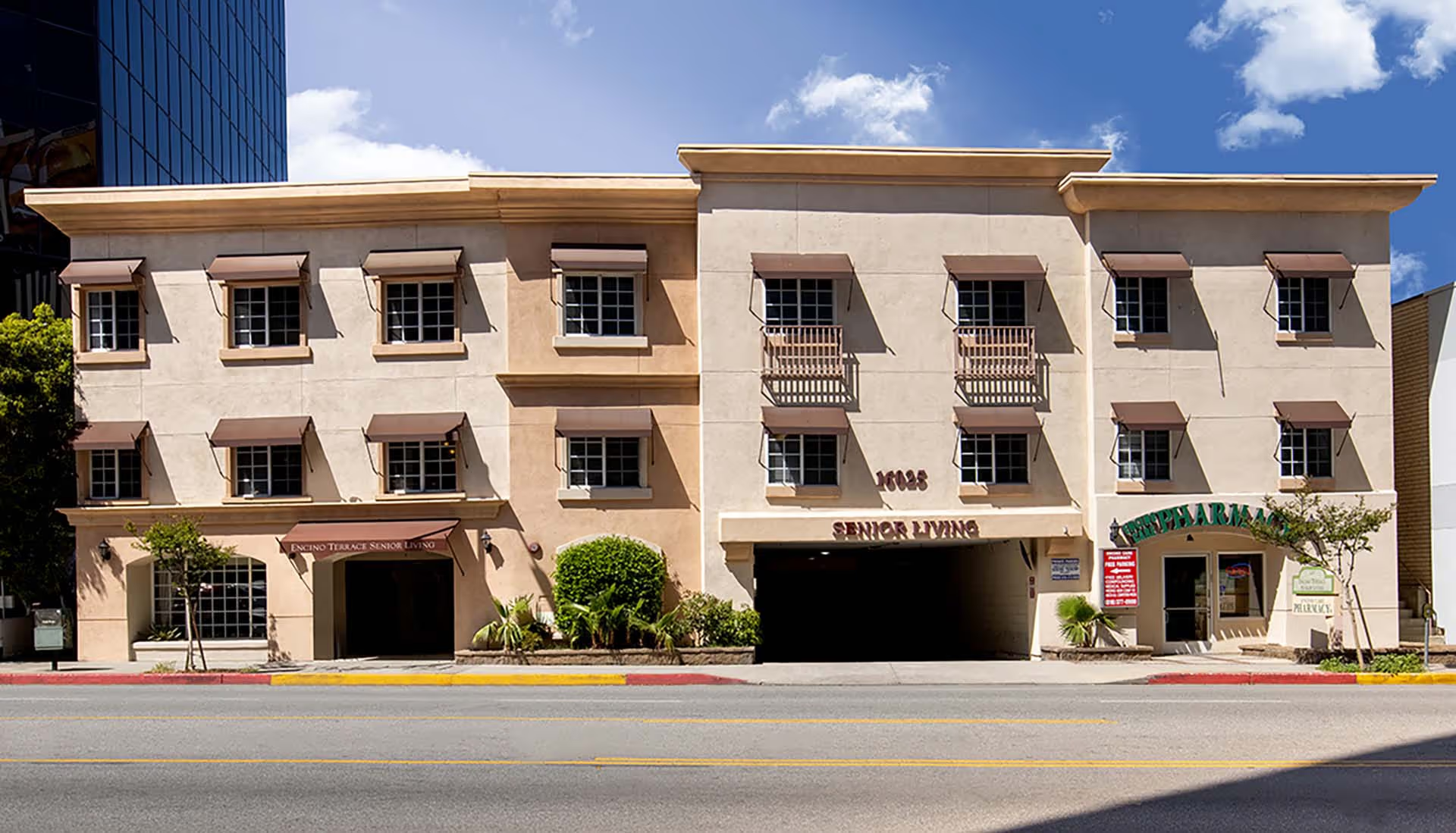
Reviewer experiences of California Healthcare & Rehabilitation Center are mixed, with clear patterns of both strong clinical and hospitality elements and significant operational shortfalls. Positive comments emphasize attentive nursing, an engaged rehabilitation team, a generally clean and well-decorated environment, and supportive social work and administrative help. Several families credited the facility with meaningful rehab progress, appreciated the dining options and accommodation of special requests, and described a warm, family-like atmosphere in parts of the center.
Care quality shows substantial variability. Many accounts describe compassionate, responsive nursing and effective therapy that supported recovery and discharge goals. Concurrently, other accounts describe delays in responding to call lights, concerns about monitoring wounds and injuries, and questions about medication practices that may have affected alertness. These differences suggest inconsistent clinical oversight and documentation practices across shifts or units.
Staffing and communication are recurring themes. Positive reports note helpful, friendly staff and individual caregivers who go "the extra mile." In contrast, other reports raise concerns about staff conduct, tone of communication with families, and variable supervision. Families also described difficulty obtaining clear answers during escalations and challenges with transfer or discharge coordination, which points to gaps in transparency and grievance handling.
Facility operations and physical plant observations are similarly mixed. Many reviewers praised cleanliness, regular linen changes, and well-kept common areas including courtyards and dining halls. However, there are repeated operational issues: malfunctioning equipment (beds, IV stands), pest-control concerns in some areas, and inconsistencies in laundry and personal-property handling — including allegations of missing items. These operational weaknesses can materially affect resident comfort and family trust.
Dining and activities received both praise and criticism. Several families enjoyed meals and found staff accommodating with special requests; others described slow service or unsatisfactory activity programming. Rehabilitation services were often highlighted as a strength when well-executed, but some families found therapy insufficiently individualized to the resident’s specific injuries or goals.
Taken together, the pattern suggests that individual staff members and specific units deliver high-quality, compassionate care, while system-level inconsistencies undermine reliability. Prospective families should weigh the positive reports of rehabilitation success, cleanliness, and supportive staff against documented operational risks: inconsistent responsiveness, clinical monitoring gaps, equipment maintenance issues, personal-property management, pest-control concerns, and variable visitation/communication policies. When considering this facility, families should ask targeted questions about staffing levels and supervision, clinical monitoring protocols (wound care, medication review), equipment maintenance programs, pest-control measures, property-management practices, and the facility’s formal escalation and transfer procedures. Touring the specific unit, meeting the nurse manager and therapy team, and clarifying visitation and escalation processes will help assess whether the center’s strengths align with a prospective resident’s needs.