Overall impression: Reviews present a highly mixed but consistent pattern. Many families and patients praise the facility for compassionate bedside care, strong rehabilitation services, and proactive social‑work support; at the same time a recurring set of operational weaknesses—notably staffing inconsistencies and responsiveness gaps—produces significant variability in experience. The result is a facility that can deliver excellent, even life‑saving, clinical and therapy outcomes under good staffing conditions, while also showing systemic vulnerabilities that occasionally lead to poor outcomes or family distress.
Care quality: Clinical strengths are prominent in many accounts. Nursing staff, therapists, and social‑service personnel receive repeated commendation for individualized attention, effective therapy that supports functional gains, and skilled hospice coordination at end of life. Conversely, several accounts describe delayed recognition of acute medical changes, missed or late medication/IV administration, and inconsistent monitoring—issues that point to lapses in clinical surveillance and escalation processes rather than uniformly poor clinical competence. These patterns are most often associated with times of reduced staffing or shift handoff problems.
Staff and culture: Numerous reviewers highlight specific staff members and teams as compassionate, attentive, and family‑oriented; social services and admissions personnel are frequently described as helpful and solution‑focused. At the same time, other reviewers describe problematic staff conduct including brusque or condescending communication, perceived burnout, and a gossip culture. Leadership responsiveness is mixed—administrators and directors are credited when they engage promptly, but families also report inconsistent follow‑through on concerns and communication lapses.
Dining and activities: Dining receives generally favorable comments for taste and menu variety, with some notes about alternative menu options and helpful kitchen staff. However, reviewers also describe inconsistent meal accommodations and occasional failures to honor special dietary requests. Activity programming shows a similar pattern: when present, therapy‑driven and social activities are valued, but several reviewers characterize the activity schedule as limited or not tailored to residents’ preferences.
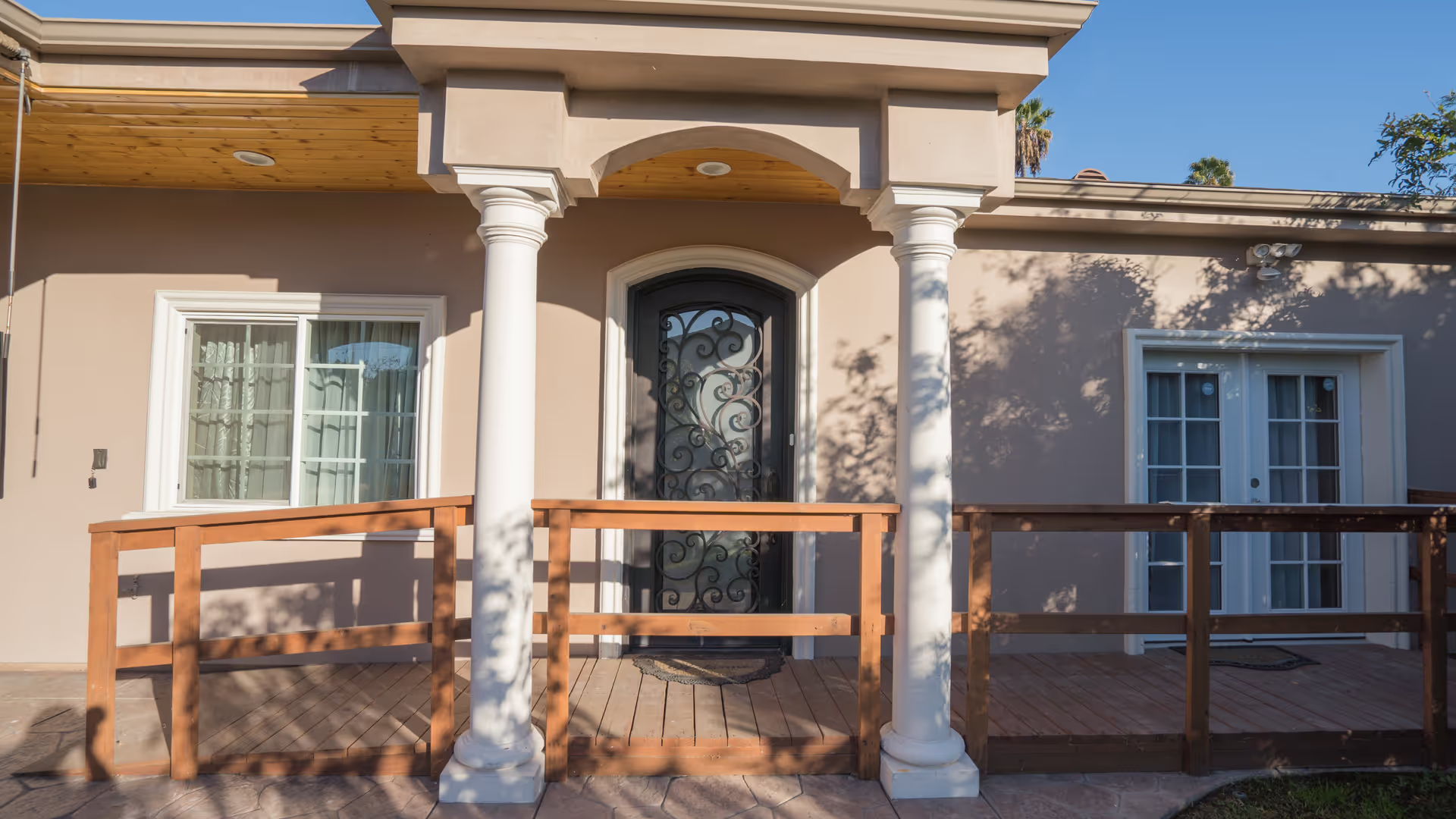
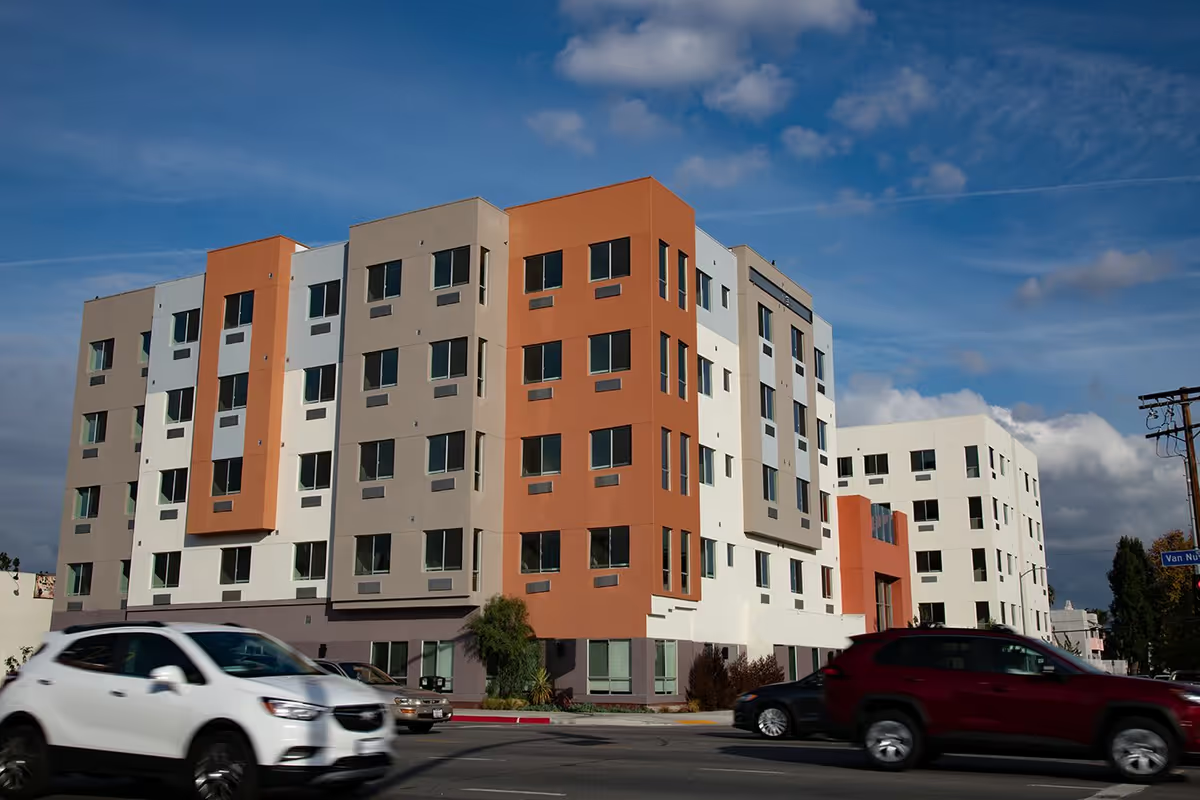
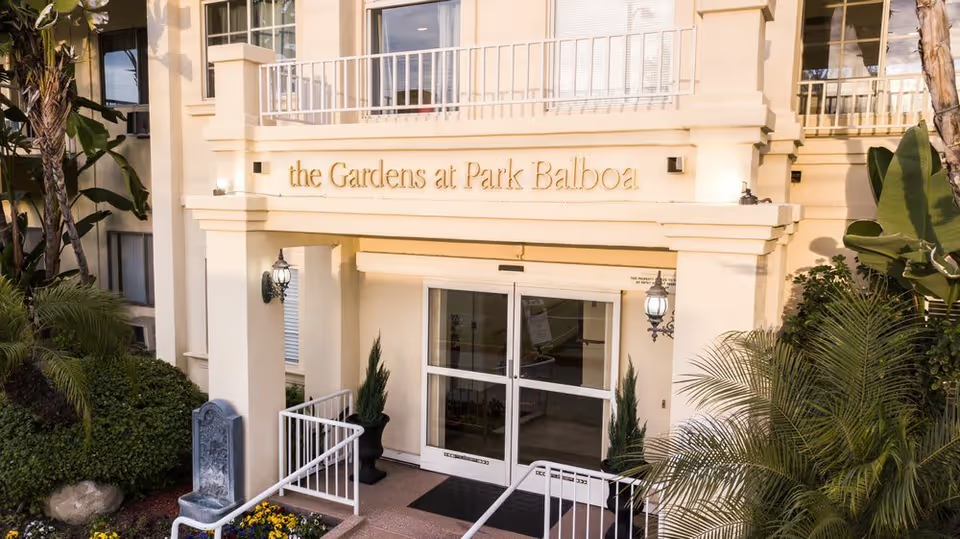
Facilities and environment: Many reviews describe the physical environment as clean, updated, and welcoming, with comfortable rooms and responsive maintenance. In contrast, other accounts cite localized sanitation concerns, odor issues in certain areas, plumbing or lighting maintenance needs, and dated or cramped rooms for some residents. Nighttime environmental factors—bright hallway lighting, loud televisions, and staff noise—are recurrent sources of sleep disruption and dissatisfaction.
Management and notable patterns: A clear pattern emerges around staffing and communication: daytime shifts and engaged supervisors commonly deliver high‑quality, family‑centered care, while overnight coverage and shift transitions are where deficits most frequently appear. Related operational themes include delayed call‑light responses, irregular medication timing, family communication gaps after clinical incidents, and occasional concerns about personal‑property accountability. There are also isolated but serious complaints—including concerns following a resident’s death, alleged breaches of privacy/communication, and missing belongings—that underscore the importance of transparent incident reporting and strong administrative follow‑up.
Bottom line: Prospective residents and families should weigh the facility’s demonstrable strengths in nursing, therapy, and social‑service support against operational risks tied to staffing, nighttime responsiveness, and inconsistent housekeeping/kitchen adherence. Those considering placement may find especially good outcomes when leadership is actively engaged and staffing is adequate; conversely, ask specific questions about night staffing, call‑light response times, medication administration protocols, roommate matching, property‑accountability procedures, and how the facility documents and follows up on clinical incidents to better gauge consistency of care.