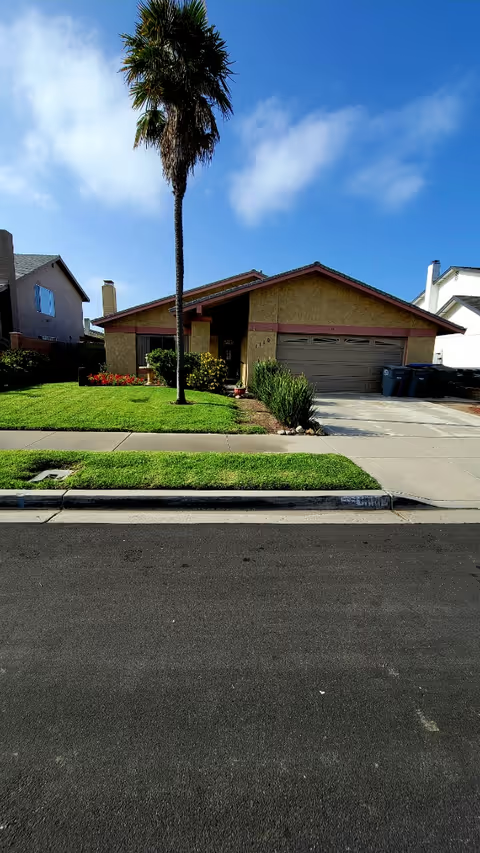
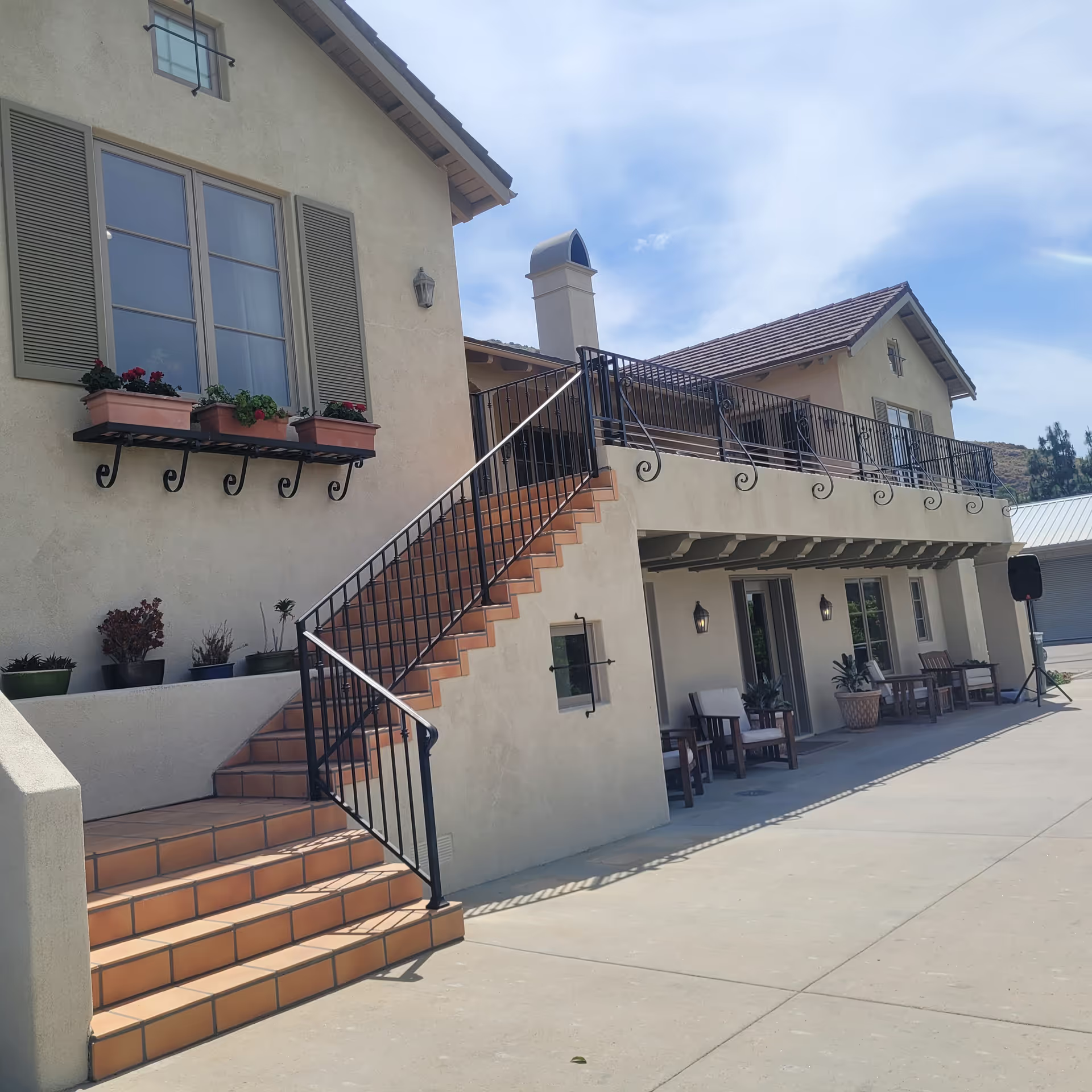
Cypress Place presents as a well-appointed, small-to-medium senior living community with many families emphasizing warm, personalized caregiving and a strong social program. The facility offers a range of amenities—garden and courtyard spaces, on-site salon and spa services, fitness equipment, regular housekeeping, and transportation/shuttle support—contributing to a residential, home‑like atmosphere. Many residents and families highlighted the professional front‑desk and concierge services, prompt maintenance responses, and staff who know residents by name. Apartments generally receive positive comments for size and layout, and the community is noted to be pet-friendly and hospice‑capable.
Care quality elicits mixed but distinct themes. Numerous accounts praise nurses, med techs, direct caregivers, and life‑enrichment staff for attentiveness, respectful interactions, and effective problem resolution; several families described quick responses when concerns arose. Conversely, a recurring operational concern centers on the memory‑care unit: staffing levels, staff reallocation patterns, and delayed assistance for residents with higher needs are described as ongoing issues. Related clinical concerns include inconsistent medication handling and variability in clinical oversight; a few families specifically cited medication‑related adverse effects and emergency calls as contributing to unease about clinical processes.
Dining and activities are prominent strengths. The dining program is frequently characterized as varied with many menu options, snacks and coffee availability, and themed events such as weekly happy hour with live entertainment. At the same time, food quality is described as inconsistent by some families, and occasional supply shortages or poorly executed entrées were noted. The activities program is generally described as robust and diverse—art classes, card games, bingo, outings, and intergenerational or family events—though some residents with hearing or vision impairments found activities less accessible and requested more adapted programming.
Facilities and physical layout offer both assets and limitations. Reviewers praise well‑kept grounds, comfortable common areas, private outdoor patios, and secure gated access to certain areas. The community’s scale and courtyard spaces support social connection. However, the memory‑care wing’s physical separation and some interior areas described as dated or dim were cited as complicating visibility, family access, and resident engagement. Parking is noted as constrained in places, and some prospective residents seeking a single‑level or very bright aesthetic preferred other options.
Management and administration show patterns of responsiveness mixed with occasional operational lapses. Several families commended management for clear communication and for resolving move‑in or billing issues promptly. At the same time, administrative problems appear repeatedly as a theme: billing errors, incorrect charges, delays in refunds, and occasional insurance‑form mistakes. A related pattern is variable leadership continuity and staff turnover, which some families linked to uneven care consistency over time. Prospective families should plan focused conversations about memory‑care staffing ratios, medication protocols, billing safeguards, and accommodations for sensory impairments during tours.
Overall, Cypress Place is frequently recommended for independent and assisted living residents who value a smaller community, active social programming, and personable caregiving. Families considering higher‑acuity memory care should evaluate current staffing models, clinical oversight mechanisms, and the physical layout’s impact on access and visibility. A thorough tour, direct questions about medication management, staffing ratios in memory care, and a review of billing practices will help determine fit for an individual resident’s needs.