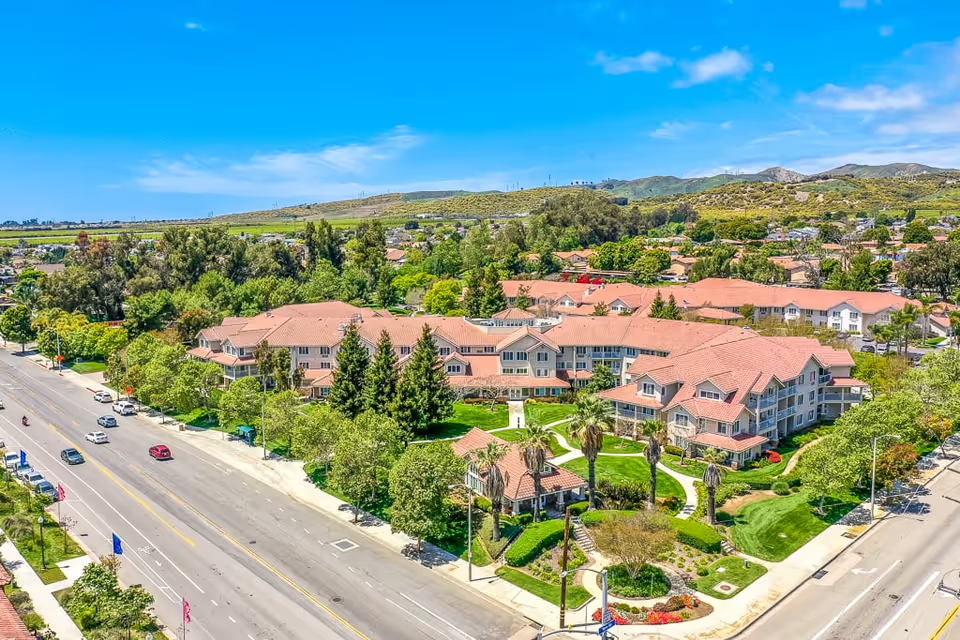
Ventura Townehouse presents as a large, established retirement community with a resort-like atmosphere: extensive, well-landscaped grounds (12–13 acres), ocean and hillside views from upper floors, a range of housing types (studios, one- and two-bedroom apartments, cottages) and a clear continuum of care spanning independent living through memory care. The community is frequently described as bright, social, and active, with a strong roster of clubs, musical programs, live entertainment, field trips, and exercise classes that support an engaged resident life. Many reviewers praise the dining program for restaurant-style service, a dedicated chef, a salad bar, and flexible hours; public spaces and grounds are often described as attractively maintained with fresh flowers and comfortable common areas.
Clinical and hands-on care perceptions are mixed. The facility provides on-site nurse coverage during the day, CNAs and medical technicians after-hours, twice-daily health checks in some settings, and 24/7 supervision in the memory-care unit. Several reviews note attentive, compassionate direct-care staff and families who felt reassured by daily interactions. At the same time, there are recurring comments about variable clinical leadership, turnover in care-management roles, and specific concerns about care coordination and timeliness of response. These issues have, in some cases, led families to escalate for more intensive care; prospective families should ask about current leadership, staffing ratios, and clinical escalation protocols during a tour.
Dining and service operations are commonly cited as strengths but with variability. Reviewers describe excellent meals and fine-dining experiences under a named chef, alongside frequent praise for variety, three daily meals, and accommodating dietary needs. Conversely, others report inconsistent plate temperature, seasoning, or menu variety on particular days, and there are regular comments about long waits during peak meal periods. For families for whom consistent therapeutic diets or strict nutrition management are essential, it would be prudent to review current menu practices, dietary accommodations, and peak-period service flow.
Amenities and programming are emphasized across reviews: a robust activities calendar (clubs, arts, musical performances, happy hours, outings), on-site fitness options (gym, personal trainer, classes), salon/tailor services, chapel services, and frequent shuttle transportation to local destinations. These contribute to the community’s strong social fabric. Technology support and the inclusion of services such as internet vary; some residents encountered setup issues or separate charges for internet and television, so clarifying included services and tech support policies is advisable.
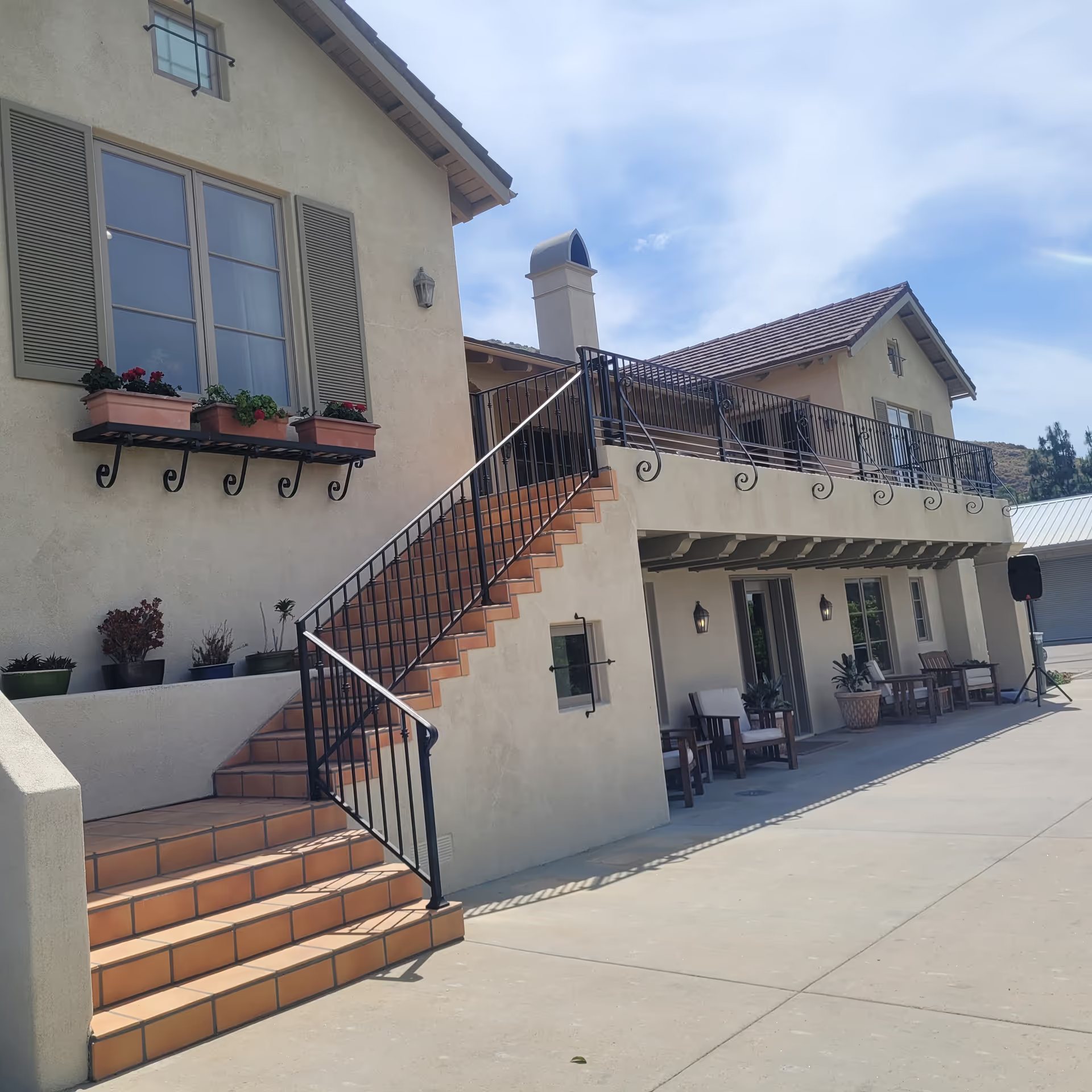
Physical plant and management patterns show a contrast between well-kept grounds and some aging infrastructure. Many apartments have been remodeled and reviewers appreciate spacious units, private balconies, and full kitchens; others note worn carpets, dated finishes in parts of the six-story building, localized odor issues, and isolated mechanical problems (for example, air-conditioning controls). Management is characterized positively in many accounts—owner involvement, a responsive marketing director, and willingness to invest in renovations are repeatedly mentioned—but reviewers also cite inconsistent communication, spotty onboarding for new residents, and occasional slow follow-up from administrative staff. Pricing is frequently described as competitive with nearby markets (for example, Santa Barbara) but still on the higher side; several families highlighted additional fees (internet, electronics, unfurnished units) and recommended getting a clear, itemized fee schedule.
Overall, Ventura Townehouse appears to deliver a socially active, amenity-rich environment with many strengths in staff interaction, dining, programming, and campus appeal. The principal patterns that prospective residents and families should explore further are consistency in clinical leadership and care coordination (especially if assisted living or memory care is anticipated), current plans and timelines for capital improvements to older building areas, dining-service consistency during peak times, and transparent accounting of fees and included services. A focused tour that reviews staffing levels, memory-care protocols, sample menus, and a copy of the full fee schedule will help clarify whether the facility’s strengths align with an individual resident’s priorities and care needs.