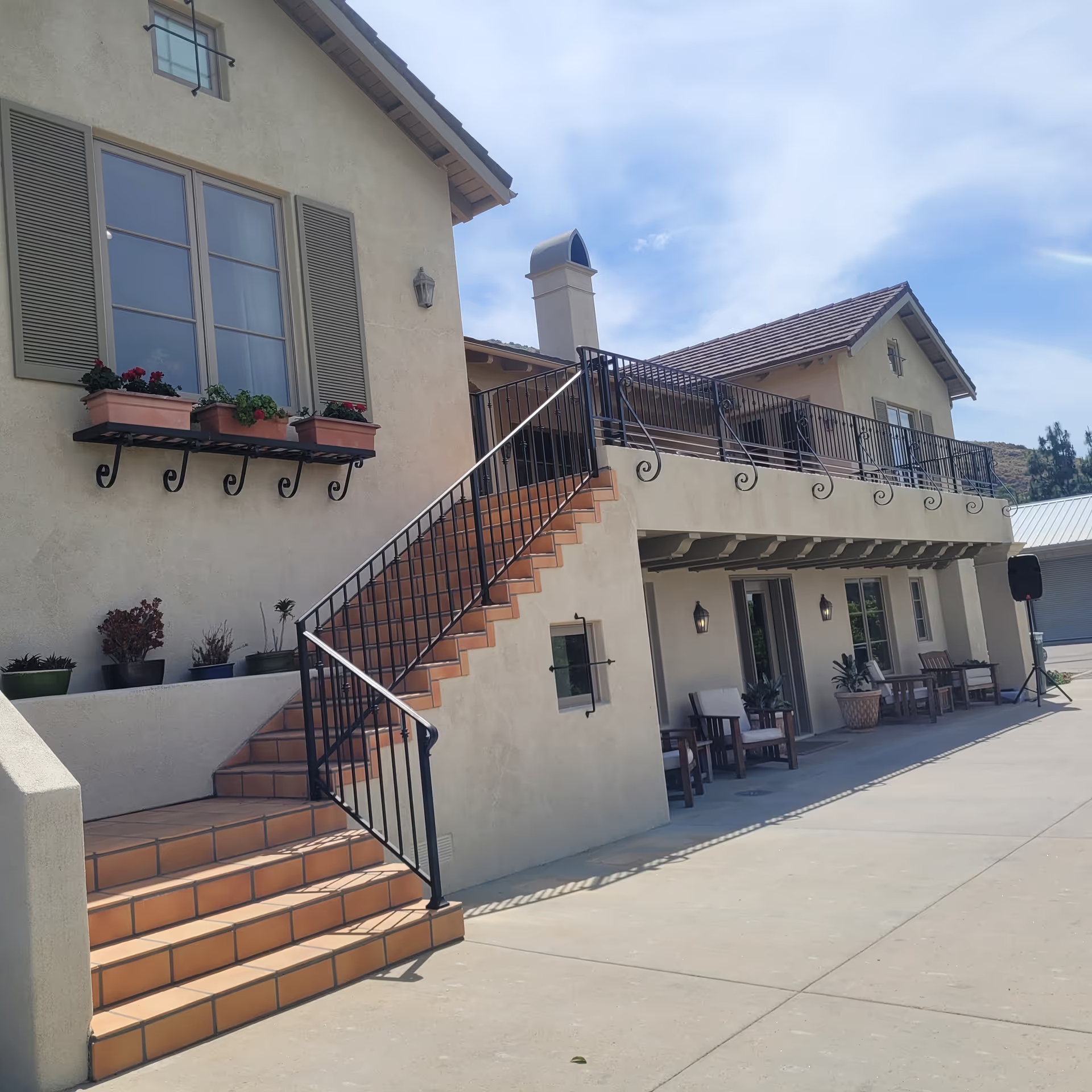
Overall impression: Reviews portray Cottage Inn as a small, home-style assisted living and memory-care provider with a strong emphasis on personalized, compassionate caregiving. Families consistently describe staff as respectful, patient, and attentive, and they highlight clear, ongoing communication from administrators. The facility’s scale and residential layout contribute to a calm, welcoming environment that many families characterize as safe and comforting.
Care quality and staff: Care is described as individualized and relationship-driven. Reviewers emphasize that caregivers take time with residents, demonstrate warmth and dignity, and coordinate effectively with families. Specific staff members were named positively, reflecting strong personal connections. Administrators are characterized as efficient and transparent; communication about care issues and changes appears to be consistent. The provider also receives repeated praise for going beyond baseline duties to support residents and families, including coordination with hospice when appropriate.
Dining and clinical considerations: Dining is represented as home-cooked and attentive to clinical needs, with explicit awareness of diabetes and diabetic-friendly meal options. Reviewers note that nutrition and daily well-being are prioritized, and that dietary accommodations are available. Infection-control practices, including regular COVID testing during the pandemic, are highlighted as a strength, suggesting an operational focus on resident safety.
Activities, facilities, and environment: The physical setting is described as charming, tidy, and well-furnished, with roomy rooms and pleasant common areas. The small memory-care unit is repeatedly noted; this contributes to an intimate environment and strong staff–resident relationships. Family visitation is welcomed and supported, and grounds and interior spaces are generally reported as clean and well-maintained.
Management and patterns to note: Management style is described as accessible and communicative, with timely response to issues and transparent dialogue with families. The facility’s small size is a clear pattern: it supports individualized care and strong interpersonal relationships but also creates operational constraints. Several comments indicate a waitlist and limited capacity, particularly for memory-care placements. Prospective residents and families should plan for potential availability delays and consider whether the small, home-scale model matches their need for specialized in-house clinical services or a broad range of programmed activities.
Balanced conclusion: Cottage Inn appears well suited to families seeking a personable, family-oriented residential setting with attentive staff, clean accommodations, diabetes-aware dining, and strong end-of-life coordination. Its primary trade-offs are its limited capacity and small memory-care footprint, which can lead to waitlist delays and may limit on-site specialized clinical resources or program variety. For those prioritizing individualized attention and a home-like environment, Cottage Inn is commonly described as a strong option; for those needing immediate placement or extensive specialized therapies, confirming current availability and specific clinical capabilities before placement is advisable.