Glory Days Assisted Living, Memory Care Specialists is consistently described as a small, family-run memory-care home that emphasizes personalized, compassionate care. Reviewers characterize the staff as attentive, patient, and emotionally engaged with residents; many accounts highlight a family-style atmosphere where residents are treated with dignity and warmth. The facility's small size and low resident numbers are repeatedly framed as a benefit, allowing staff to focus on individual needs and to support residents through advanced or end-of-life stages in partnership with hospice providers.
Care quality and staffing are central themes. Families describe 24-hour oversight, dementia-aware practices, and staff who assist new residents through transitions. Management and owners are frequently cited as accessible and hands-on, helping with practical matters such as insurance coordination and maintaining open lines of communication. Several reviewers attribute residents' comfort and improved wellbeing to consistent caregiver attention and the home's emphasis on respectful, person-centered interactions.
Dining and activities are also strengths in these accounts. The household model emphasizes homemade, appetizing meals served multiple times per day with additional snacks, and the setting is described as clean, well-decorated, and inviting. Staff-run activities, holiday-themed programming, and a calm atmosphere are noted as contributing to residents’ engagement. Families report regular updates, photos, and accommodation of remote visits (including window visits during restricted periods), which supports family involvement.
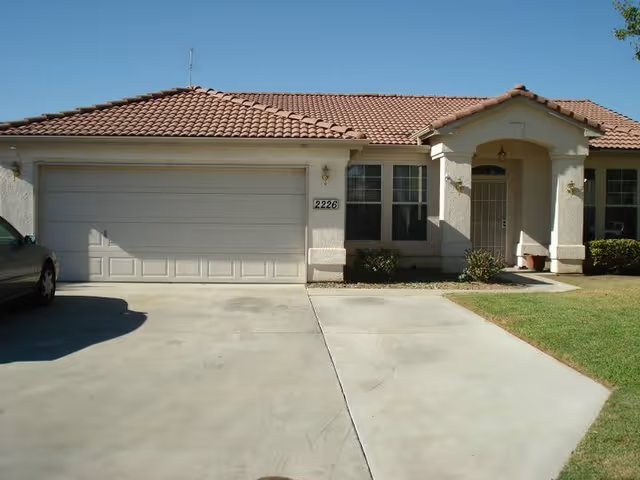
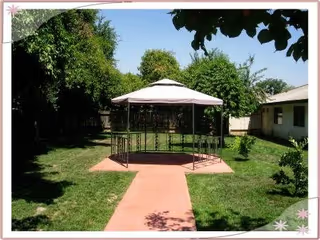
Physical plant and amenities are portrayed positively: reviewers mention spotless kitchens, bright comfortable rooms, pleasant outdoor space, and a private hospice area. The facility’s small scale is associated with a neat, fragrant environment and individualized room setups. The presence of Spanish-speaking staff and avenues for faith-based support are additional positives for families seeking culturally or spiritually compatible care.
Patterns to note for prospective families: the small-home model brings clear advantages in personalization and family-like attention but also implies operational tradeoffs. Limited bed capacity can constrain availability and may reduce on-site access to broader clinical or therapy services typical of larger facilities. Pricing perceptions vary—while several families described the care as affordable or cost-effective, a few comments flagged cost as a concern; prospective residents should obtain clear, written pricing and compare services. Finally, while the majority of feedback is favorable, there is at least one strong negative allegation about dishonest practices; that comment stands apart from the general pattern and should prompt families to request documentation, references, and contact licensing or inspection records as part of their due diligence.
Overall, Glory Days presents as a small, family-oriented memory-care provider with pronounced strengths in compassionate caregiving, hygiene and upkeep, home-cooked dining, and hospice coordination. Prospective families will likely value the personalized attention and open communication, but should confirm current availability, pricing structure, and the range of on-site clinical services before making a placement decision.