Overall impression: Marbella Visalia is described as a well-maintained, staff-forward community that delivers a reassuring level of daily support for many residents. Families frequently highlight the professionalism and compassion of caregiving staff, regular manager engagement, and effective coordination for transitions such as hospital discharge and hospice. The campus and units are commonly characterized as clean, attractive, and comfortably sized, which contributes to residents' sense of safety and peace of mind.
Care and staff: The caregiving team receives consistent praise for patience, individualized attention, and responsiveness. Reviewers emphasize steady routines, adherence to individualized treatment plans, and staff willingness to work with families. Management visibility and an engaged activities director are cited as strengths. A subset of comments raises concerns about staff conduct or communication tone in individual cases; these suggest occasional variability in interpersonal consistency rather than a single systemic failure.
Dining and nutrition: Dining is a prominent feature of the community, with a hotel-style dining room, tablecloth service, and several positive remarks about well-prepared dishes and menu variety. At the same time, there is a clear pattern of inconsistent meal experience: some families report high-quality, restaurant-style meals, while others note cold food or unresponsive kitchen service. This dichotomy suggests uneven execution in food-service operations and occasional temperature/service-control issues.
Activities and memory care: Marbella offers a broad activities program — exercise classes, music visits, excursions, bingo, religious groups, and social outings — and several reviewers described meaningful engagement and an active social calendar. There is tailored programming for memory care and reports of positive outcomes for some residents. However, capacity constraints and instances where higher-acuity dementia support was judged insufficient indicate limitations in serving advanced cognitive needs; prospective residents requiring extensive memory-care supports should verify availability and programming depth.
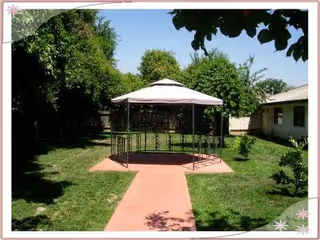
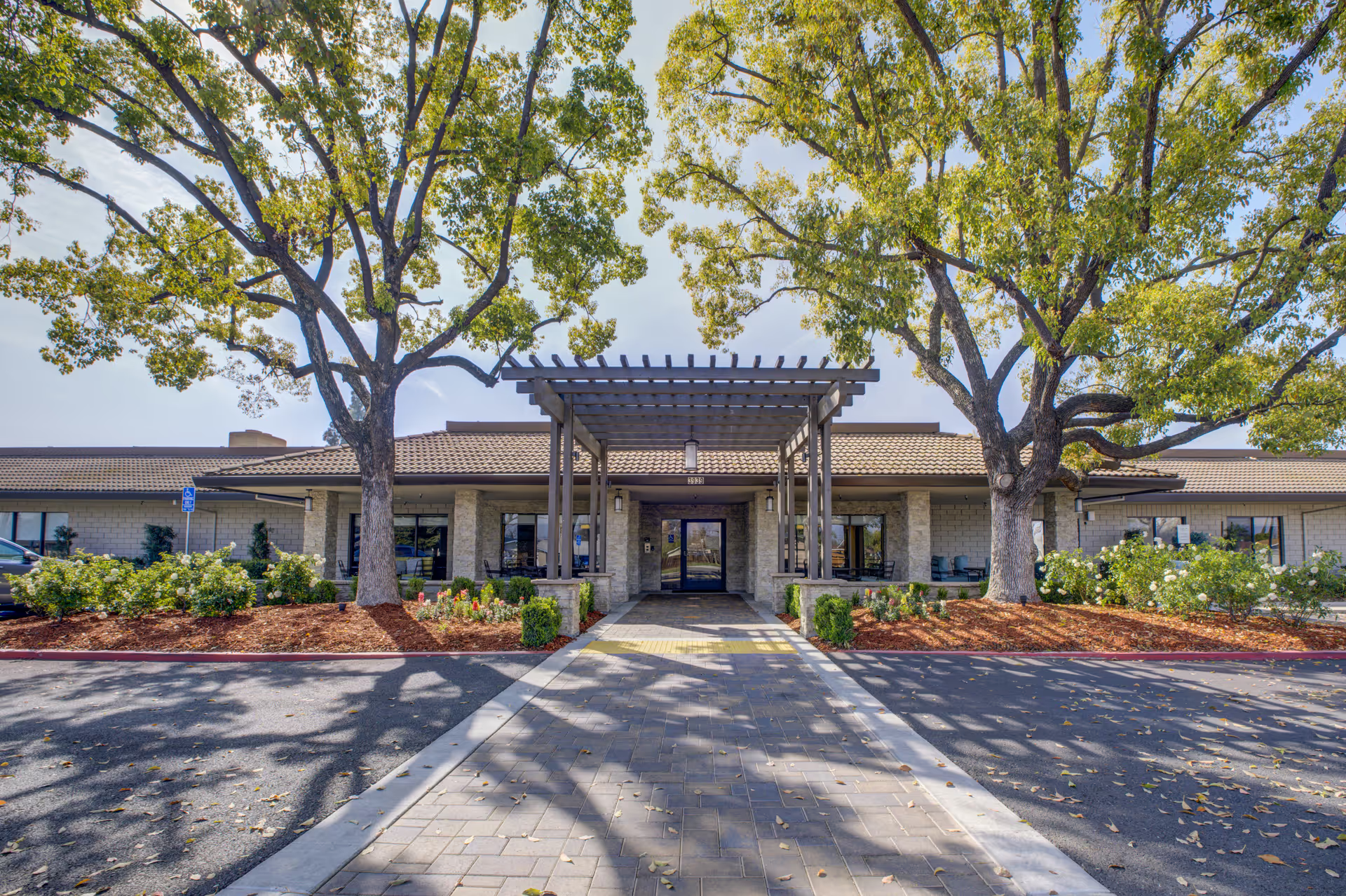
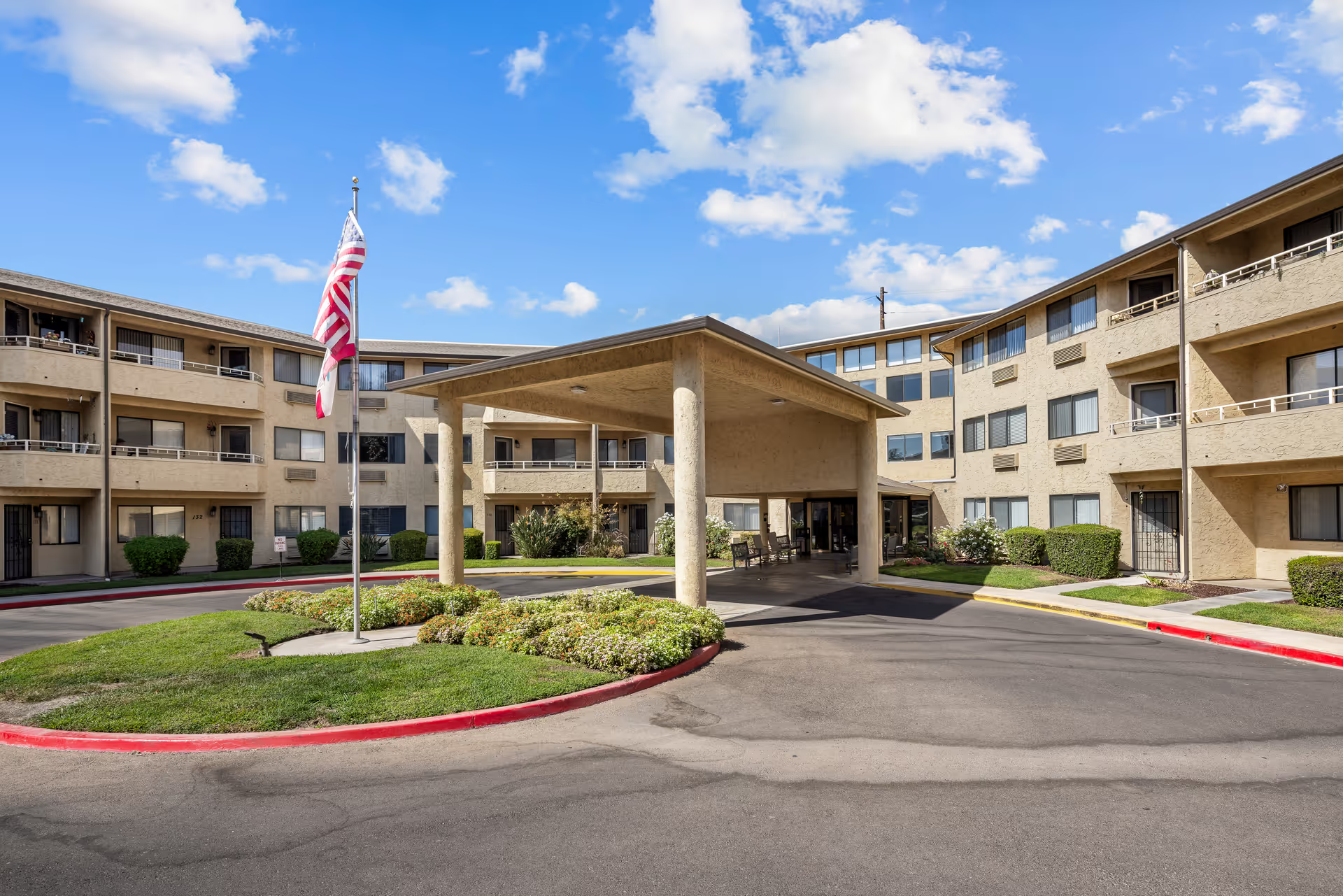
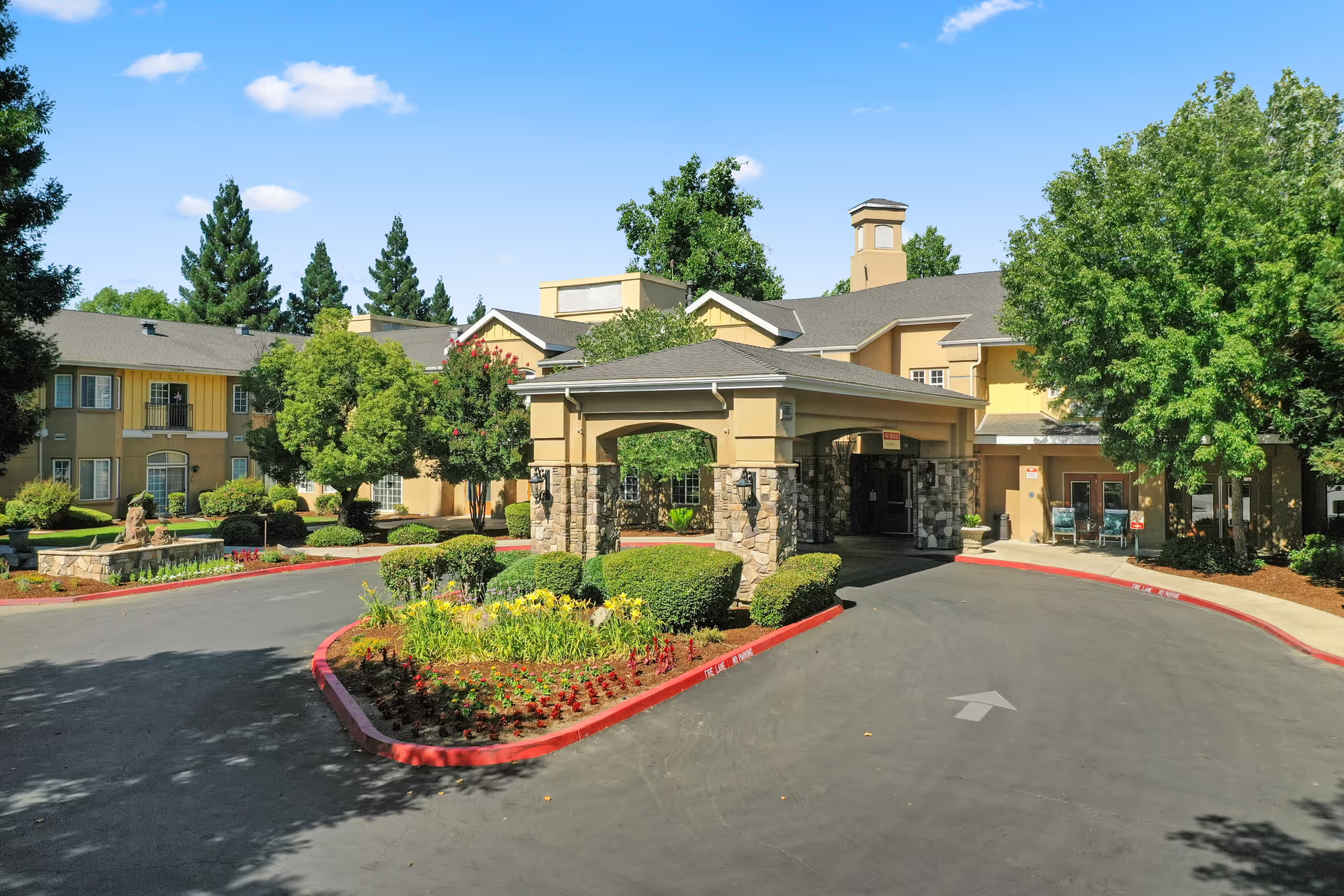
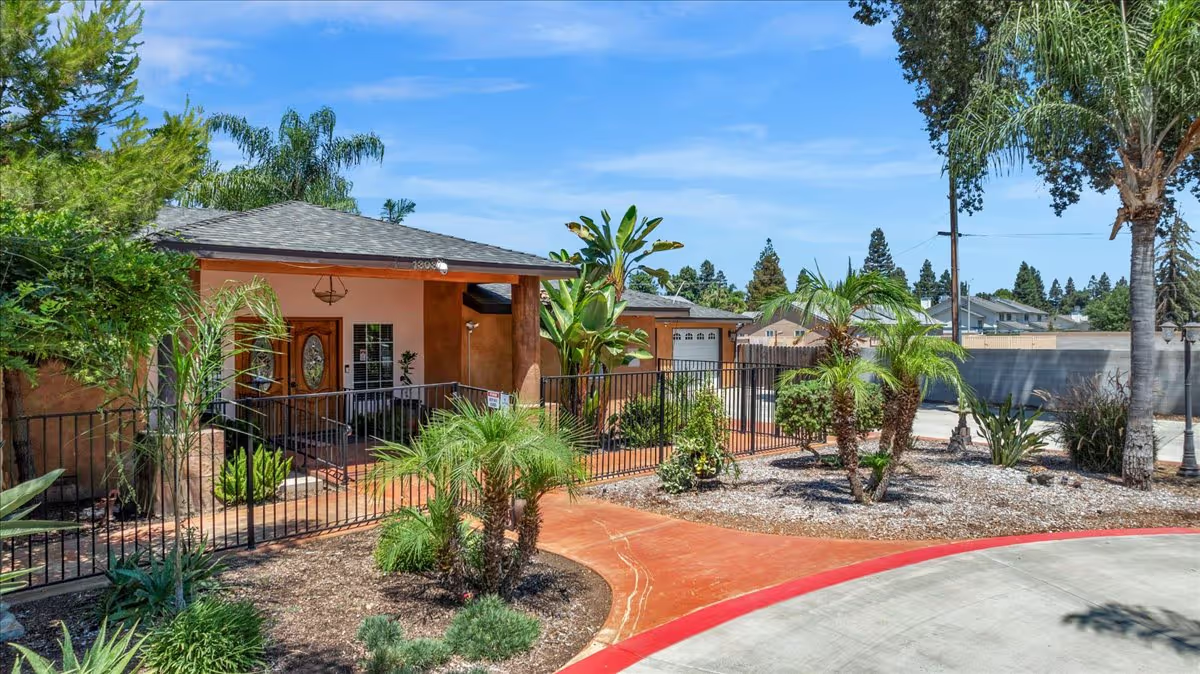
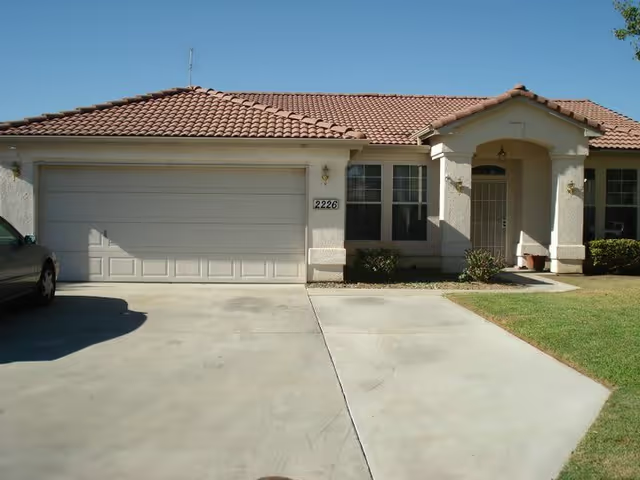
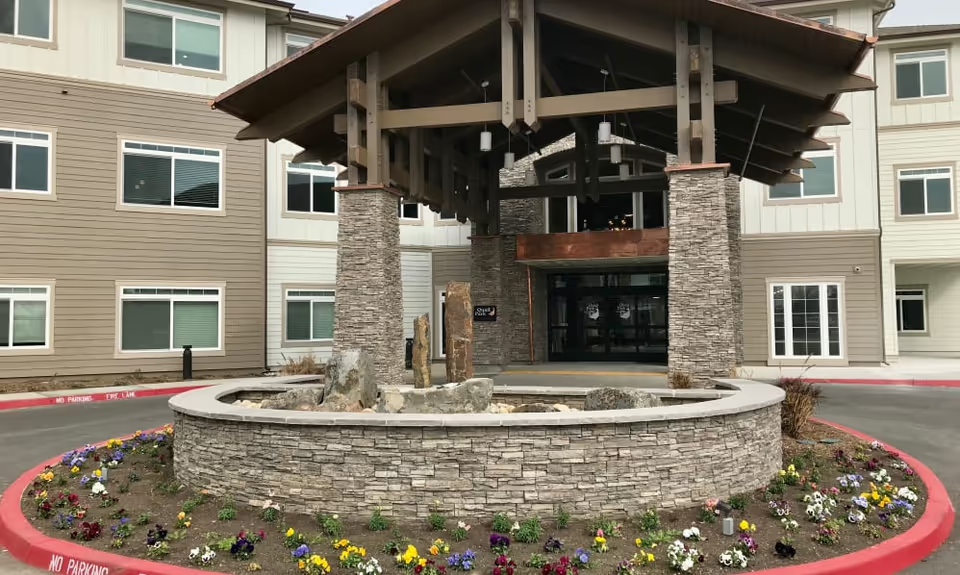
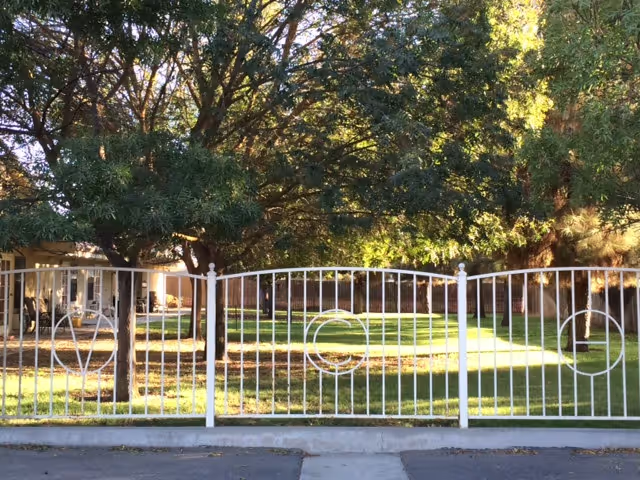
Facilities and accommodations: The physical plant is described as clean, freshly updated in places, and comfortable, with private-room options, patios, and a sizable yard. Limitations include a lack of private showers in many units, restricted dining seating at peak times, and building features (two-story layout, limited outdoor amenities) that may be less convenient for some residents. Pet-friendly policy (one pet allowed) and low staff turnover are pluses noted in several comments.
Management and value: Management engagement, transparent tours, and the willingness to customize placements are cited positively. Cost is a recurrent theme: Marbella is perceived as relatively expensive, and several families weighed cost against value. Additional concerns include variability in housekeeping consistency and occasional ancillary charges that families described as nickel-and-diming. Prospective residents should confirm pricing, what is included, and housekeeping and dining schedules during a tour.
Notable patterns for decision-making: Marbella Visalia appears to offer strong day-to-day caregiving, an active social program, and a well-presented dining environment when operations run smoothly. Key trade-offs to evaluate in person are the community's meal-service reliability, housekeeping regularity, private-bathroom availability, and memory-care capacity for higher-acuity needs. Asking about staffing levels, kitchen processes, housekeeping schedules, and waitlist procedures will help families decide whether Marbella aligns with the prospective resident's clinical and social needs and budget constraints.