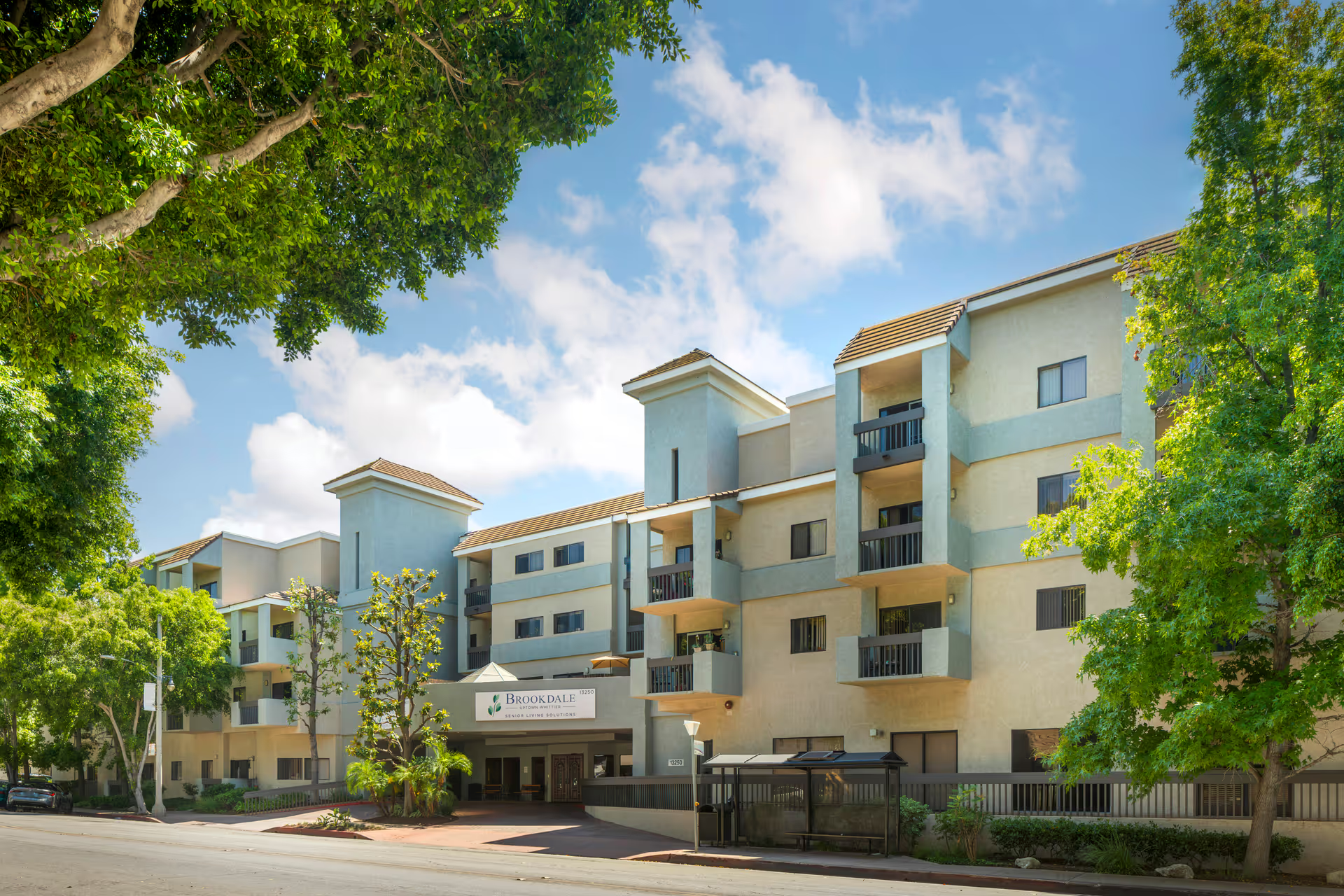
Brookdale Central Whittier elicits a mixed but informative picture: the facility is repeatedly praised for its caregiving culture, social programming, and physical environment, while operational inconsistencies — particularly around staffing, dining, and administration — create variability in day‑to‑day experience.
Care and staff: Families frequently describe compassionate, individualized caregiving and staff who learn residents’ names and build rapport. Many accounts highlight caregivers and certain nurses who go above and beyond to comfort residents, assist with activities of daily living, and maintain family communication. However, there are repeated operational concerns tied to staffing levels: delayed responses to call lights, longer waits at night or during meals, variable attention to toileting or bathing schedules, and uneven performance across shifts. Reviewers also noted occasional gaps in medication documentation and clinical follow-up. Overall, the pattern indicates strong frontline caregiving in many cases, but inconsistent coverage and process reliability that can affect care continuity.
Dining and nutrition: Dining is a prominent and polarizing theme. Several reviewers praise restaurant-style meals, an attentive dining ambiance, and a skilled chef who provides varied and diet-appropriate options. Conversely, other accounts describe a downsized menu, fewer servers, slower service, and recent declines in food consistency since pandemic-era changes. Meal-service continuity, availability of fresh fruit and round-the-clock options, and kitchen staffing levels were cited as operational areas that fluctuate; prospective families should ask for current kitchen staffing and sample menus.
Activities and social life: The programmatic offering is a consistent strength. The community runs a broad calendar of activities — exercise classes, music and live entertainment, bingo, religious services, outings to stores and casinos, and theater/movie programming — and many residents are described as socially engaged and cheerful. Activity staff and directors receive specific praise for creating variety and opportunities for socialization, which contributes significantly to resident well‑being.
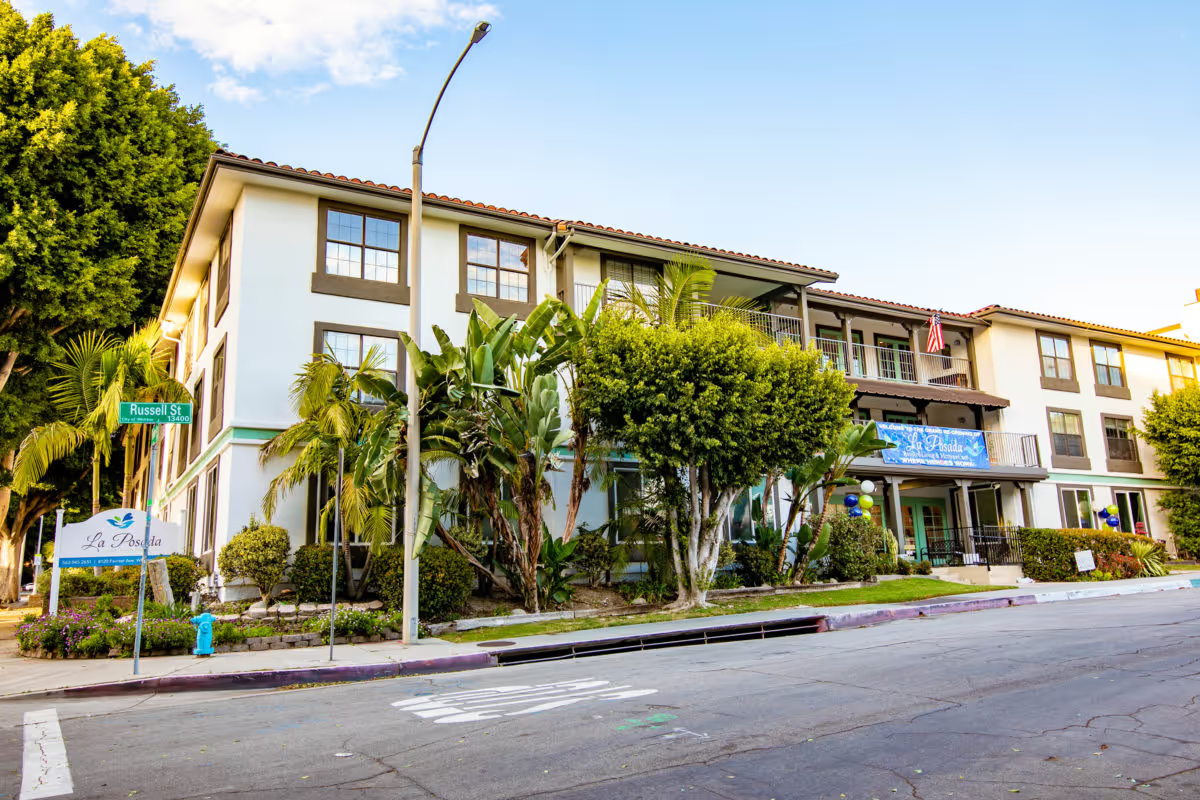
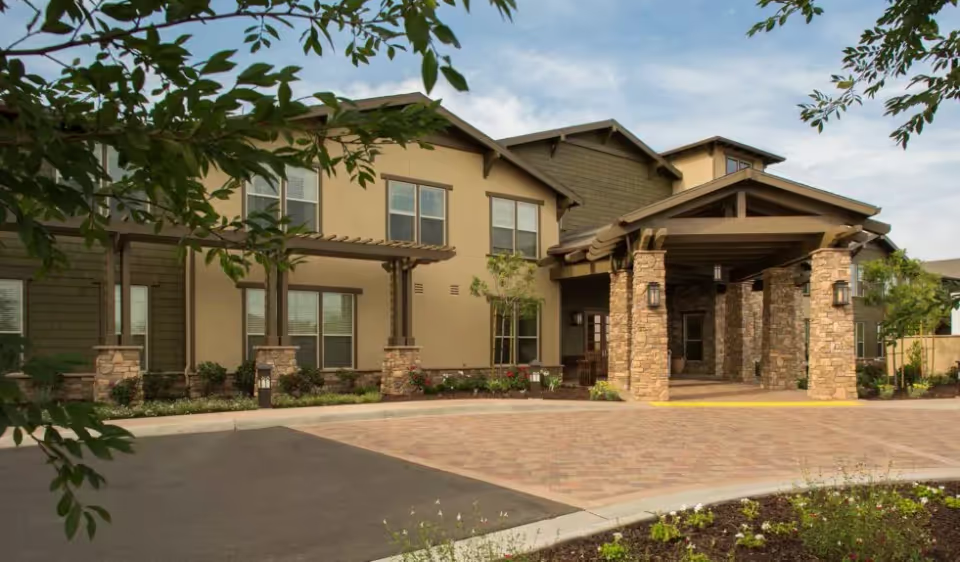
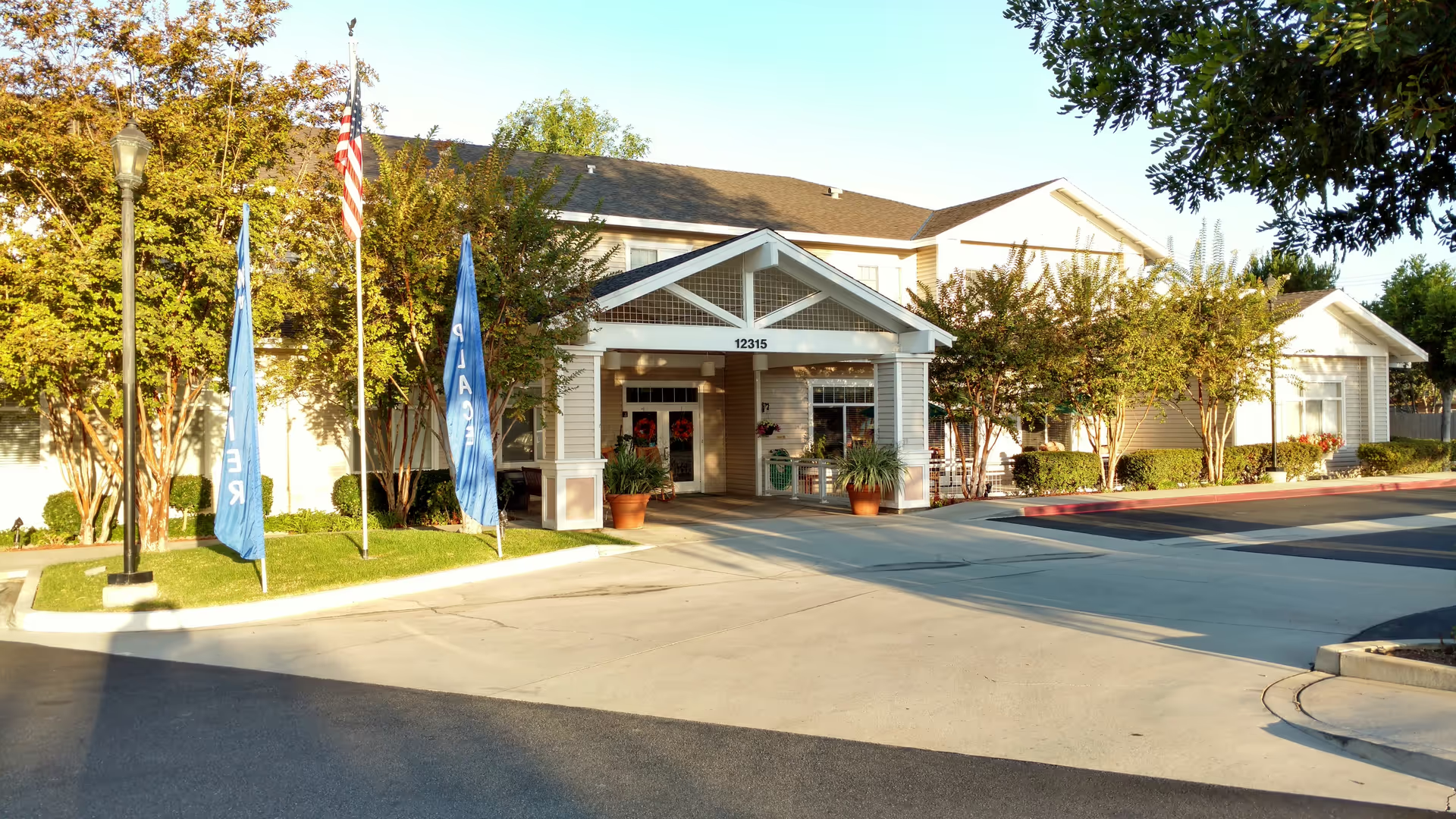
Facilities and accessibility: Physical spaces are generally described as clean, pleasant, and well maintained, with an appealing central courtyard, patios, gardens, and a range of communal amenities (library, game room, dining areas). Apartment sizes and finishes vary; many units are spacious with private baths and hardwood floors, while others are narrower with door or bathroom clearances that present accessibility challenges. Reviewers flagged uneven accessibility (door widths, restroom layouts, exterior sidewalk maintenance) that may matter for wheelchair users; prospective residents should verify specific unit dimensions and accessibility features.
Management, administration, and billing: Administrative impressions are mixed. Some families experienced thoughtful, transparent admissions, helpful directors, and proactive communication. Others described frequent leadership changes, billing disputes, insistence on prepayment or hold fees, and slow resolution of financial errors — including difficult handling around end‑of‑life billing in at least one account. These patterns point to variability in administrative reliability and suggest that families should clarify contract terms, billing practices, and escalation pathways before committing.
Notable patterns and considerations: The dominant strengths are relational — warm caregiving, engaging activities, and pleasant communal spaces — which often translate into improved mood and social engagement for residents. The dominant operational weaknesses center on staffing consistency, kitchen/dining reliability, administrative processes, and accessibility in certain units. For prospective families: arrange multiple visits (including peak meal times and evenings), request a current staffing ratio and turnover information, sample meals, verify accessibility specs for specific apartments, and obtain written explanations of billing policies and dispute procedures. Those steps will help align expectations with the variable experiences described across families.