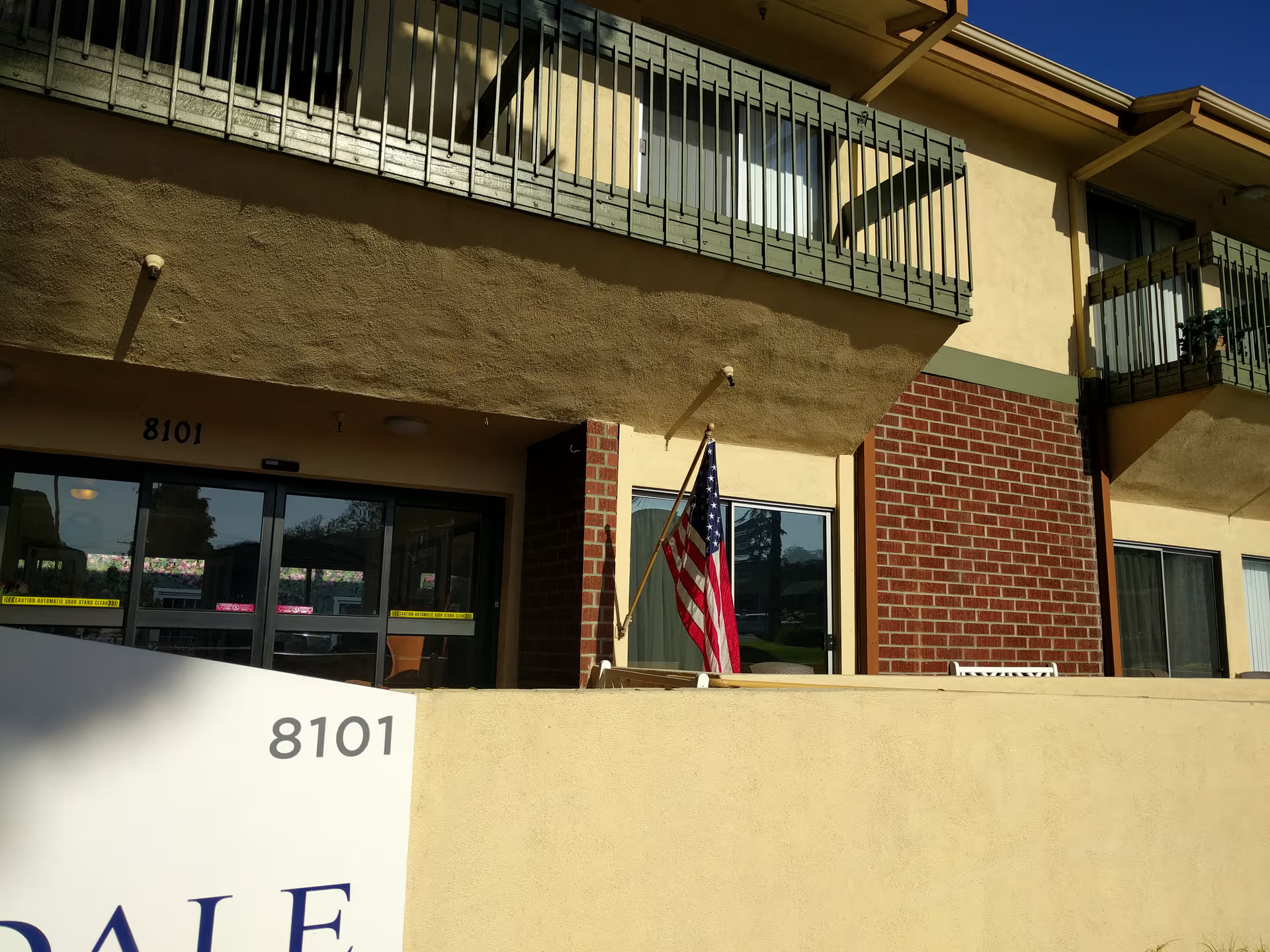
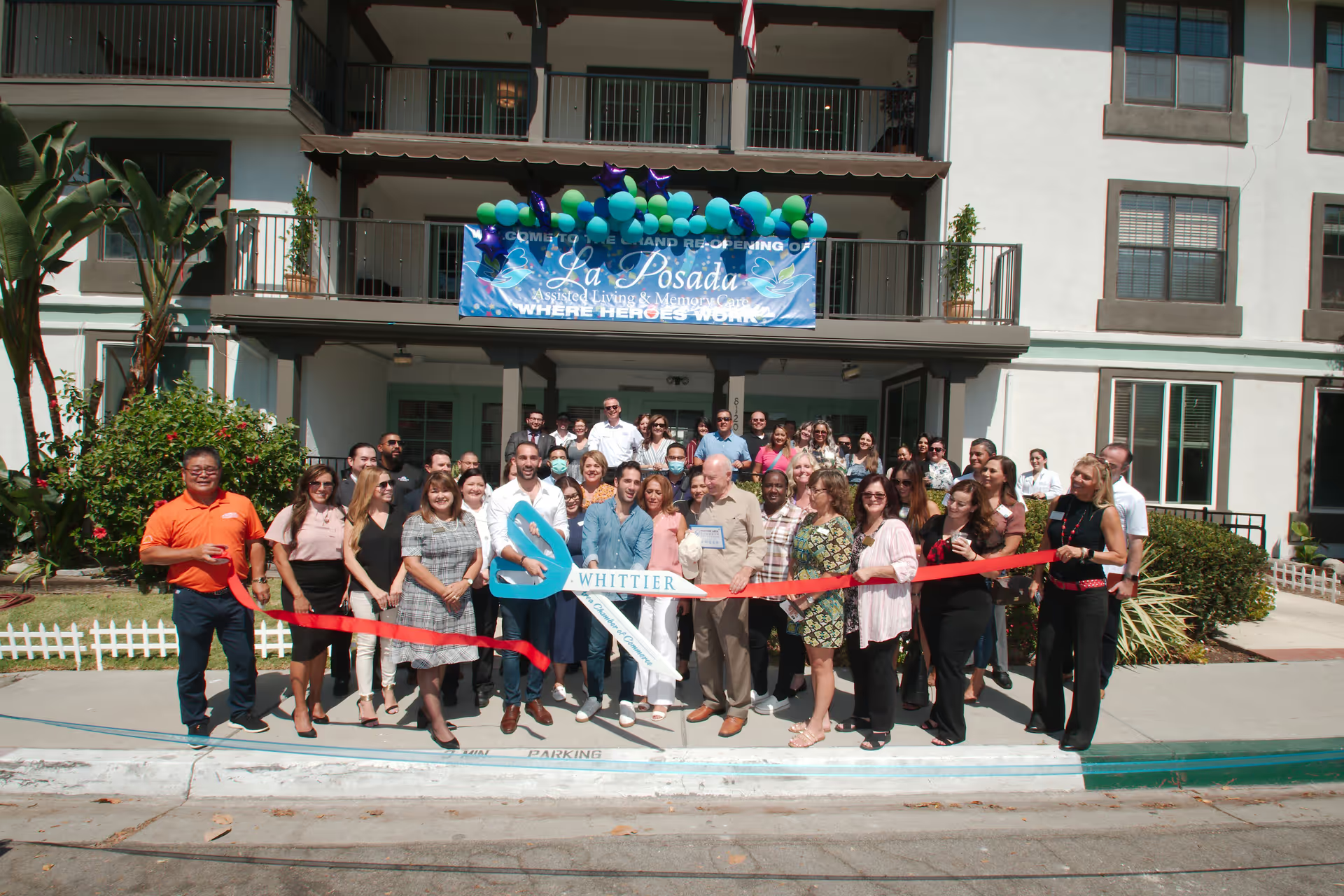
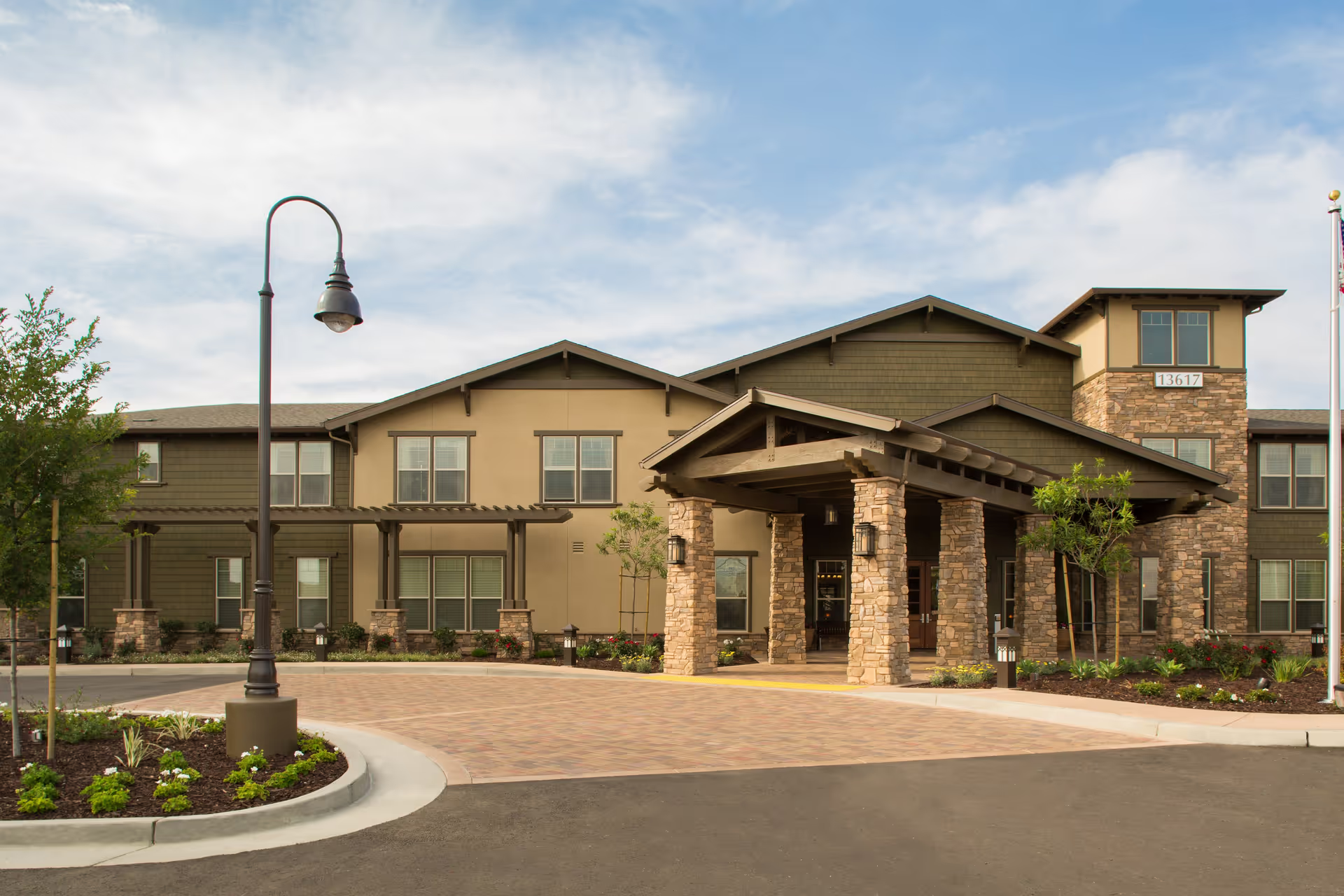
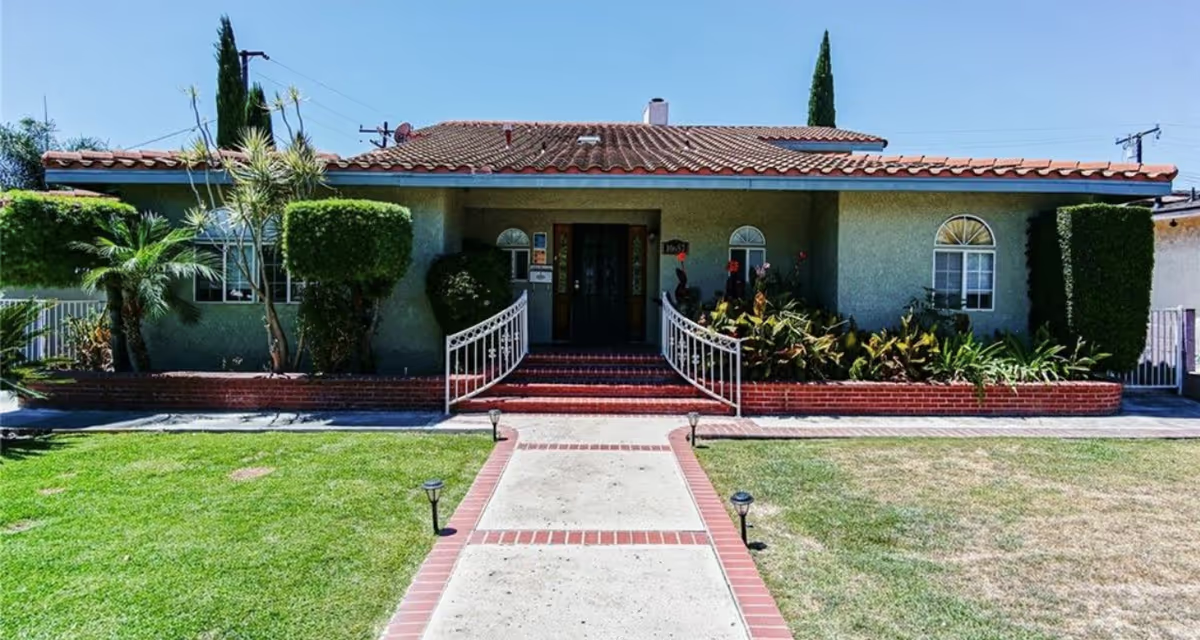
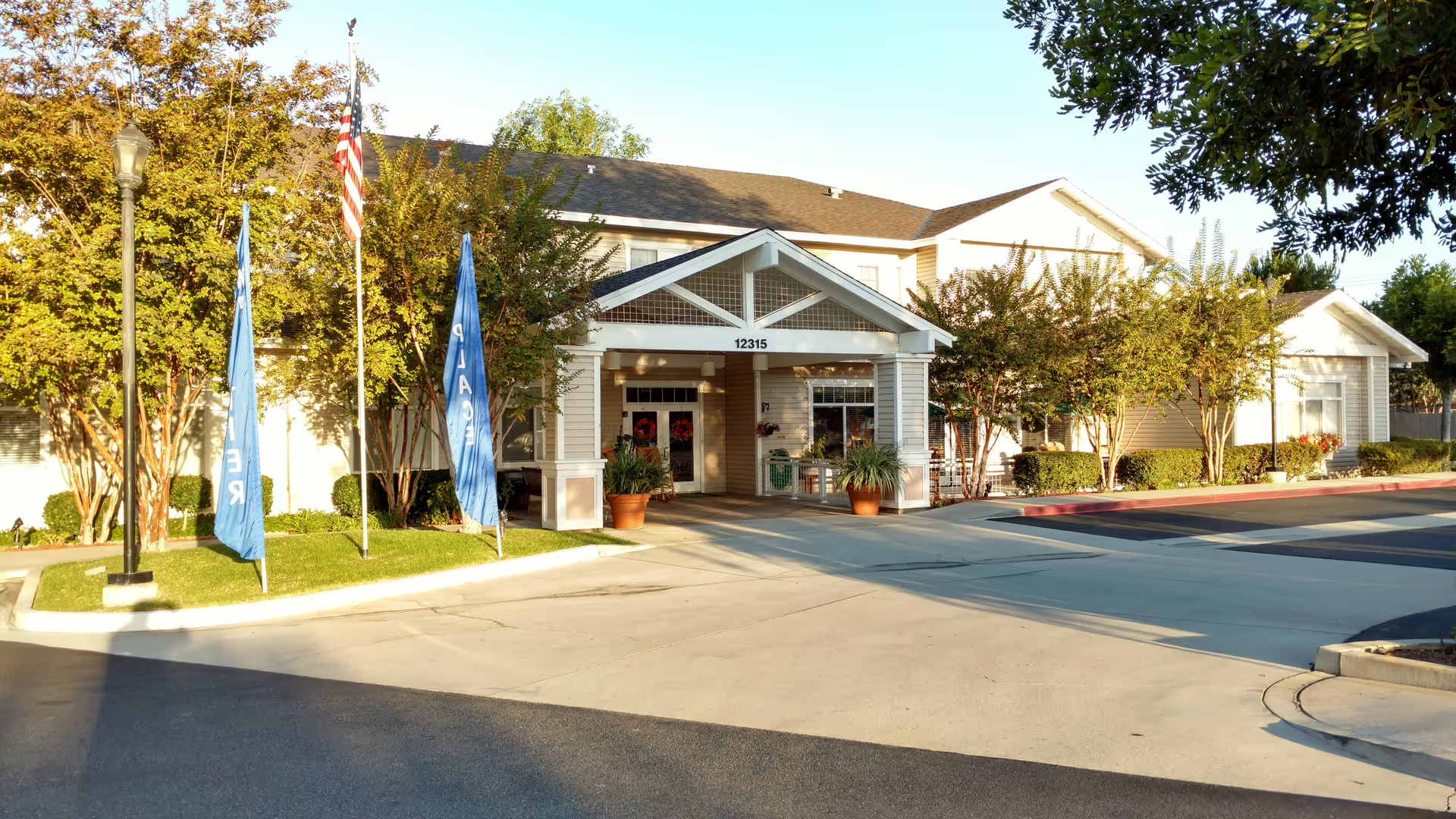
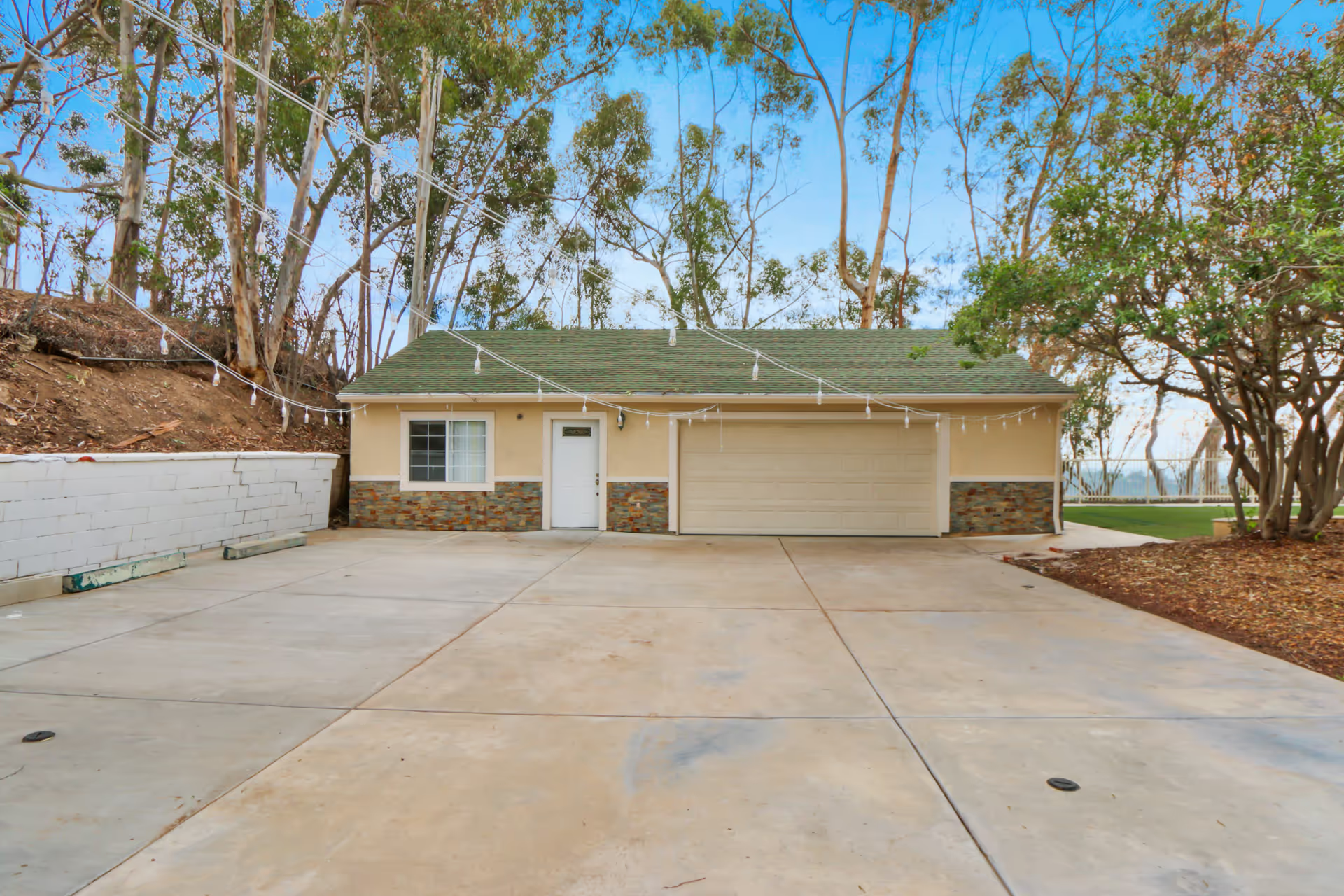
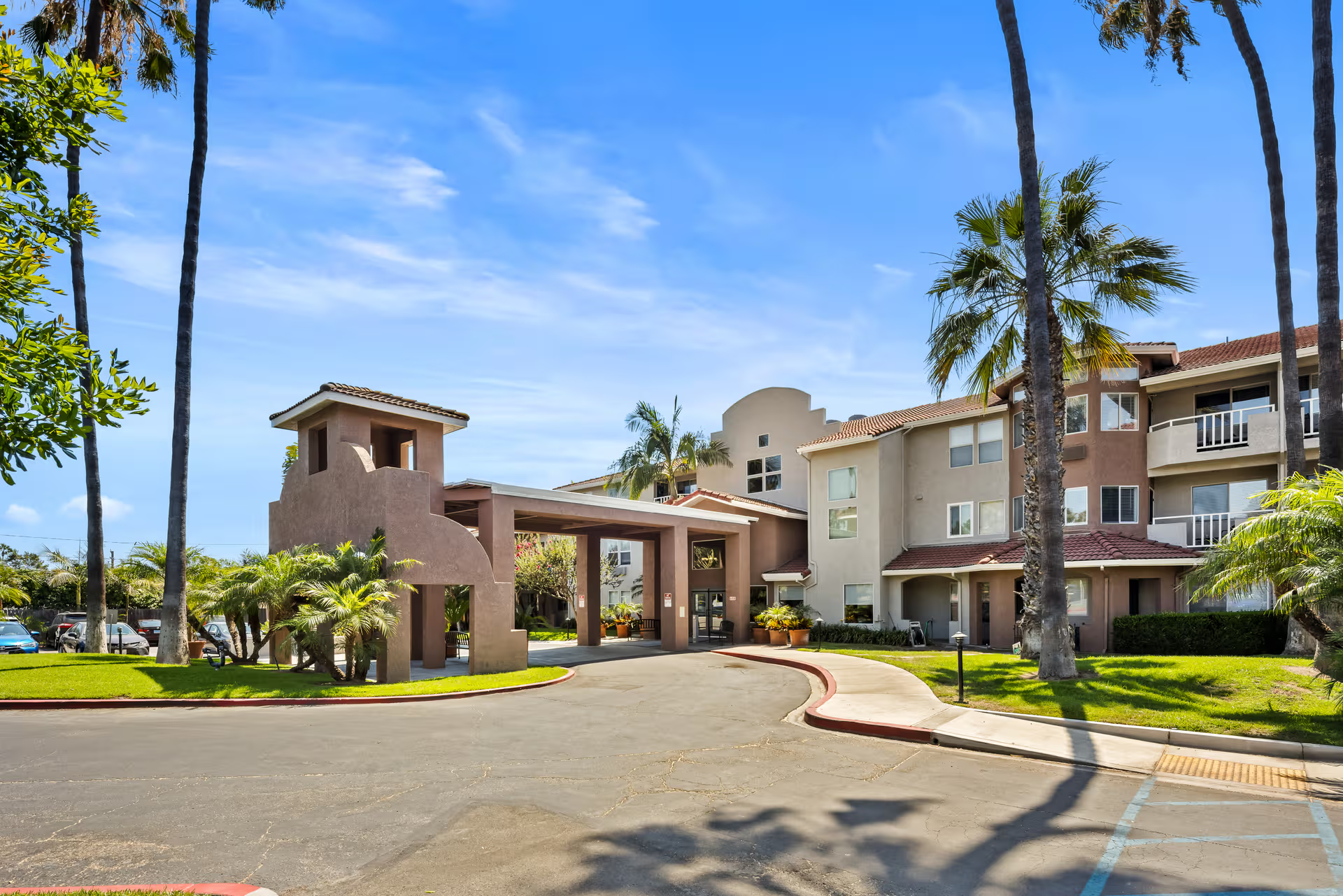
Brookdale Uptown Whittier presents as a hospitality-oriented assisted-living community with a strong emphasis on social engagement, apartment-style living, and a restaurant-like dining environment. Across feedback, the facility's caregiving staff and nursing teams receive consistent positive mentions for being compassionate, attentive, and responsive; families describe frequent check-ins, quick emergency responses, hospice support when needed, and staff who help residents settle in. The physical plant is often characterized as clean, hotel-like, and well-appointed, with many units offering kitchenettes, balconies, large bedrooms, and weekly housekeeping and linen service. The location near Old Town Whittier, on-site amenities (library, fitness area, salon, veterans hall), shuttle service, and pet-friendly policies are commonly cited as strengths that support an active, community-oriented lifestyle.
Dining and social programming are central selling points but show mixed operational performance. The dining rooms, salad bar, and from-scratch menu items are frequently praised, and the community operates long dining hours and a diverse calendar of events (live music, art, bingo, exercise classes, outings). At the same time, there is a clear pattern of inconsistent meal quality and service: reviewers describe variability in flavor, temperature control, and server responsiveness, and there are repeated references to kitchen turnover and understaffing during meal periods. Prospective residents should weigh the high-quality aspects of the dining program against this variability and ask about current kitchen staffing and quality-control practices during a tour.
Activities and social life are strong points for residents seeking engagement. The community offers multiple daily activities, day trips, entertainment, and structured programs that many residents find energizing and helpful for maintaining independence. A counterpoint in available feedback is that some residents encountered barriers to joining groups or felt activities were unevenly accessible; transitional periods (for example, COVID-related restrictions) also affected programming at times. Visitors should inquire about current activity schedules, how new residents are integrated into programs, and any membership or participation processes.
Operational and management issues appear as recurring concerns. Several comments note inconsistent responsiveness to maintenance requests, delays in repairs, and instances of organizational disarray at move-in or during management transitions. There are also notes about fee transparency and annual increases, occasional micromanagement or poor communication from leadership, and staff turnover—particularly in kitchen and administrative roles—which can affect continuity of service. Sanitation and pest-control concerns are raised in some accounts; while the facility is often described as clean, these reports suggest it is prudent to inspect units and common areas for odors or pest-control measures and to ask about pest-prevention protocols and inspection frequency.
Bottom line for prospective residents and families: Brookdale Uptown Whittier offers a socially active, well-located, and hospitality-oriented assisted-living option with many strengths in caregiving, apartment amenities, and entertainment programming. However, there are notable operational patterns—most prominently inconsistent dining service, episodic maintenance and management issues, cost/value concerns, and limited capacity for higher-level memory care—that should be clarified before committing. Recommended next steps for an in-person visit include sampling a meal, touring the specific unit being offered, reviewing the fee schedule and recent fee increases, asking for current dining/kitchen staffing plans, confirming maintenance response times, and discussing pet-support arrangements and memory-care pathways if those needs are likely to develop.