Overall impression: The collected feedback emphasizes strong person-centered care delivered by a consistently praised staff. Review language centers on compassion, trustworthiness, responsiveness and an orientation toward advocacy and proactive planning. Families and clients characterize the team as resourceful and knowledgeable about senior-living options, and many express high levels of satisfaction with home-care support and customer service.
Care quality and staff: Reviews convey that caregivers are attentive, patient and willing to go beyond basic expectations. Descriptions such as "advocacy," "integrity," and "personalized guidance" indicate an approach that focuses on individualized planning and family communication. Operationally, these patterns suggest well-trained front-line staff and an emphasis on relationship-based care and coordination.
Management and services: Comments about professionalism, trustworthiness and extensive knowledge of local senior-living options point to a management team that supports placement guidance and care-navigation services. The positive remarks about responsiveness and customer service imply efficient intake and follow-up processes. However, explicit information about clinical oversight, medication management, or the availability of skilled nursing is limited in the feedback provided, so prospective families should verify those elements directly.
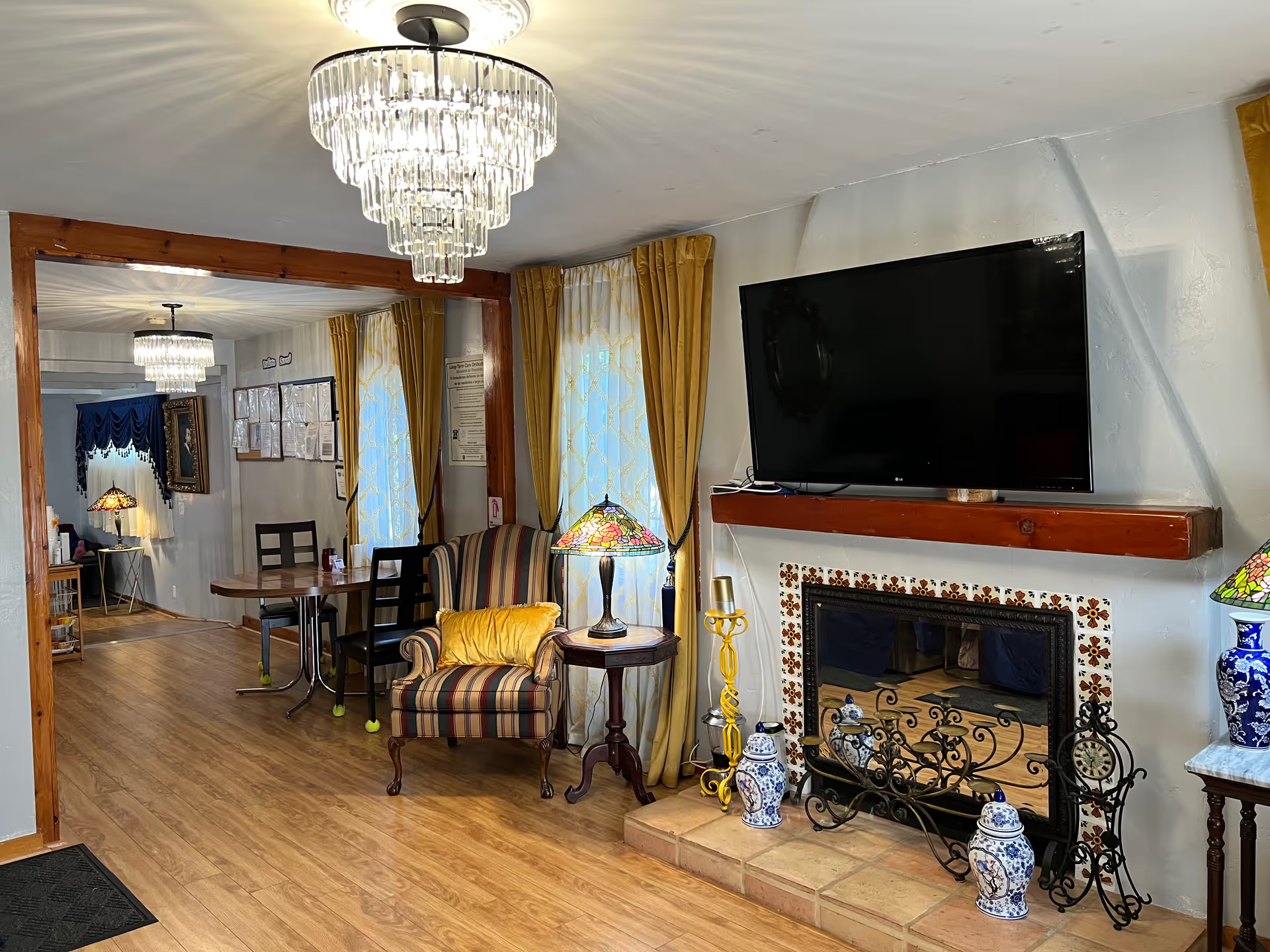
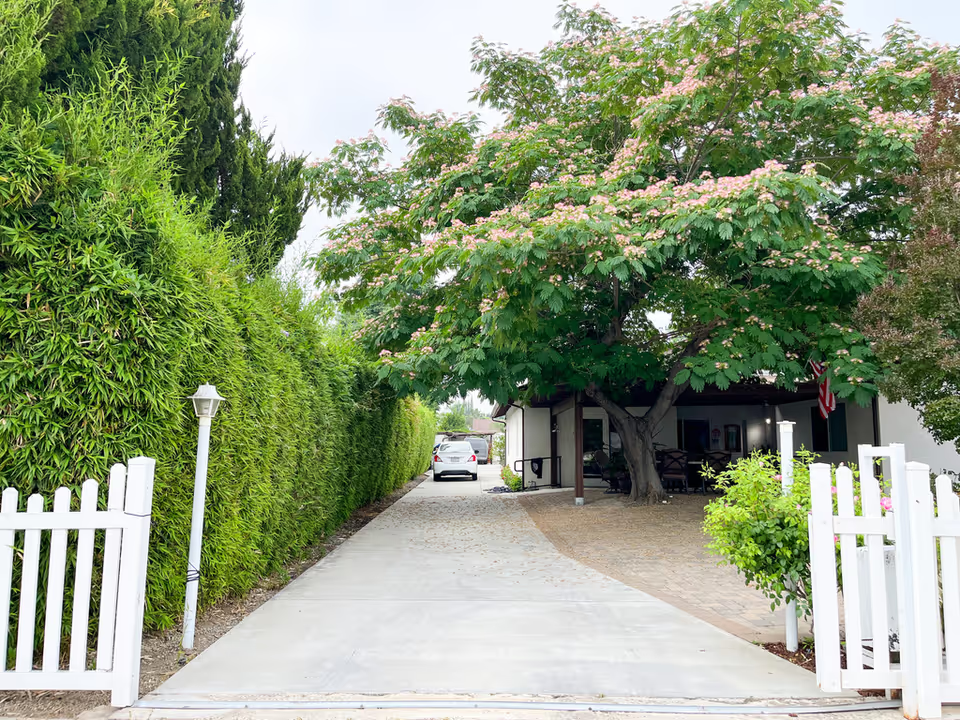
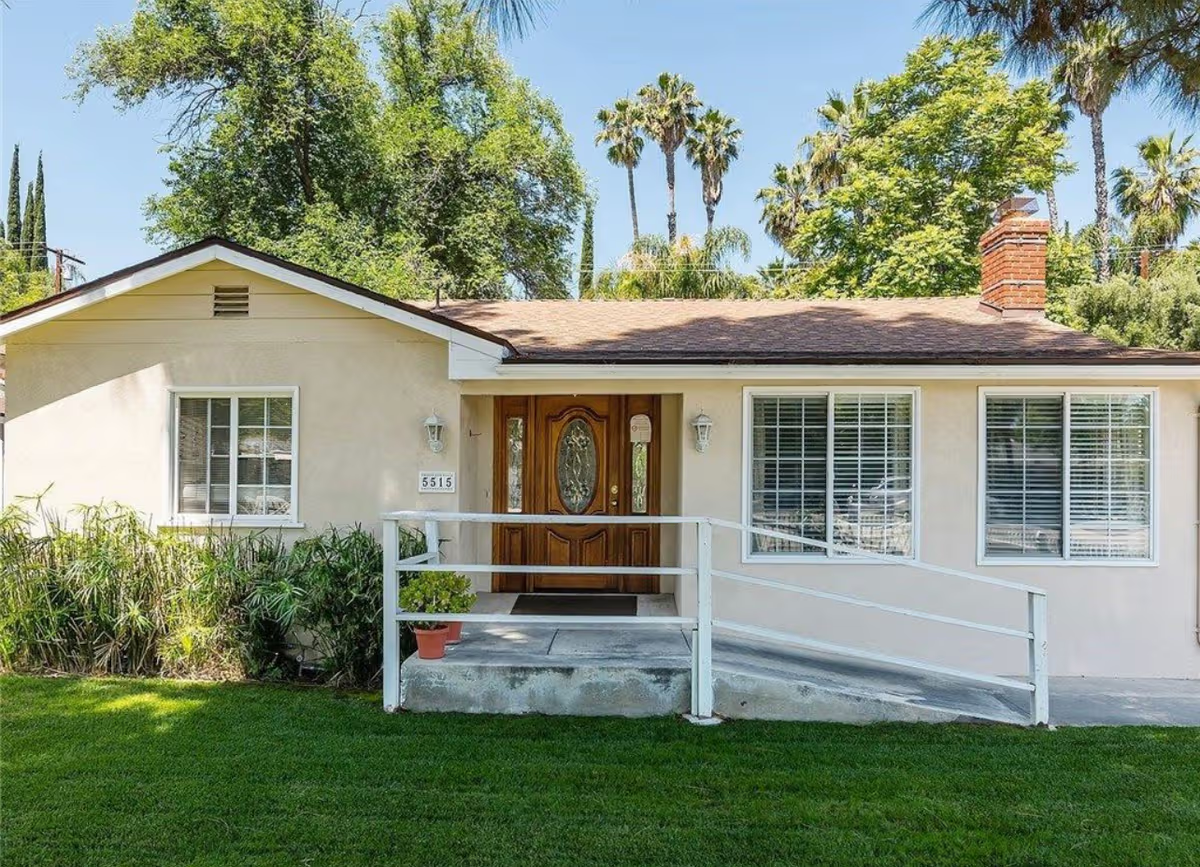
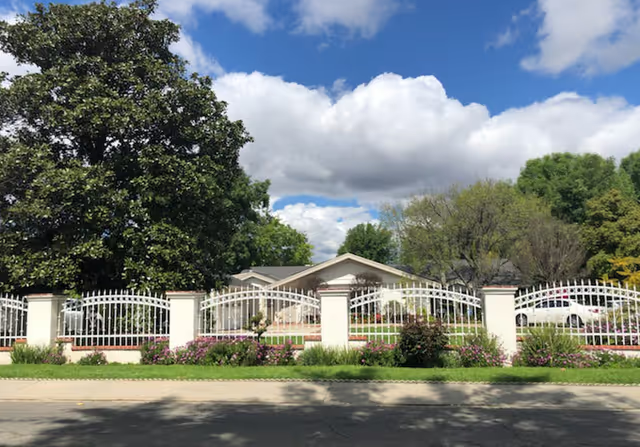
Dining, activities and facilities: The reviews offer little to no detail about meal quality, dietary accommodations, activity schedules or the breadth of social and engagement programming. Because those areas are important to daily life and quality of stay, the absence of commentary constitutes a gap in the available evidence rather than a direct critique of quality. Similarly, specifics about physical amenities, accessibility features and facility condition are sparse; an in-person tour and requests for sample menus and activity calendars are advisable to assess these domains.
Notable patterns and recommendations: The dominant pattern is strong endorsement of staff behavior, advocacy and individualized service—attributes that families often prioritize. The main operational gaps are informational rather than explicitly negative: limited published detail on dining, activities and clinical-service scope. Prospective residents and families should confirm staffing ratios, clinical services and medication-management protocols, and request current menus, activity calendars and a tour of communal spaces to form a complete assessment.