Reviews of Alderson Convalescent Hospital present a mixed picture with clear strengths alongside recurring operational concerns. Positives include several caregivers and clinical staff who are described as compassionate and attentive, a therapy department noted for dedicated PT/OT services, helpful CNAs, and instances of personalized nursing care with timely pain management. The facility is also described at times as clean and well maintained, with active recreation offerings and supportive discharge planning for returning home. Hospice and long-term care services are available, and some families praised effective medication education and transitional support.
Care quality appears inconsistent across different stays. While some residents received individualized assessments and effective symptom control, other accounts describe gaps in clinical assessment (for example, missing or delayed specialty evaluations) and inconsistent follow-through on therapy plans. Several reviews highlight problems with care coordination during transitions — notably transfers to and from hospital — and with reentry and transition policies. These operational weaknesses have implications for continuity of care and for families managing complex clinical needs.
Staff behavior and communication are similarly variable. Many reviewers singled out compassionate nurses, CNAs, and activity staff who engaged residents and supported families. At the same time, other families reported concerns about staff conduct, tone, and responsiveness; these patterns point to uneven training, supervision, or staffing stability. Family communication and care-planning meetings were sometimes characterized as perfunctory rather than substantive, which undermines collaborative care when clinical status changes.
Dining and activities receive mixed feedback. The facility offers regular menus, social dining opportunities, and activity programming that some residents enjoy. However, other reports describe inconsistent meal quality and temperature control, and there are concerns about adequacy of feeding assistance and nutritional monitoring for residents who require assistance at meals.
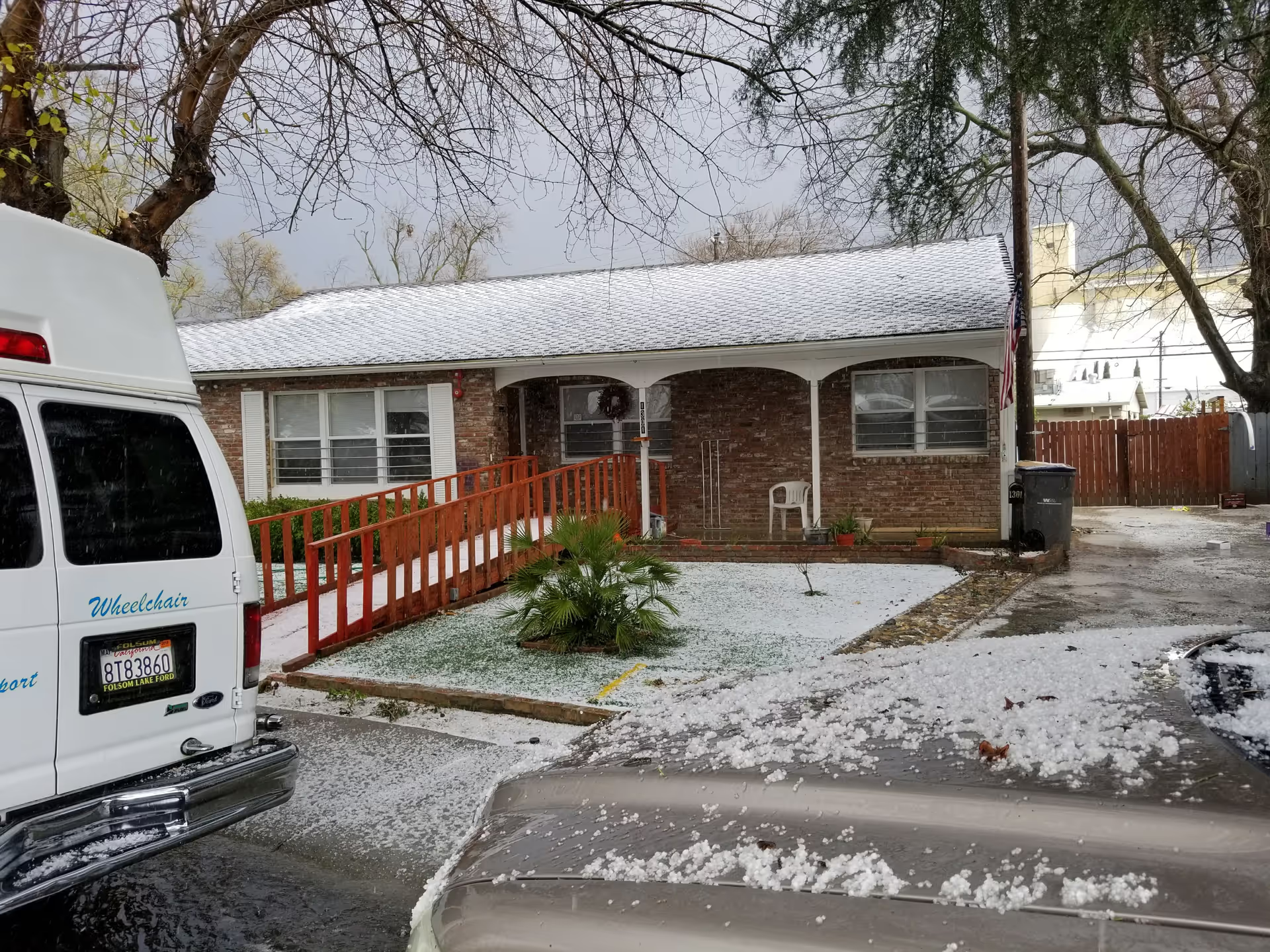
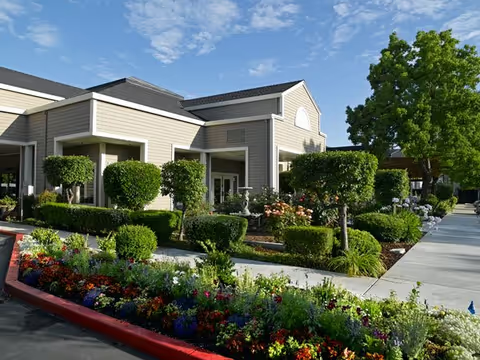
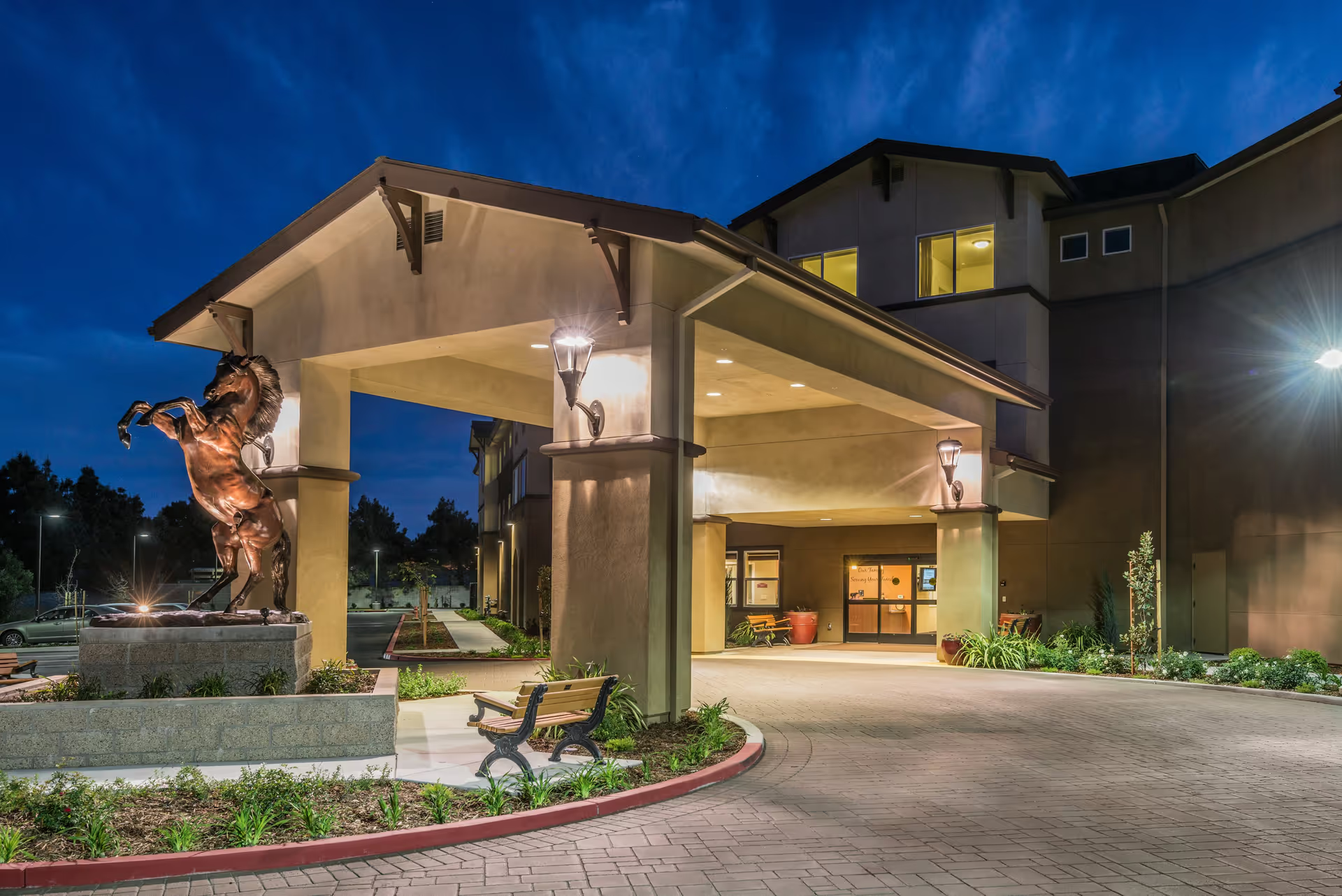
The physical environment is described positively by some and negatively by others. Praise focuses on well-kept common areas and recreation spaces; criticisms center on aging infrastructure, environmental-control problems (thermostat and access issues), dim lighting in some hallways, and sanitation/odor concerns in particular areas. These observations suggest variability between units or shifts in maintenance responsiveness.
Management and policy patterns also vary. Some reviewers acknowledged responsive leadership and quick resolution of issues, while others perceived administrative processes as prioritizing paperwork or finances over individualized resident needs. Notable operational themes that warrant attention are dementia-care capabilities, transfer/reentry policies, consistency of personal-care routines, and transparent family communication.
For prospective residents and families: verify whether the facility can meet specific clinical needs (especially dementia care and complex care transitions), observe staffing and interactions during meal and activity times, and ask for written policies on transfers, re-admissions, and infection-control transitions. These steps can help reconcile the facility’s documented strengths with the operational inconsistencies reflected in the reviews.