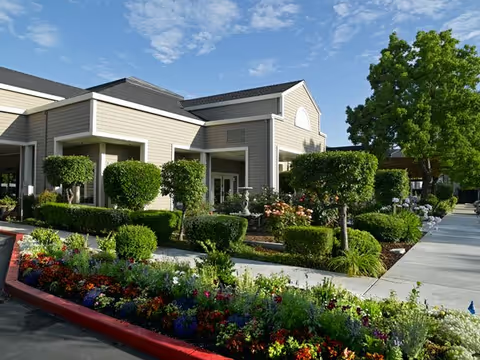
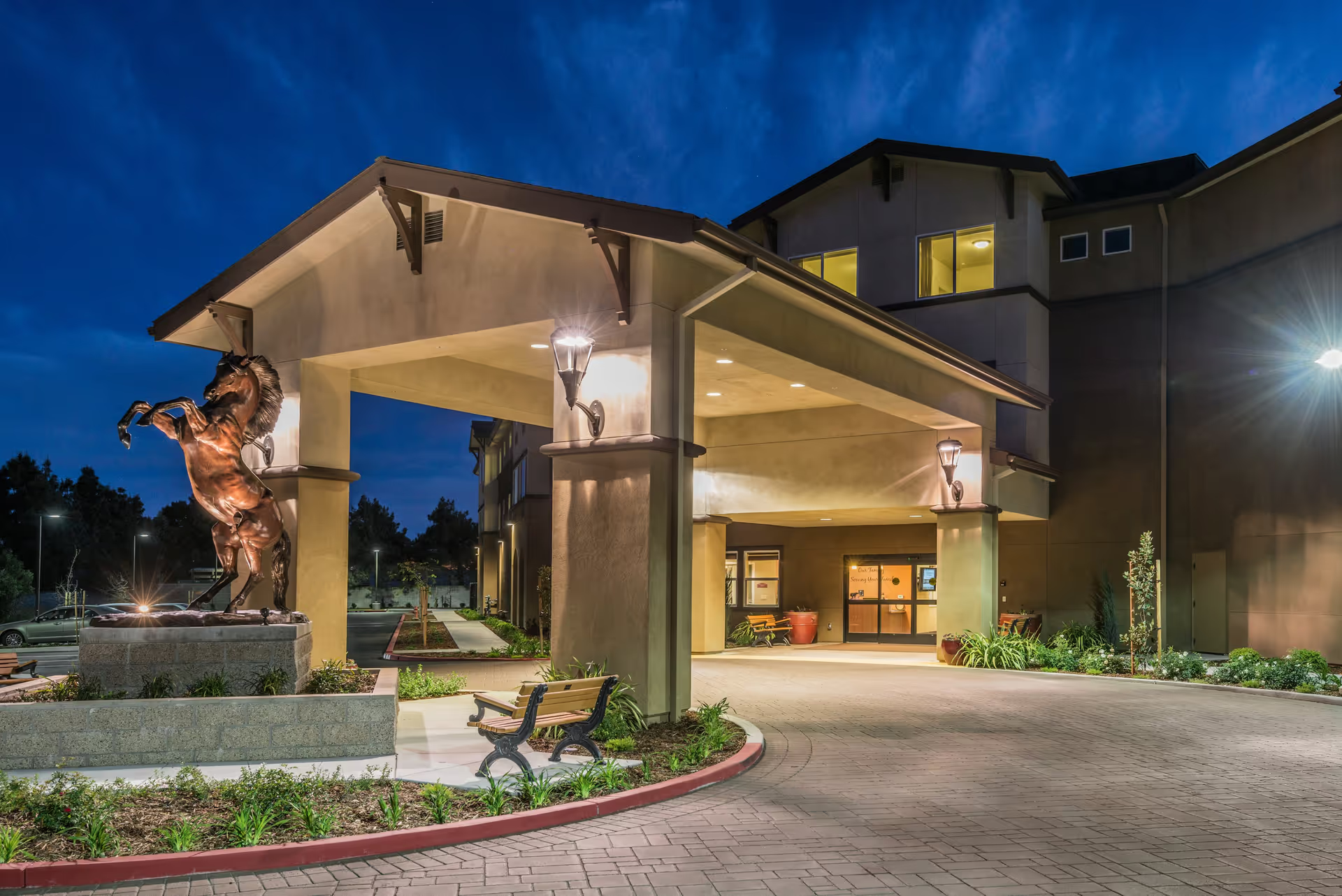
Overall impression: The facility presents as a well-kept, activity-focused senior community with substantial strengths in environment, social programming, and dementia care. Many accounts emphasize cleanliness, attractive indoor and outdoor common spaces, pet-friendly programming, and a calendar of daily activities that includes exercise classes, bingo, book clubs, field trips, and regular outings. The campus is often described as comfortable and home-like, with large common rooms, gardens, and amenities such as a library, dining area, and shuttle service. Proximity to a hospital and an apparently efficient admissions/move-in process are additional practical advantages for families seeking convenient access to care and transitions.
Care and staff: Reviews generally praise frontline staff—housekeeping, dining, activities, and many caregivers are characterized as kind, compassionate, and engaged. The memory-care/dementia program receives repeated positive mention for tailored programming and round-the-clock supervision. At the same time, there is a clear pattern of variability in clinical operations and staff conduct: concerns include delays or inconsistencies in medication administration and coordination with hospital discharges, uneven documentation between shifts, and instances described as rough or inattentive handling. These indicate gaps in transfer-safety practices, medication-management protocols, and consistent resident-handling training rather than uniform poor care. Prospective families should probe staff training, handoff procedures, and medication reconciliation processes during tours.
Dining and activities: Dining is frequently highlighted as a positive—several reviews praise the menu, meal presentation, and dining room atmosphere, with some families describing the food as excellent. However, other accounts cite dissatisfaction with meal quality or limitations related to special diets, suggesting menu execution and consistency can vary. The activity program is a clear strength: diverse daily programming, regular outings, and in-house social events contribute to a lively community environment. Activity availability has been affected at times by infection-control measures, which prospective residents should discuss with staff to understand current limitations.
Facilities and amenities: The physical plant is commonly described as modernized in parts, clean, and well maintained, with spacious rooms compared favorably to newer, smaller facilities. Outdoor seating areas, courtyards, and pet amenities (including a dog area and small animal programs) are recurring positives. Some units and rooms are characterized as dated but clean and larger than average. Shared-room options exist and may offer cost advantages, but they also raise privacy and roommate-management considerations.
Management and operations: Administrative experiences are mixed. Positive notes include helpful tour directors and admissions teams that facilitate quick transitions. Contrastingly, there are repeated accounts of inconsistent front-desk responsiveness, billing practices that include unexpected processing fees and reimbursement delays, and variable communication from office staff. These point to operational and transparency issues at the administrative level. Staffing variability—both in numbers and competence—appears linked to responsiveness concerns, affecting timely assistance and comfort during peak periods or at night.
Notable patterns and questions for families: The reviews form a polarized picture: many families express high satisfaction with staff, activities, and the community atmosphere, while others raise substantive operational concerns focused on medication management, inter-shift communication, billing transparency, and occasional sanitation or roommate-care issues. These are facility-level patterns rather than isolated compliments or complaints. When evaluating this community, families should directly inquire about medication reconciliation and hospital discharge coordination, staff training in transfer and handling techniques, staffing ratios by shift, billing and fee disclosures, and current infection-control impacts on programming. Clarifying roommate policies and private-room availability will also help align expectations with individual care needs.