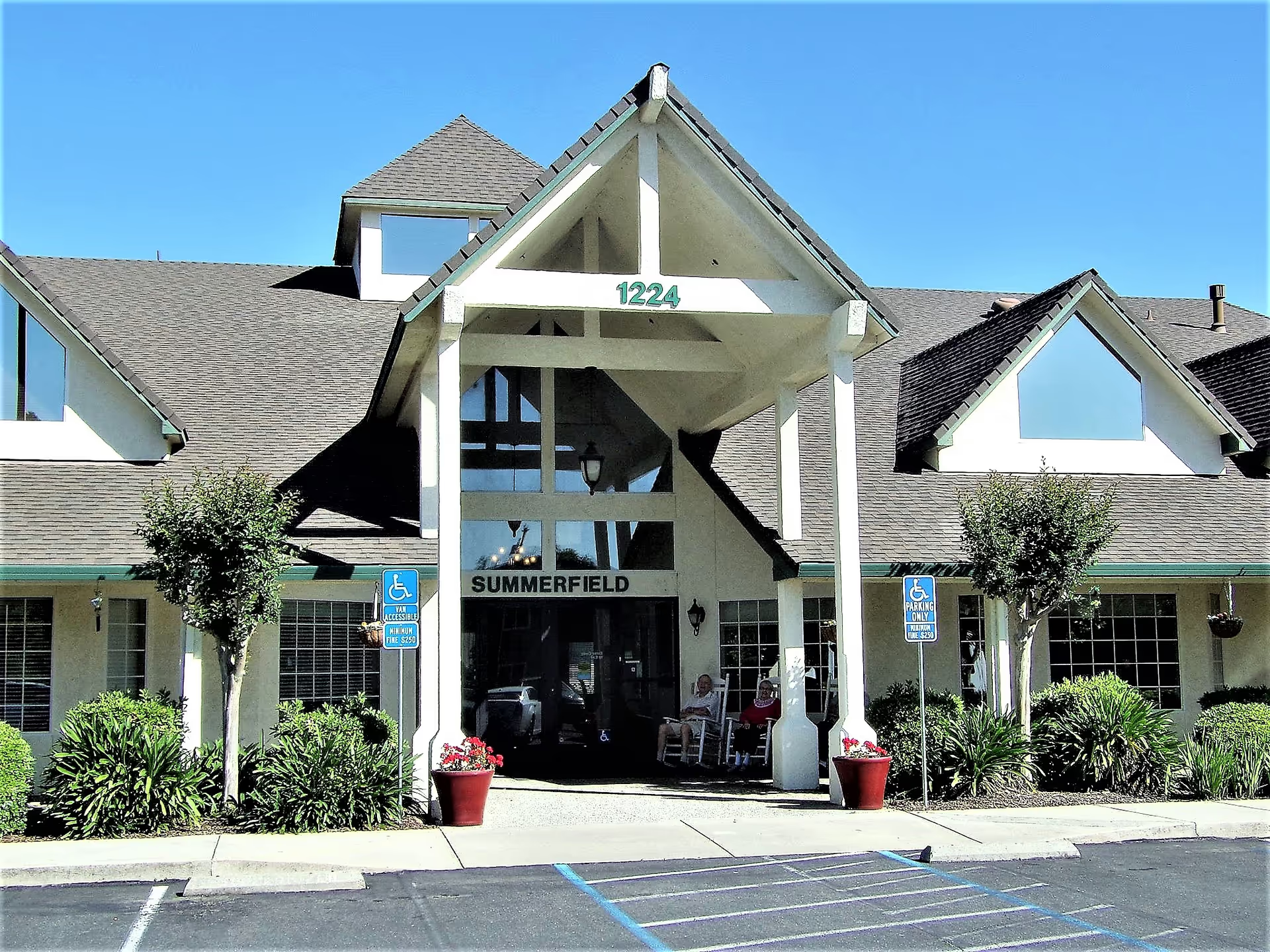
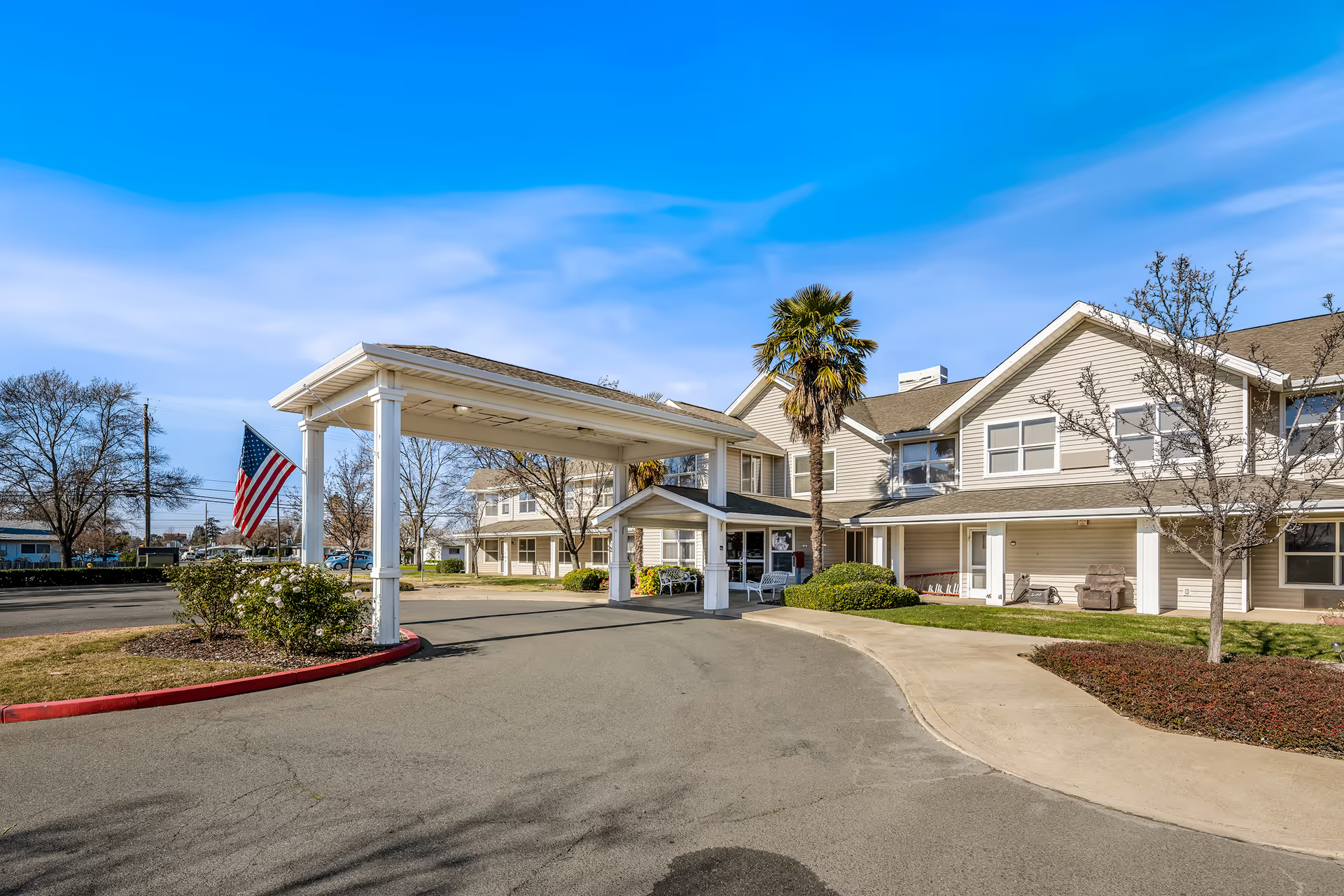
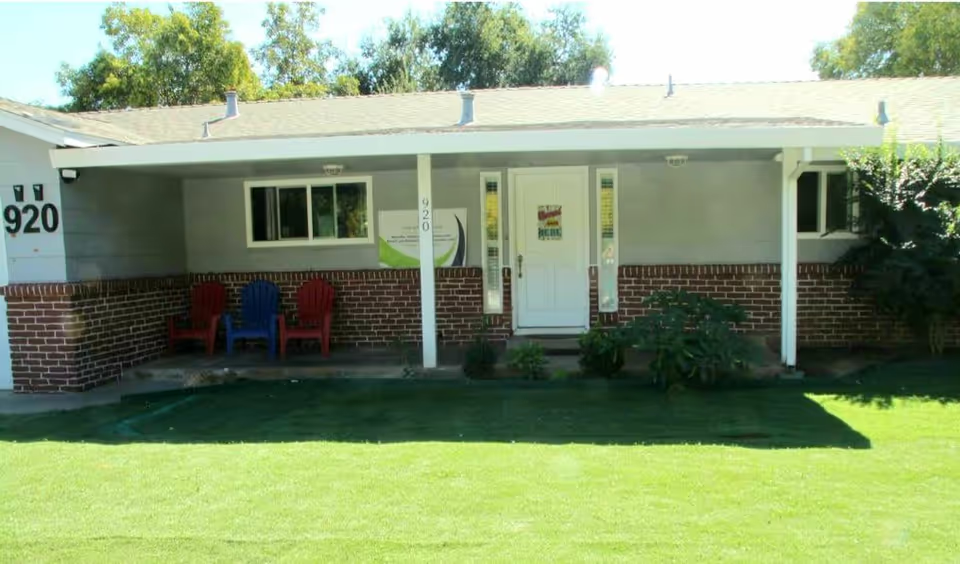
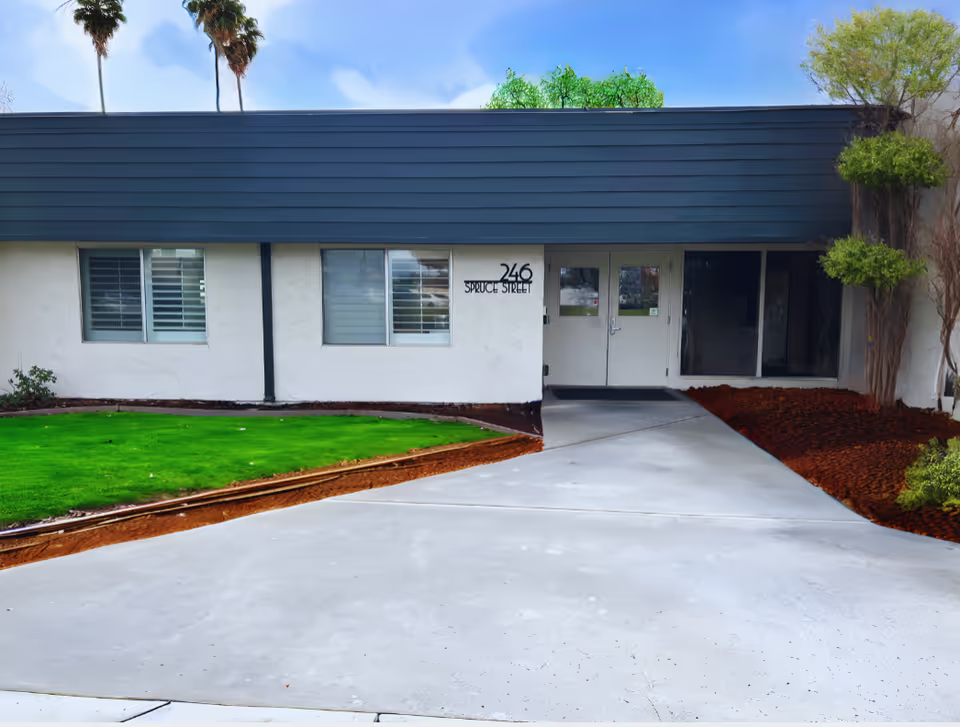
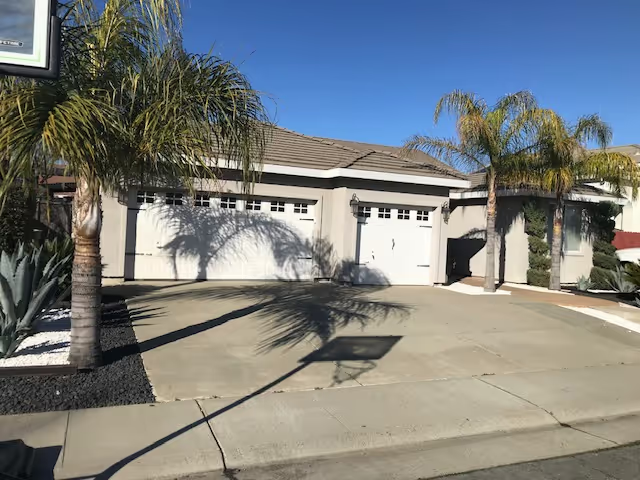
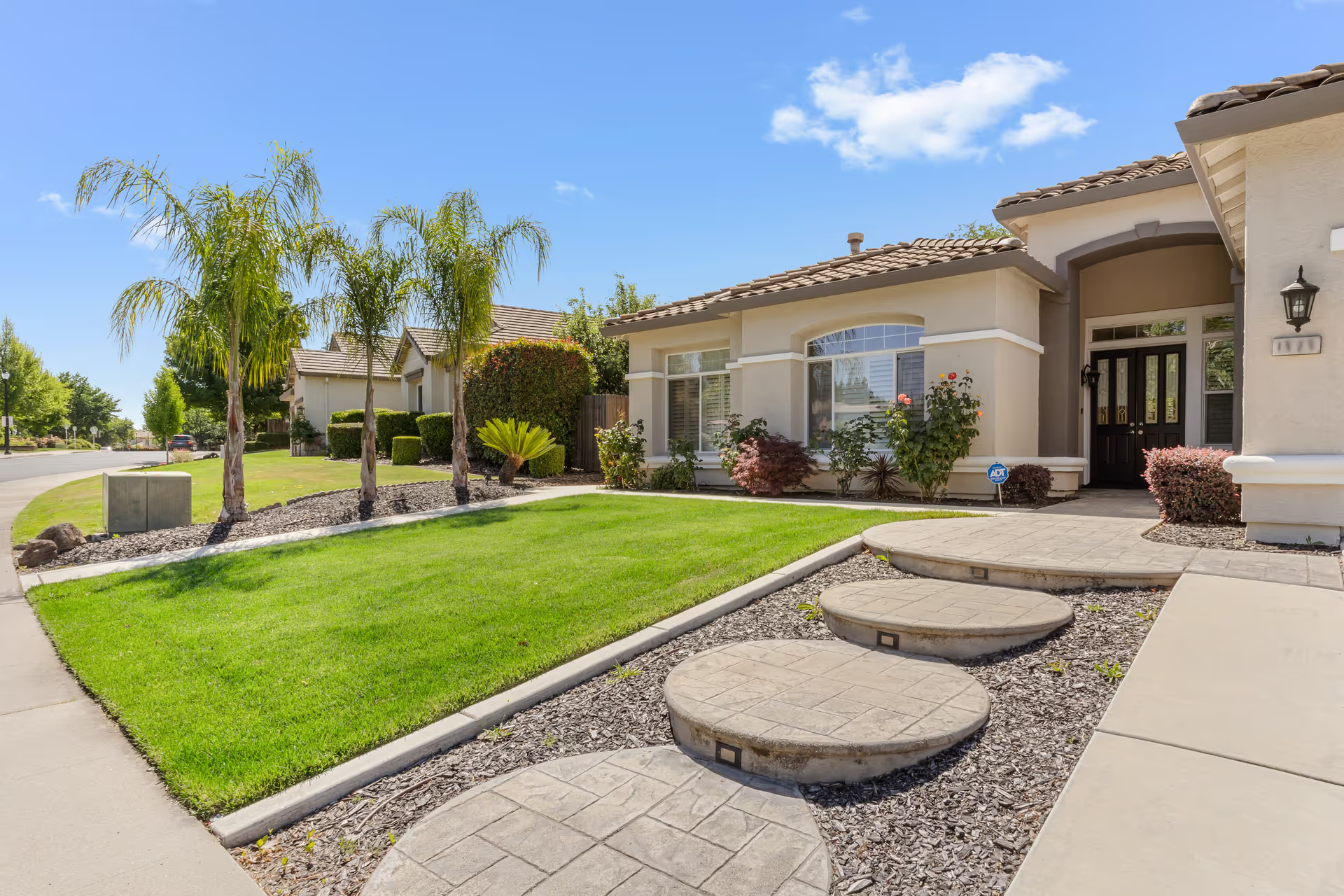
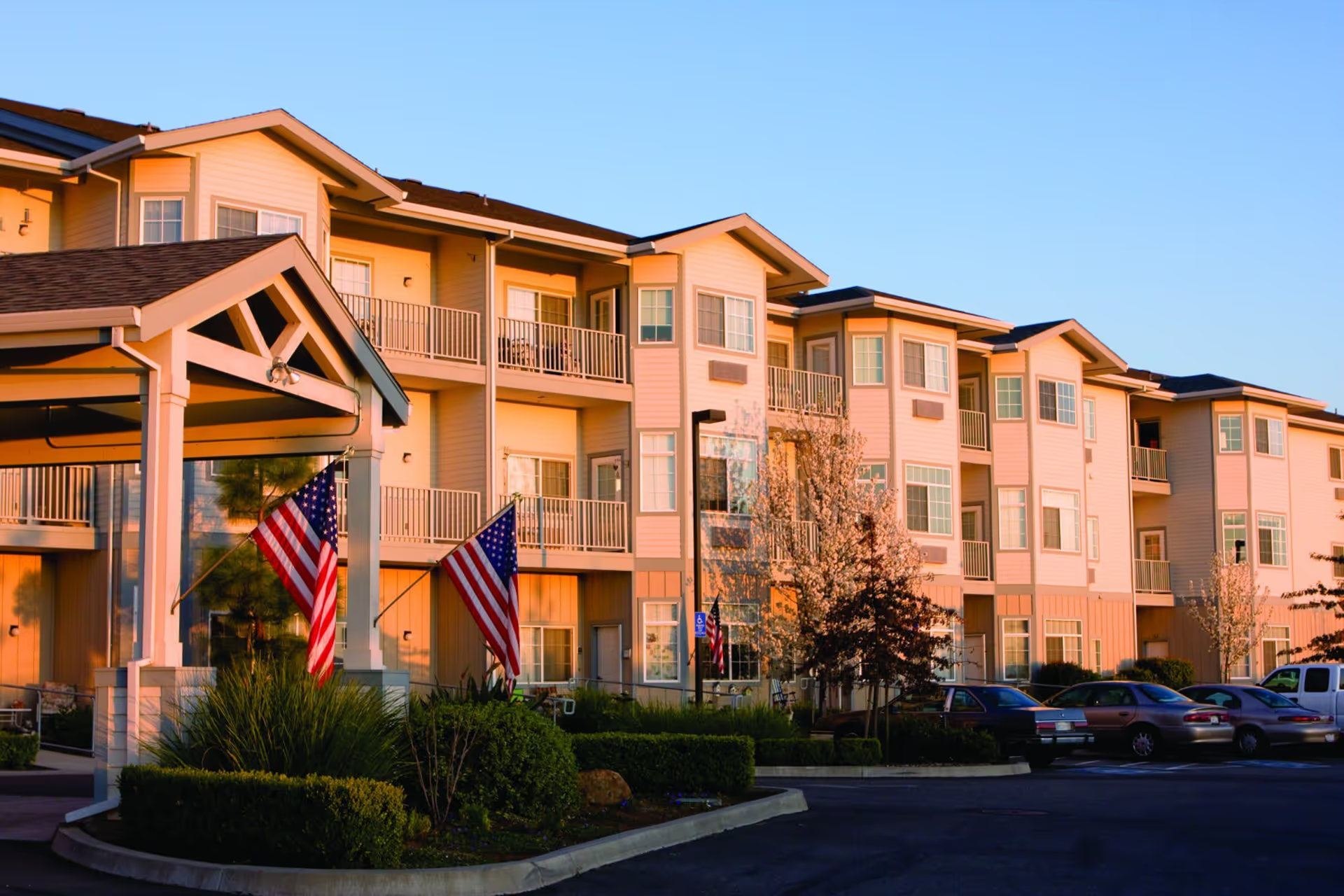
Gardens Alzheimer's Care presents as a modern, well-kept memory-care community with several operational strengths noted by families and visitors. The building and common areas are described as attractive, contemporary, and clean; the facility offers controlled access and secure entry, private and semi-private accommodation options, and a convenient location close to medical services. Dining and common spaces are characterized as spacious, and the property appears easy to visit for families.
Care and staffing are recurring strengths. Reviewers emphasize friendly, compassionate, and knowledgeable staff, availability of 24-hour supervision, and on-site services such as medication management and personal-care assistance. Family support meetings and staff willingness to answer questions are cited as positive elements; overall impressions include adequate staffing and a high level of family satisfaction in many accounts.
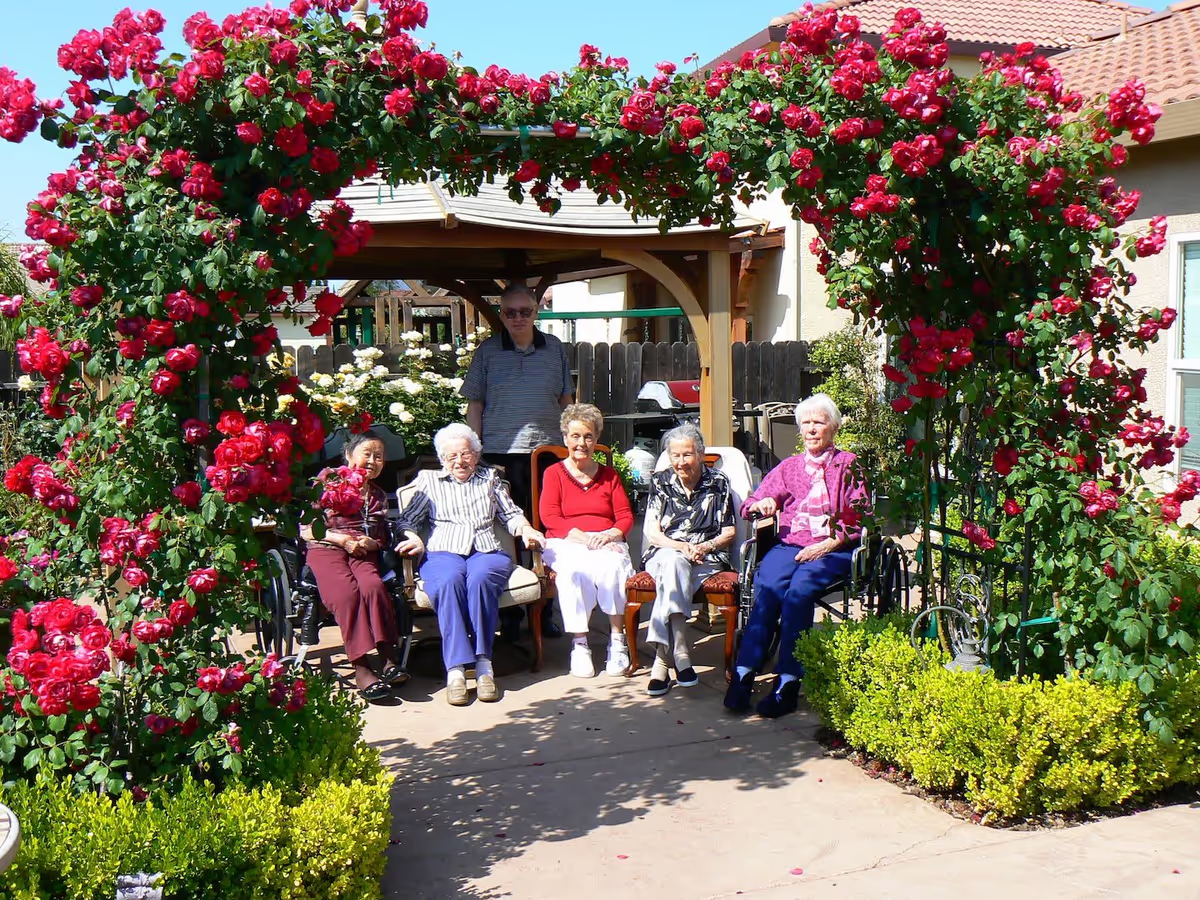
Activity programming is robust and varied. The community offers seven-day programming with group and individual activities such as arts and crafts, games (bingo, cards, dominoes), music therapy, cooking classes, and garden walks. Adult day care services are available, and group activities are used to provide cognitive and social stimulation. These offerings contribute to engagement opportunities for residents with differing interests.
Notable patterns of concern relate to the emotional climate and fit of memory-care programming for some residents. Several accounts describe a somber or mournful atmosphere in portions of the community and note limited nonverbal engagement (for example, reduced eye contact) during some staff–resident interactions. A related theme is that the memory-care approach does not always align with every resident’s needs or temperament, suggesting variability in personalization or in mood- and stimulation-focused interventions.
For prospective residents and families: Gardens Alzheimer’s Care appears to offer strong baseline clinical oversight, a broad activity schedule, and a well-maintained physical environment. When evaluating the community in person, consider observing mealtime and activity periods, assessing the tone of staff–resident interactions, and asking specific questions about individualized memory-care plans, mood- and stimulation-focused therapies, and how staff tailor engagement to different cognitive and emotional needs. These steps will help determine whether the facility’s emotional climate and programming are an appropriate fit for a particular resident.