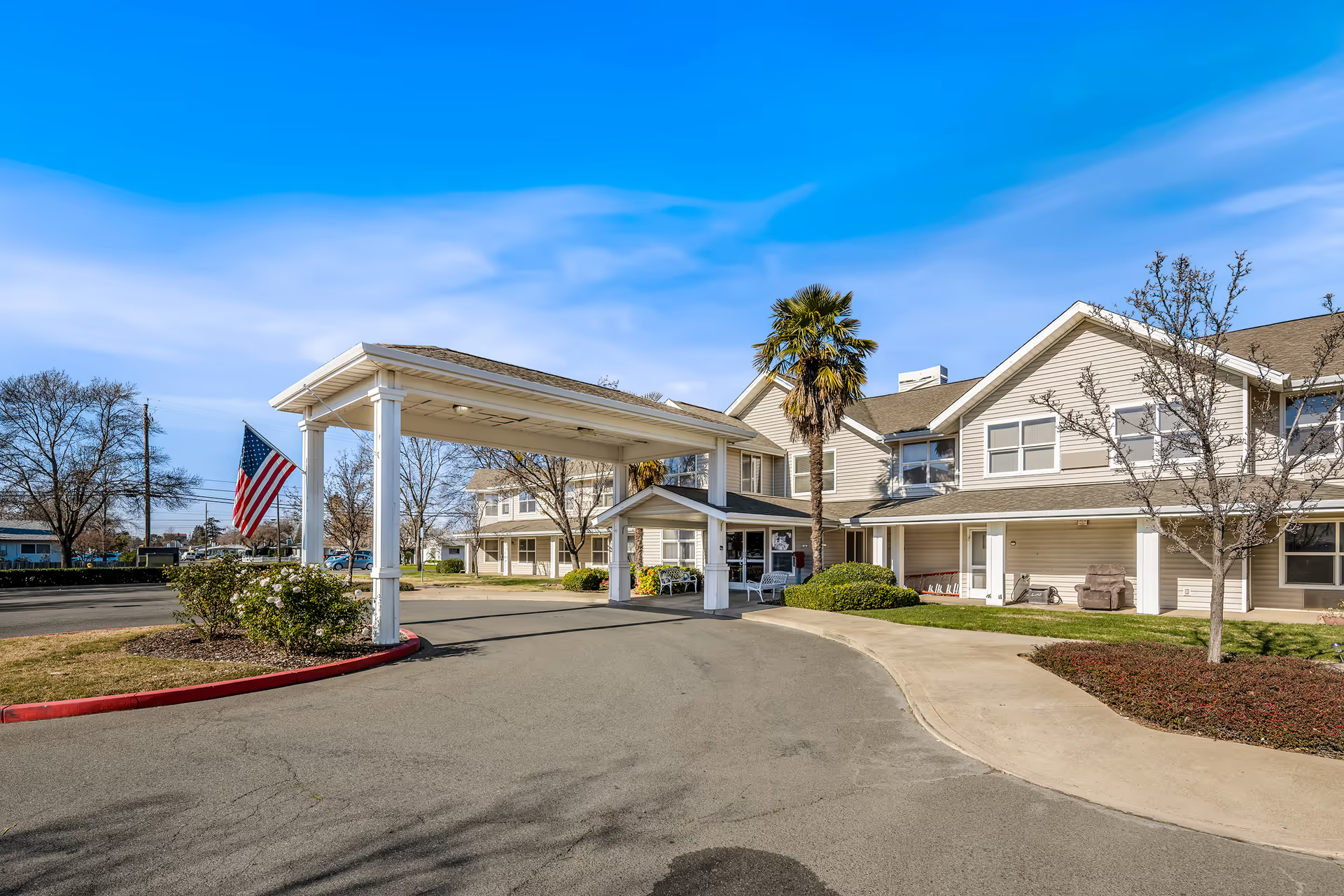
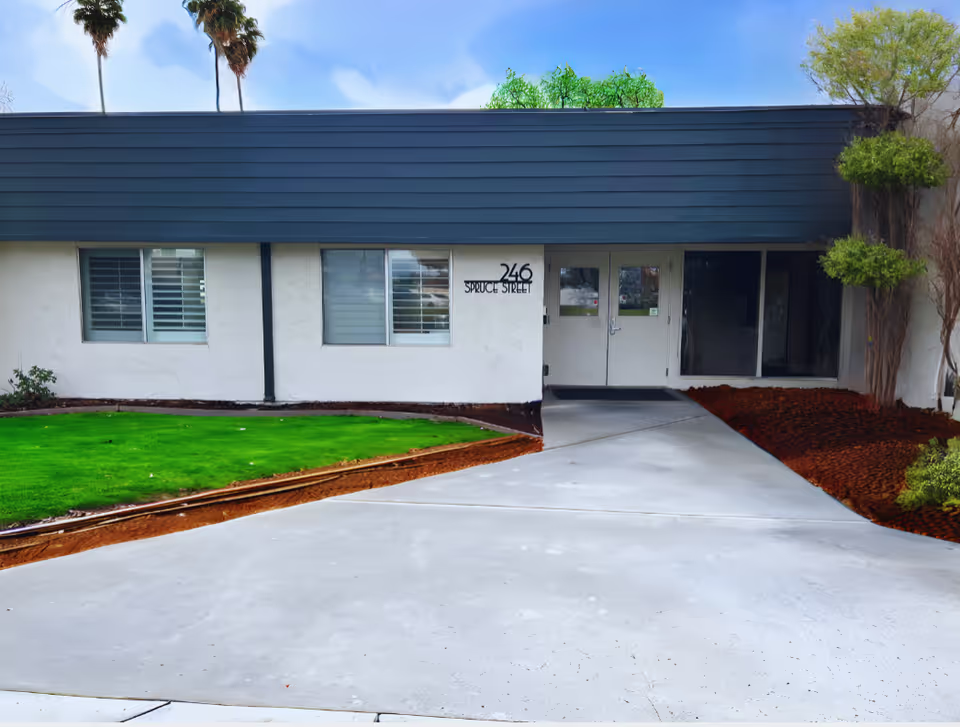
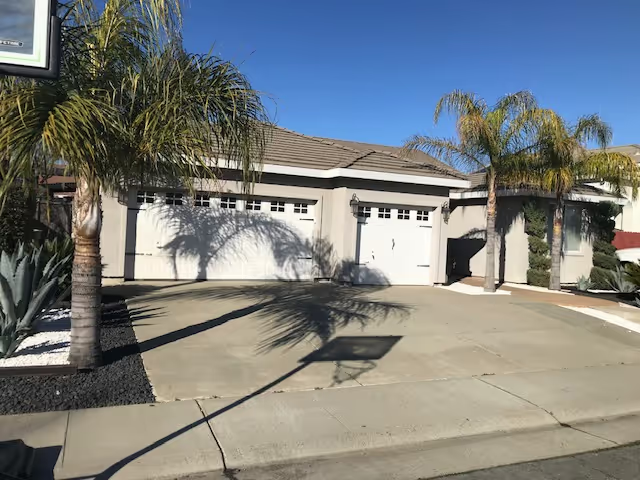
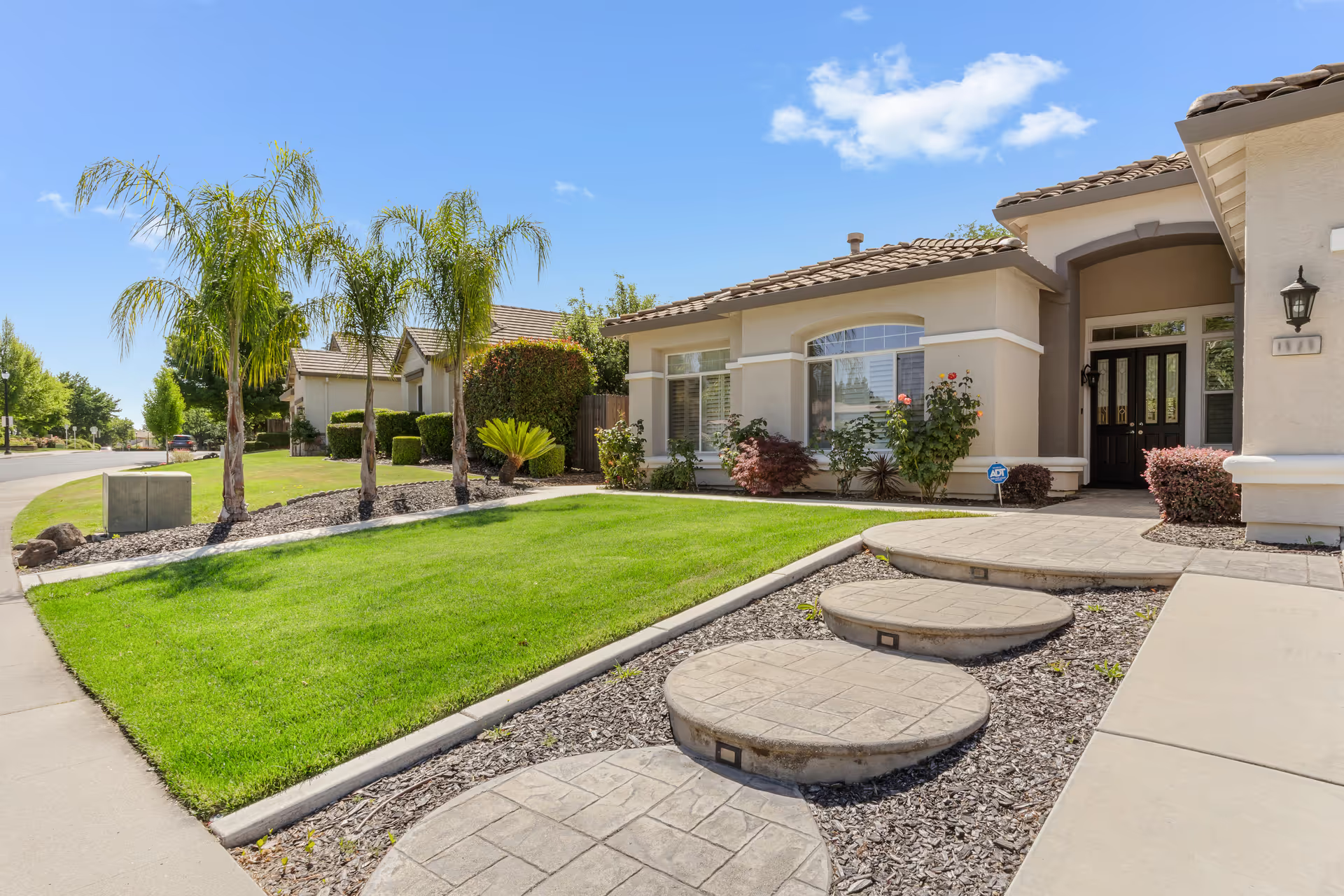
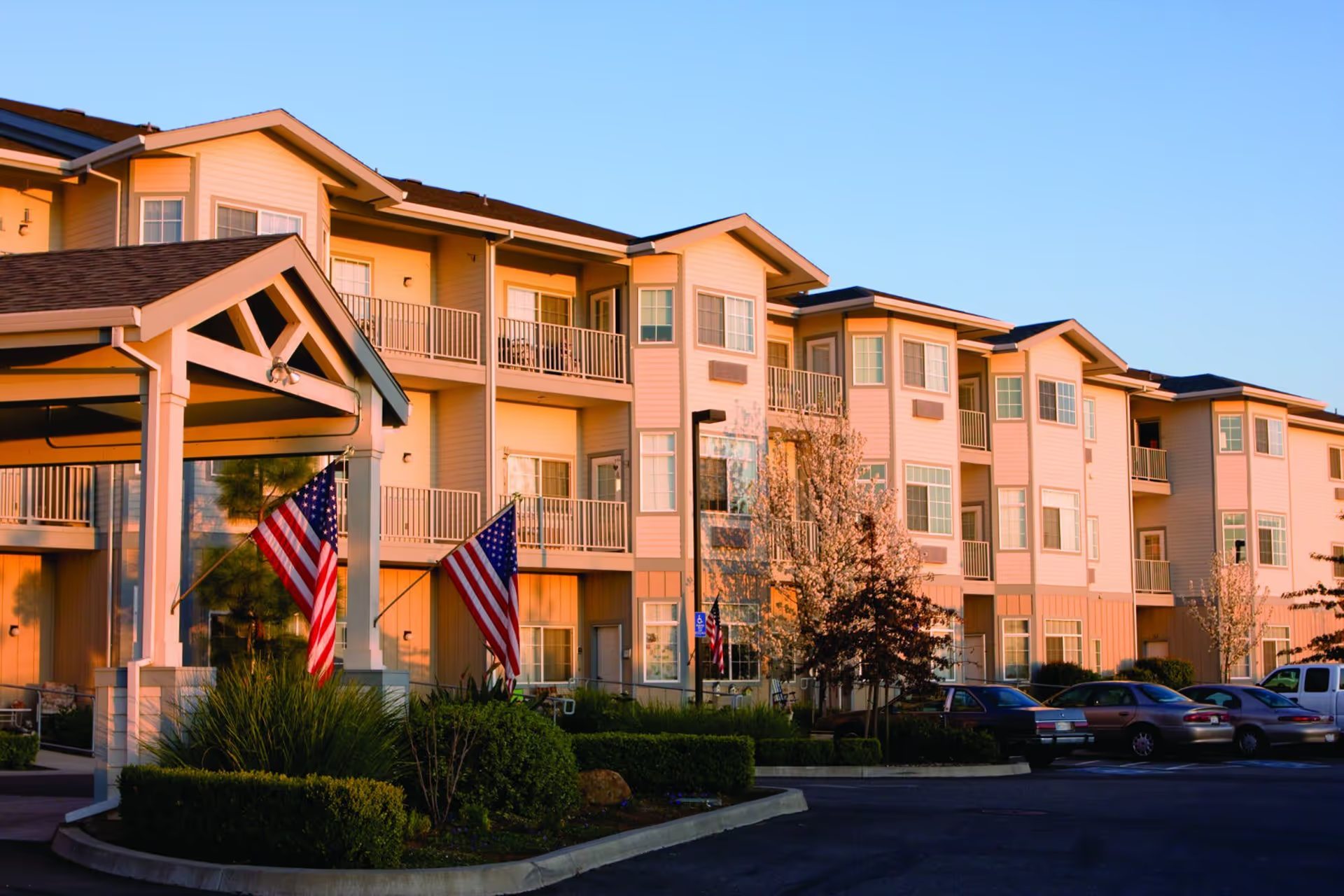
Willow Glen Care Center presents a mixed picture. Physically, the campus appears to be an asset: reviewers consistently describe newer, modern rooms that are spacious and include private bathrooms, well-maintained buildings, gated grounds, and large common living areas. The facility operates as a locked campus serving residents with dementia, cognitive disabilities, and residential mental-health needs, and that configuration is reflected in both security features and program offerings.
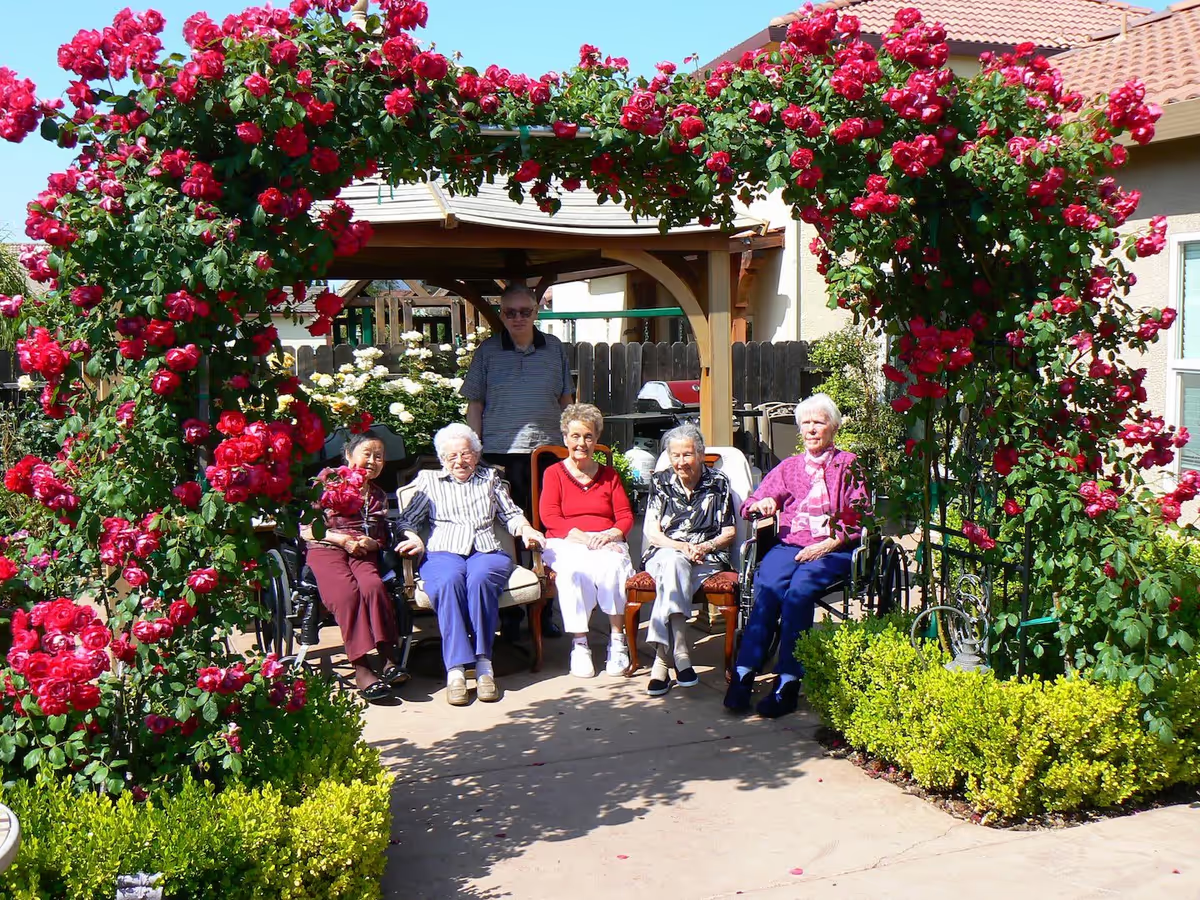
Dining and programming are frequently cited as strengths. The on-site kitchen delivers varied, quality meals and snacks, and many residents and families prefer dining in the communal lunchroom. Activity and therapy staff are described as upbeat and engaging, with regular classes, routines, and community outings that support social engagement and quality of life. These programmatic elements are complemented by reports of caring frontline staff and positive staff–resident relationships, and some families highlight a responsive coordinator who keeps them informed.
At the same time, the reviews indicate important operational concerns that may affect care quality. A recurring theme is chronic understaffing and limited licensed clinical coverage; this appears linked to inconsistent responsiveness to call systems and delays in attending to some personal-care needs. Reviewers describe gaps in routine care tasks, including linen-change frequency and other personal-care routines, and raise sanitation and incontinence-care concerns in certain areas. Staffing instability and operational strain during peak periods are described as contributing to a sometimes chaotic environment.
Security and oversight present a mixed picture. While the facility is a locked, secure campus intended for cognitive-care residents, there are occasional descriptions of inconsistent adherence to door and perimeter protocols. Several families also raised concerns about clinical oversight and transparency following serious events, including concerns following resident deaths; these accounts point to a need for clearer communication and external oversight when critical incidents occur.
In summary, Willow Glen offers tangible strengths: modern accommodations, robust activities, an on-site kitchen, and many staff who are described as caring and communicative. However, persistent staffing shortages, variability in basic personal-care routines and sanitation practices, occasional security-protocol lapses, and questions about clinical oversight are significant operational issues that prospective families should evaluate. An in-person visit focusing on staffing levels, hygiene routines, call responsiveness, and how the facility communicates about and responds to serious incidents would be advisable for families considering placement.