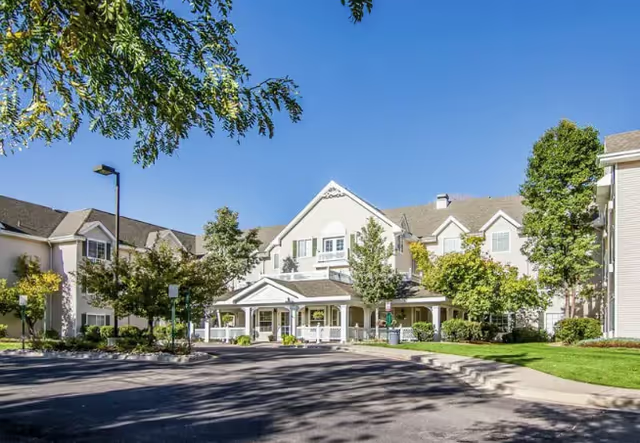
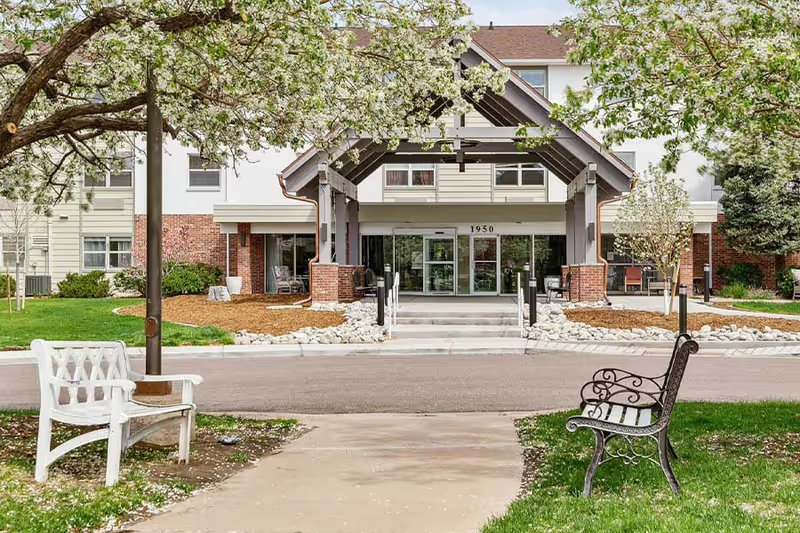
Reviews for Highland Park Rehabilitation and Care Community present a mixed picture in which several consistently praised operational strengths coexist with recurring operational weaknesses. Many families commend the caregiving staff: nurses, aides, therapists, and front-desk personnel are frequently described as compassionate, attentive, and willing to go beyond routine duties. Physical therapy and rehabilitative services receive positive feedback for thoroughness and home-planning. The facility's common areas and lounges are often characterized as clean and comfortable, with a homelike ambience, pet-friendly features, and active programming that can support longer stays.
At the same time, a set of operational patterns emerges that prospective residents and families should evaluate carefully. A dominant theme is inconsistent responsiveness — prolonged call-light response times and delays in administering scheduled medications or antibiotics were noted. Several accounts point to gaps in wound-care follow-up and post-surgical coordination, as well as abrupt or poorly communicated discharges. Communication with families and coordination of aftercare were uneven: some reviewers praised case management and social work support, while others described difficulties obtaining timely updates or follow-up appointments.
Dining and activities are uneven across reports. Some residents and families appreciated meal offerings and an active events calendar including music visits, while others cited inconsistent food quality and limited therapeutic- or low-carbohydrate diet options for residents with diabetes. Activity programming appears present and meaningful for many, but the breadth and daily consistency of activities may vary by unit or shift.
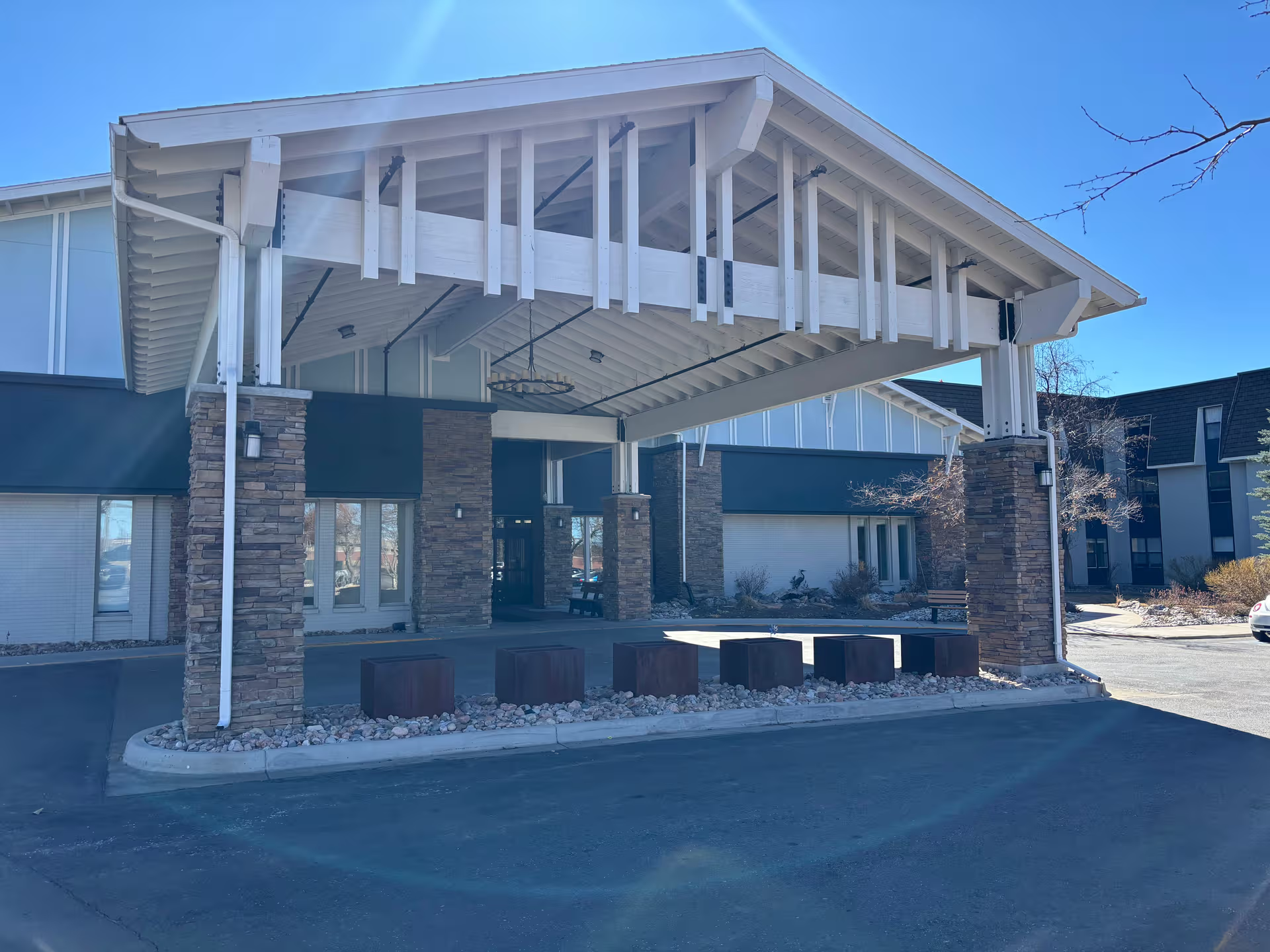
Facility condition is described as mixed: portions of the building have been remodeled and are well-maintained, but the campus is generally older and has infrastructure issues such as inadequate air conditioning in some patient areas, localized water damage, and maintenance items (e.g., heating). Cleanliness is praised in several accounts, yet there are also sanitation and odor concerns in specific areas and mentions of pest-control issues. Infection-control practices were a concern in a subset of reviews, including a COVID-related outbreak and subsequent hospital transfers; these items suggest the need to review the facility’s current infection-prevention protocols and outcomes.
Management and administrative experiences vary substantially. Some reviewers singled out administrators and staff who provided excellent, proactive help with admissions, Medicaid, and family communications. Others described billing errors, unanswered business-office messages, inconsistent follow-through on promised caregiver education, and concerns about staff conduct and tone — including instances of raised voices or unprofessional interactions. Staffing stability and language-compatibility were raised as operational challenges that can affect day-to-day care.
Overall, Highland Park demonstrates clear strengths in compassionate caregiving, rehabilitation services, and certain aspects of the physical environment and programming. However, recurring operational weaknesses — notably inconsistent responsiveness, medication and wound-care timeliness, variable communication with families, dining limitations for therapeutic diets, aging infrastructure, and isolated sanitation and infection-control concerns — warrant careful inquiry by prospective residents and families. When considering this facility, families should ask for current performance metrics on call-light response times, medication-administration protocols, infection-control records, therapeutic-diet accommodations, staffing ratios and language capabilities, and examples of how management addresses complaints and billing discrepancies.