Boulder Canyon Health and Rehabilitation receives strongly mixed feedback with distinct patterns of strengths and operational weaknesses. The most consistent positives relate to the caregiving and therapy teams: nursing assistants, nurses, and therapists earn praise for compassion, attentiveness, and rehabilitation skill. Reviewers frequently credit the therapy staff with individualized plans and measurable functional gains that supported home discharge. The facility offers on-site multidisciplinary services (PT/OT/ST), a salon, and a Life Engagement program that provides varied activities, social events, and dementia-focused programming; families often single out the activities coordinator for personalized attention and regular family updates.
Dining and resident life are frequently described as strengths. Meals are described as palatable and modifiable for special diets, and many accounts note engaged residents, a wide range of daily activities (games, music, holiday events), and meaningful memory-care programming. Case management and front-desk responsiveness are noted positively in many reviews, and several families report good communication from staff about care plans and progress.
At the same time, multiple operational concerns recur across reviews. Medication administration and related communication emerge as a significant risk area, with accounts referencing delayed doses, incorrect dosing, and family-notification gaps; this suggests the facility's medication-administration controls and family-notification processes may be inconsistent. Staffing variability is another theme: reviewers describe uneven staffing levels and responsiveness (including weekend coverage and timely vitals/attentiveness), which can affect monitoring, timely assistance, and the reliability of daily care.
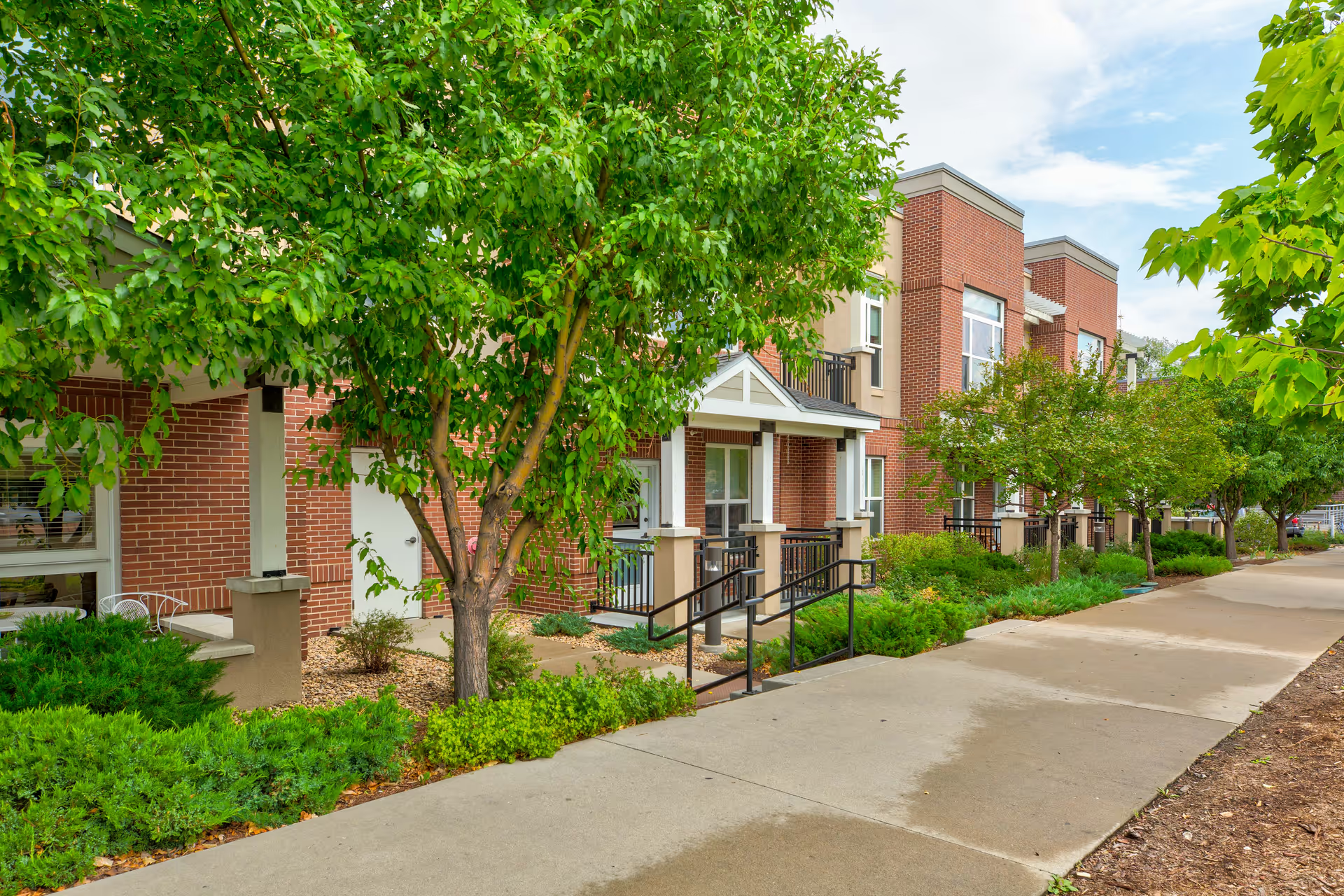
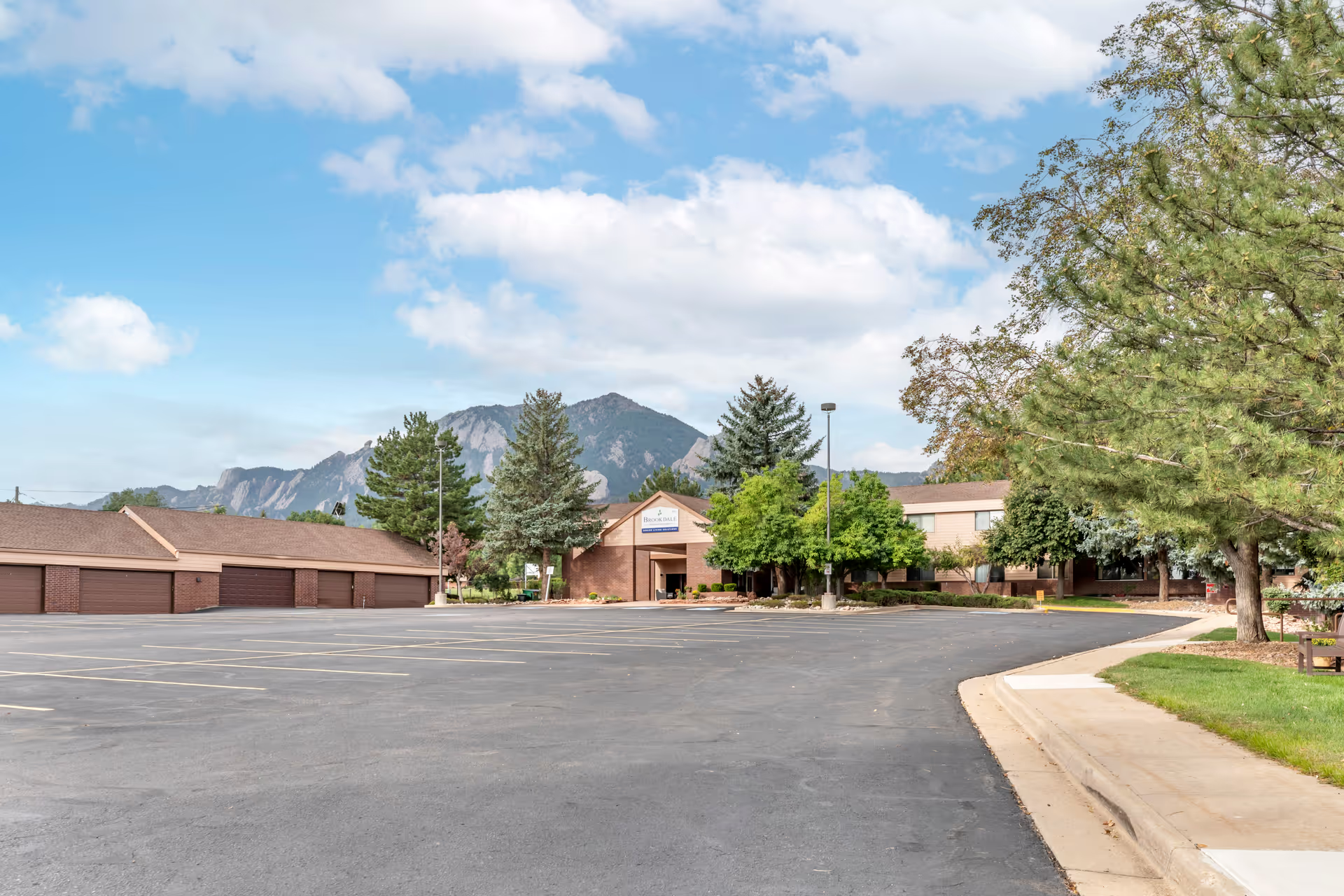
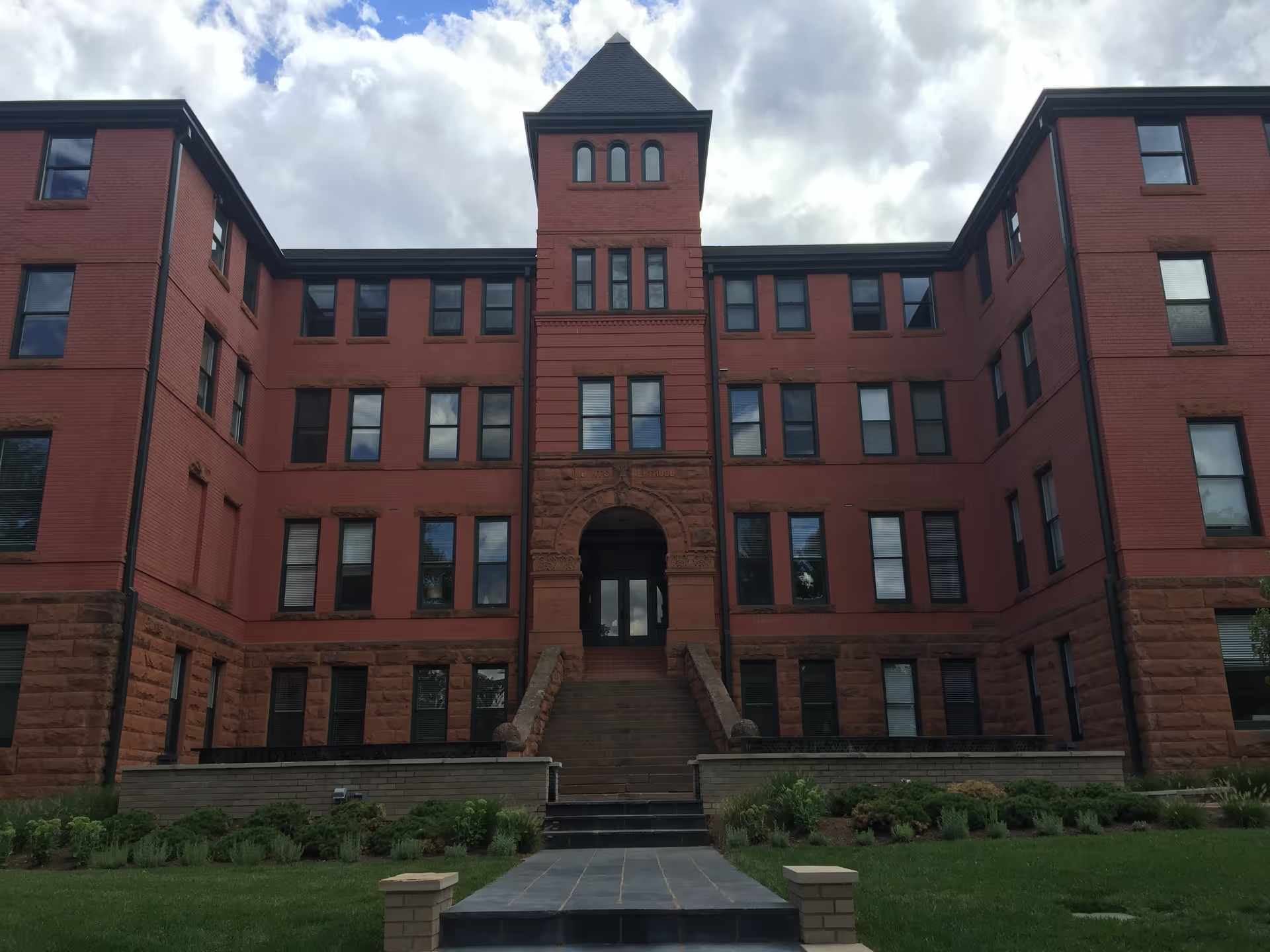
The physical plant and environmental issues are also recurring. The building is older and undergoing renovations, and reviewers report HVAC limitations (overheated rooms, lack of central air, use of swamp coolers), accessibility obstacles (bathroom inclines, long distances to toilets for some rooms), and various maintenance problems. Environmental sanitation and odor concerns appear intermittently alongside isolated reports of missing personal items, indicating weaknesses in sanitation consistency and property-control/security practices. Fall risk and post-fall processes are another area of concern; several accounts imply gaps in fall-prevention measures and in timely post-fall monitoring and family notification.
Clinical oversight and care coordination show variability: while some families describe strong, multidisciplinary care and regular updates, others report difficulty reaching clinical leadership, limited on-site physician availability, or inconsistencies in diagnostic and treatment follow-through. Rehabilitation quality is generally praised, but there are also reports of low-intensity therapy sessions and uneven therapy scheduling, implying that therapy delivery can be inconsistent.
Overall, the facility demonstrates clear strengths in staff dedication, therapy capability, and life-enrichment programming, which can produce positive rehabilitation outcomes and good family experience. Those strengths coexist with operational vulnerabilities tied to an aging facility, inconsistent staffing and clinical controls, and variable environmental and security practices. Prospective residents and families should weigh the strong caregiving and therapy offerings against the facility-level risks noted above, and consider asking targeted questions on medication protocols, staffing patterns (including weekend coverage), HVAC/room accessibility, fall-prevention policies, and how the facility secures personal items and communicates with families during incidents.