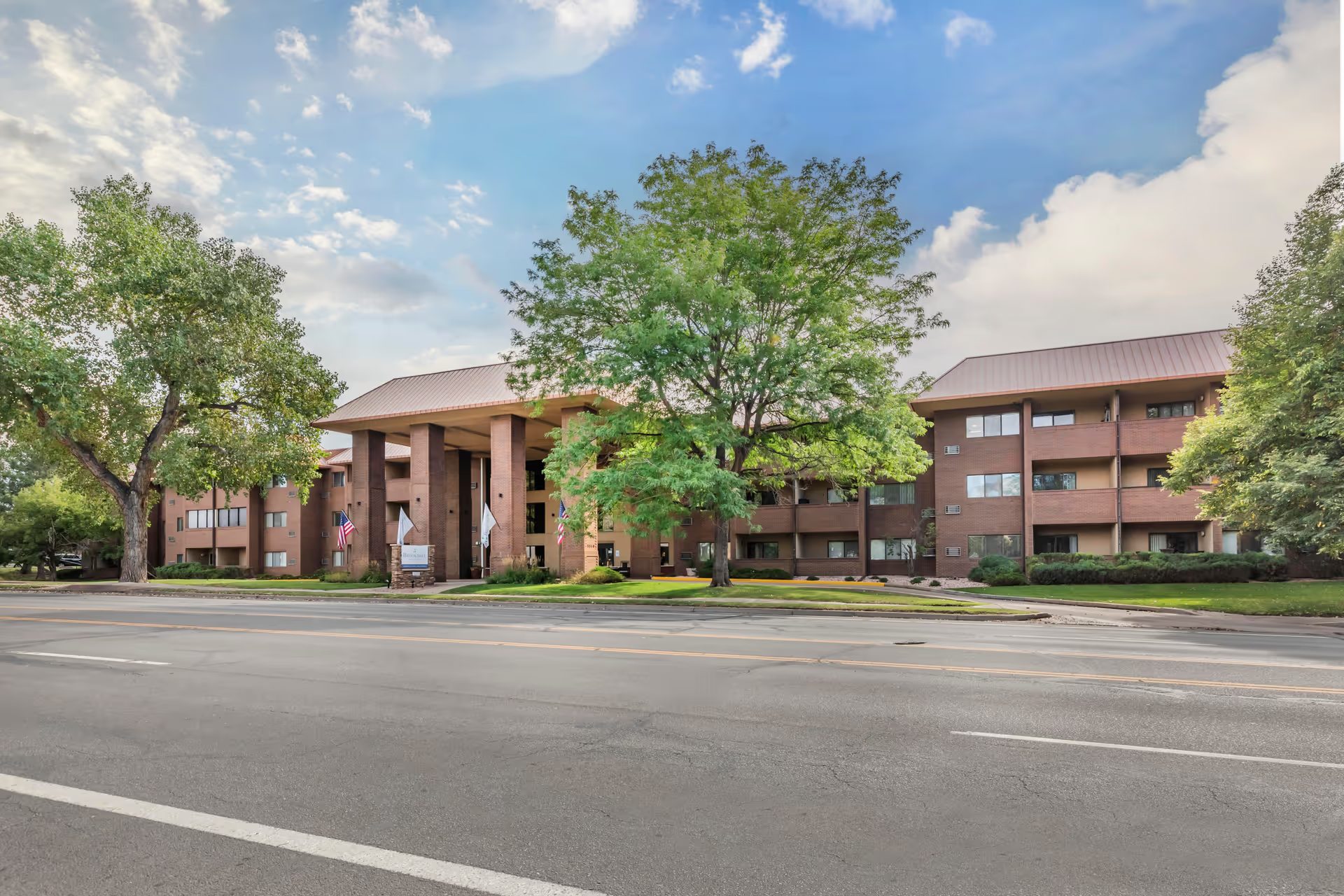
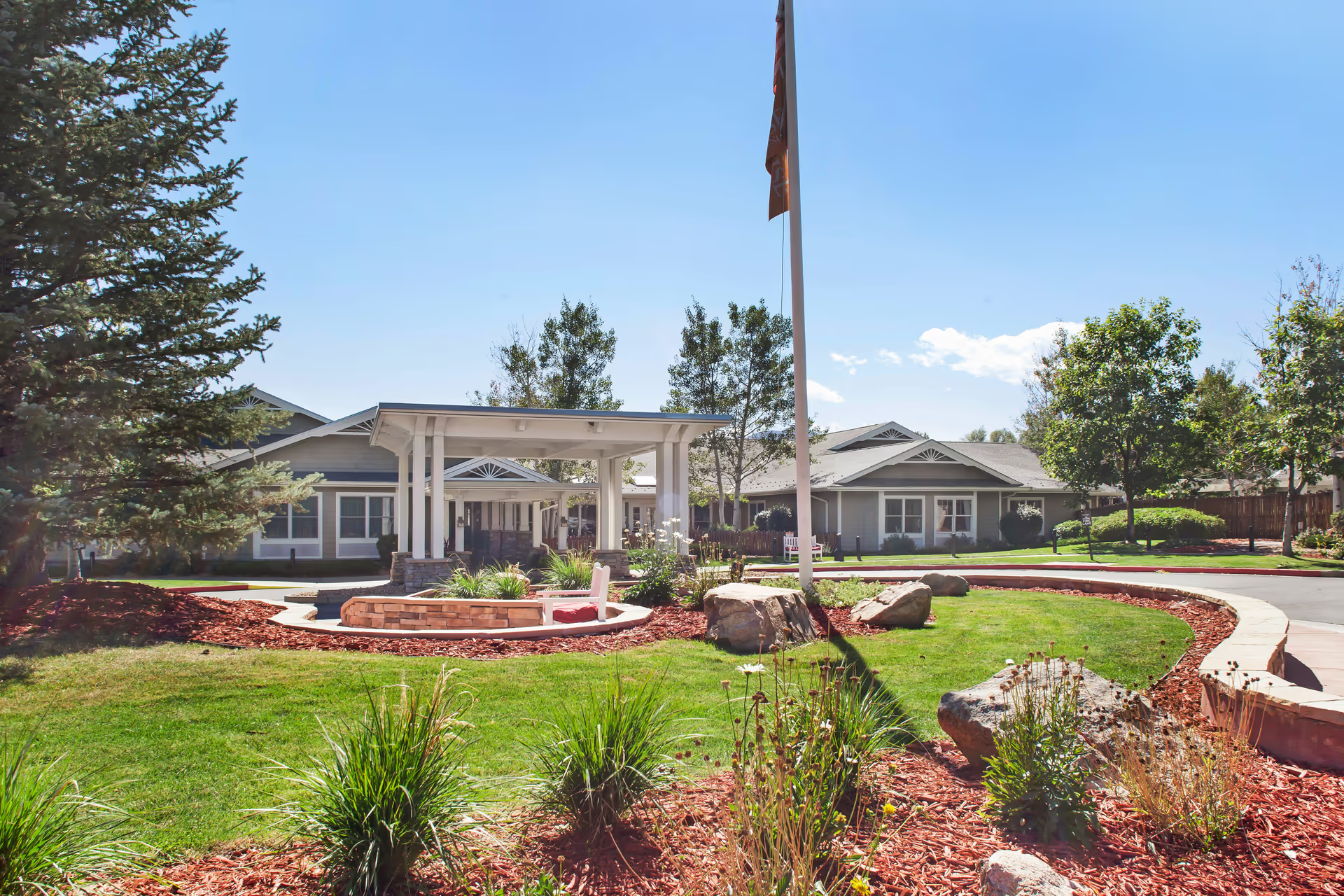
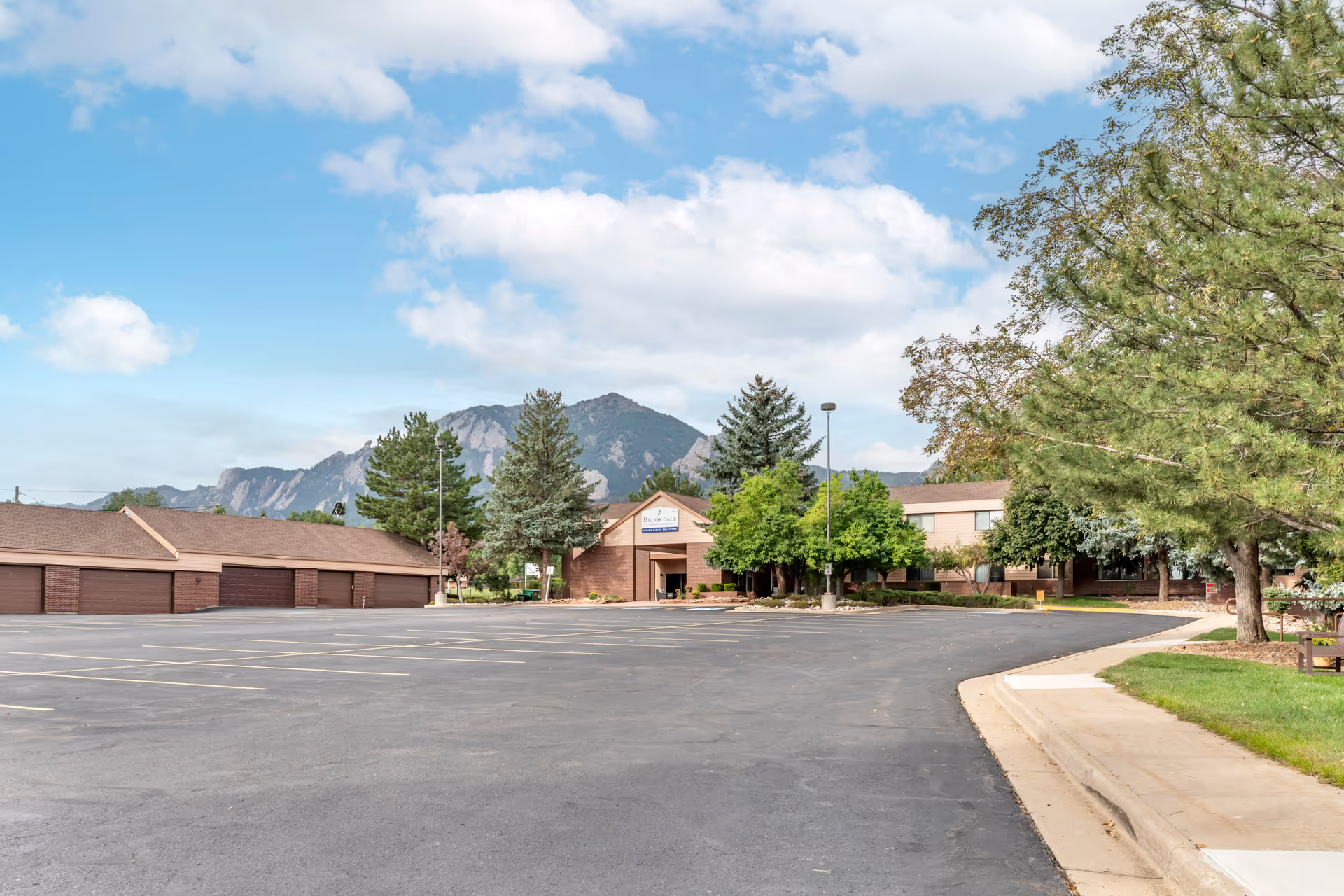
The reviews present a polarized view of Boulder Post Acute, with a cluster of consistently positive comments about staff competence and compassion alongside recurring operational concerns about the physical environment, staffing, and management practices. Many families praise direct-care staff, nurses, therapists, and hospice teams for professionalism, knowledge, and effective communication; several accounts describe meaningful clinical improvements, attentive rehabilitation, and caregivers who keep guardians informed. Reception and front-desk employees are frequently cited by name for helpfulness, and some reviewers note that recent management initiatives have supported staff and improved employee morale.
Clinical care impressions are mixed but informative. On the positive side, skilled nursing, therapy services, and hospice involvement were described as effective and reassuring for families whose loved ones needed those services. At the same time, reviewers raised persistent concerns about staffing levels, particularly during nights and weekends, and about response times and supervision during off shifts. Those operational gaps are associated with specific safety concerns, including fall-prevention and monitoring practices that could be strengthened.
Dining and daily programming show variability. A number of reviewers praised homemade meals and specific positive dining experiences, while others described poor or inconsistent meal quality. Activities and social programming were frequently described as limited; long-term residents with psychiatric needs were noted to dominate some units, and several families cited privacy and compatibility issues stemming from roommate assignments. Prospective residents and families should consider roommate policies and activity schedules when evaluating fit.
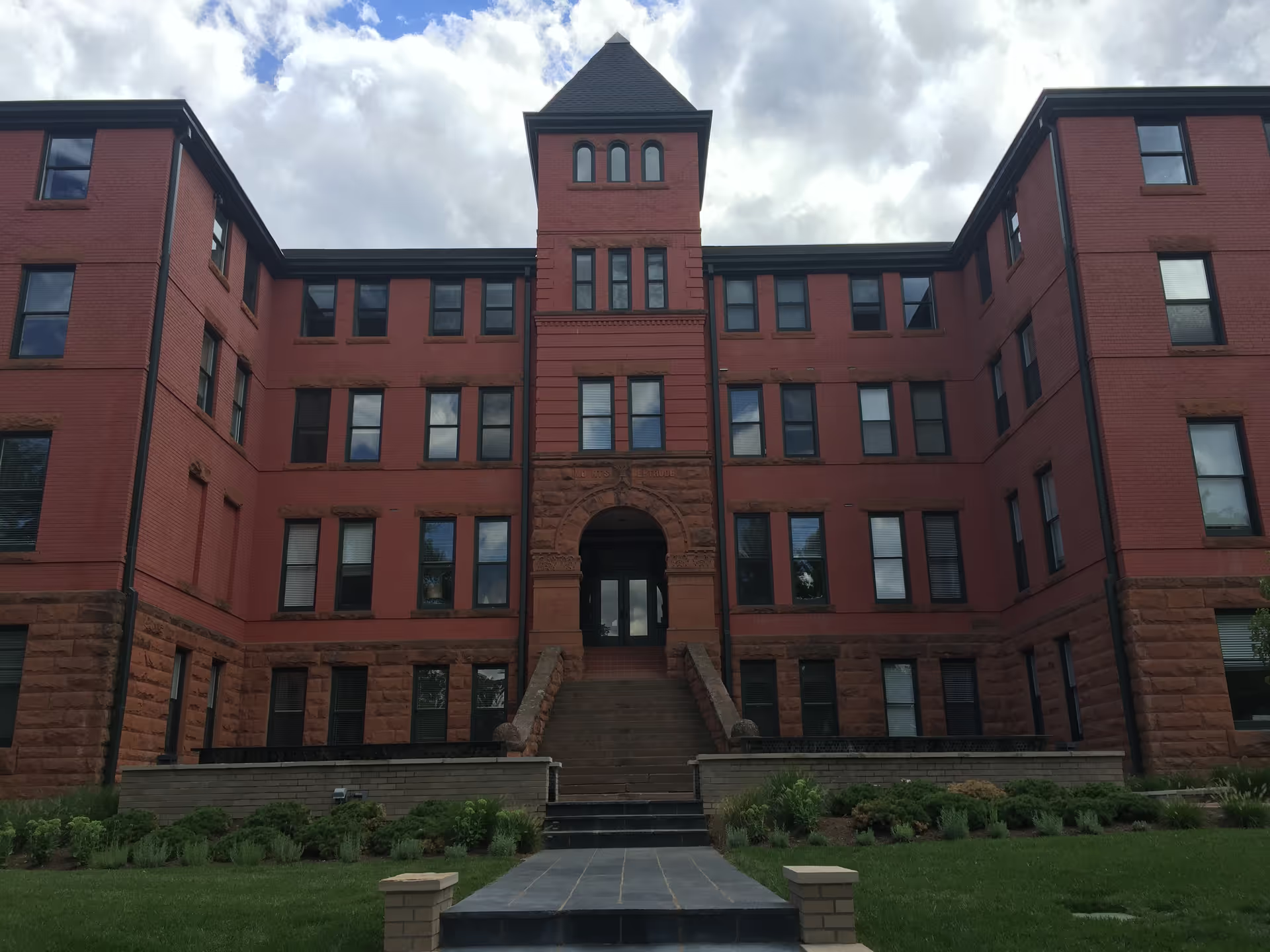
Facility condition and basic care tasks emerged as recurring themes. Multiple reviewers cited cleanliness and sanitation concerns in resident rooms and common areas and raised pest-control concerns in particular locations. Incontinence-care delays and inconsistent assistance with hygiene tasks were mentioned as operational weaknesses. The building is described as historic with attractive views, and some cosmetic improvements (for example, interior repainting) were noted, but physical deterioration and cleanliness remain areas of concern.
Management and administrative practices were another mixed area. Some families credited administrators with effective communication and resolution of issues; others reported frustration with responsiveness, customer-service inconsistencies at the front desk, and difficulties around financial management. Specific operational concerns include centralized control of resident funds with limited transparency, billing disputes, and inconsistent handling of personal belongings. These items point to the need for clearer policies and more consistent family communication.
Overall, Boulder Post Acute appears to provide competent clinical and rehabilitative care in many cases, supported by a number of dedicated staff members. However, the facility also shows recurring operational weaknesses—cleanliness and pest-control, staffing levels and supervision, inconsistent dining and activities, roommate-assignment practices, and administrative/financial transparency—that prospective residents and families should evaluate closely. A thorough in-person tour, direct questions about staffing ratios and night/weekend supervision, review of roommate-assignment policies, inspection of room sanitation, and clear discussions of financial-account handling are advisable steps for families considering this facility.