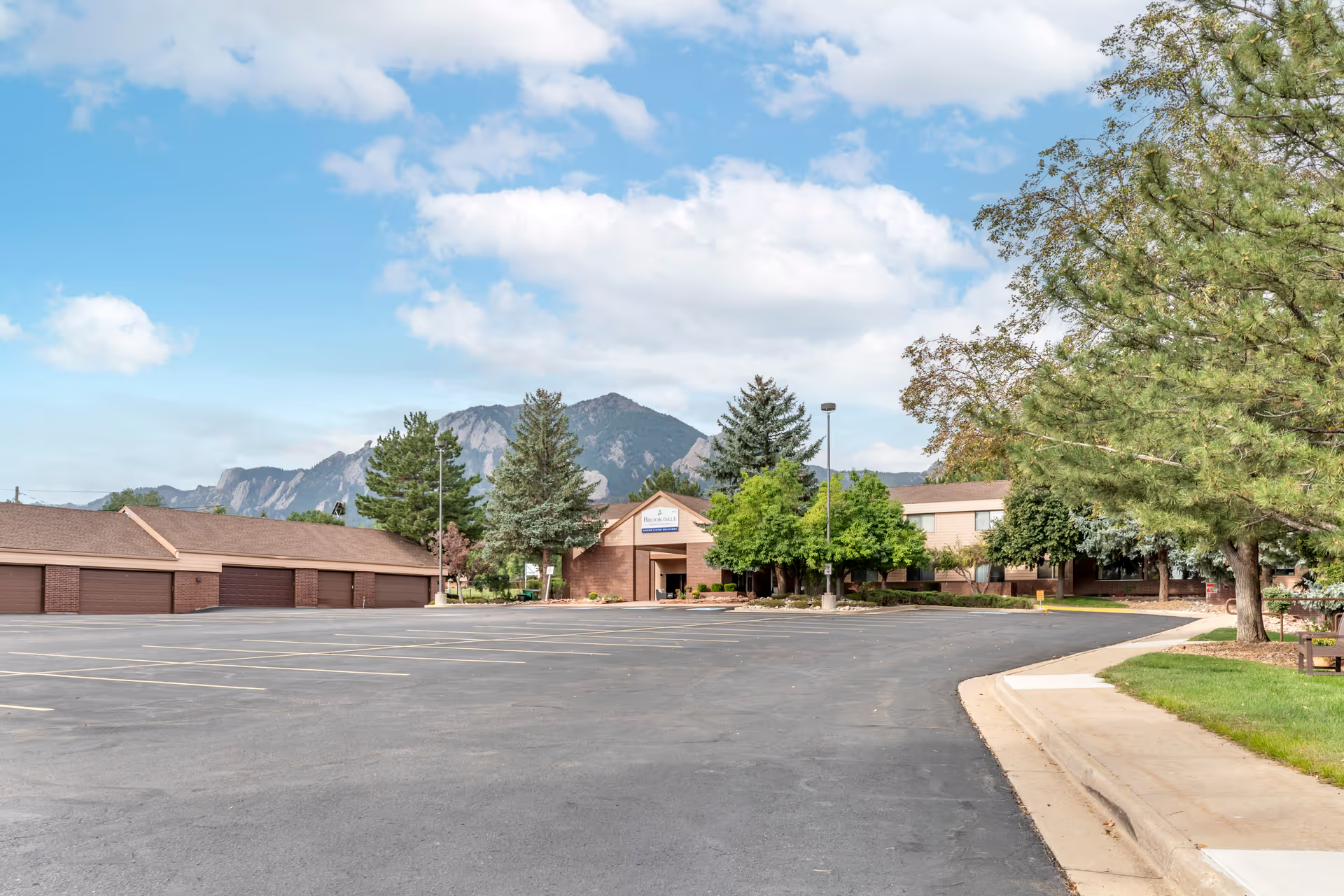
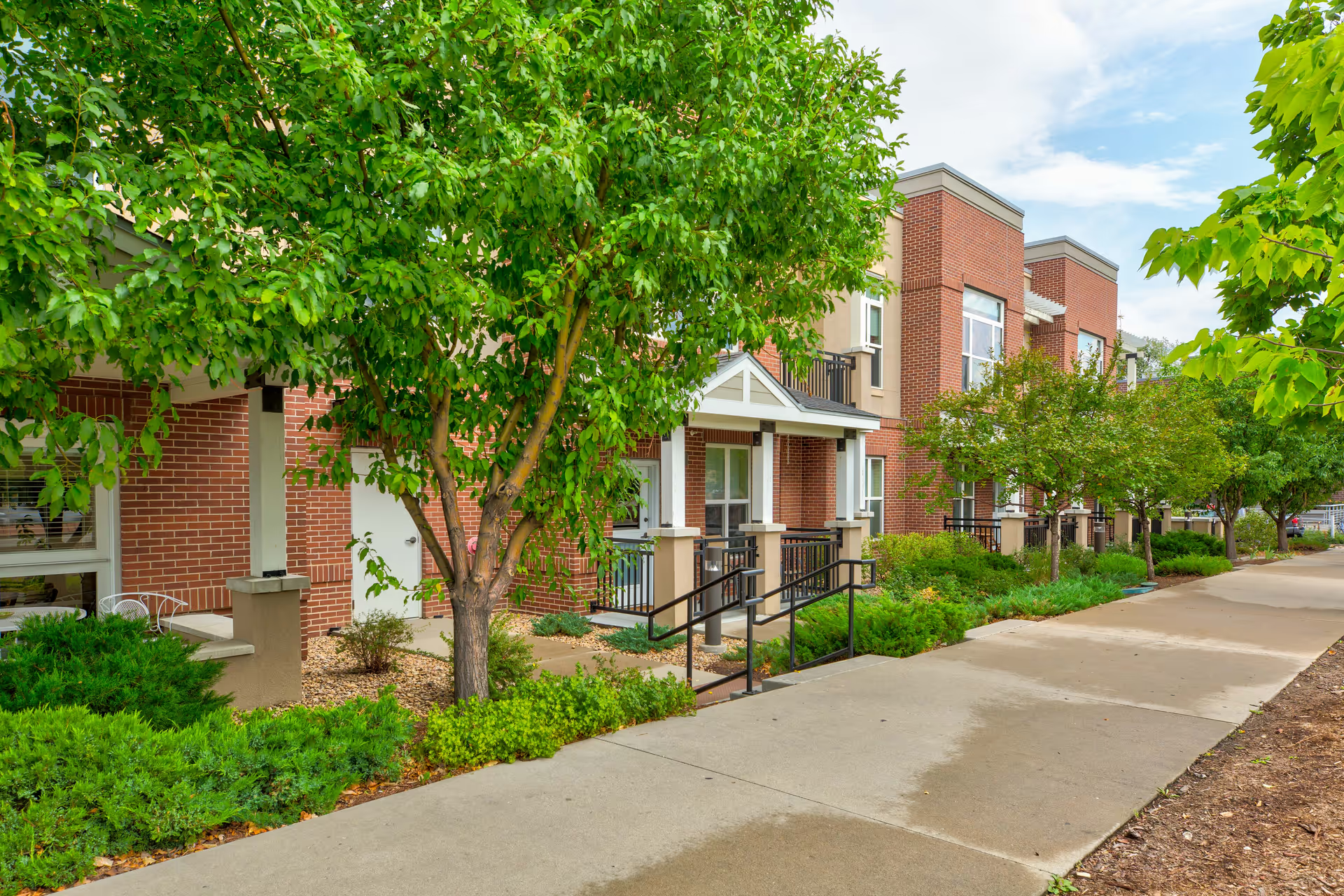
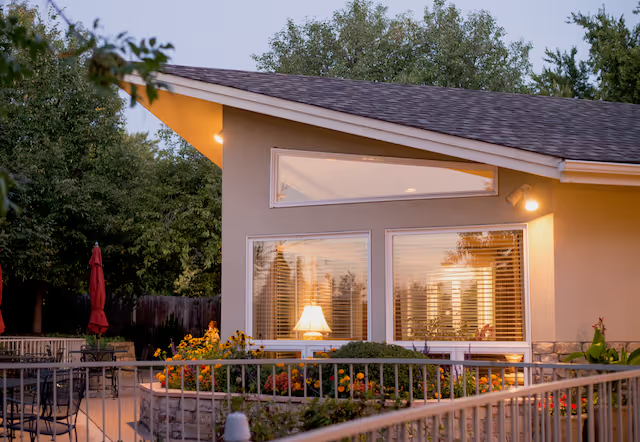
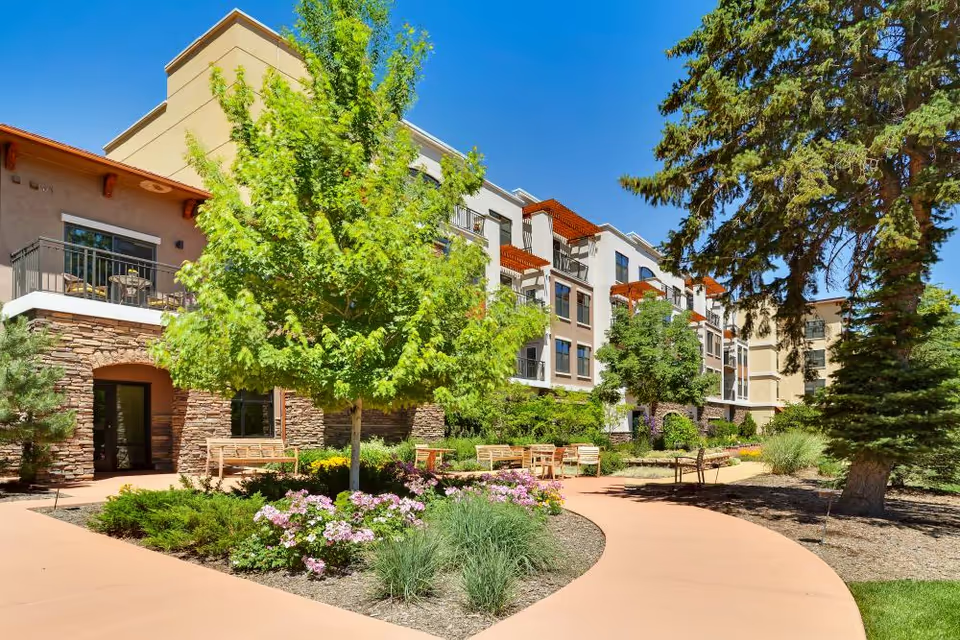
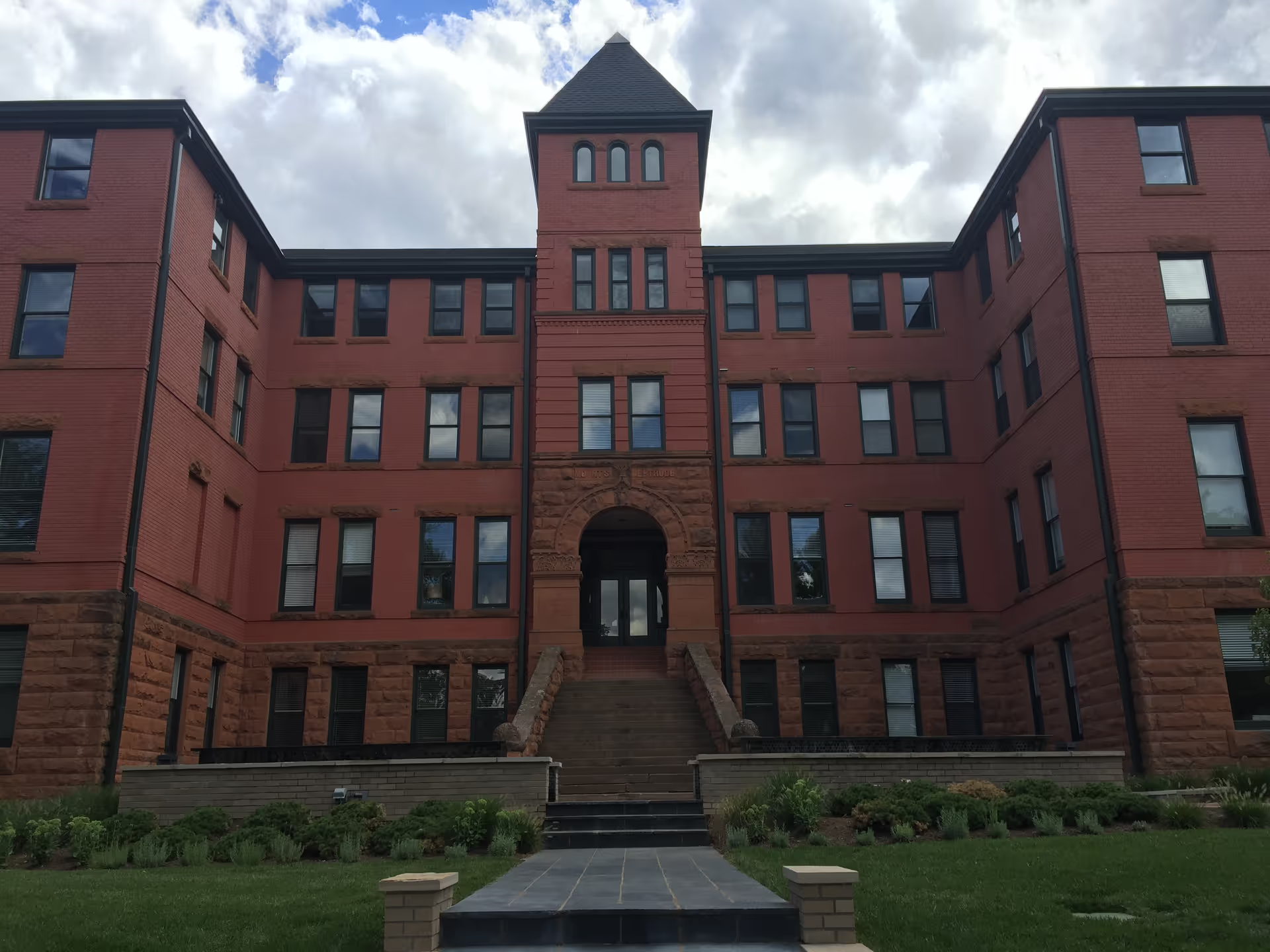
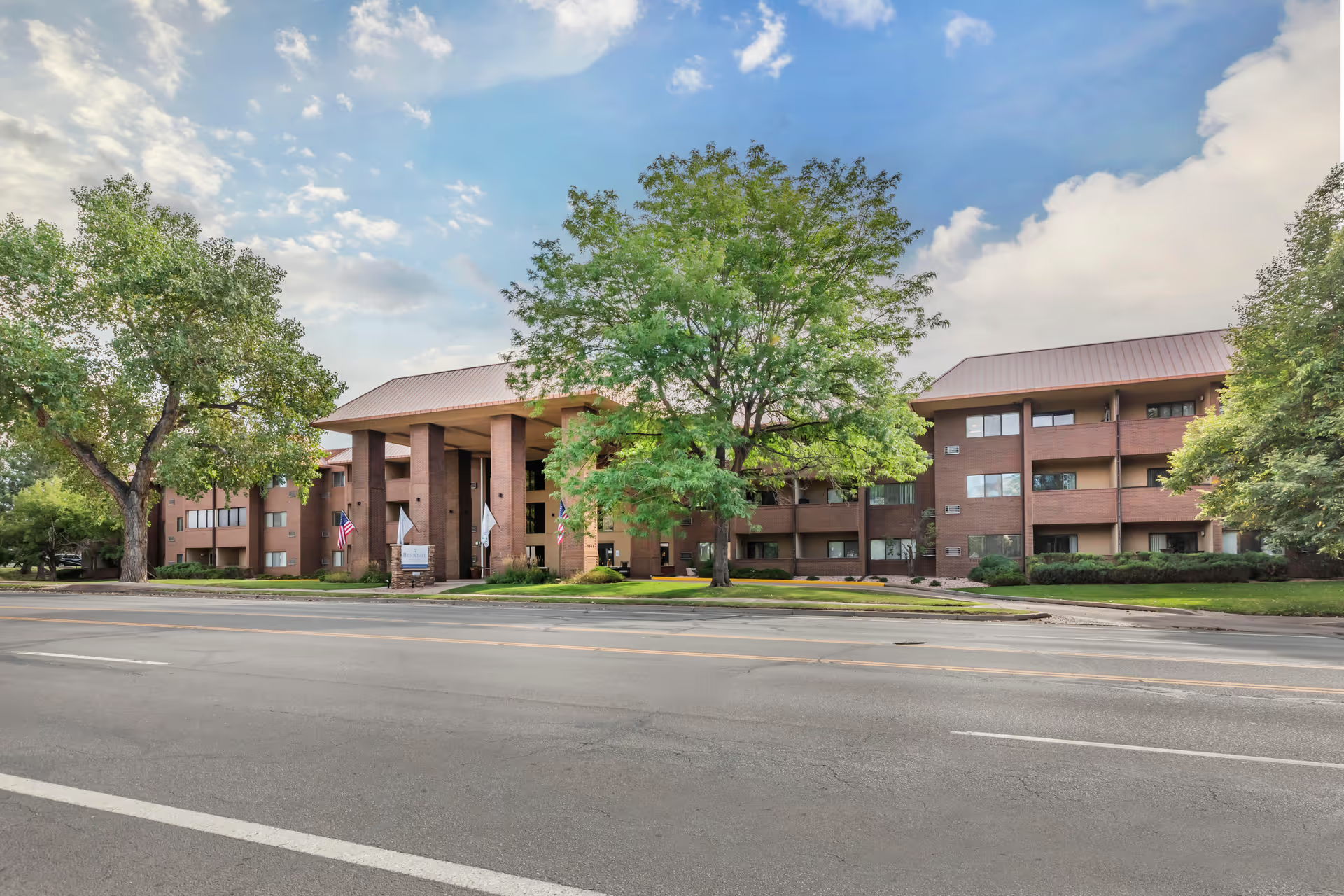
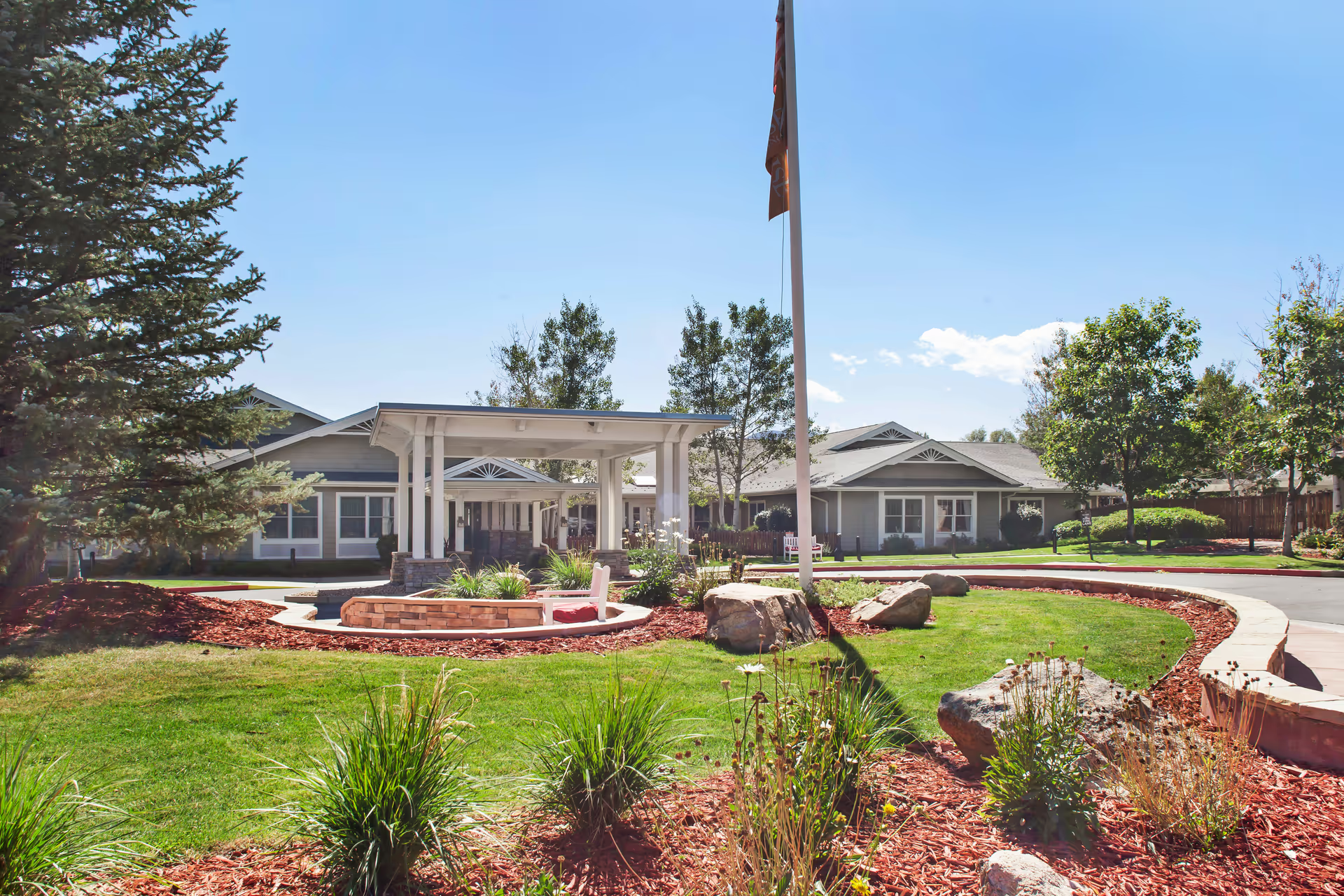
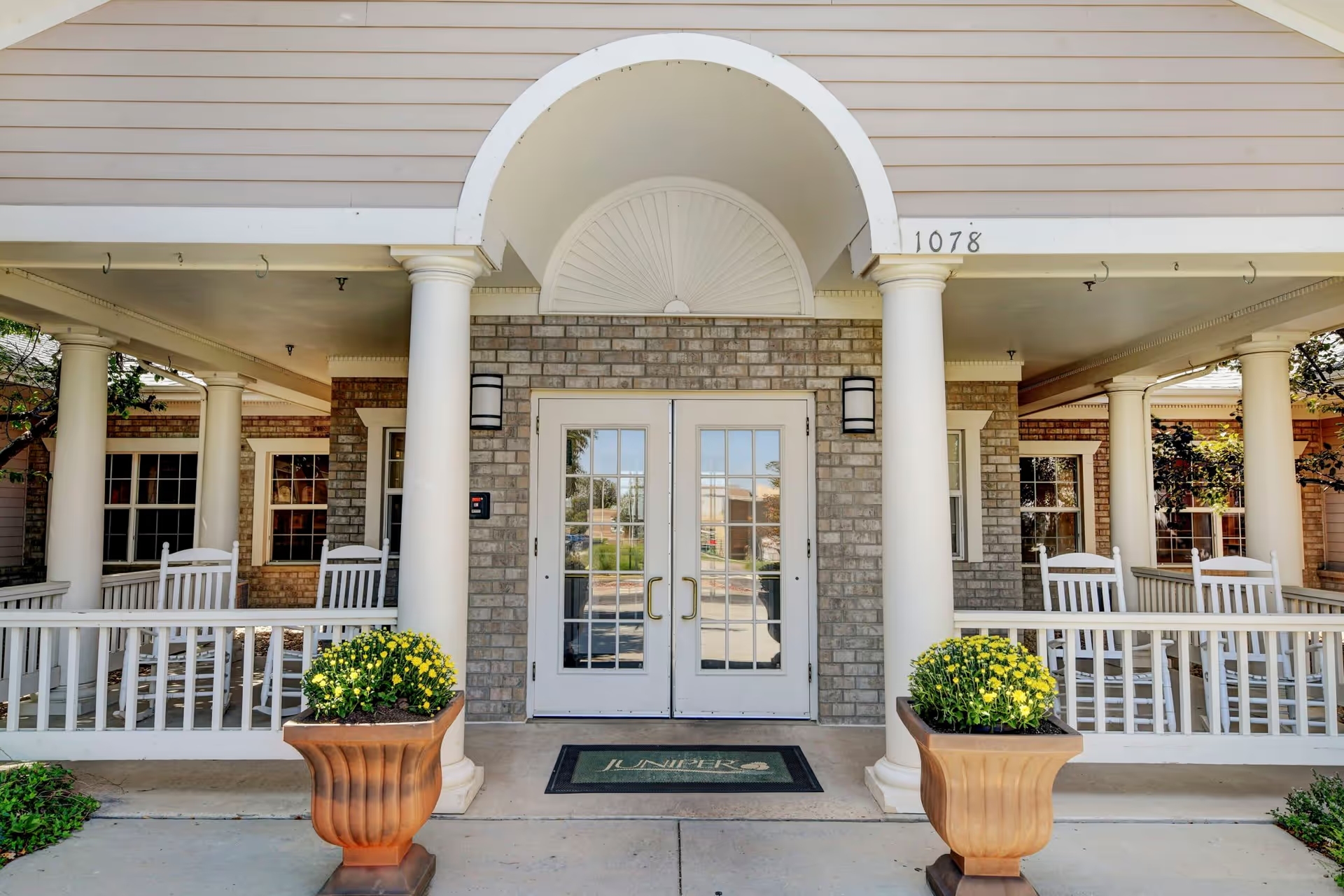
Frasier Retirement Community is described overall as an attractive, well-maintained continuing-care campus with extensive amenities and a strong service culture. Reviewers consistently highlight the facility’s cleanliness, visible infection-control measures, renovated interiors, pleasant grounds with mountain views, and a broad set of on-site resources (two dining venues, pool/spa, gym, beauty shop, greenhouse, and community thrift/weight rooms). The community atmosphere and an active social program — including resident-led clubs, intergenerational events, entertainers, trips, and frequent activities — are repeatedly cited as strengths that support resident engagement and quality of life.
Clinical and caregiving strengths include an experienced and accessible leadership team, a generally compassionate and attentive staff, and a full continuum of care from independent living through skilled nursing. Many reviews emphasize high-quality dining, consistent housekeeping, and the perceived availability of clinical services when needed. Pandemic-era safety measures (masking, plexiglass, hand sanitizer stations, front-door sign-in) and heightened sanitation protocols are noted positively; families describe the environment as warm, safe, and professionally managed for infection control.
Several operational concerns emerge as recurring themes. The campus is not consistently described as optimal for residents with dementia or advanced memory needs, indicating limitations in unit design and programming for that population. Direct-care staff performance is described as variable in some accounts, with language and communication barriers cited as affecting day-to-day interactions. Nurses are sometimes characterized as overextended, suggesting periods of thin RN coverage and higher patient-to-RN ratios. A subset of reviews raises concerns about staff conduct and transfer/handling practices; while these appear isolated relative to the overall positive commentary, they point to the need for clear transfer protocols, staff training, and timely clinical-incident response and family communication.
Financial and logistical factors are important to prospective residents. The community operates a high-cost buy-in and monthly-fee model with specific refund terms; some families perceive the contract structure and continuing-care commitments as complex and potentially restrictive. There are also notes about limited assisted-living capacity relative to independent-living demand and intermittent construction activity that can disrupt services. Operationally, the building’s wagon-wheel layout can be confusing for newcomers, and a few accounts note uneven nighttime security coverage and occasional delays in response to family requests.
In sum, Frasier presents as a high-quality, amenity-rich continuing-care community with strong cleanliness standards, robust social programming, and a generally capable clinical staff. Prospective residents and families should weigh the evident strengths in lifestyle, dining, and campus maintenance against operational considerations: evaluate memory-care readiness if applicable, confirm current nursing staffing ratios and language supports, review contract and buy-in/refund details carefully, and inspect areas undergoing construction and security protocols (including nighttime coverage). Doing so will help match expectations to the community’s capabilities and identify whether it meets an individual resident’s long-term clinical and financial needs.