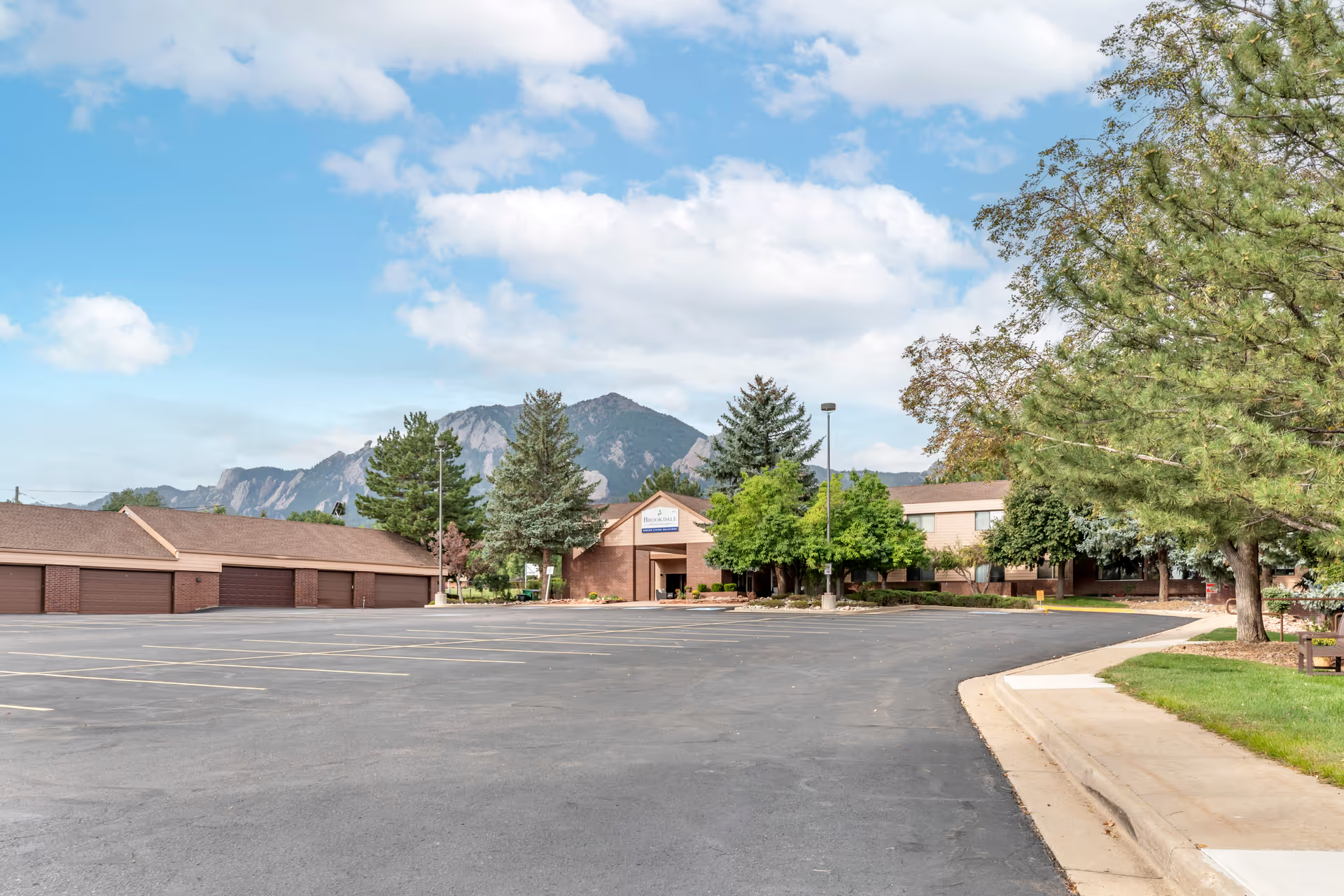
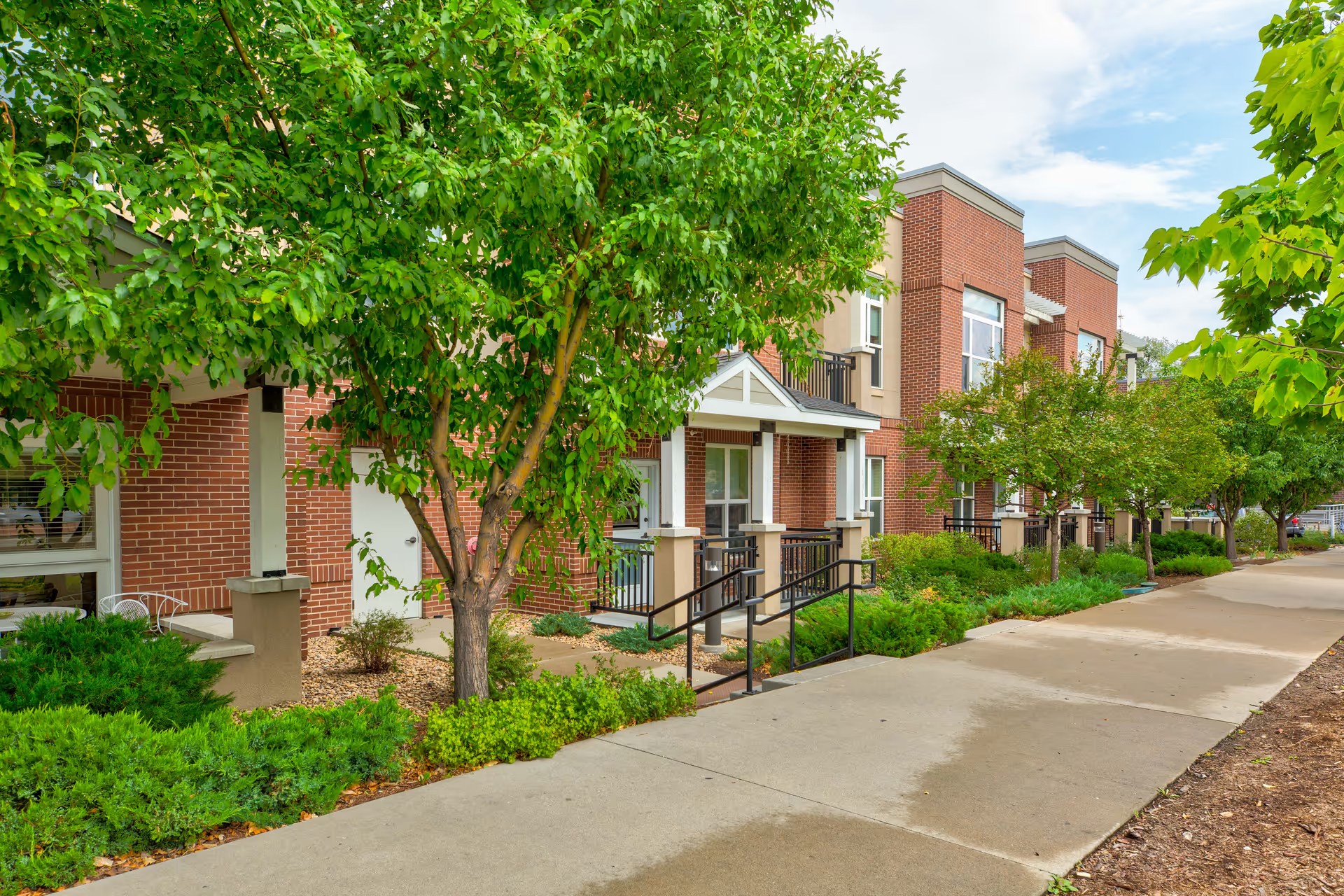
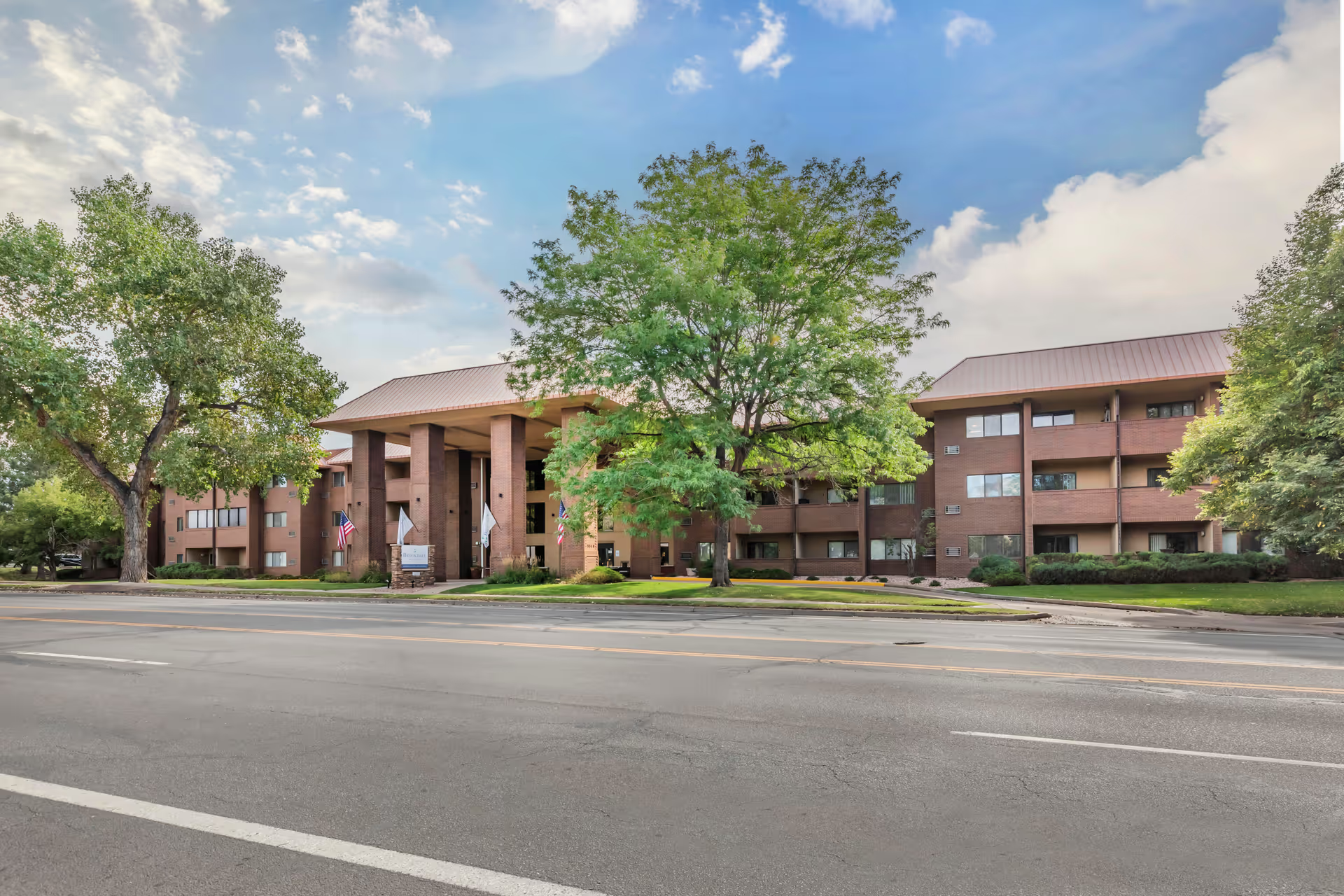
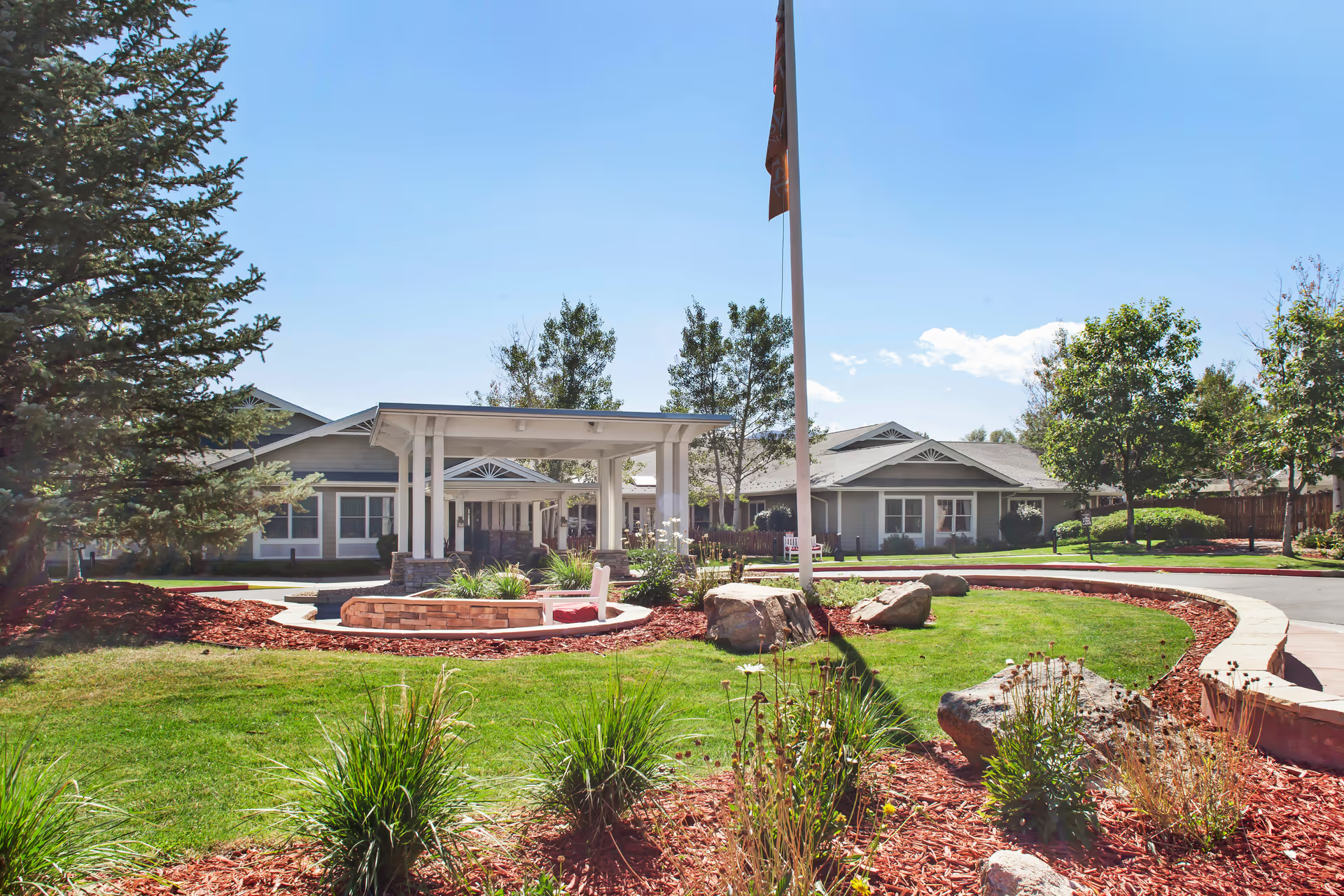
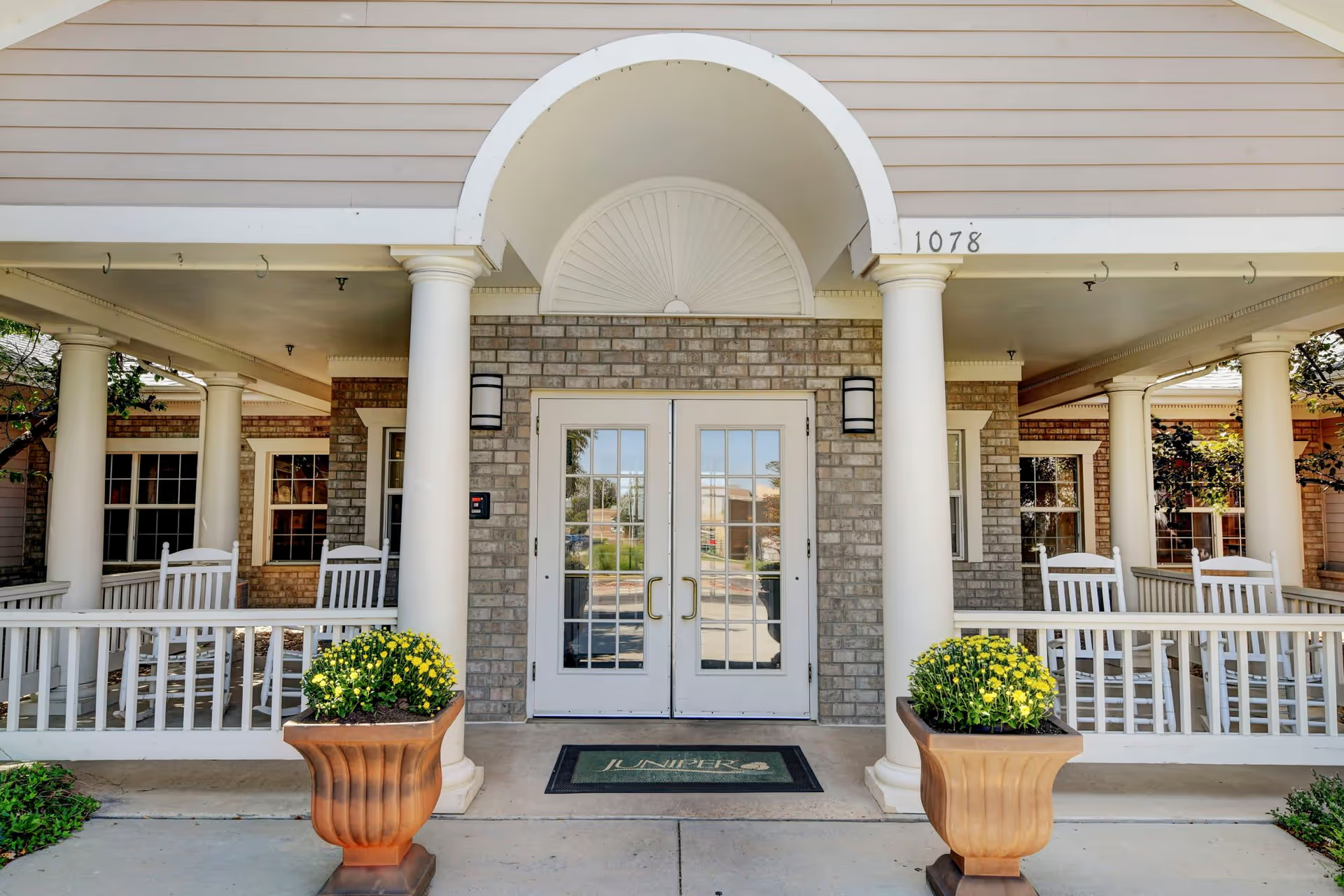
Reviews for MorningStar Assisted Living & Memory Care of Boulder present a bifurcated picture: many families and residents praise frontline staff, programming, therapies and the physical setting, while other reports describe recurring operational weaknesses that affect care consistency. Positive commentary centers on compassionate caregivers, robust life-enrichment activities, on-site physical and occupational therapy, and an attractive, well-maintained environment. The community receives strong marks for its social programming (live music, outings, exercise classes, and tailored memory-care activities), chef-driven dining events, and safety technology such as resident call systems and camera access.
Care and staffing are the areas with the widest divergence in experience. Numerous reviewers highlight attentive, kind, and professional caregivers who provide personalized attention and dignity at end of life. At the same time, a persistent pattern of understaffing, high turnover, and variable night coverage is described; these workforce issues are linked to inconsistent implementation of care plans, missed hygiene assistance, delayed responses to call lights, and gaps in laundry and housekeeping. There are also multiple accounts of medication-administration errors or management gaps, which contribute to family concern about clinical reliability.
Dining and activities are generally cited as strengths but with notable variability. Many families praise high-quality meals, a varied menu, chef-led events, and plentiful snacks; others describe instances of poor food preparation, repetitive freezer-to-oven items, or meal-delivery lapses. Life-enrichment programming is a clear asset for the community overall, with frequent mentions of music, theatre, exercise classes, outings, and intellectually engaging activities that support resident socialization.
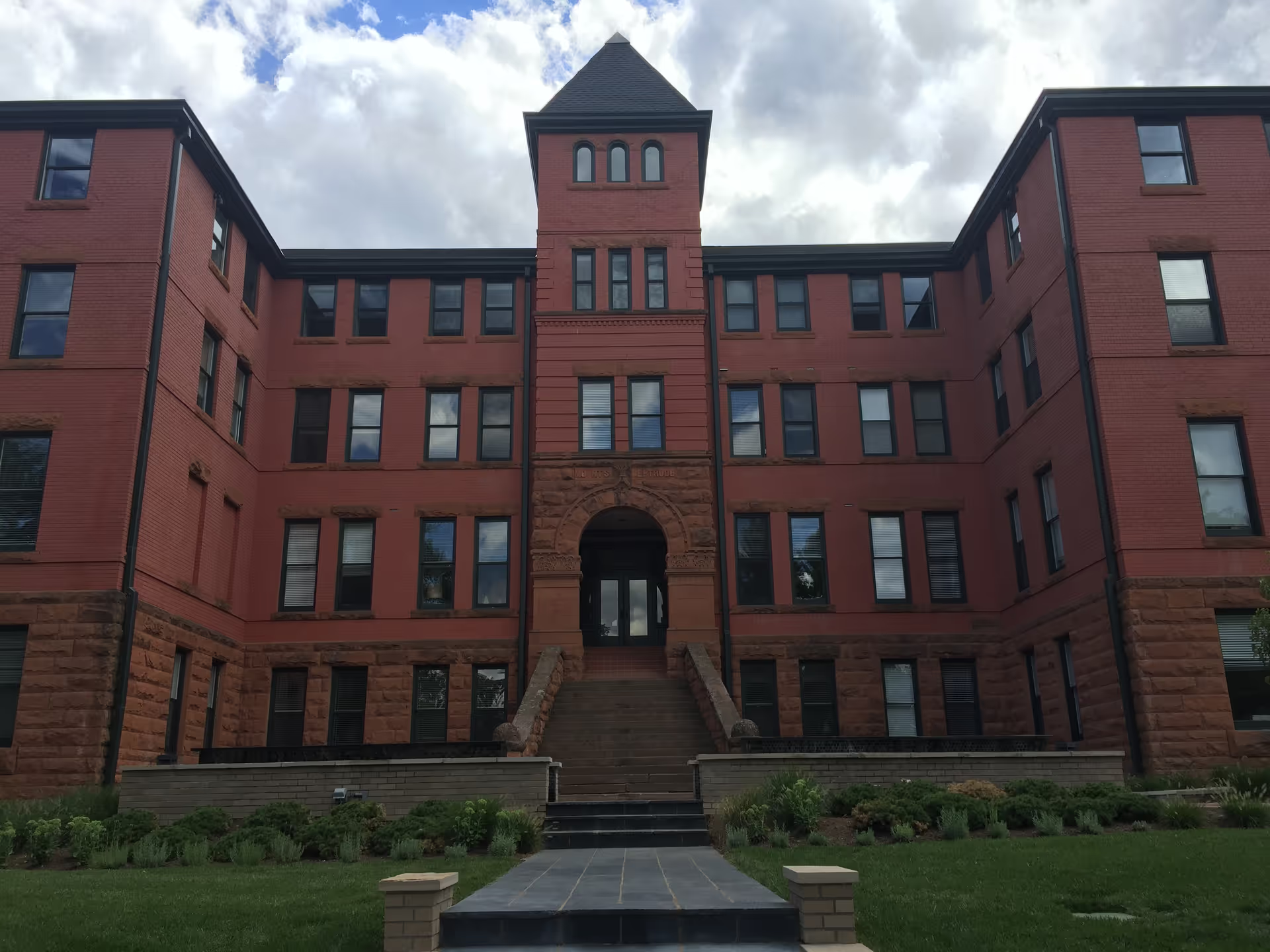
Facility features and clinical supports earn positive comments: clean, attractive common areas, spacious apartment options (including memory-care suites with in-room showers and kitchenettes), and available on-site therapy services. Safety technology and concierge/front-desk responsiveness are noted as enhancing family confidence in some cases. However, reviewers also identify leadership and administrative patterns that undermine those strengths: frequent management turnover, a perceived emphasis on sales and real-estate objectives over care operations, and inconsistent follow-through when families raise concerns. A small number of reports describe severe adverse outcomes and serious allegations related to clinical and end-of-life care; these accounts are outliers but raise red-flag issues for prospective families to investigate further.
Overall, the community delivers strong programming, therapeutic resources, and an appealing physical environment when frontline staff are present and supported. The primary operational risks are inconsistent staffing, leadership instability, and variability in clinical and housekeeping processes. Prospective residents and their families should verify current staffing ratios, turnover history, adherence to individualized care plans, medication-safety protocols, housekeeping schedules, and the responsiveness of leadership to concerns before making placement decisions. Touring during different shifts and speaking with multiple families and clinical staff can help assess whether the facility’s strengths are reliably sustained under current management conditions.