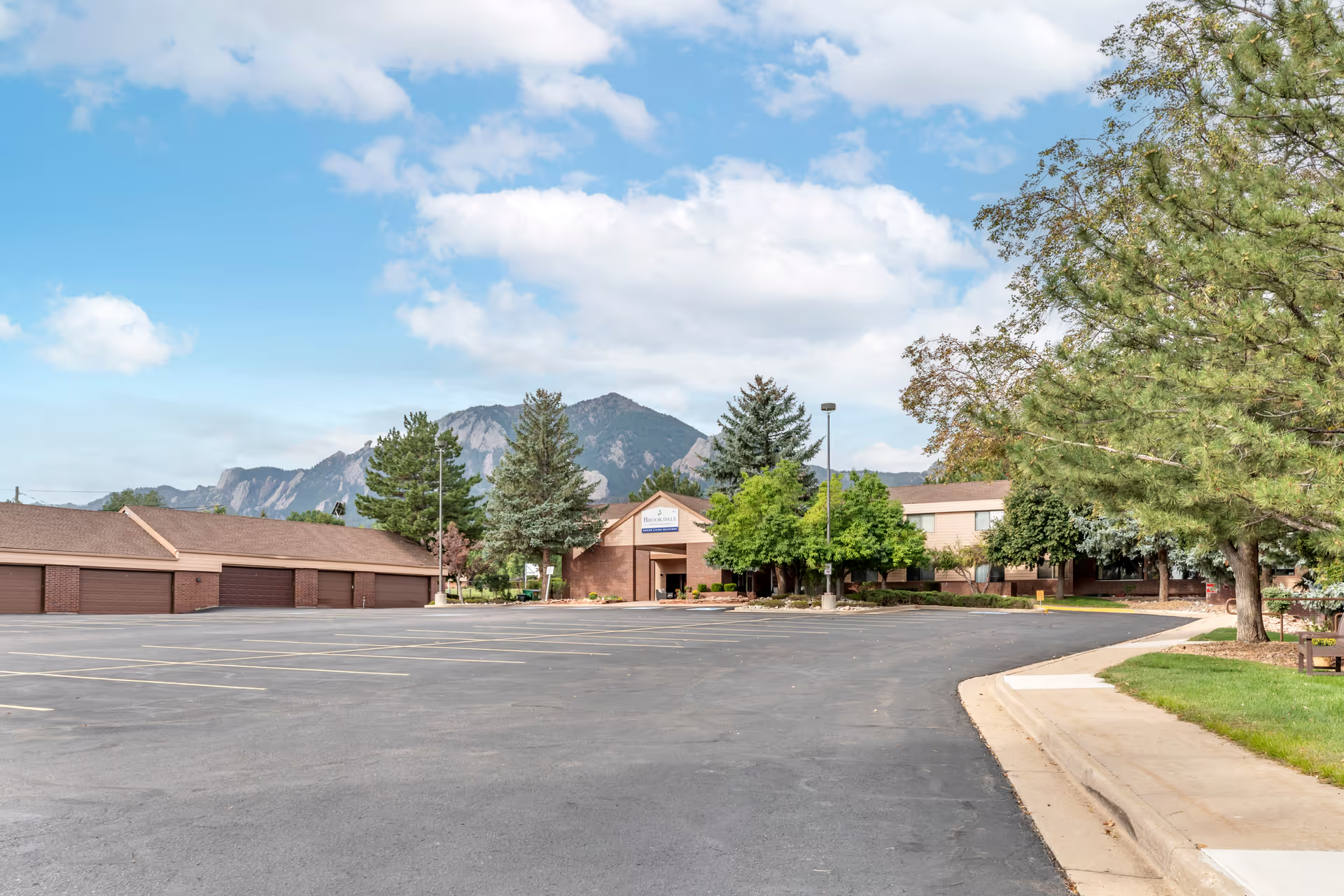
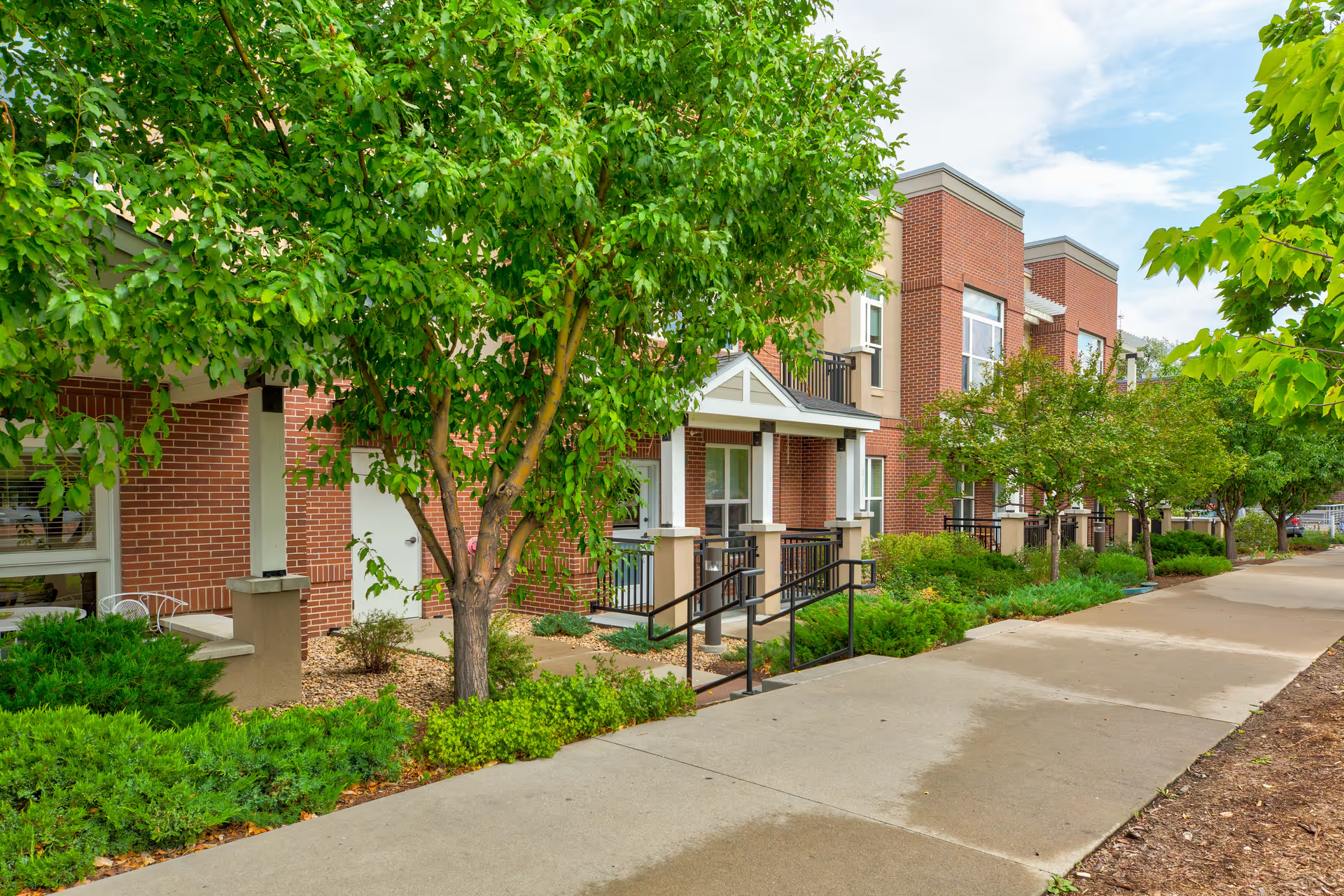
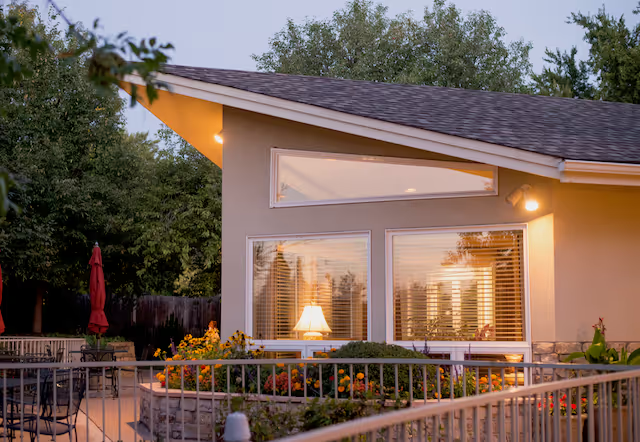
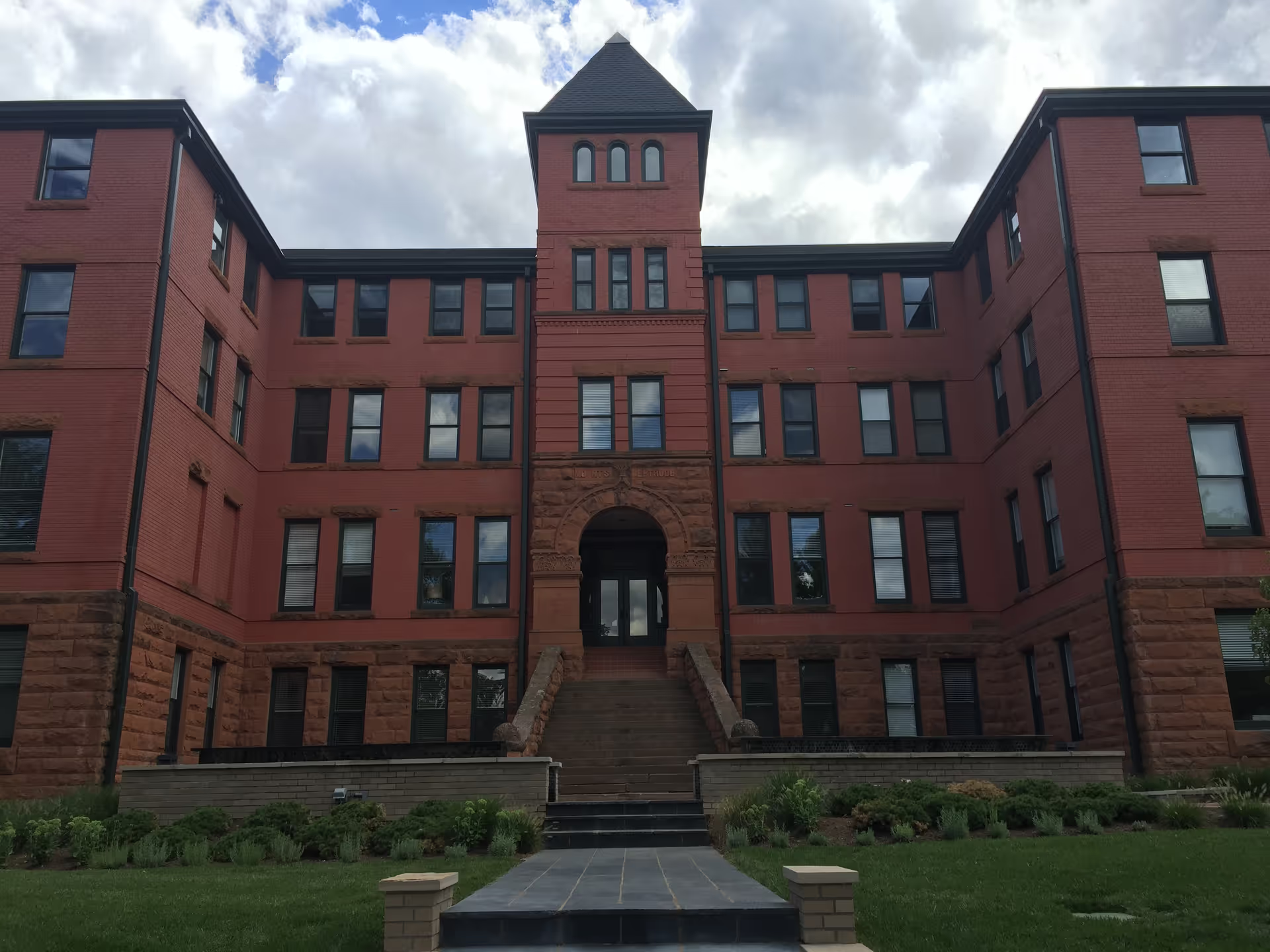
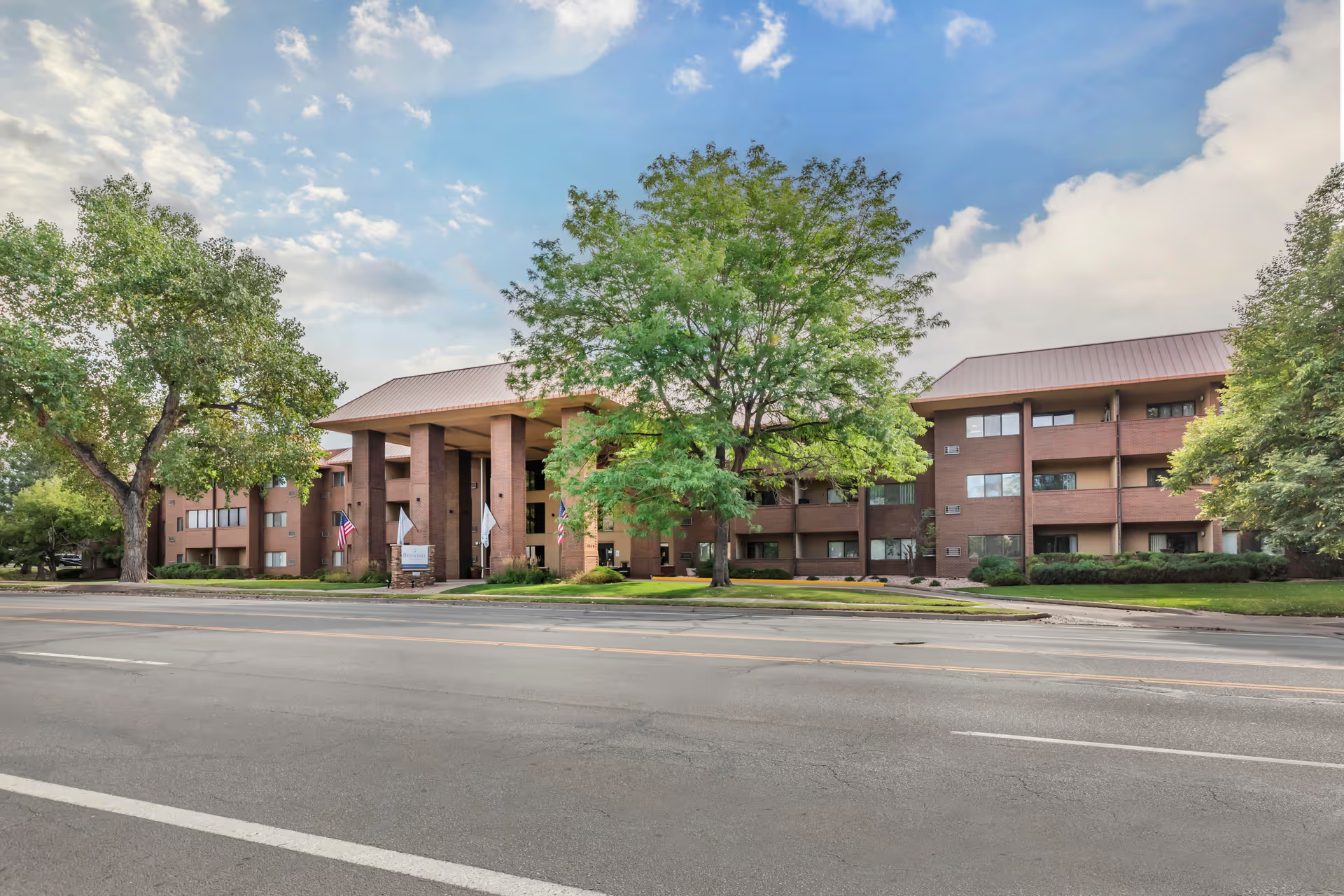
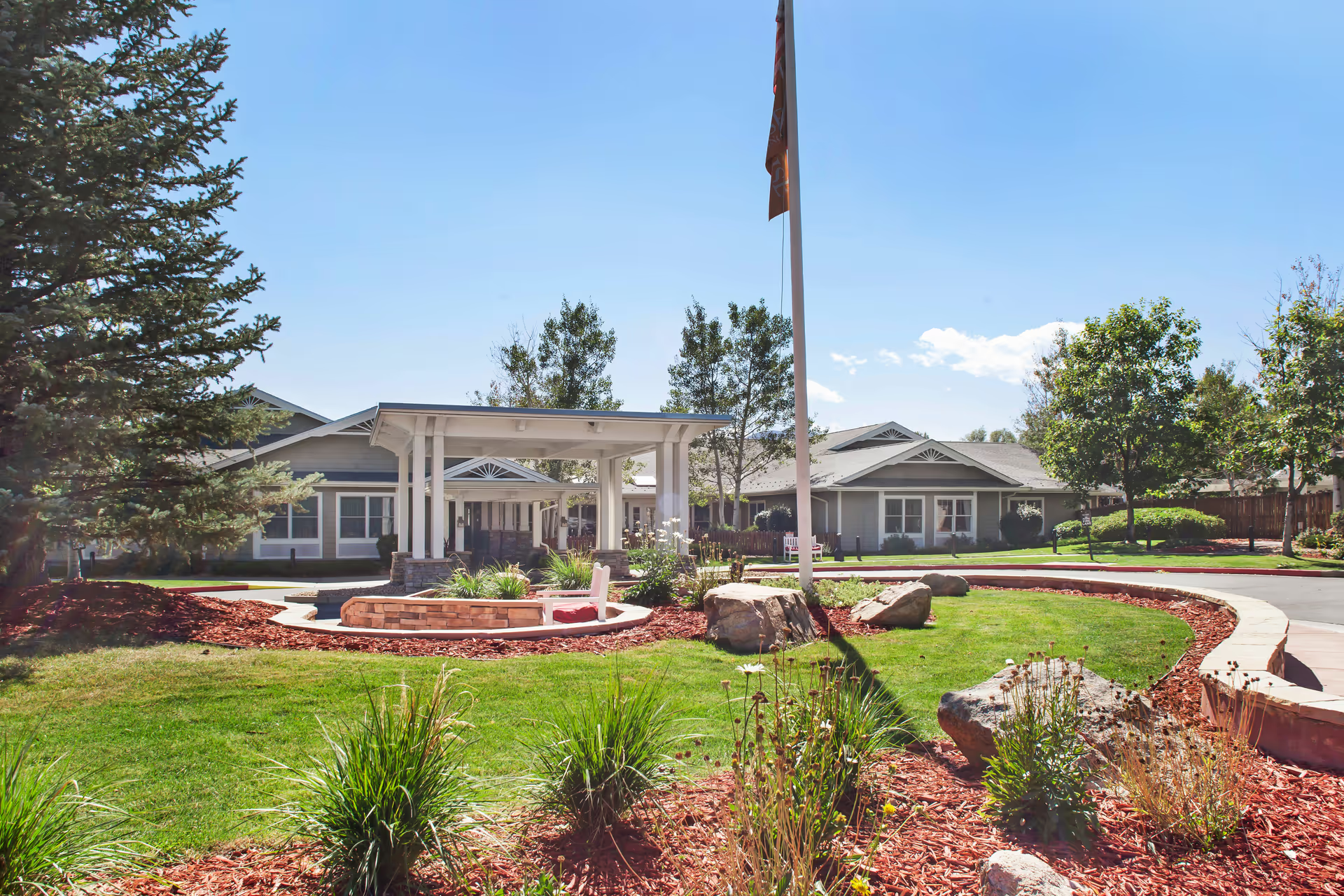
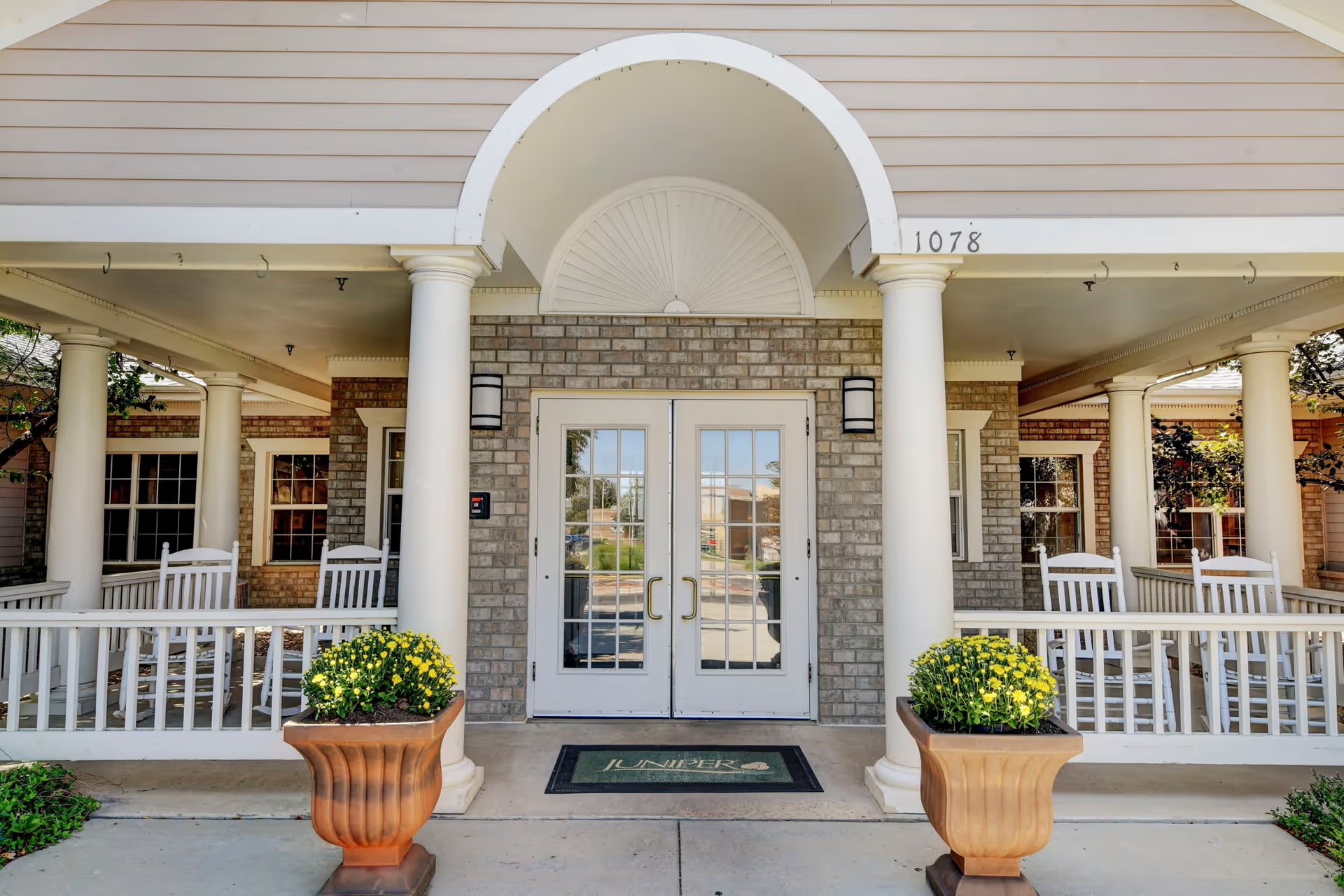
Reviews of The Mary Sandoe House are strongly polarized, with a cluster of positive comments about staff demeanor, activities, dining, and the site's views, and a separate cluster of serious operational complaints. Positive impressions emphasize a small, intimate setting with strong community programming, a favorable pricing model, and a notable scenic view. Critical feedback focuses on persistent operational failures that bear directly on resident care and day-to-day living.
Care quality shows a split pattern. Several accounts praise staff as compassionate and attentive, describing a community room with active programming and staff engagement. Conversely, a number of accounts raise concerns about responsiveness, medication administration, and the tone of staff–resident interactions. Medication-management issues are mentioned in ways that suggest weaknesses in controls and checks, which is a safety-related area prospective families should examine closely.
Dining and activities also produce mixed impressions. Some reviewers describe the food and activity calendar positively, noting robust programming and strong meal quality. Other reviewers describe negative dining experiences and service issues; overall, dining-service consistency appears variable and dependent on staffing and operational practices on any given day.
Facility condition and housekeeping are another axis of divergence. Positive comments note clean common spaces and a well-kept, cozy atmosphere with appealing views. Negative comments indicate sanitation and laundry-handling deficiencies and gaps in room housekeeping and personal-care delivery. These describe operational shortcomings rather than isolated aesthetic complaints and suggest that cleanliness and laundry processes may be uneven.
Management and ownership present additional concerns. Several reviewers indicate organizational and oversight weaknesses, including supervisor influence on staff behavior and coordination problems that contribute to inconsistent service. The facility's operational continuity is also uncertain: it closed in 2022 and was leased to a local homeless-services organization under a short-term arrangement, and the longer-term status of the property and its services remains unclear. That uncertainty can affect staffing, maintenance, and scheduling of services.
In summary, The Mary Sandoe House elicits two distinct impressions: a small, community-oriented residence with compassionate staff, good programming, and strong views, versus a facility with notable operational gaps in medication management, housekeeping, staffing reliability, and management oversight. Prospective residents and families would benefit from an in-person visit, focused questions about medication protocols, staffing patterns and turnover, housekeeping and laundry schedules, dining-service routines, and clarification of current ownership/operational status and contingency plans. Reviewing recent inspection or licensing records and speaking with current families can help verify which of these patterns is most characteristic at the time of decision-making.