Winding Trails Post Acute elicits strongly mixed impressions. A frequent strength across reviews is the direct caregiving team: many families describe compassionate, attentive nurses and CNAs, responsive unit managers, and social workers who coordinate care and communicate proactively. The admissions office and front-desk staff are repeatedly characterized as welcoming and helpful. Therapy services — physical, occupational and speech — are commonly praised for producing functional gains, and the activities department offers a robust calendar (group games, themed parties, nail socials, anniversary and holiday events) plus virtual connectivity options to engage families. Several reviewers also noted positive experiences with business-office staff and occasions of high-quality kitchen efforts such as holiday meals and special dining events.
At the same time, there are recurring operational concerns that prospective residents and families should weigh. Medication administration and pain-management timeliness emerge as a prominent pattern, including delayed or missed doses and slow responses to call lights. Staffing appears inconsistent: some reviews describe stable, proactive teams while others recount understaffing, long waits for assistance, and extended response times. Maintenance and equipment reliability are also uneven — reviewers cite non-working call systems and TVs, broken wheelchairs, and limited rehab equipment — suggesting variability in room- and equipment-level upkeep. Cleanliness and sanitation issues are raised for particular rooms or units, and several accounts indicate incontinence‑care delays.
Dining and therapy are areas of contrast: therapy is often described as effective and organized, whereas meal quality is variable, with descriptions ranging from restaurant-quality to bland or poorly seasoned offerings. Discharge and administrative processes have produced concerns — examples include discharge without complete medication reconciliation, delays in paperwork, and perceptions of slow or uneven management responsiveness. Weekend physician coverage is noted as limited in some accounts, which may affect continuity for higher-acuity patients. A small number of reviews include serious allegations about past discharge practices during the COVID period; these are individual-level claims that families may wish to investigate further with facility administration and regulatory sources.
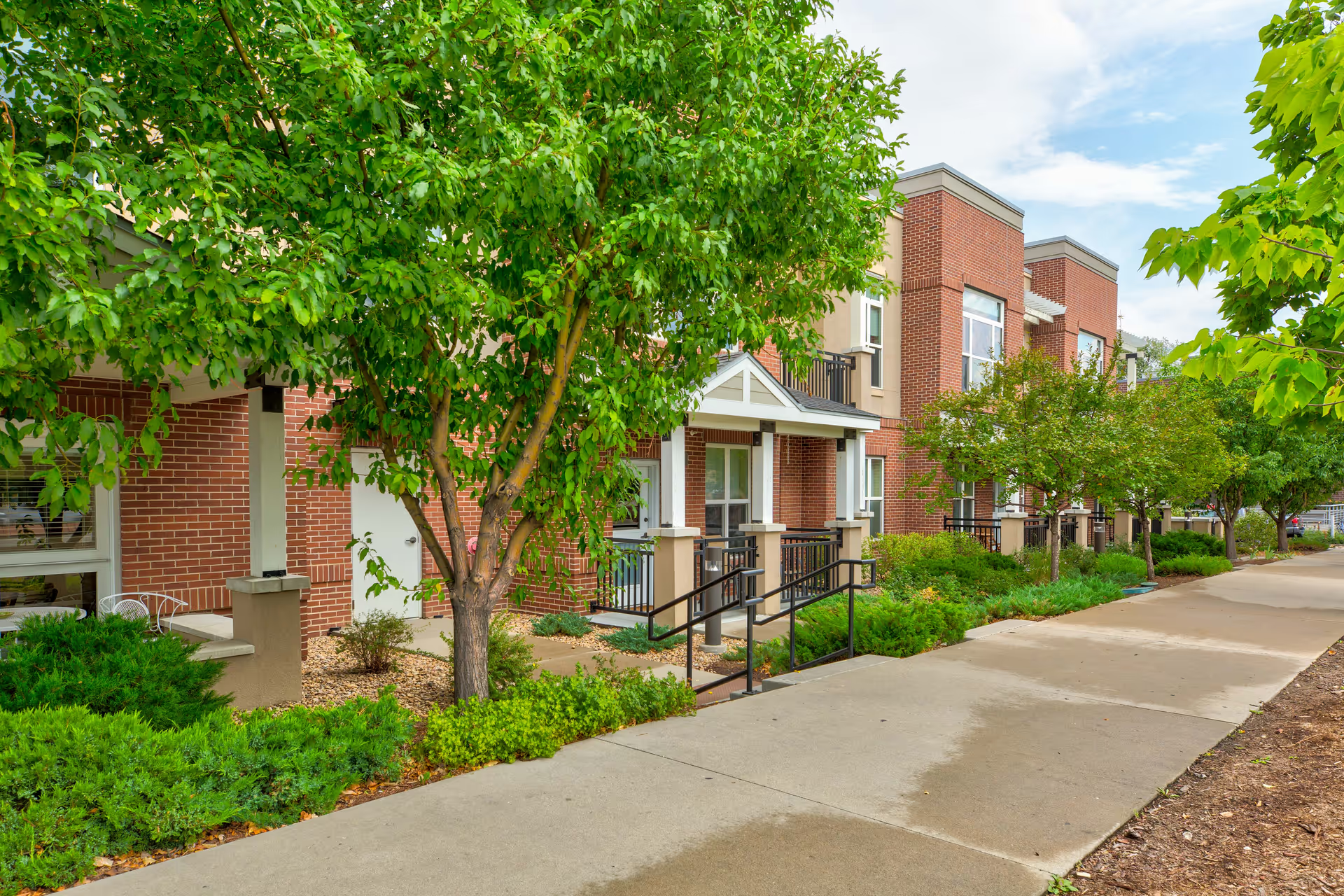
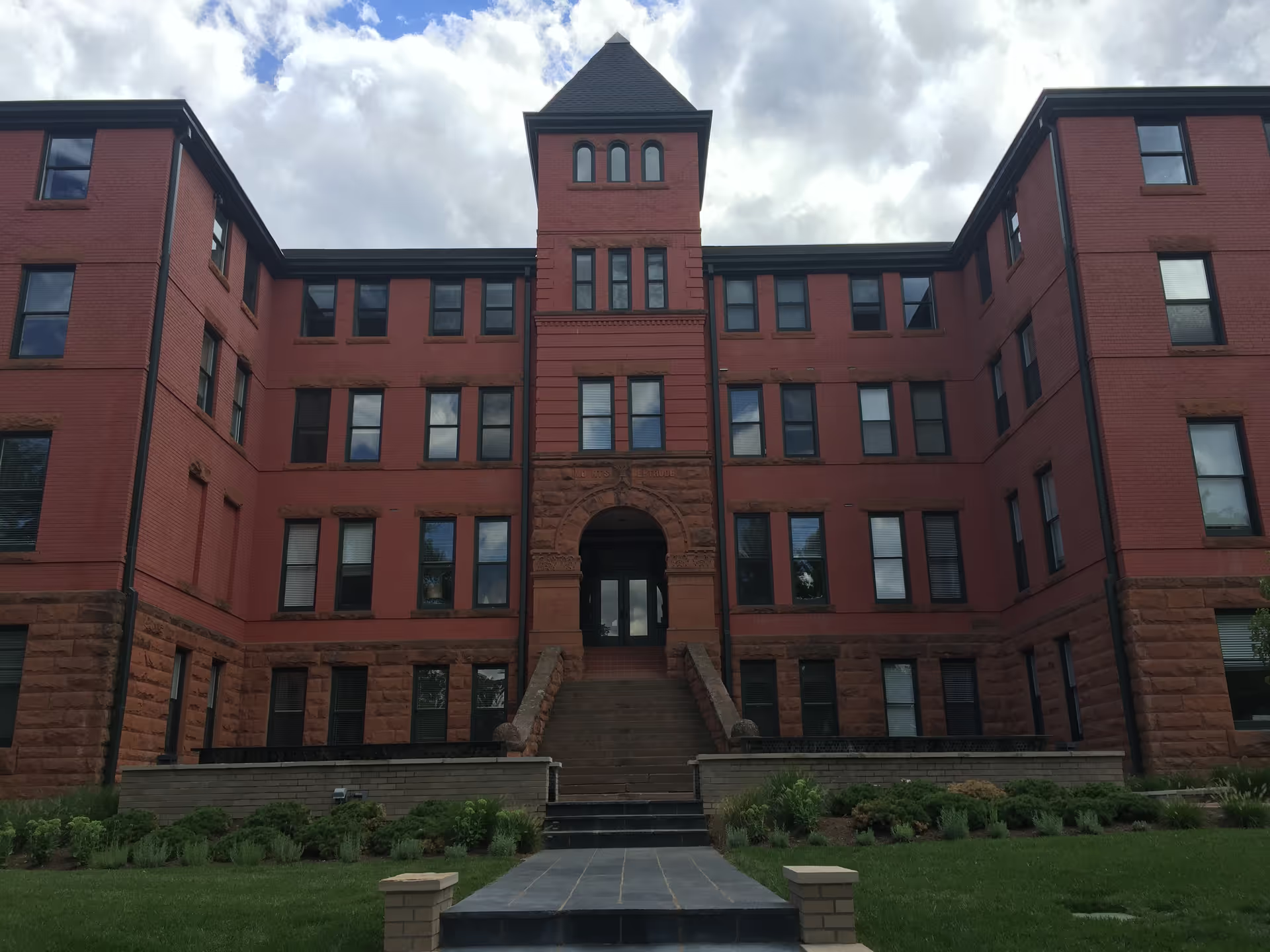
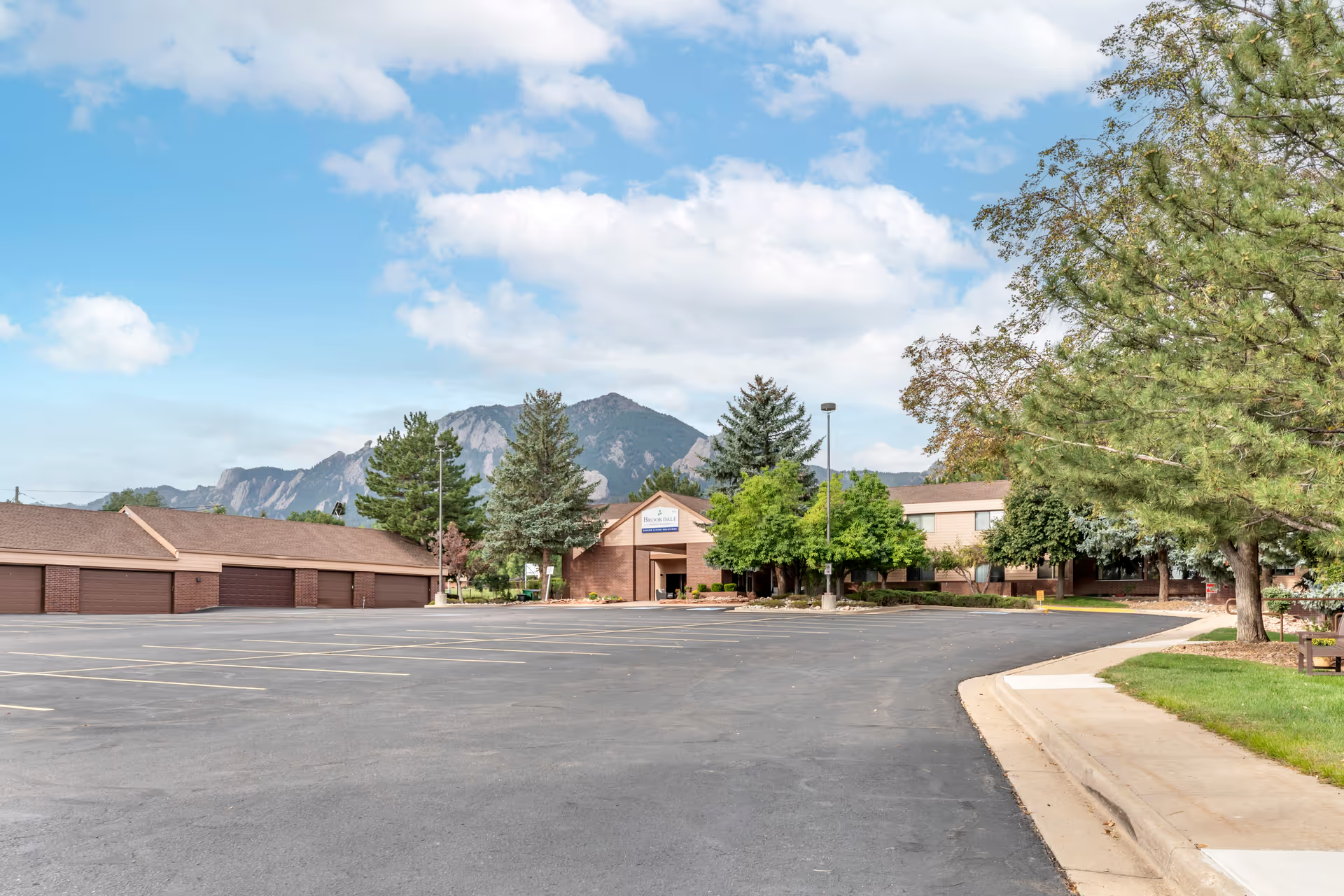
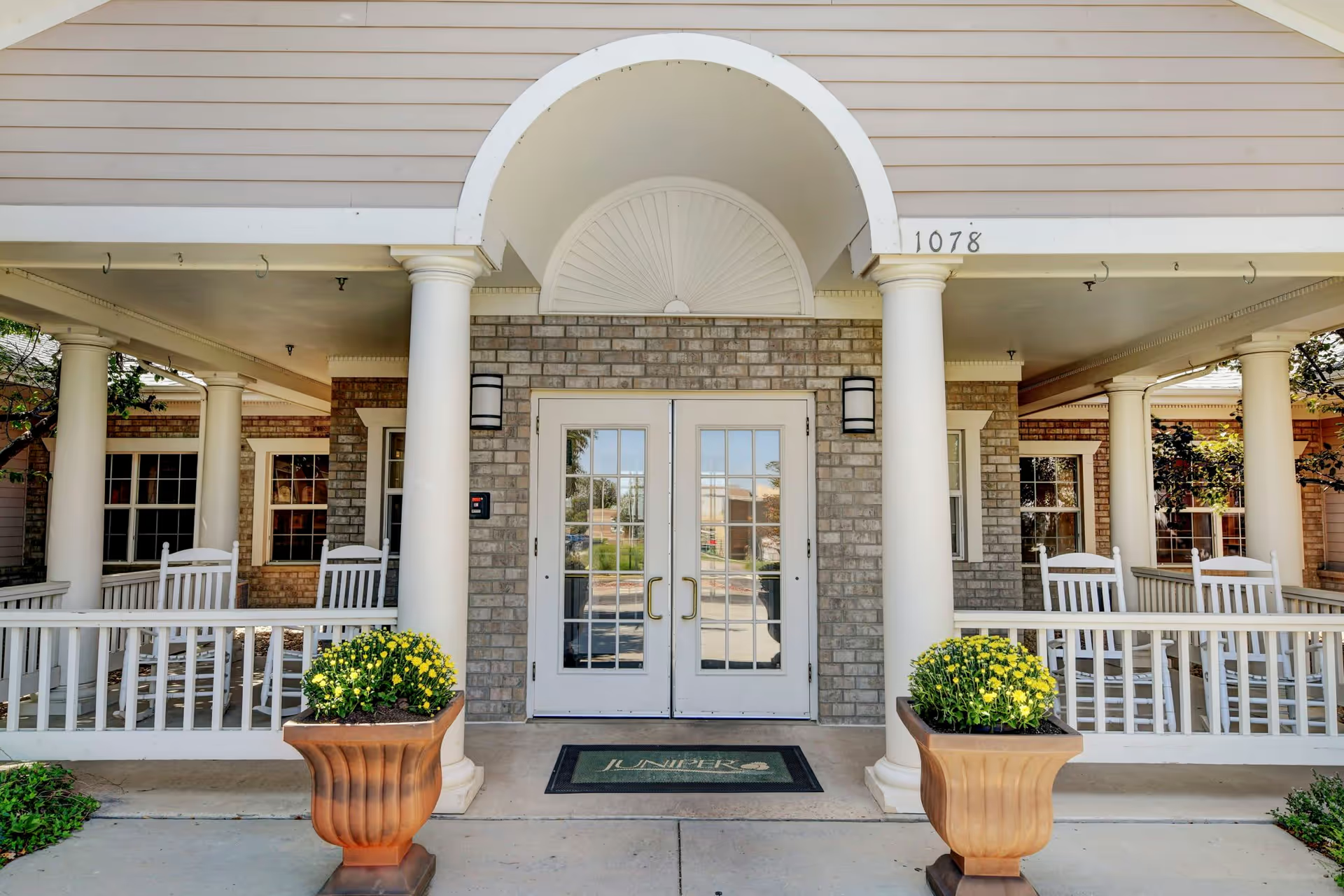
Overall, Winding Trails demonstrates clear strengths in hands-on caregiving, rehabilitation, and resident engagement programming, creating a warm, home‑like environment for many residents. However, operational inconsistency — particularly around medication management, staffing levels, facility maintenance, dining quality, and discharge coordination — appears commonly enough to recommend direct, specific follow-up prior to placement. Recommended actions for prospective residents and families include asking about current staffing ratios and turnover, medication-administration protocols, weekend physician coverage, equipment availability, cleaning and infection-control measures, and the facility’s process for discharge medication reconciliation and addressing maintenance issues. These targeted questions can help determine whether the facility’s strengths align with an individual’s clinical needs and expectations.