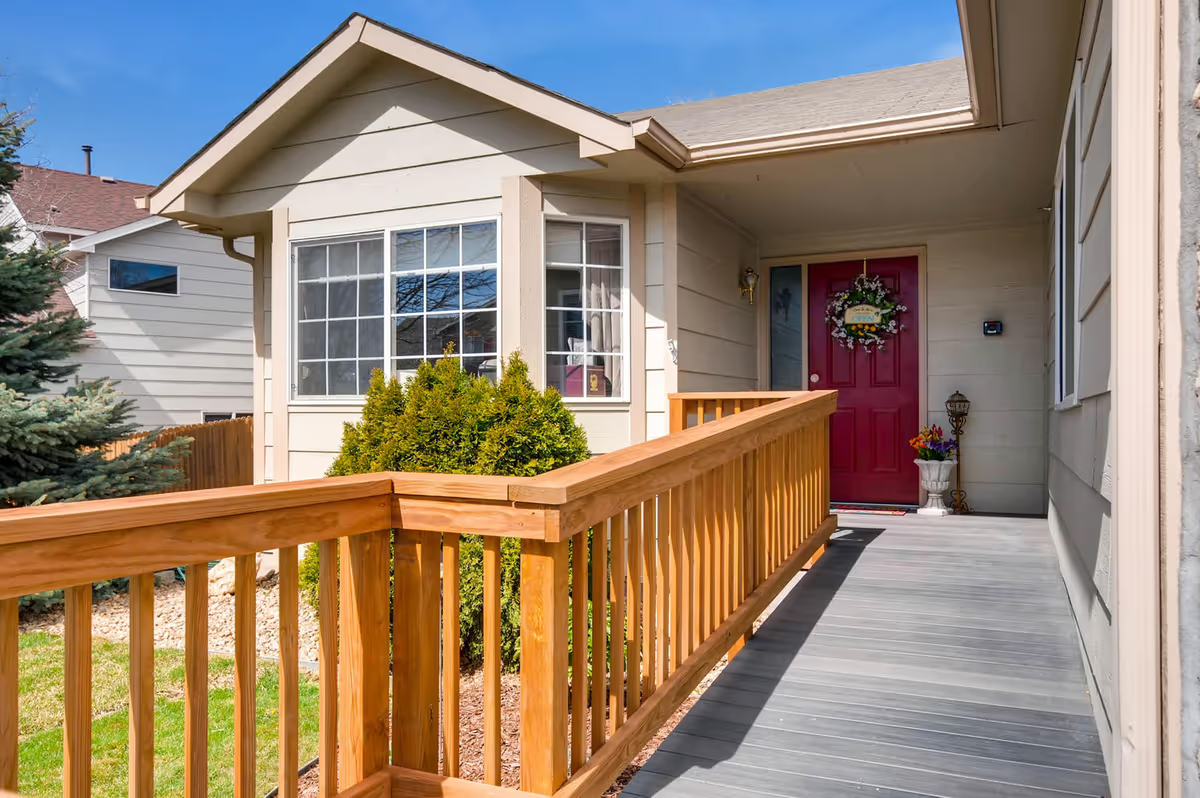
Brookdale Brighton elicits a wide range of experiences. Many families and residents praise the staff for being caring, respectful and attentive; the community's small size is frequently described as enabling one-on-one attention and familiar relationships with caregivers. Reviewers consistently identify strong programming (music, puzzles, exercise classes, church services and occasional off‑campus outings), an active Resident/Ambassador welcome process, on-site therapy and rehabilitation, attractive common areas and landscaped grounds, and convenient apartment-style living with accessible design elements.
At the same time, there is a clear cluster of operational concerns that prospective families should evaluate closely. Understaffing and turnover are recurring themes and appear to drive several downstream issues: inconsistent housekeeping and in-room sanitation, variability in meal preparation and adherence to dietary restrictions, gaps in medication administration and clinical follow-up, and uneven activity participation. A number of families described serious clinical-safety worries, including medication-administration errors and other practices they viewed as unsafe; such accounts should prompt direct questions about medication protocols, staff training, and incident reporting during a tour.
Dining impressions are mixed. Some reviewers describe generous portions and an improving kitchen under new staff, while others report burned or poorly prepared items, thin beverages, and failures to honor diet restrictions. Activity offerings are often cited as a strength — puzzles at breakfast, exercise classes, entertainers and outings — but participation and program consistency vary by day and reviewer; the Resident/Ambassador program and welcoming transition for new residents received positive mention.
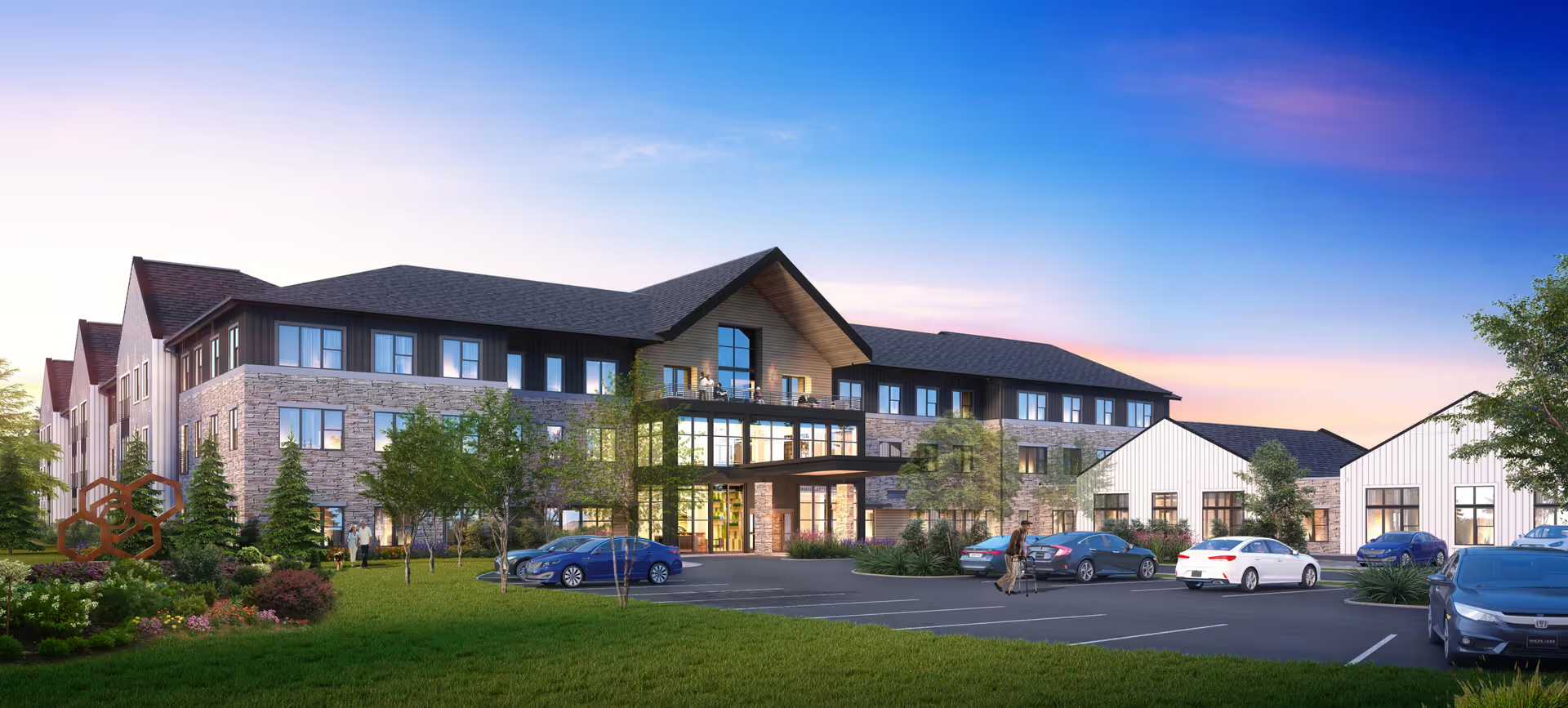
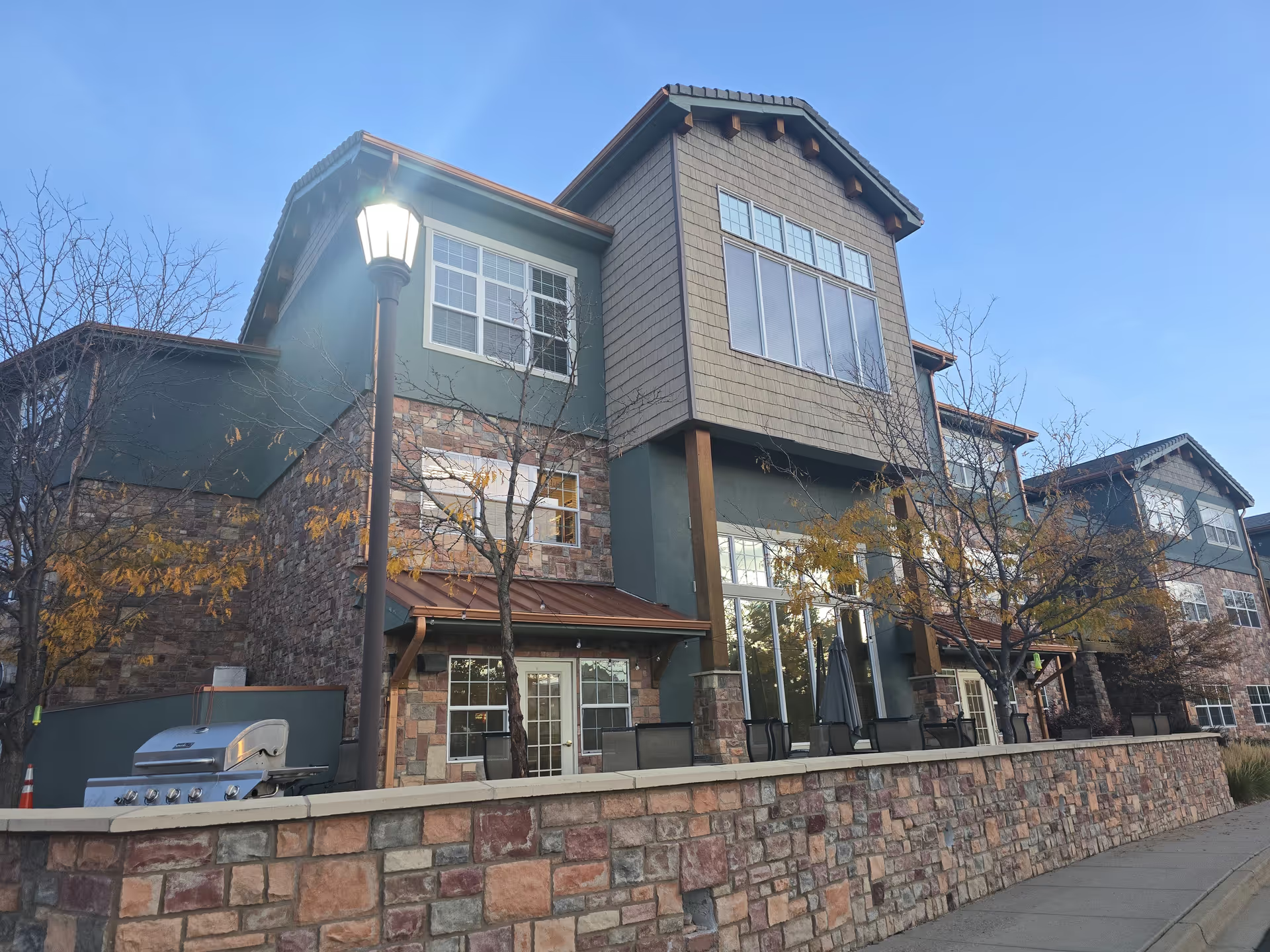
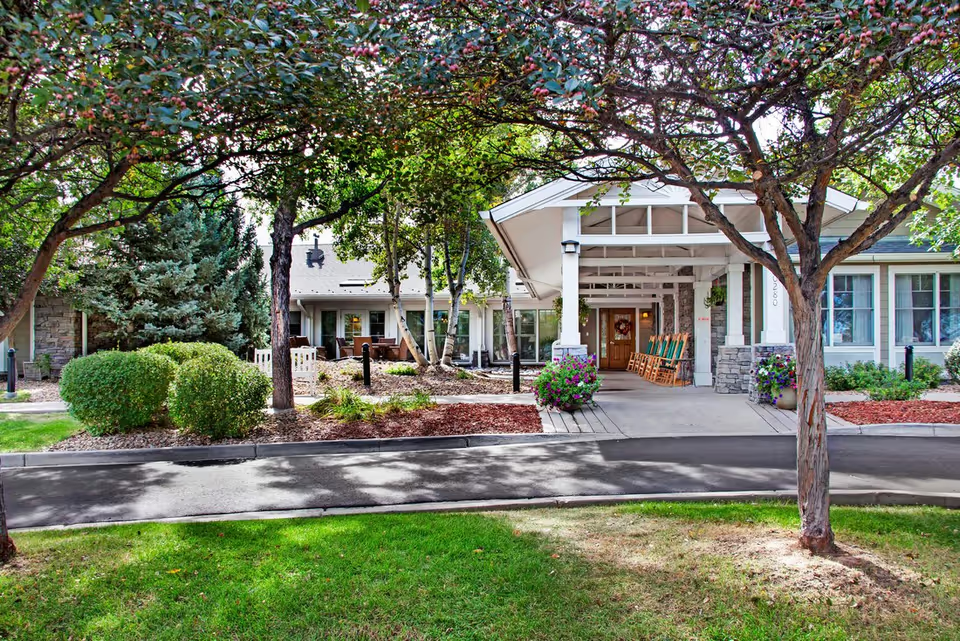
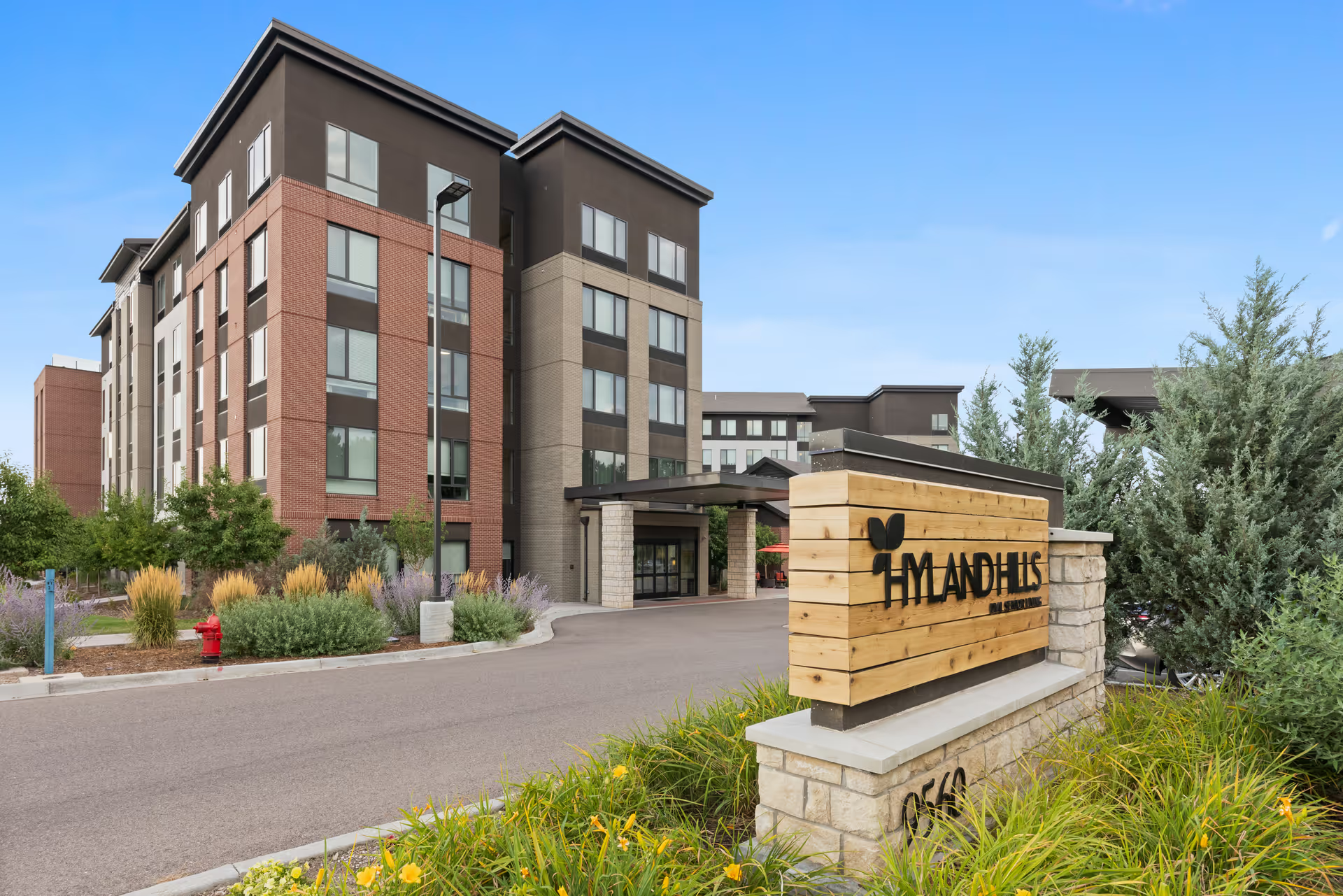
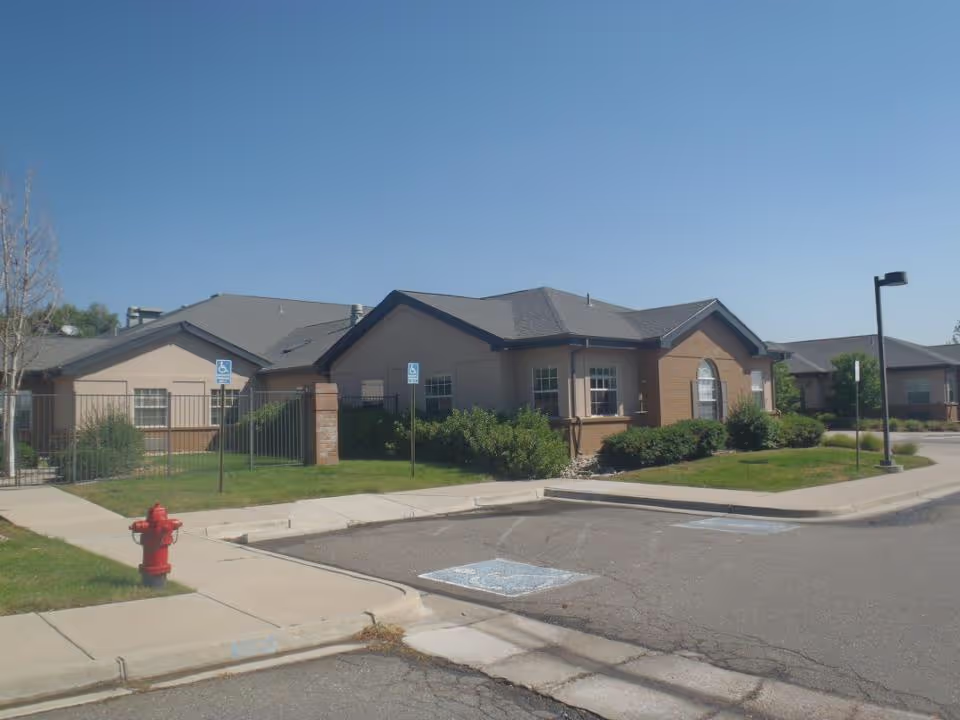
Facility condition and amenities also show a split. The building exterior, landscaping and public spaces are frequently described as modern and well maintained; courtyards, a salon, rehab area and elegant dining room are viewed positively. Conversely, several accounts note variable cleanliness in private apartments (carpets, laundry backlogs, and air-filter maintenance) and occasional odor or incontinence-care concerns in resident rooms. Transportation services such as the community bus were described as helpful by some and unreliable by others.
Management impressions are mixed: some families compliment directors and staff communication, while others point to leadership turnover, perceived favoritism or retaliation, and opaque billing practices (mandatory pharmacy use and extra charges for additional care were noted). There are also mentions of limitations in the community's ability to manage residents with escalating medical needs, leading to transitions to higher-level skilled nursing when acuity increases.
In sum, Brookdale Brighton offers many attributes that appeal to families seeking a small, community‑oriented assisted living environment with active programming and supportive staff. However, recurring operational issues — most notably staffing stability, medication and clinical-safety processes, dining consistency, and billing transparency — create variability in resident experiences. Prospective residents and families should tour the community, observe staffing levels and meals, ask for recent incident and inspection records, clarify billing and pharmacy policies, and discuss dementia and high‑acuity care protocols before making a placement decision.