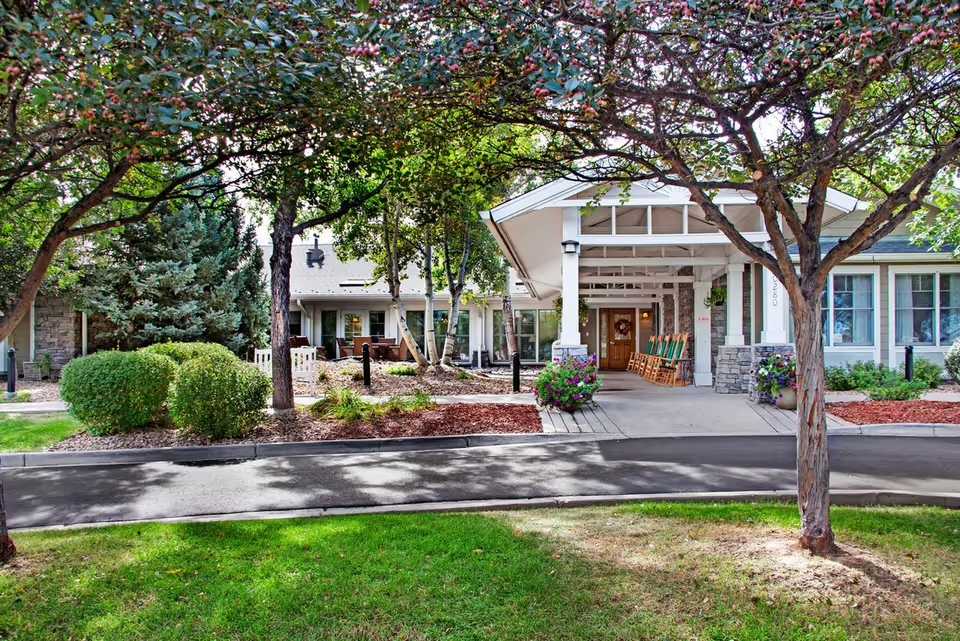
Reviews of Riverdale Post Acute are markedly polarized, with clear clusters of positive and negative experiences. Many family members and visitors describe compassionate, attentive front-line caregivers — CNAs and nurses who provide hands-on support, coordinate with families, and respond effectively to emergencies, including successful CPR/AED interventions. Several accounts highlight strong daily organization, a welcoming small-community atmosphere, helpful reception staff, and effective collaboration with local services during events such as evacuations. Memory-care and rehabilitation teams are frequently described as caring and dedicated, and some reviewers reported clean, well-organized units and reliable therapy services.
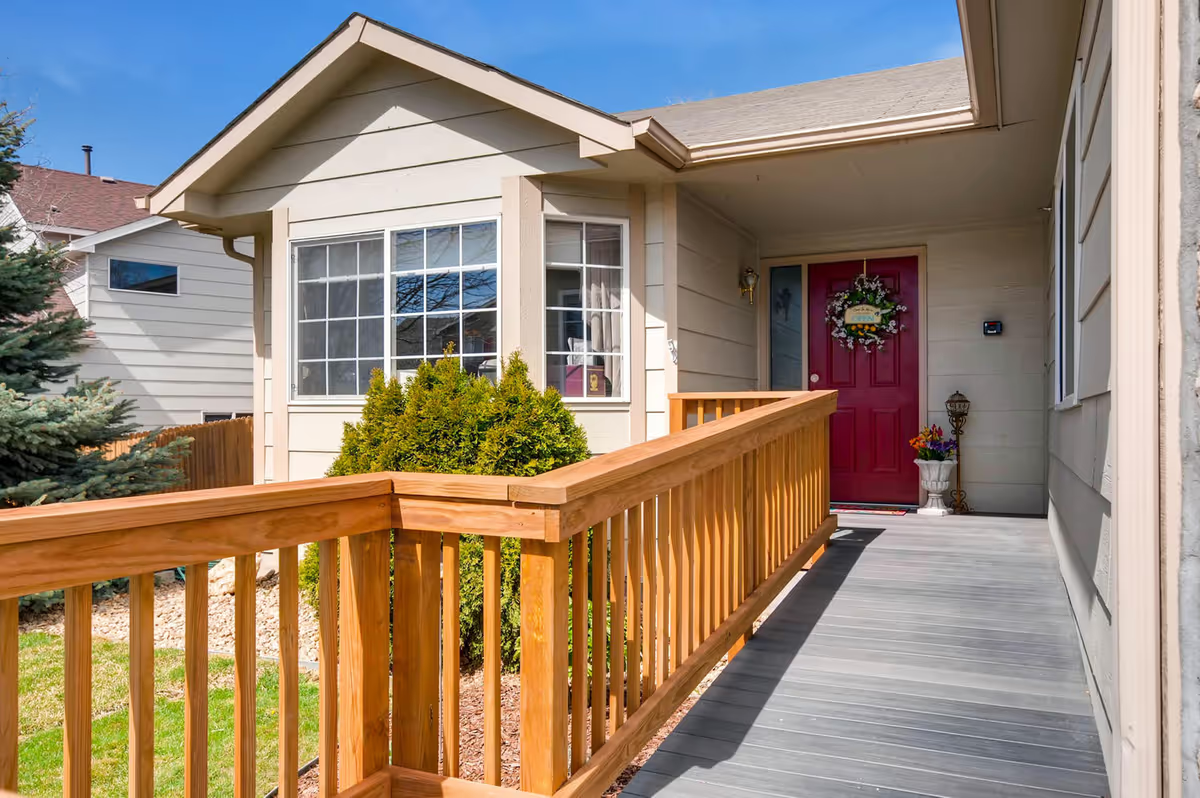
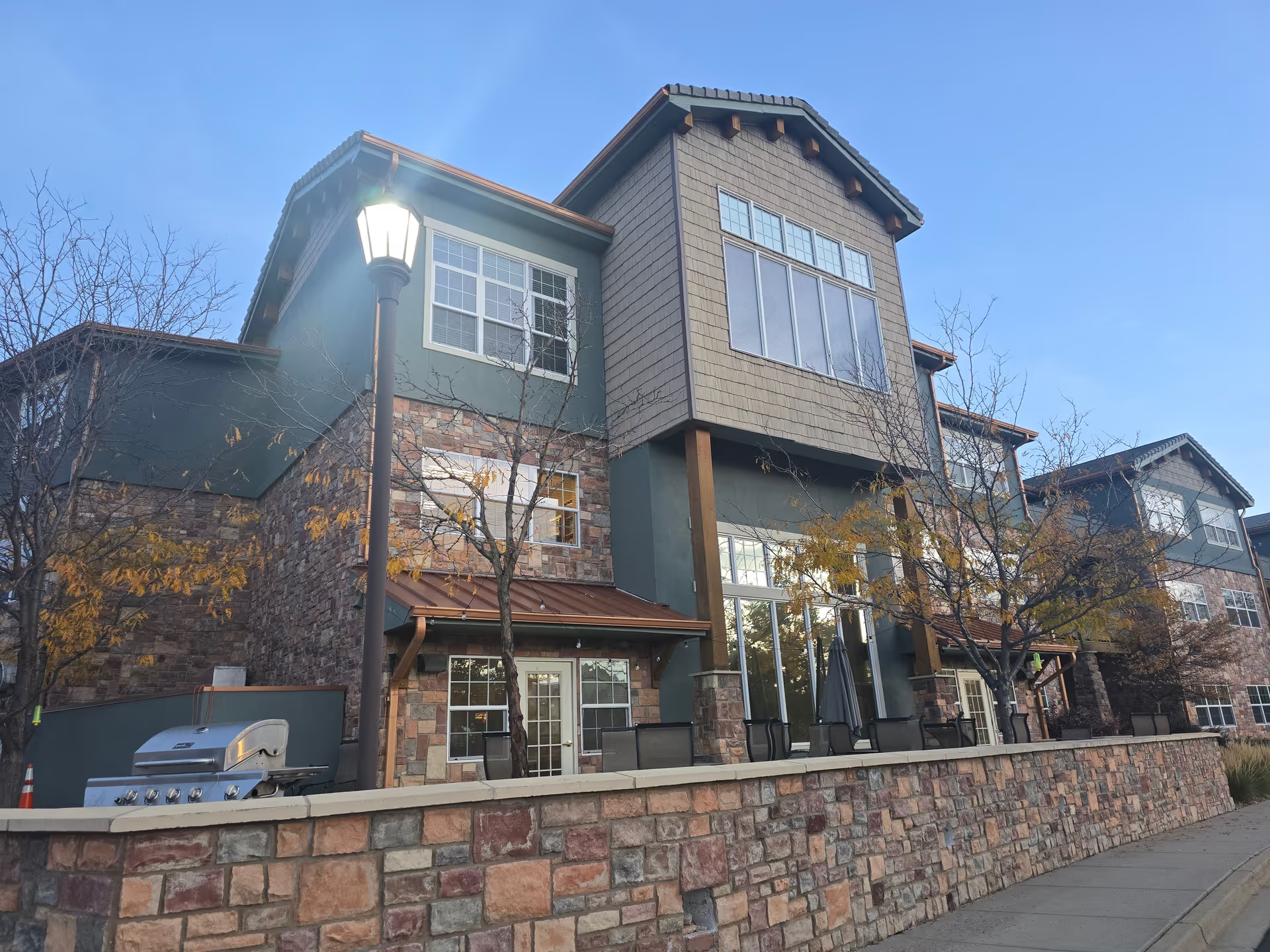
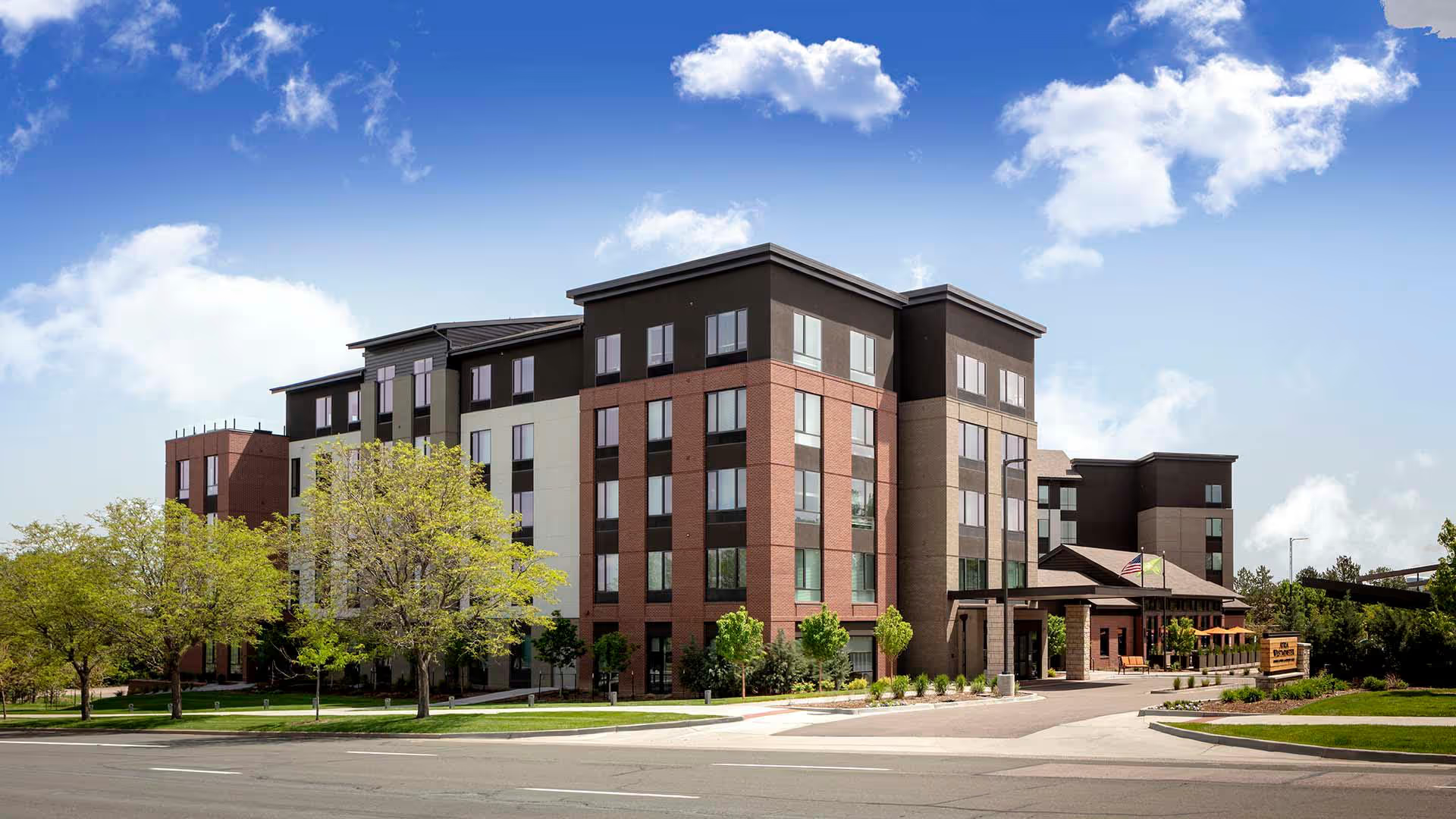
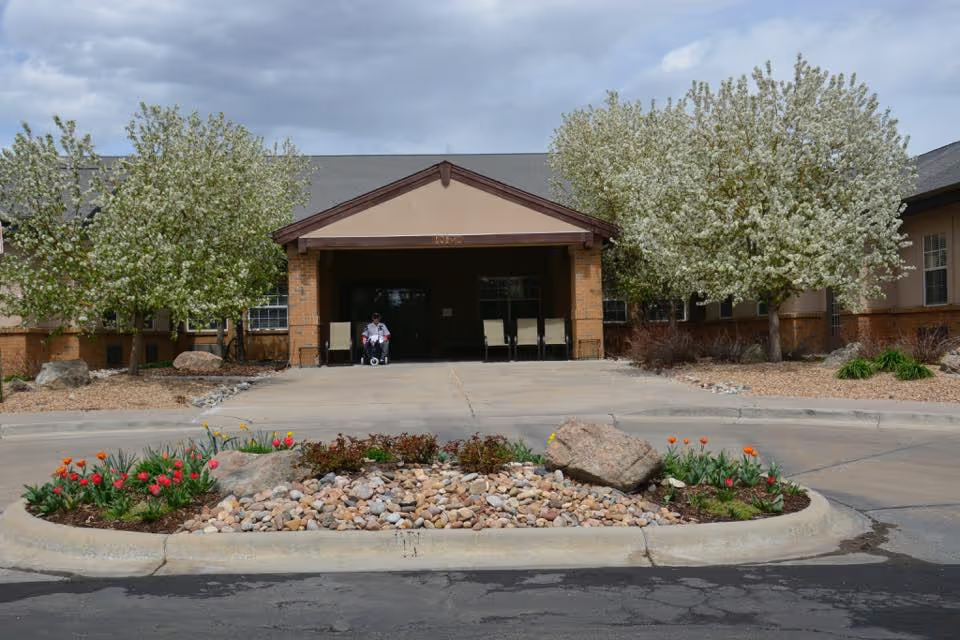
Conversely, a substantial set of critiques centers on operational inconsistencies. Cleanliness and sanitation practices were described as variable across areas and shifts, and there are recurring observations about pest-control and incontinence-care concerns. The facility’s exterior and some interior spaces were noted as poorly maintained, with deferred maintenance and cluttered common areas. Infrastructure limitations were also raised: constrained therapy space, limited air conditioning, lack of bedside storage or phones in some rooms, and dated cosmetic elements.
Communication and management patterns are a prominent theme. Multiple reviewers cited difficulty reaching staff by phone, long wait times, and delays or gaps in family notification following clinical changes or a resident’s death. While some reviews praise leadership and describe strong teamwork and transparent support during crises, others allege problematic administrative behavior, including concerns about infection-control reporting and more serious allegations regarding data reporting and financial practices. Staffing morale issues were also reported, with statements that some employees felt poorly treated; these accounts correspond with descriptions of uneven care quality and responsiveness.
For prospective residents and families, the dominant takeaway is variability: the facility can deliver attentive, compassionate care and effective emergency response, but experience appears to depend heavily on unit, staff on duty, and timing. Recommended next steps include an in-person tour that inspects both interior and exterior maintenance, direct conversations with nursing leadership about communication protocols and notification timelines, inquiry into infection-control reporting and staffing levels, and review of therapy space and amenities. Asking for recent inspection or licensing records and contacting current family references can help clarify whether the facility’s strengths or its operational gaps will be most relevant to a given resident’s needs.