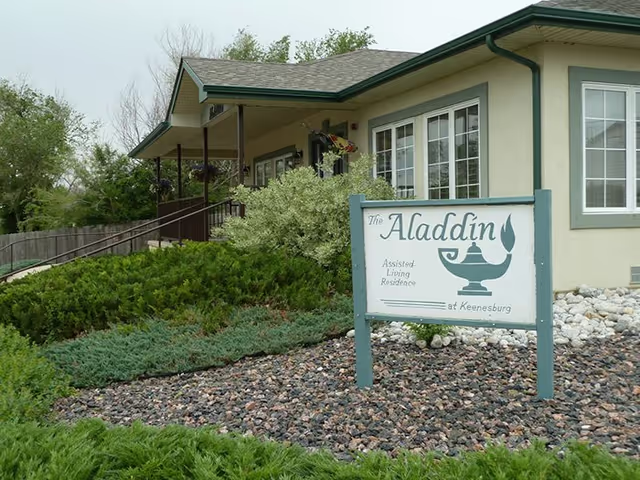
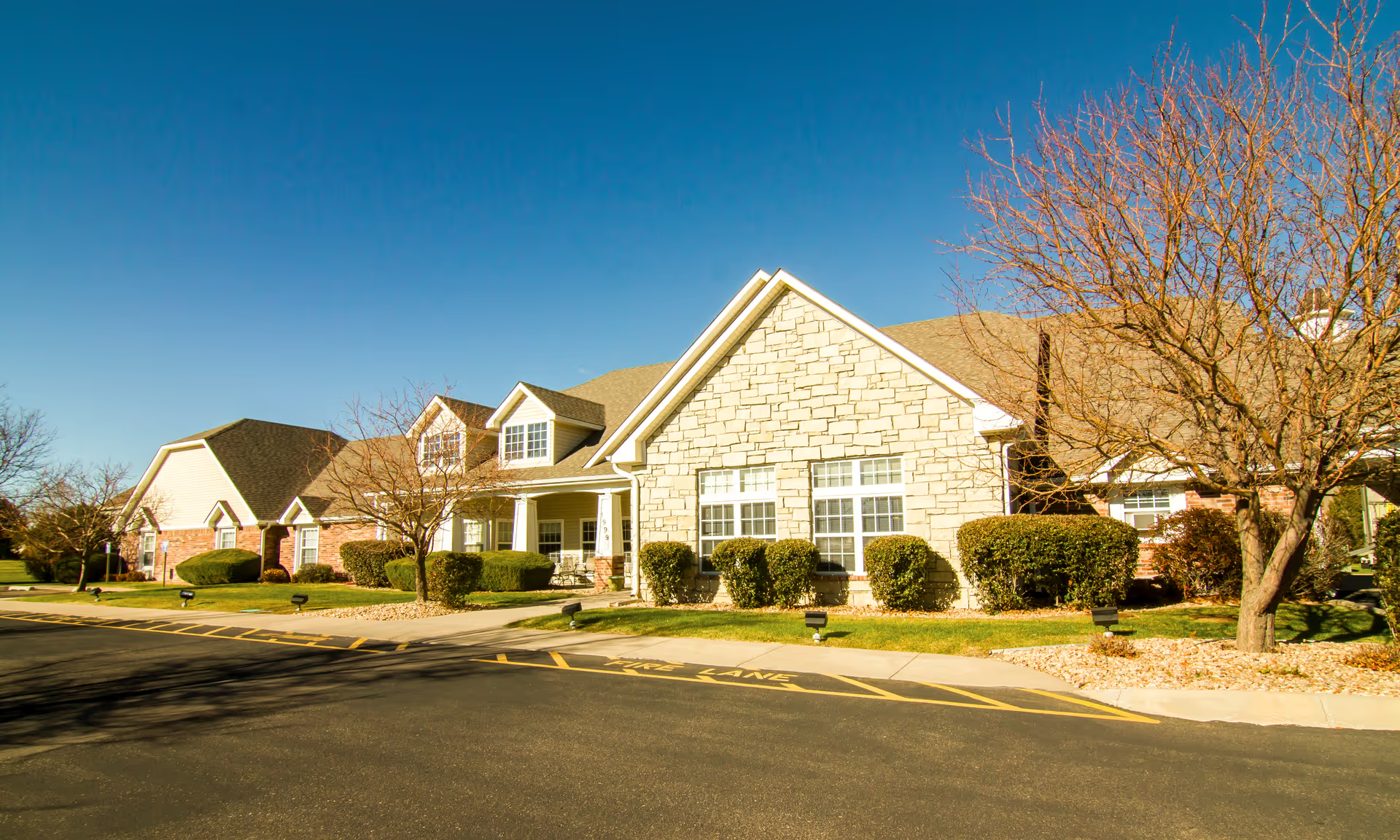
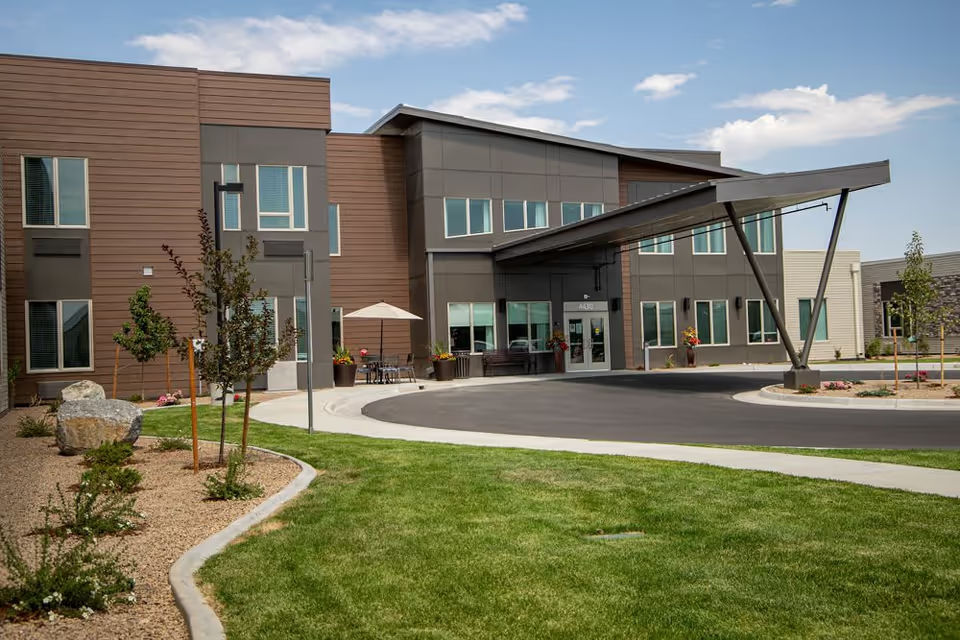
Aladdin Assisted Living is described consistently as a small, home-like community with a clean, comfortable interior and a welcoming atmosphere. Many comments emphasize a close‑knit staffing model and personalized attention; reviewers highlight friendly, caring employees and an administrator who is hands-on and perceived as deeply involved in resident care. Families frequently note strong bereavement support and an overall feeling that the environment is safe and resident-centered rather than corporate.
Care quality is a mixed picture. On the positive side, the facility's small scale appears to enable individualized attention, warm staff–resident interactions, and rapid relationship-building. However, one serious family account raises concerns about clinical monitoring, responsiveness, and caregiver competency. That account included claims about insufficient attention to basic clinical needs and subsequent medical escalation. This is a significant, individual allegation and should prompt prospective families to request documentation of clinical protocols, incident-response procedures, staff training records, and references from other families.
Dining and daily life receive generally favorable comments — reviewers mention good food and a homelike dining experience — but there is some indication of limited menu variety or menu satisfaction described as only "okay" by a few. Operationally, the reviews suggest potential weaknesses in meal-service continuity and in how hydration and nutrition monitoring are managed. Prospective residents should ask about meal rotation, accommodations for special diets, mealtime assistance procedures, and how hydration and intake are documented and escalated.
Management and facilities are commonly praised: the administrator is viewed as engaged, and the non‑corporate, homey culture is repeatedly cited as a strength. That same small scale, however, may contribute to variability in care consistency and fewer redundancies in staffing or clinical oversight. To evaluate operational reliability, families should review staffing ratios, on‑site clinical oversight, caregiver competency-validation processes, and the facility's communication protocols for incidents and family updates.
In summary, Aladdin presents strong, household-style strengths — attentive staff, clean and comfortable spaces, supportive bereavement practices, and engaged management. At the same time, the presence of a serious, individual allegation about clinical monitoring and several comments implying variable service consistency suggest the need for due diligence. Recommended next steps for prospective residents and families include reviewing clinical and staffing policies, asking for recent inspection or audit results, speaking with the administrator about training and incident-response procedures, and requesting current family references.