Summary of findings
The reviews for South Platte Health and Rehabilitation Center present a strongly polarized picture. A substantial set of comments praises hands‑on caregiving, particularly from CNAs and the physical‑therapy team, noting individualized rehab plans and measurable recovery progress. Families and residents describe a warm, family‑like atmosphere, flexible visitation, and staff who provide proactive health checks and meaningful end‑of‑life support. Several accounts also reference efficient maintenance support and specific improvements under new management, as well as an active calendar of social and therapeutic activities that includes creative programs and community events.
Care and staff: Strengths center on direct-care personnel — CNAs, rehab therapists, and a number of nurses are described as compassionate, attentive, and effective. These staff members are credited with producing good functional outcomes for rehabilitation patients and providing emotional support to residents and families. However, these strengths are offset by repeated concerns about inconsistent professionalism and communication, frequent use of agency staff, and episodes of slow responsiveness to resident needs. That combination suggests variability by shift or team: well‑regarded caregivers coexist with periods of understaffing and communication gaps that affect timely assistance and medication access.
Dining and activities: Activity programming is a clear positive for many reviewers, with diverse social and therapeutic options that contribute to engagement and community feeling. Feedback on dining is mixed; some describe meals as adequate or average, while others identify inconsistent quality and occasional mismatches between menu items and residents’ dietary or texture needs. The programmatic strengths around activities are an asset, but meal service reliability and dietary appropriateness appear to need attention.
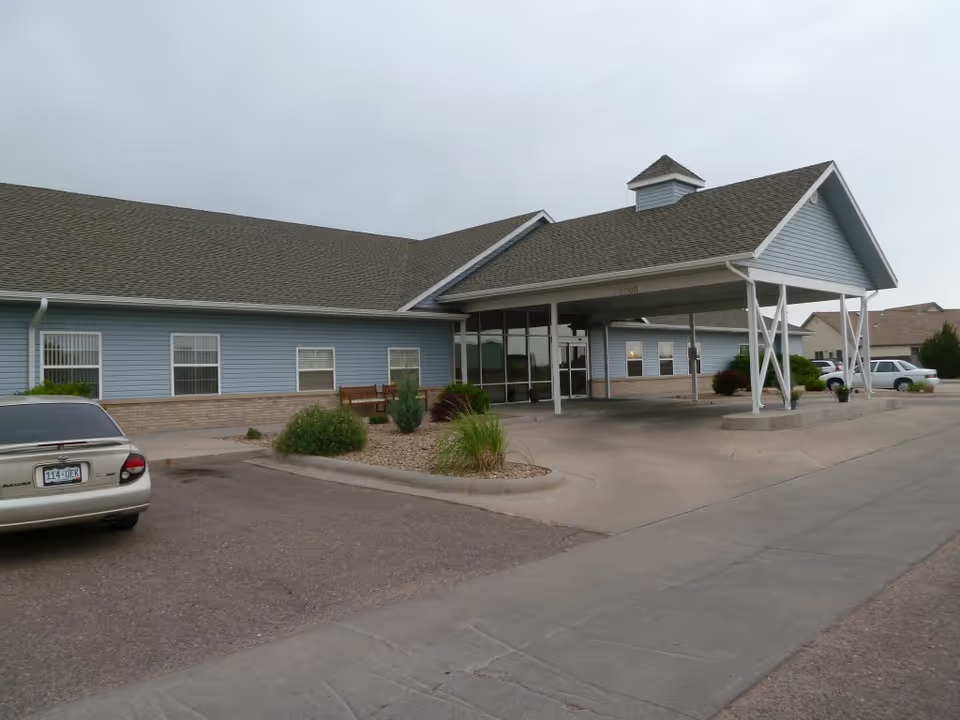
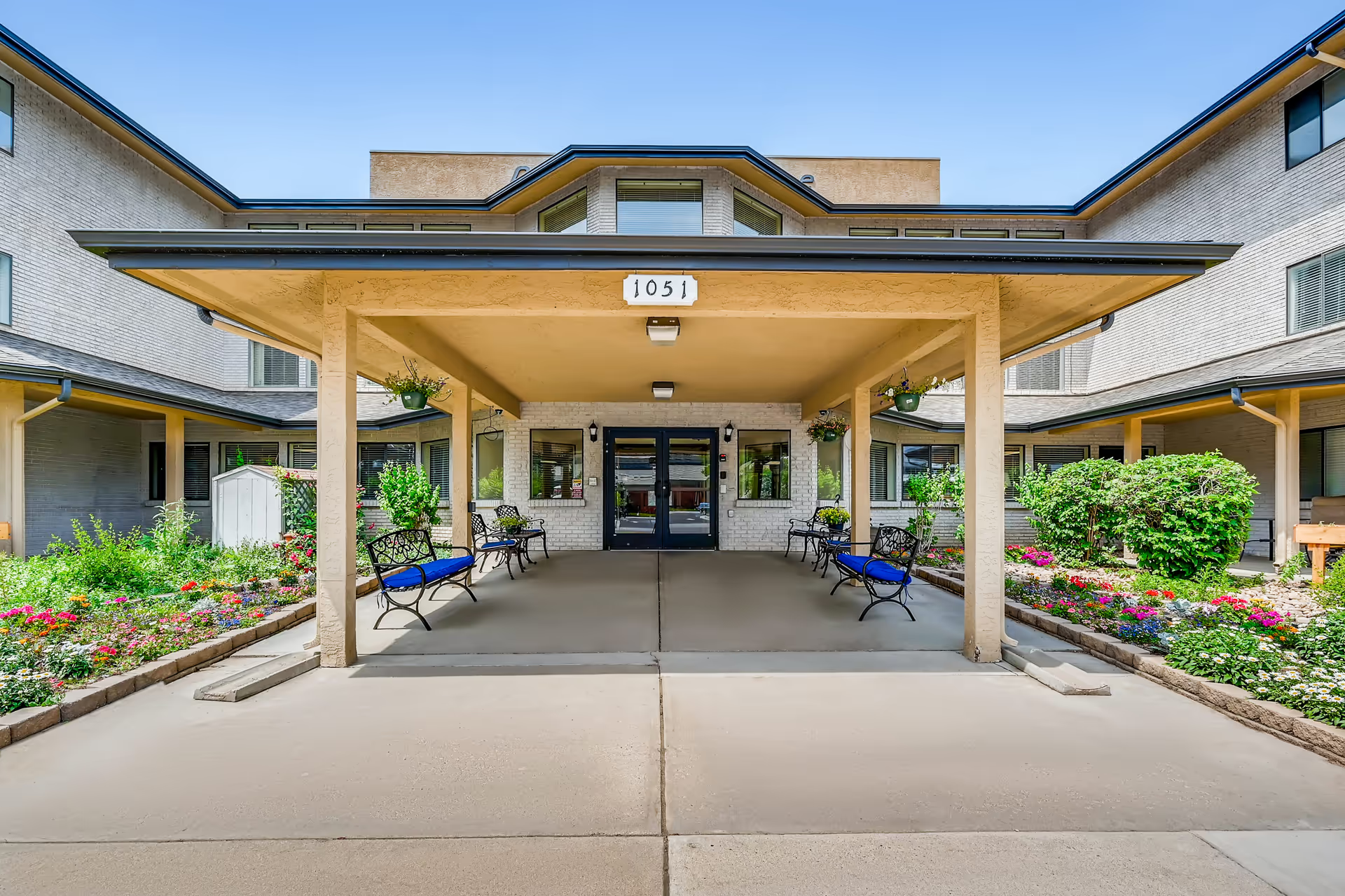
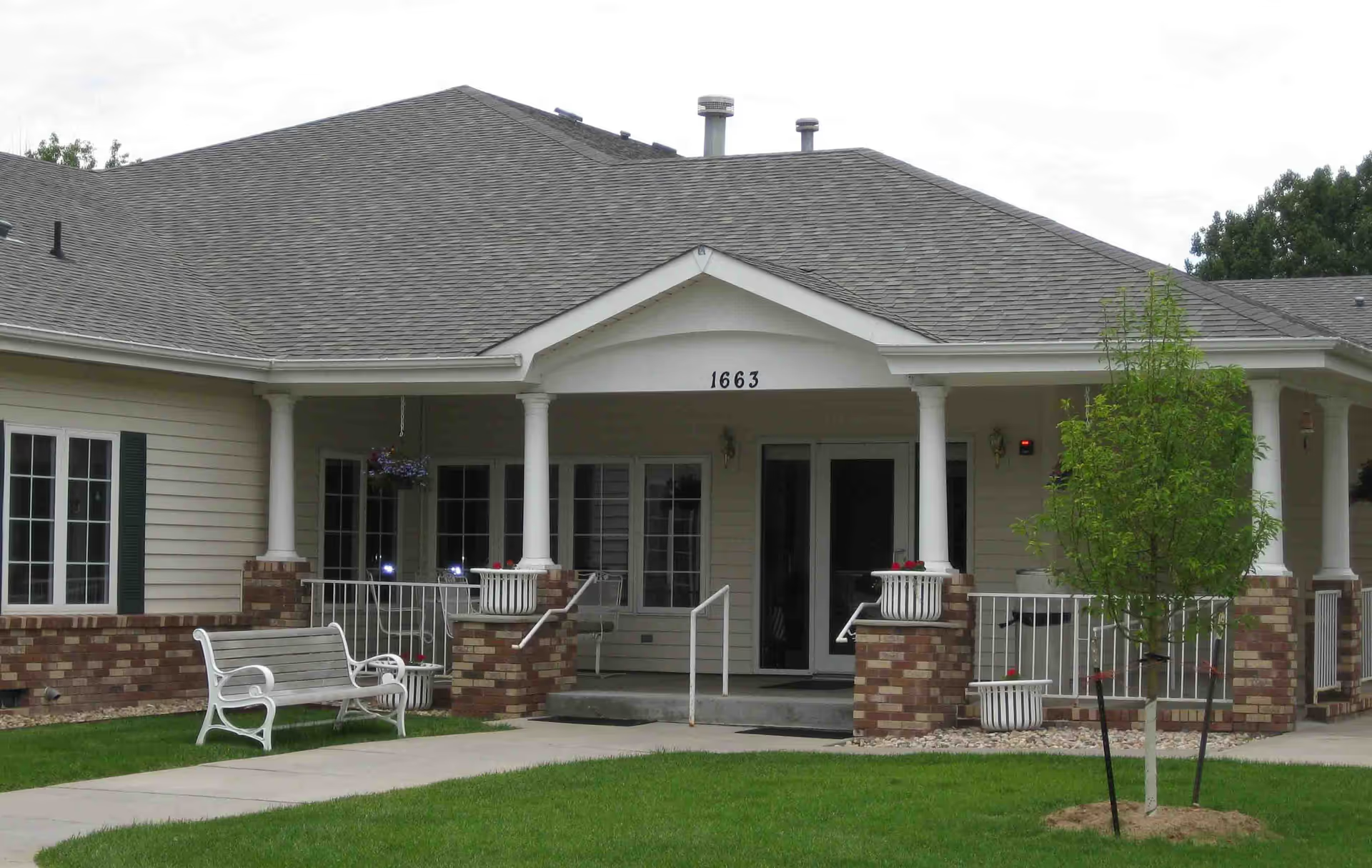
Facilities and operations: Descriptions of the physical plant vary. Multiple comments praise clean, well‑equipped areas and responsive maintenance work, whereas others highlight aging infrastructure, worn furnishings, restroom limitations, plumbing problems, and sanitation or odor concerns in specific areas. Operational weaknesses cited include delays in linen replacement and personal‑care schedules, as well as incomplete discharge paperwork and unclear budgeting or administrative processes. Human‑resources and onboarding practices are also identified as inconsistent, with examples indicating a need for more reliable hiring and staff‑integration procedures.
Management and notable patterns: Management performance is described both positively (improvements under new leadership, efficient administration) and negatively (perceived focus on finances over resident experience, inconsistent communication). A notable pattern across reviews is variability: experiences range from highly positive — where individualized attention and strong therapy lead to good outcomes — to seriously concerning, where staffing, cleanliness, and responsiveness fall short. This variability suggests that care quality may depend heavily on staffing levels, shift coverage, and recent leadership changes.
Implications for prospective families: The facility offers clear strengths in rehabilitation, personal caregiving, and community activities, but also exhibits operational weaknesses that could affect day‑to‑day experience. Families considering placement should schedule an in‑person tour across different times/shifts, observe cleanliness and activity engagement, ask about current staffing ratios and agency‑staff usage, review medication‑administration and emergency‑response protocols, and clarify discharge and infection‑notification procedures. These targeted inquiries will help assess whether the facility’s strengths align with an individual resident’s needs and whether the variability highlighted in reviews has been addressed.