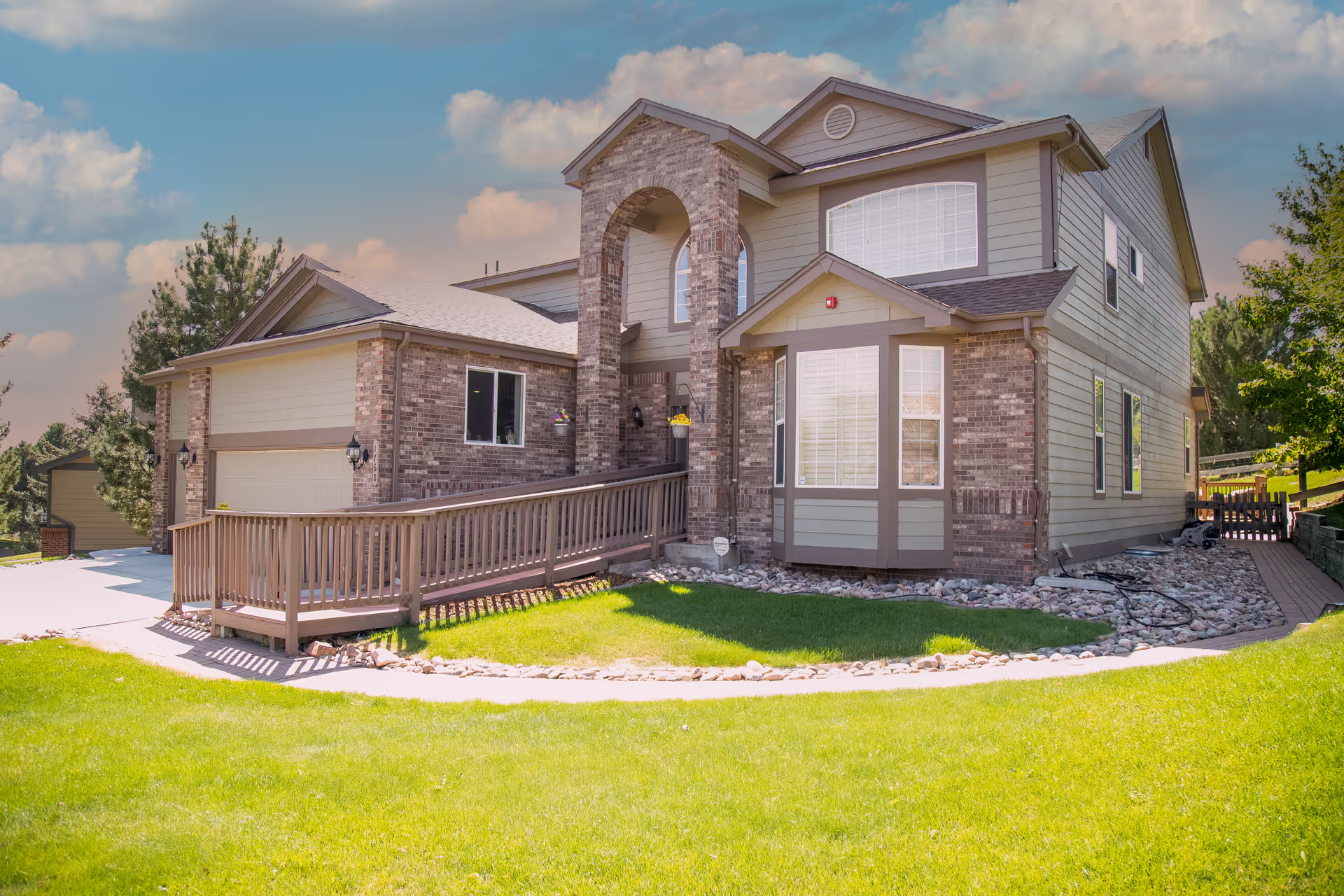
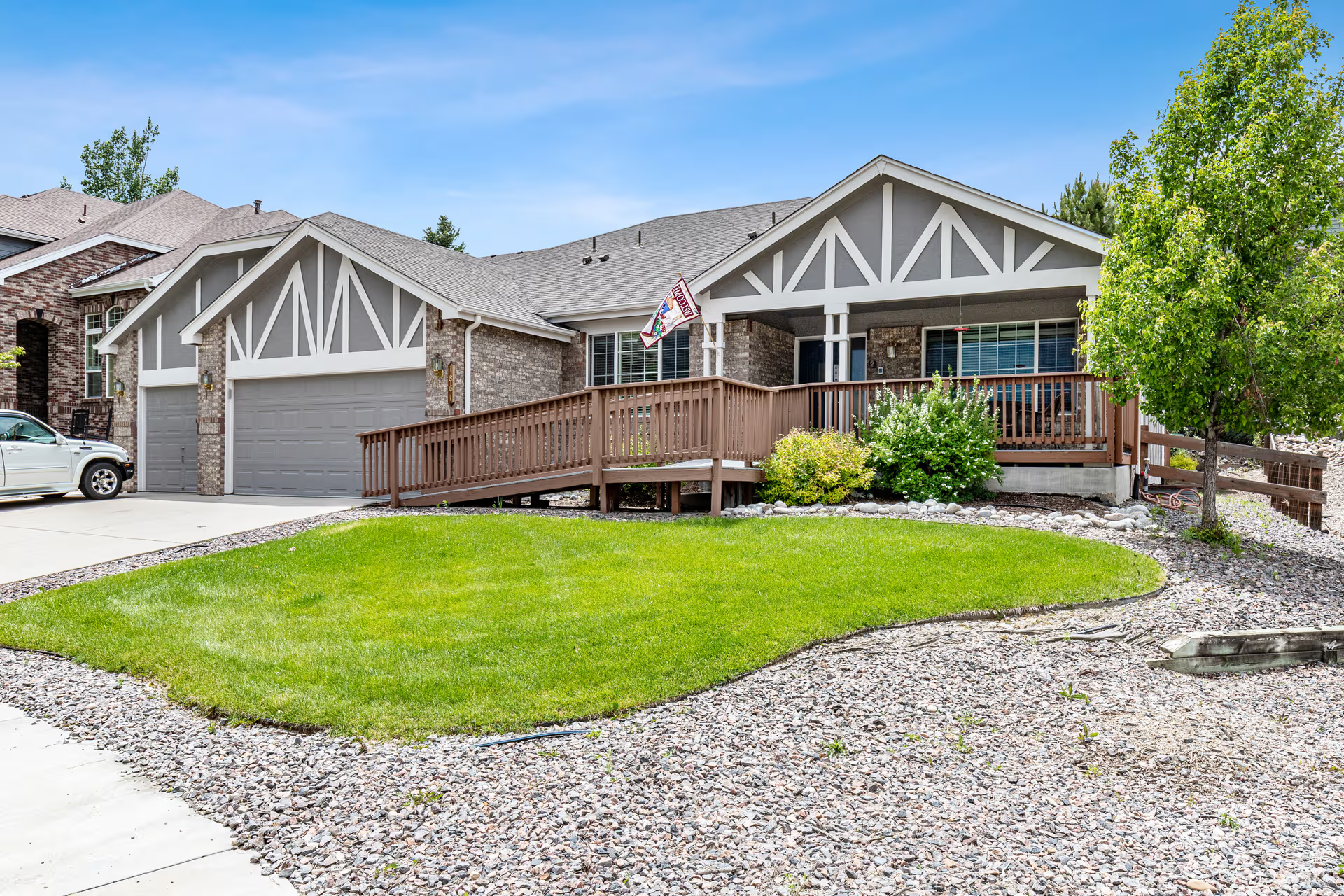
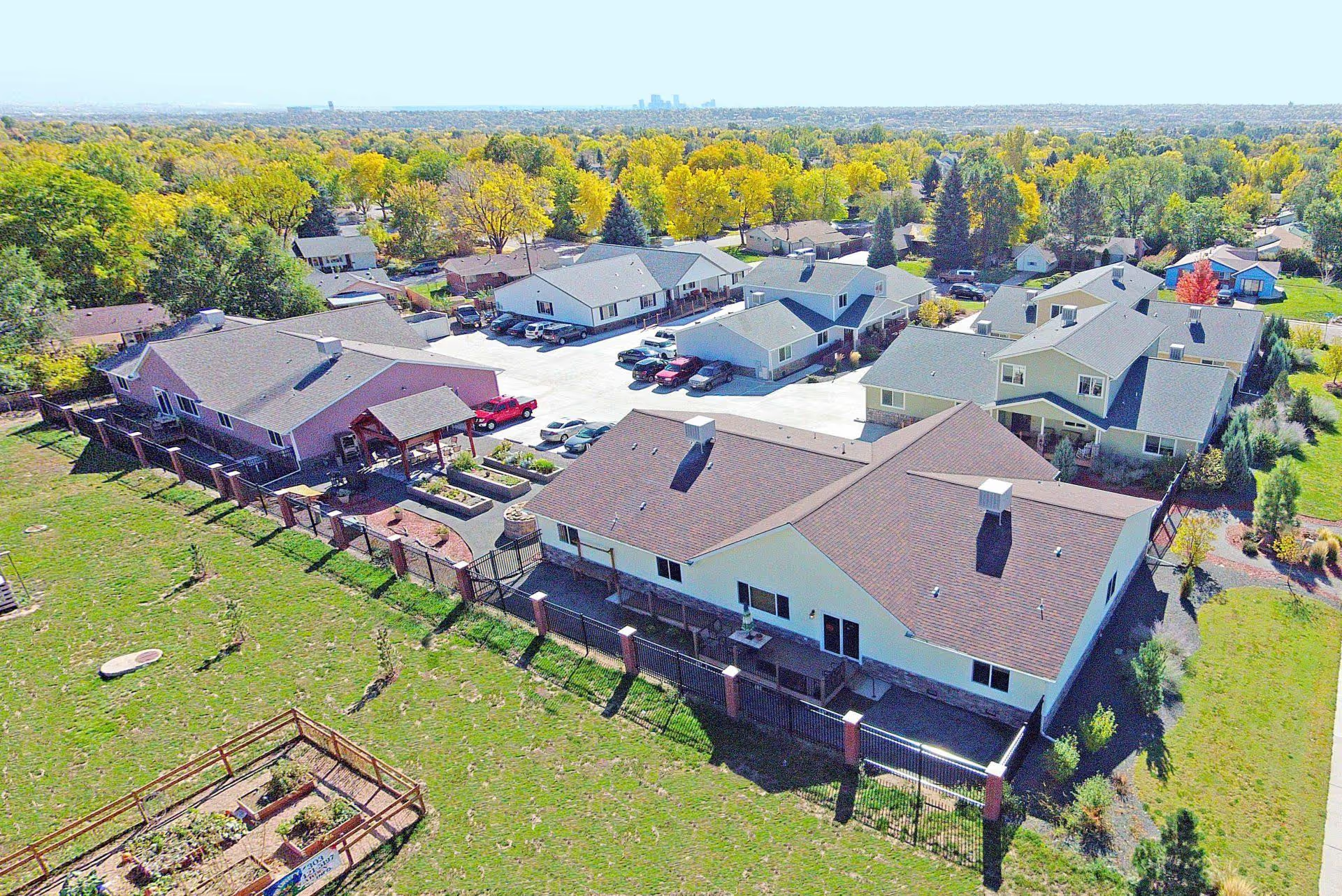
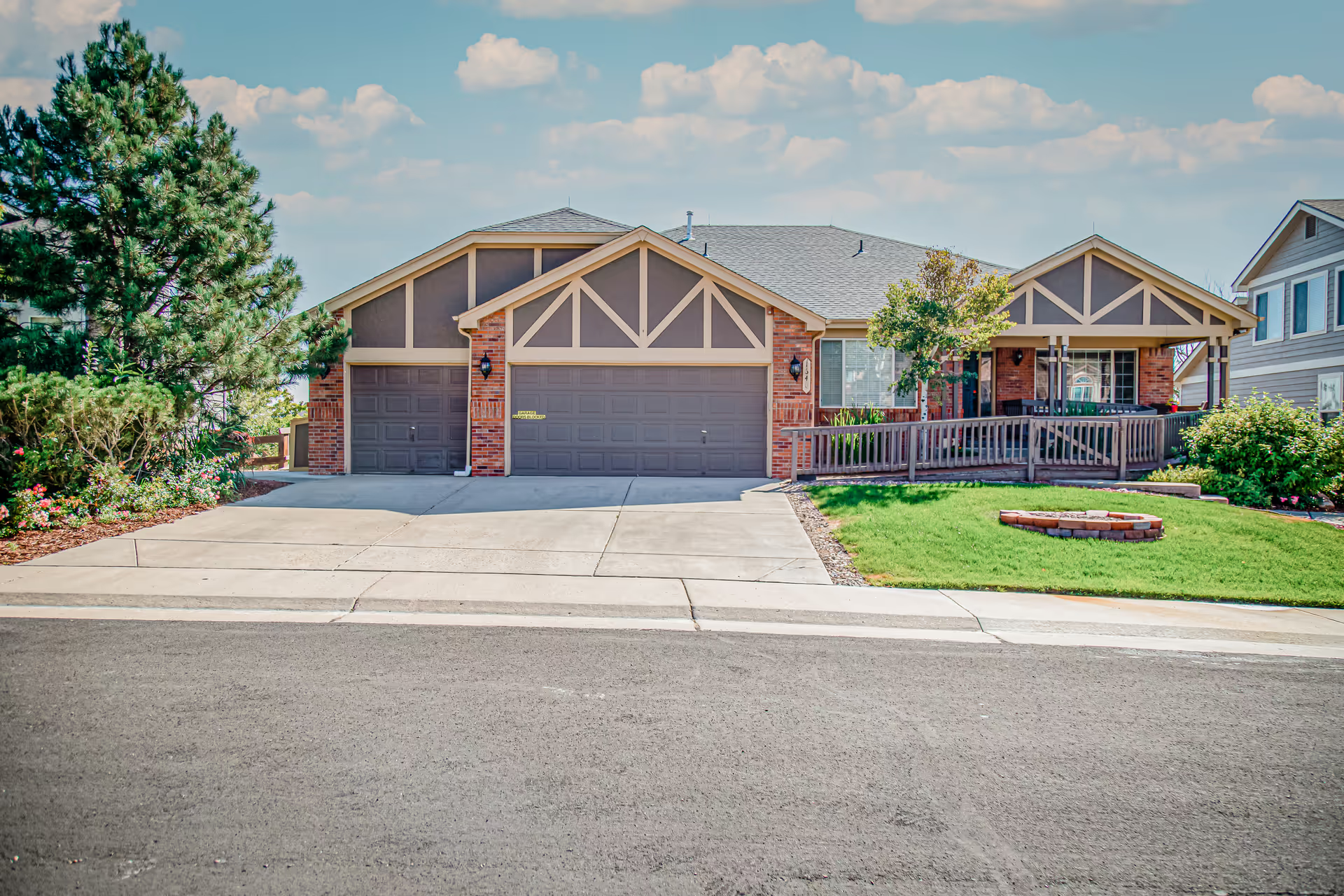
The reviews present a mixed but consistent pattern: many families and residents praise the bedside nursing staff, CNAs, and therapy teams for compassionate care and measurable rehabilitation gains, while others describe persistent operational weaknesses that affect daily comfort and confidence. Clinical therapy services (physical and pulmonary) are frequently cited as effective, and staff-level interactions are often characterized as warm, engaged, and resident-centered. The facility provides an active calendar of activities, seasonal programming, volunteer engagement, and a pleasant campus setting with notable views and comfortable common areas.
Care quality shows two clear themes. Positive accounts highlight dedicated nurses and aides who support recovery, mobility gains, and dignified treatment. Conversely, staffing inconsistencies and high turnover contribute to delays in attending to residents, variability in bathing and linen-changing practices, and occasional lapses in device and wound management. Reviewers referenced delays in toileting and other basic-care responsiveness; aggregated, these indicate systemic staffing and workflow constraints rather than isolated interpersonal issues.
Dining and activity programming are strengths in several accounts: residents enjoy a range of activities, seasonal events, and social opportunities, and the dining rooms and menus provide flexibility and occasional high-quality meals. However, meal quality is uneven — examples of poor preparation and diminished flavor due to dietary controls were noted — suggesting inconsistent kitchen processes and quality assurance. Room-level personalization and in-room activities are available, and families report positive admissions coordination and VA navigation support in some cases.
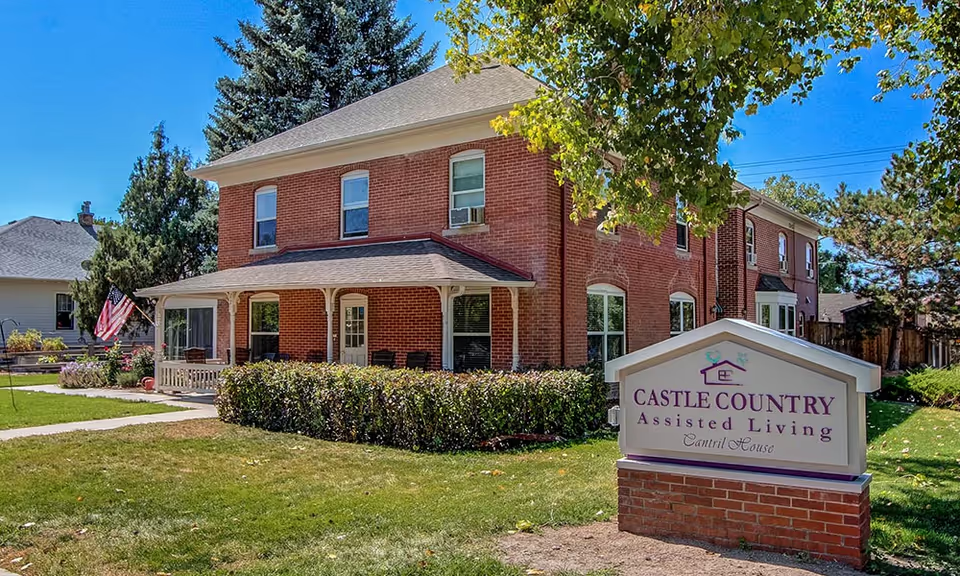
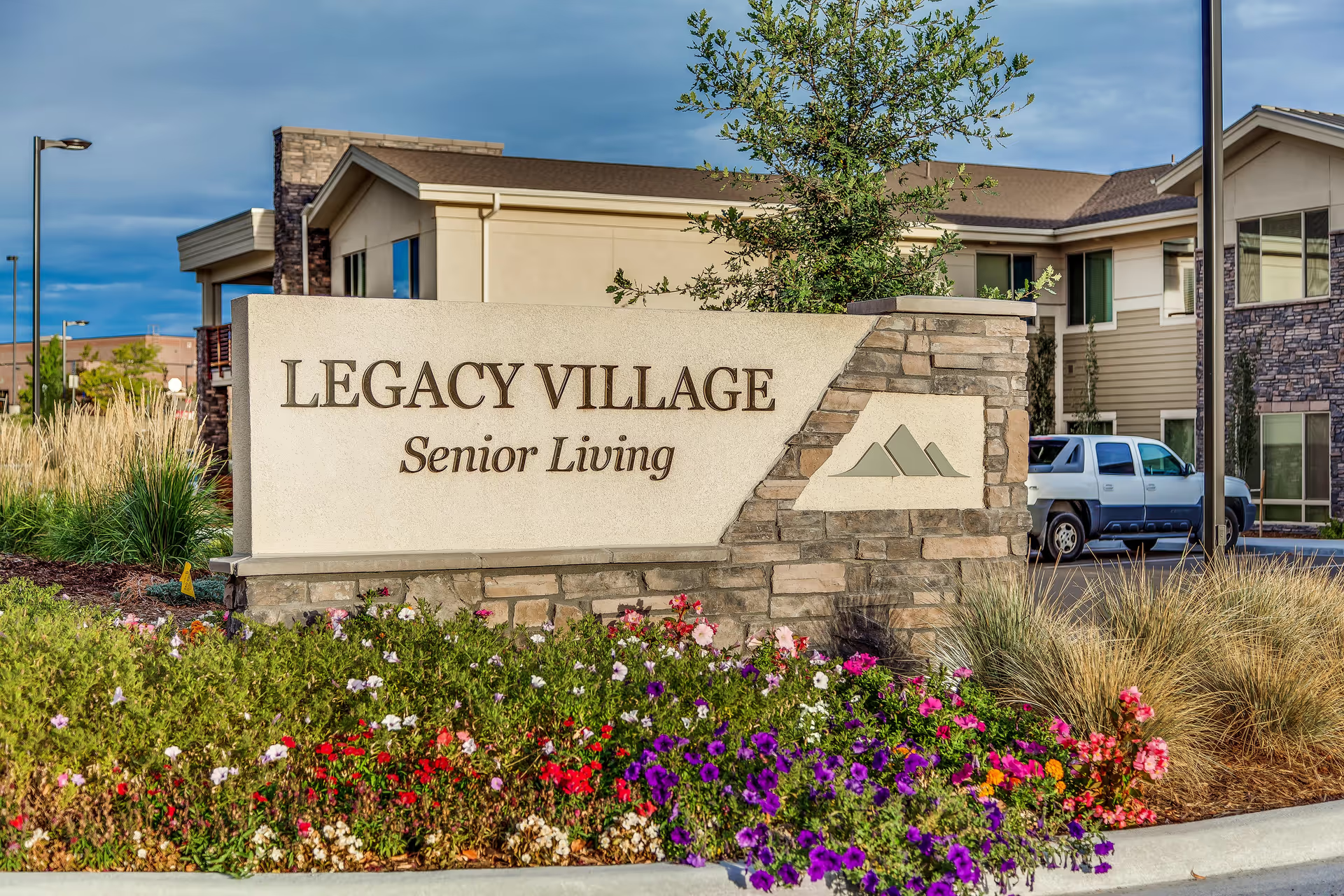
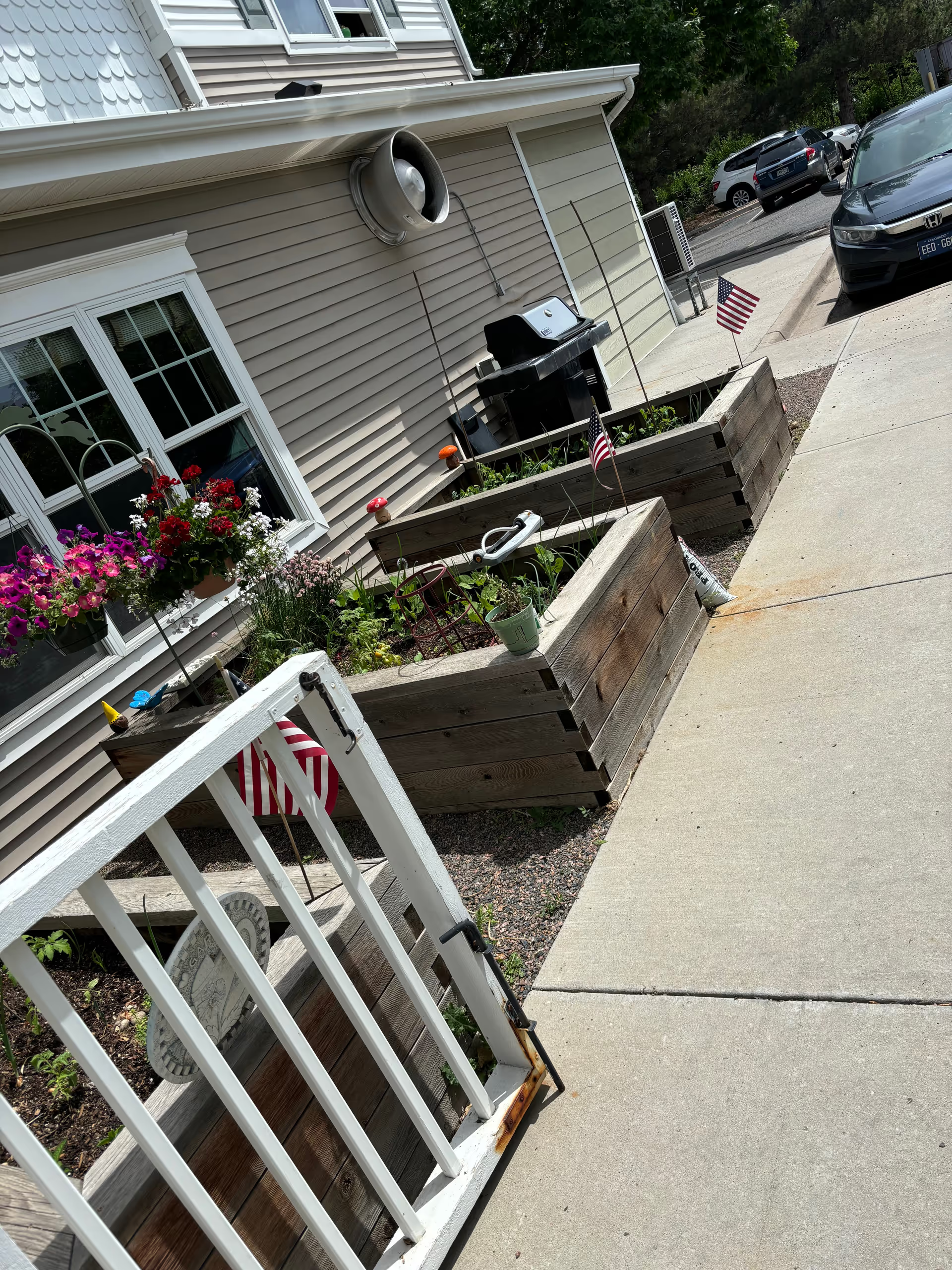
Facility condition and environment receive mixed feedback. The property is described as having attractive views and some freshly improved areas under recent management, but it is also characterized as an older building with small private rooms and condition-related limitations. Multiple accounts raise sanitation and odor-management concerns in particular wings and cite inconsistent housekeeping practices. Transportation access is limited by the absence of nearby public transit options.
Administration and governance are a prominent source of variation in experiences. Some families commend an effective admissions coordinator and note measurable improvements since leadership changes. At the same time, reviews describe management instability (notably frequent leadership turnover), confusing billing/Medicaid communication, and alleged problematic administrative behavior in individual cases. There are also recurring references to reliance on agency staff, supply shortages (linens, gloves), and HR/workplace issues that have affected staff morale and continuity.
Taken together, the pattern suggests a facility with substantive clinical and activity strengths at the frontline staff level, but with operational and administrative gaps that create uneven experiences. Prospective residents and families may benefit from targeted questions during tours: confirm current staffing ratios and recent turnover, ask about cleaning and odor-control protocols, review therapy schedules and continuity plans, clarify personal-property procedures and billing/insurance policies, and request evidence of recent management changes or corrective actions. Checking state inspection records and speaking directly with the admissions or VA-coordination contact can help corroborate improvements and clarify ongoing risks before placement.