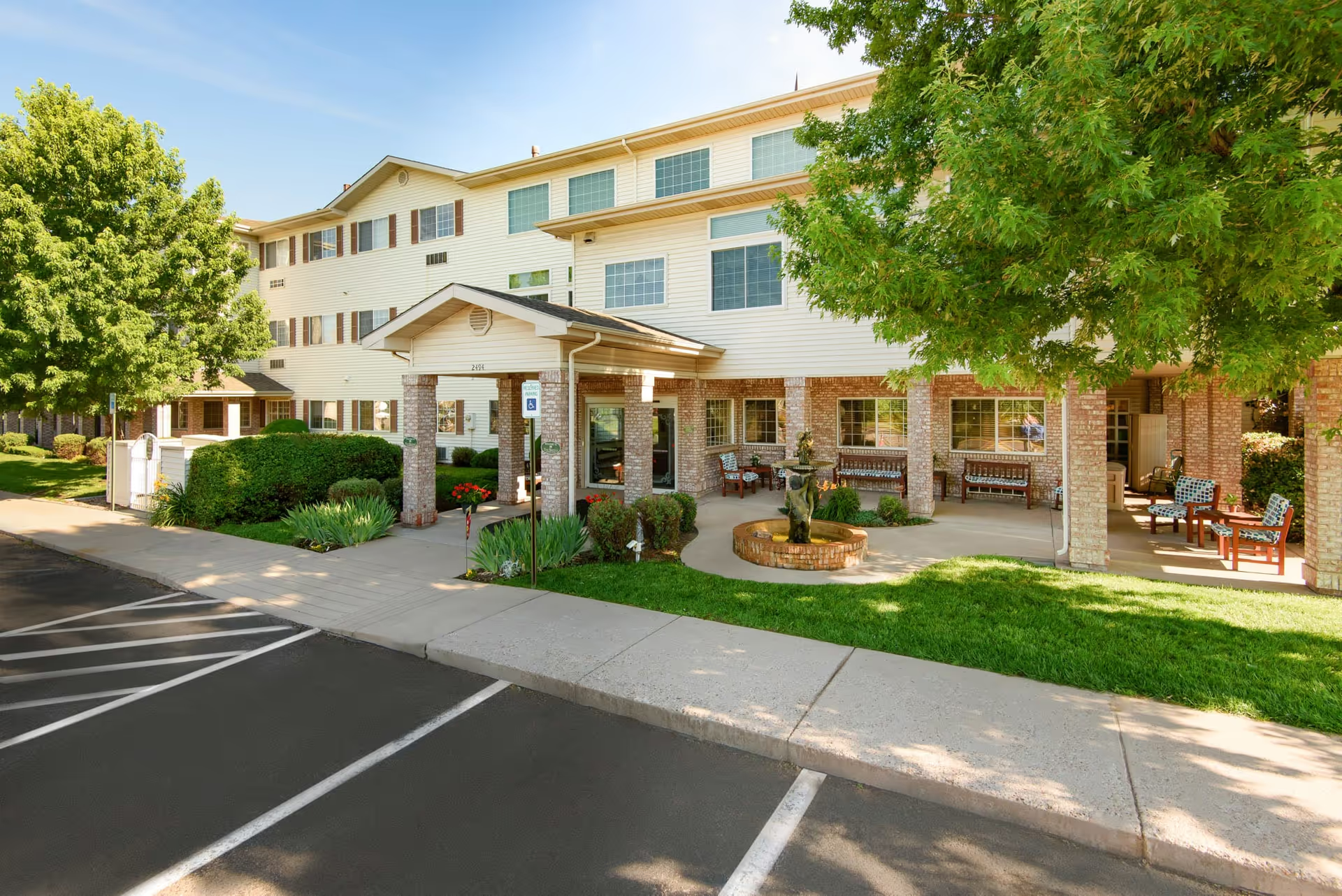
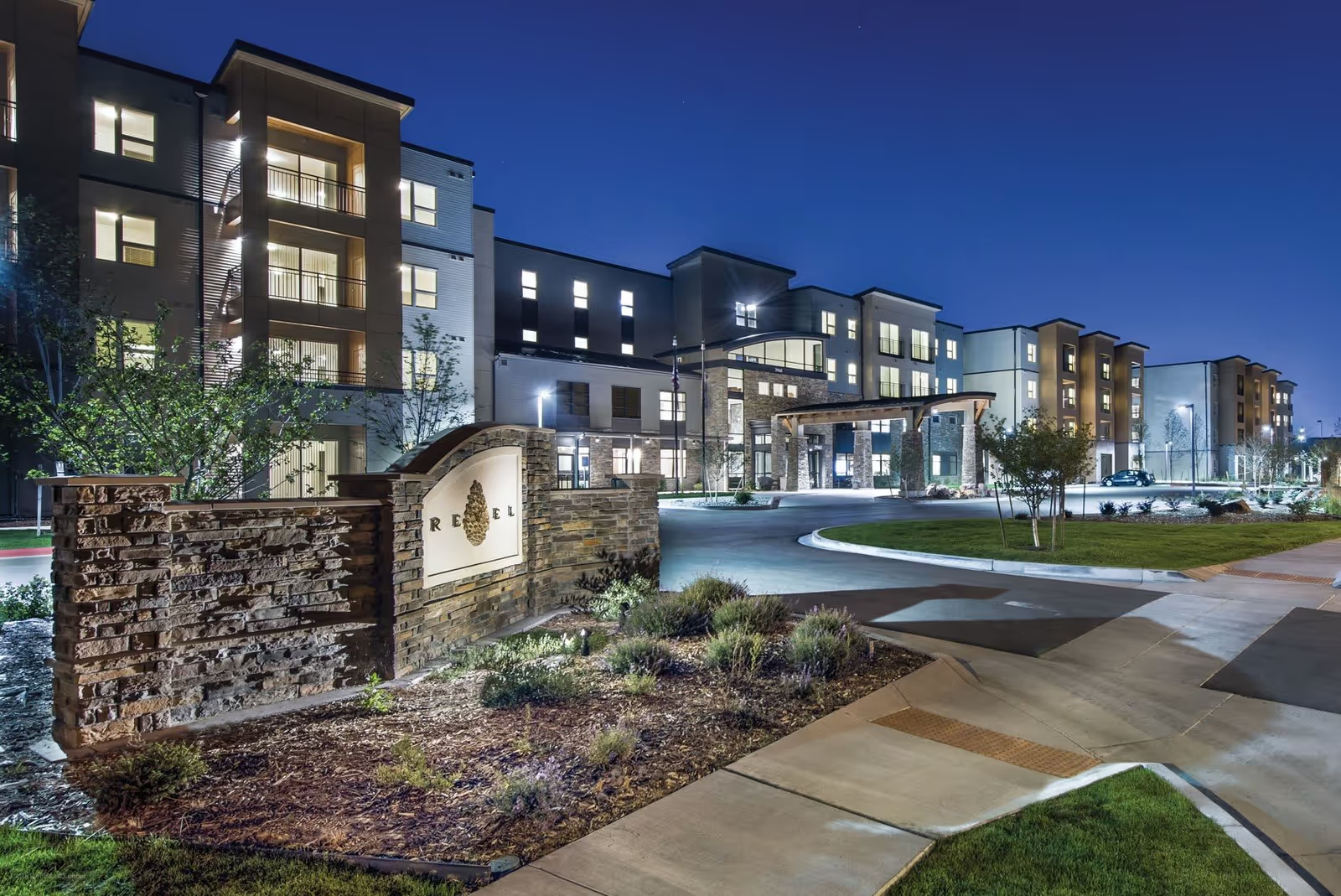
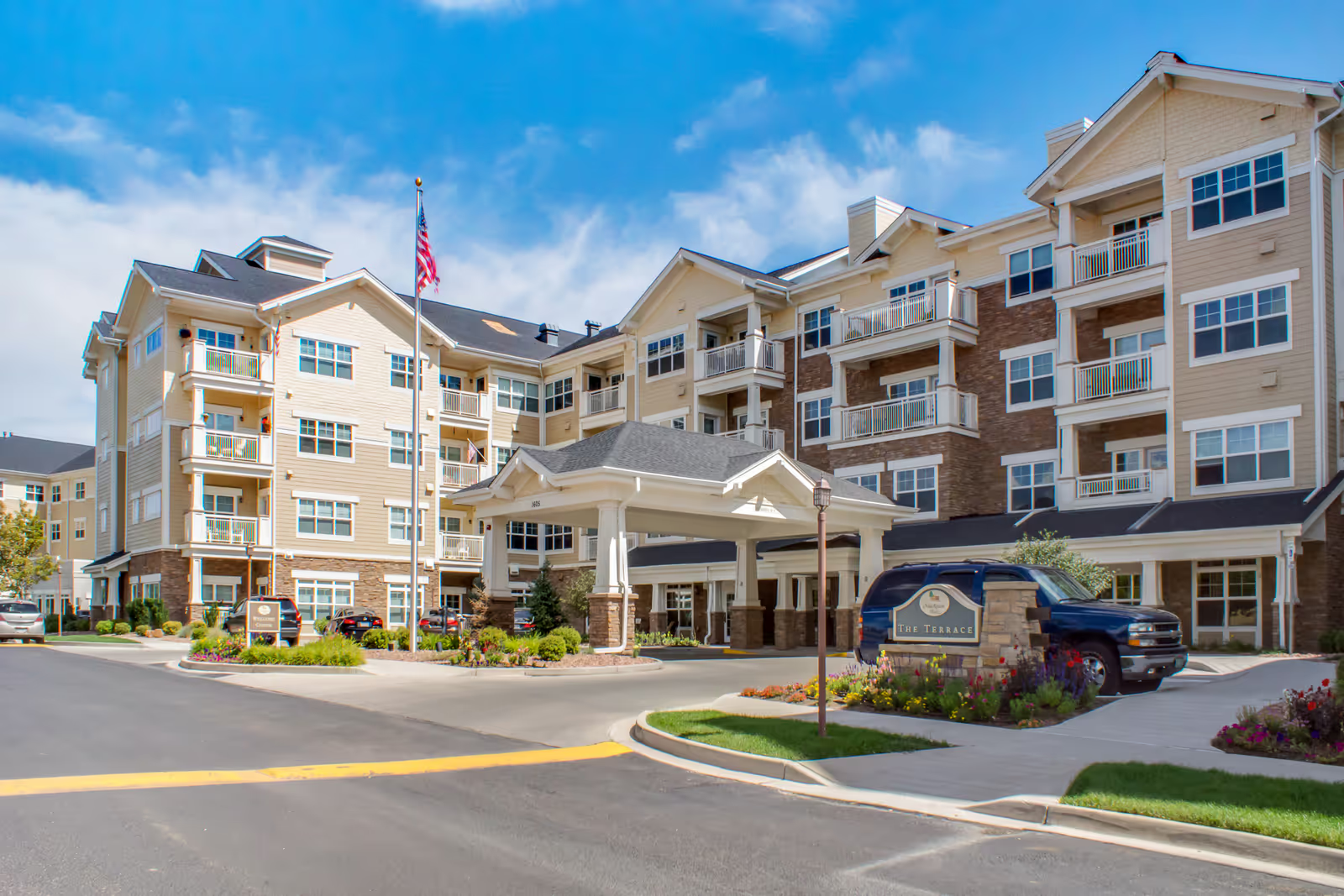
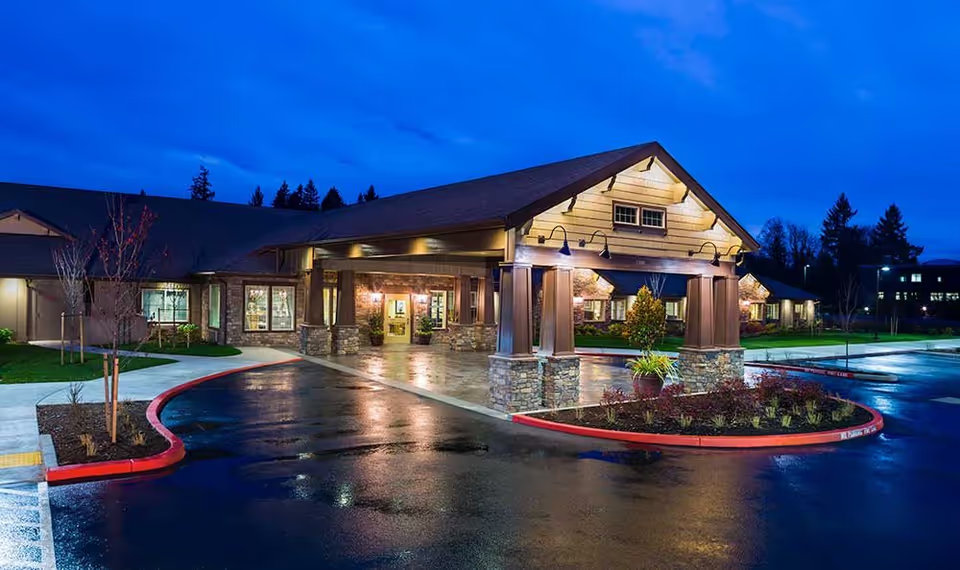
Winslow Court elicits a broadly positive impression for families looking for a socially active senior community with robust dining and activity offerings. The facility is repeatedly described as clean, home‑like and well maintained, with pleasant common spaces (fireplace, elegant dining room, courtyard) and a variety of apartment floorplans ranging from studios to two‑bedroom suites. Renovation activity and some recent upgrades are noted; many reviewers praised roomy units, chef‑prepared meals, flexible open‑dining hours and the availability of on‑site services such as salon, laundry and regular wellness/therapy visits.
Staffing and care quality are the facility's most frequently highlighted strengths and also its principal variability point. Numerous comments emphasize compassionate, long‑tenured caregivers, engaged front‑desk personnel and leadership that is visible to families. The activity staff and programming are a strong feature: diverse daily offerings, field trips, resident clubs and an active calendar contribute to a sense of community. At the same time, reviewers describe inconsistent staffing levels (particularly on weekends), occasional delays in clinical response and medication handling, and examples of communication breakdowns with families. These operational gaps translate into concerns about response times for medical events, missed medications, and the need for clearer follow‑up with families after incidents.
Dining is a defining strength for many residents — the facility receives repeated praise for quality, variety and a restaurant‑style dining room — but the pattern is mixed: some reviewers reported a decline in meal quality over time, issues with temperature and seasoning, and billing for unused meals. Activities are plentiful and well promoted, although capacity limitations during infection‑control periods and peak demand have constrained offerings for some residents.
Facility infrastructure shows a split between updated and dated areas. Several units and public spaces have been modernized, but reviews also reference older bathrooms, difficult tub or shower designs, narrow hallways and small elevators that limit accessibility for residents with mobility aids. Parking is limited and the surrounding neighborhood is perceived as less desirable by some families, which factors into arrival logistics and perceptions of safety. Security concerns, including allegations of theft and occasional sanitation/odor concerns in common areas, were raised and suggest a need for continued attention to property control and housekeeping standards.
Management impressions range from highly responsive and family‑oriented to inconsistent. Multiple reviewers singled out individual directors and staff for exemplary handling of move‑ins and issues, while others cited misunderstandings around contract terms, extra charges, incomplete incident reports and uneven follow‑through. Overall, the pattern suggests strong hands‑on staff culture and a vibrant social environment, paired with operational and infrastructure areas that prospective residents and families should evaluate closely: staffing continuity (especially nights/weekends), clinical incident protocols and documentation, accessibility of specific unit designs, transparency about fees, and on‑site security/parking arrangements. For families prioritizing dining, activities and a home‑like social community, Winslow Court presents clear strengths; for those requiring consistently high clinical responsiveness or full accessible design throughout, targeted questions and a site visit focused on staffing patterns and unit accessibility are advisable.