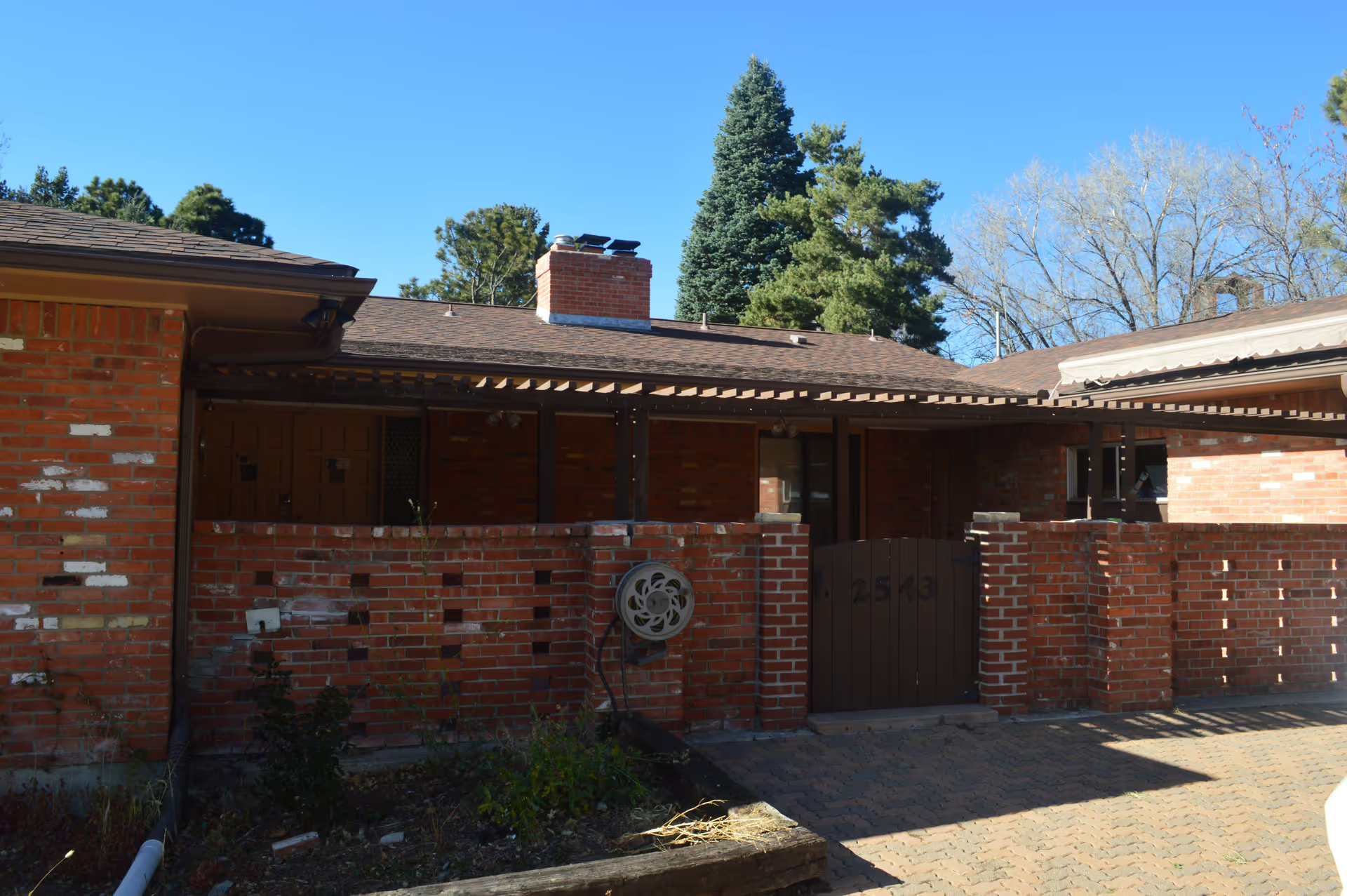
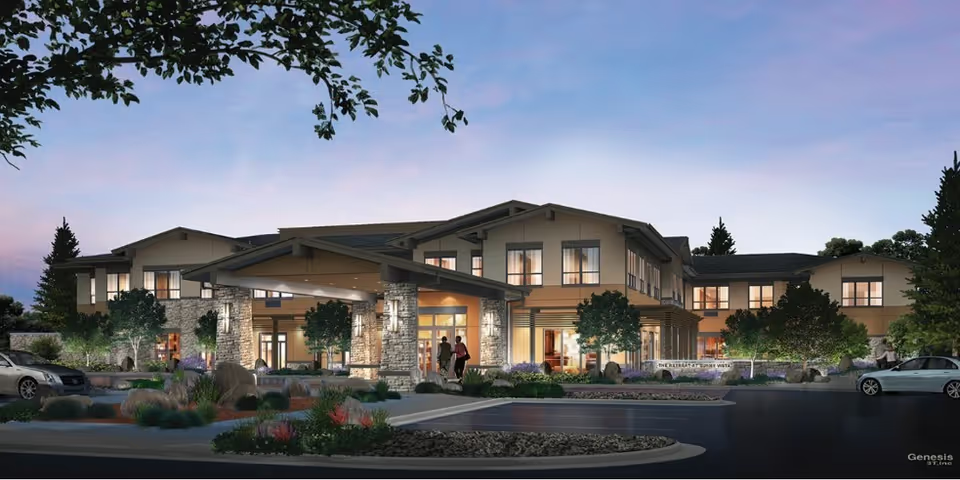
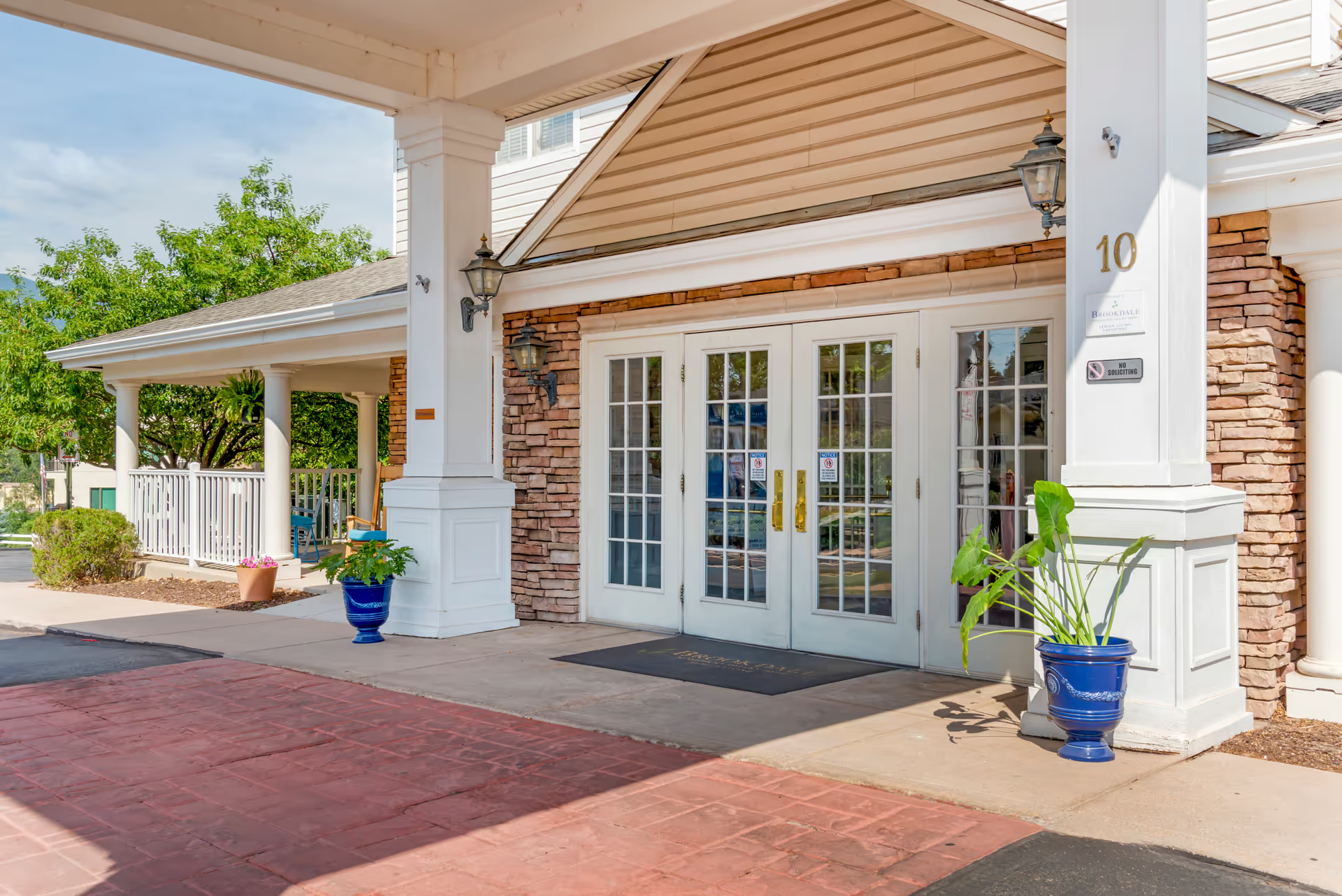
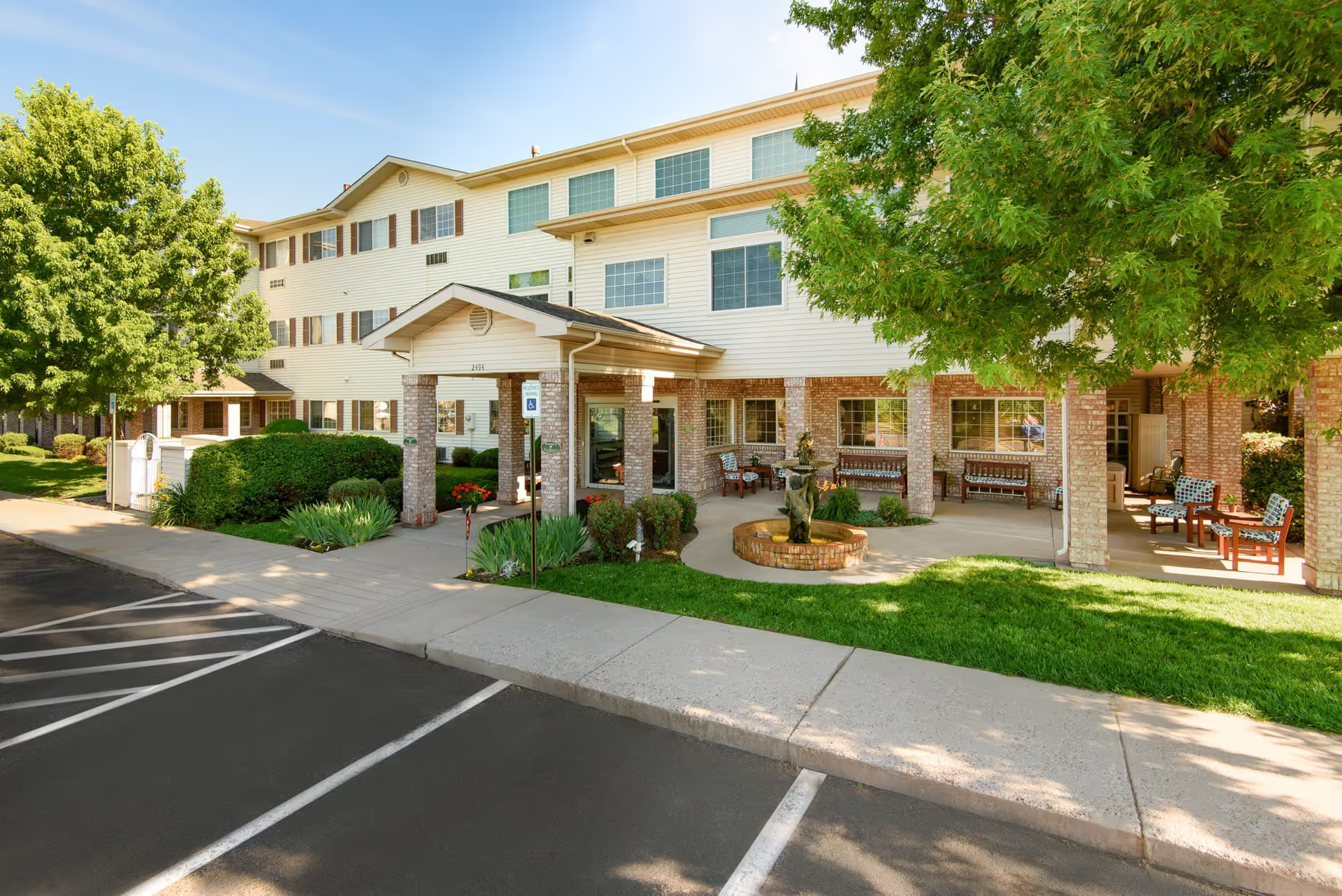
MacKenzie Place in Colorado Springs consistently appears as an upscale, resort-like senior living community with a broad amenity set and multiple housing options. Reviewers frequently highlight well-maintained common areas, spacious apartments and cottages, and extensive concierge-style amenities such as multiple restaurants and a bar, salon, theater, library, fitness center, indoor pool and spa. The property’s design and accessible features receive positive attention, and many families describe an inviting, country-club atmosphere.
Dining and activities are often cited as core strengths. The community offers several on-site dining venues, flexible dining times, themed meals, and a menu-driven, restaurant-style experience; many reviewers praised portion sizes, presentation, and attentive restaurant service. A wide program of social, fitness, and cognitive activities — from exercise classes and brain programs to trips, dances, and shuttle-provided outings — supports social engagement and independence for active residents. On-site therapy services and proximity to medical providers are additional practical benefits for families concerned about access to care.
Staff and care quality assessments are mixed. A large body of comments describe staff as personable, attentive, professional, and long-tenured, with strong staff–resident rapport and proactive engagement. These reports form a clear pattern of compassion and hospitality in daily interactions, particularly in independent-living contexts. However, there are recurring operational concerns: inconsistent clinical oversight, lapses in medication-management processes, variable memory-care staffing and training, and instances of delayed responsiveness. These issues appear most frequently in higher-acuity care levels and during periods of staffing strain.
Management and operational patterns merit careful review by prospective families. Commonly noted drawbacks are the community’s relatively high cost, complex fee schedules (including ancillary food surcharges and periodic rent increases), limited availability of preferred unit types, and occasional discrepancies between sales promises and administrative follow-through (for example, security or billing commitments). Maintenance or amenity reliability issues (such as delayed repairs) and front-desk communication variability were also raised. Several reviewers expressed that infection-control policies during the COVID period were experienced as restrictive and that those restrictions affected resident wellbeing.
There are also isolated but serious concerns that prospective families should investigate directly: instances that imply failures in clinical response, complaints about equity and staff conduct, and specific administrative disputes. These were not universal across reviews but are significant enough that families considering MacKenzie Place should ask targeted questions about medication-safety protocols, staffing ratios, memory-care staff credentials and training, incident escalation and family-notification procedures, contract terms for fees and refunds, infection-control policies, and grievance/complaint processes.
Overall, MacKenzie Place presents as a high-amenity, well-appointed community that is highly rated by many families for lifestyle, dining, and daily engagement — particularly for independent living. At the same time, variability in clinical care, staffing consistency, pricing transparency, and certain administrative practices are recurring themes that warrant direct inquiry during a visit. Recommended next steps for prospective residents include touring multiple care-level areas, sampling meals, reviewing staffing and clinical protocols in writing, clarifying all fees and contract terms, and speaking with current residents and families about both daily life and how incidents are handled.