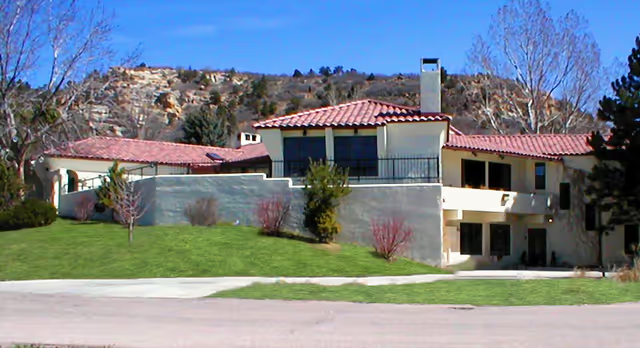
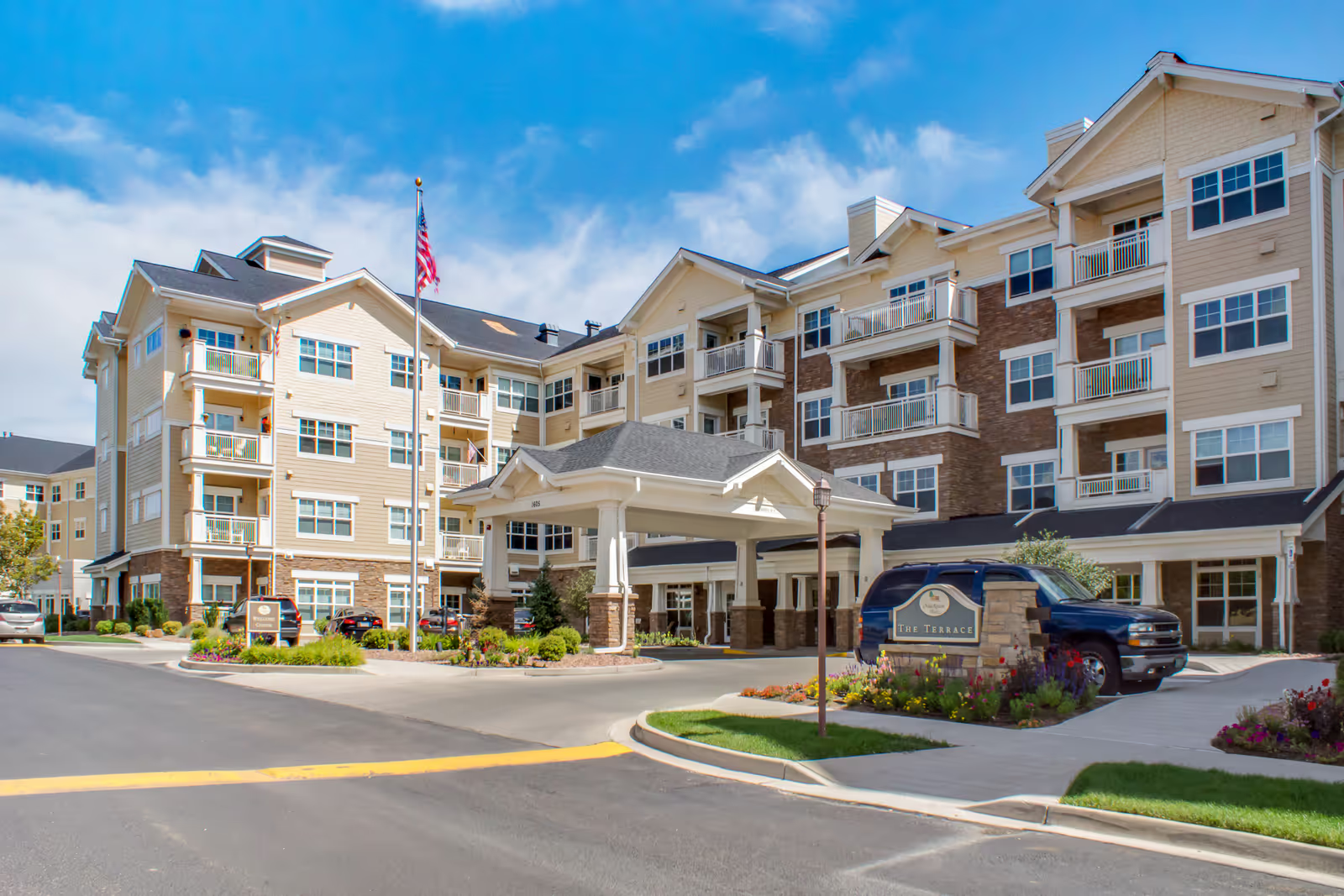
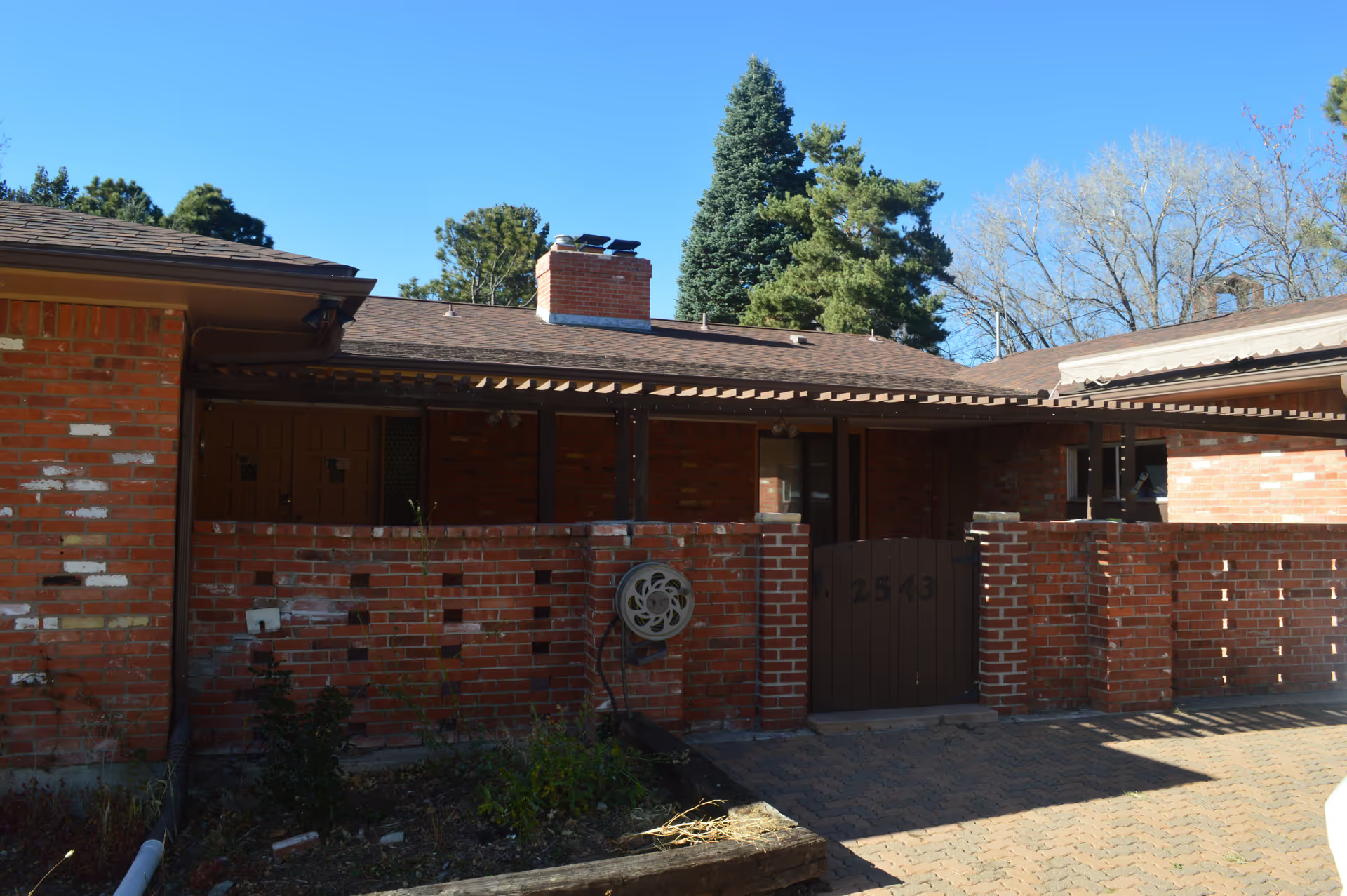
Garden Ranch Assisted Living is consistently described as a small, homelike residence that emphasizes personalized, relationship-based care. The facility typically houses fewer than ten residents, which families describe as creating a family-like culture, frequent one-on-one attention, and visible social connections among residents. Reviewers frequently praise the environment as clean, bright, and well maintained, and they highlight features such as private rooms (some with en-suite baths), decks, a fenced yard, and common areas that feel domestic rather than institutional.
Care and staffing are the most commonly cited strengths. Families report compassionate, attentive aides and hands-on leadership that advocates for residents; one reviewer noted RN-led oversight and nursing expertise available on site. Care is described as adaptable to changing needs, with specific appreciation for dignified, comfort-focused end-of-life practices. Communication with families is generally characterized as clear and responsive, and staff are often described as going above and beyond to make residents comfortable.
Dining and daily life are also repeatedly highlighted. Meals are described as homestyle, freshly prepared, and served family-style with opportunities for social interaction in the shared kitchen/dining area. The small scale of the home appears to limit formal programming but supports social engagement and personalized activity tailored to individual residents. The presence of a therapy dog and a quiet neighborhood setting contribute to the overall sense of a peaceful, welcoming environment.
There are operational patterns prospective families should consider. The facility’s small size creates limited capacity and an active wait list. Several reviews indicate constraints in accommodating very high-dependency medical needs or advanced-stage dementia care; families who rely on Medicaid or require complex medical support should confirm service limits and funding implications. A few families raised concerns about delayed recognition of acute medical changes and about admission/retention decisions during transitions; these reflect potential inconsistencies in clinical-assessment and emergency-response protocols and in how policy matters are applied. There are also occasional mentions of uneven visitor-screening or infection-control consistency.
In summary, Garden Ranch presents as a well-kept, intimate assisted-living option with strengths in personalized, compassionate care, homestyle dining, and a family-oriented culture. Prospective residents and their families would benefit from direct conversations with management about the facility’s capacity limits, specific clinical capabilities (including emergency response procedures), policies for residents with advanced dementia, and admission/retention terms before making placement decisions.