The aggregated reviews present a mixed but informative picture. Many families and residents praise the facility’s warm, home‑like atmosphere, engaged activities program, and strong hospitality amenities: a welcoming admissions experience, attractive common areas, landscaped grounds, and apartment‑style suites. Dining is frequently highlighted as a strength when reviewers note restaurant‑style meals, a helpful chef, and flexible menu options. The life‑enrichment program is also a consistent positive, with an activities director who knows residents by name and a wide variety of daily offerings (bingo, chair yoga, outings, crafts and holiday events) that many residents enjoy.
Clinical care experiences vary considerably. Positive accounts describe compassionate, well‑trained CNAs and nursing staff, attentive monitoring (oxygen backup, hospital coordination), effective hospice support, and individualized care plans. Conversely, a substantial number of accounts identify operational gaps: staffing shortages that lead to long wait times for assistance, inconsistent responsiveness to call systems, and concerns about medication administration processes. There are repeated references to delays and variability in personal‑care routines, which households characterized as incontinence‑care delays and hygiene lapses; these are framed here as patterns in direct‑care delivery rather than isolated descriptions.
Staffing and culture emerge as a central theme. Several reviews commend individual caregivers and supervisors for compassion and professionalism; others describe high turnover, inexperienced overnight staff, and instances of conduct or communication perceived as unprofessional. These contrasting viewpoints suggest variability in staff experience and morale across shifts. Families also described differing levels of visible leadership and follow‑through from management — where executive engagement was present, families reported better communication and problem resolution; where it was perceived as limited, concerns tended to persist.
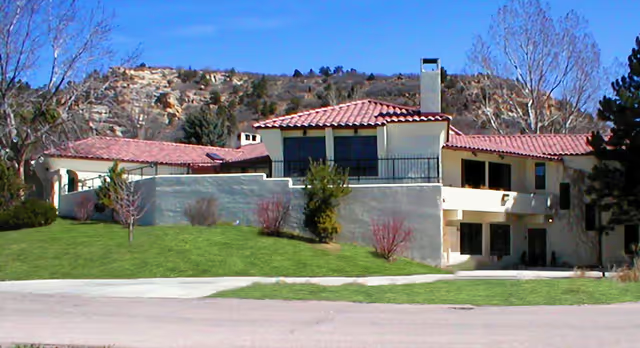
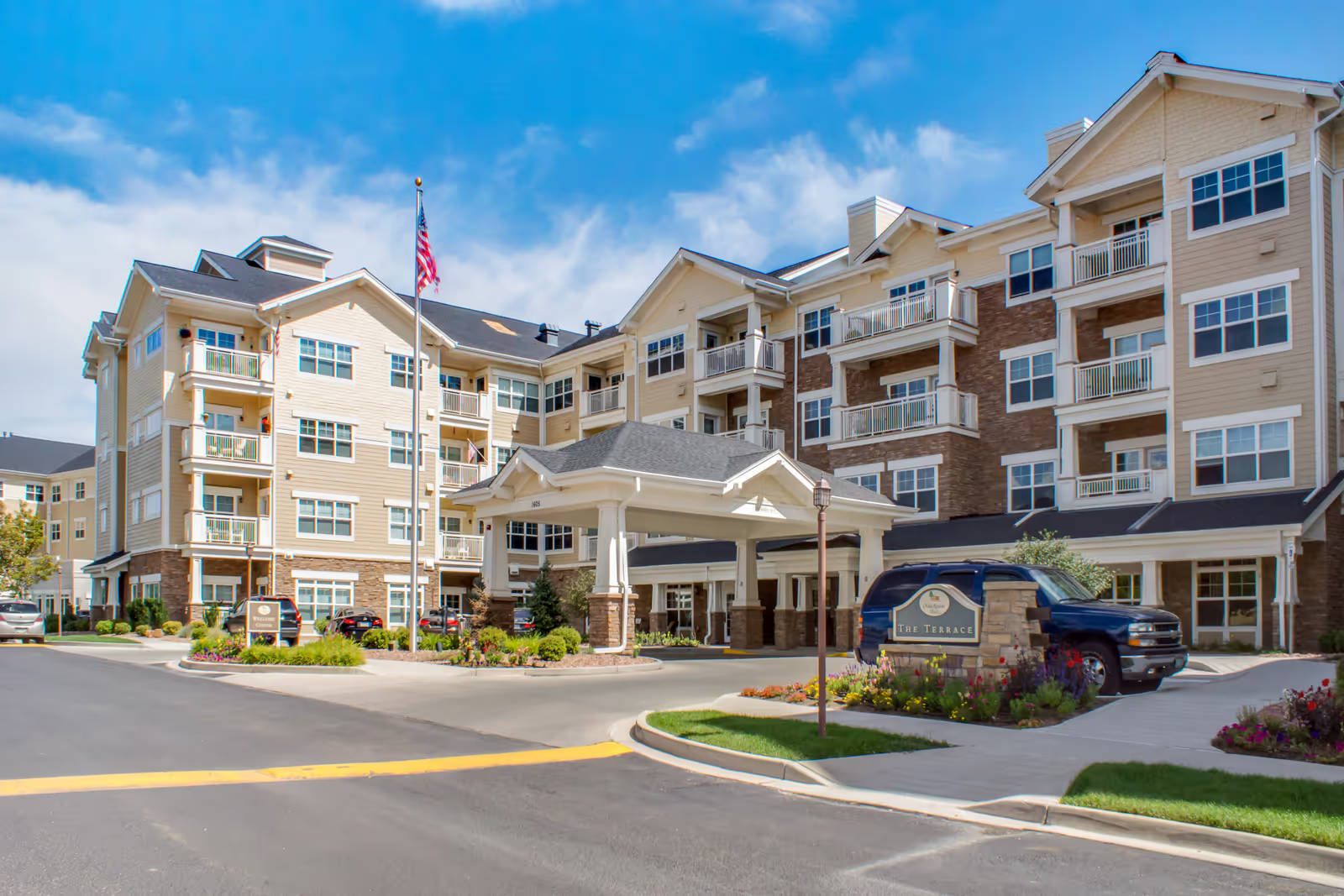
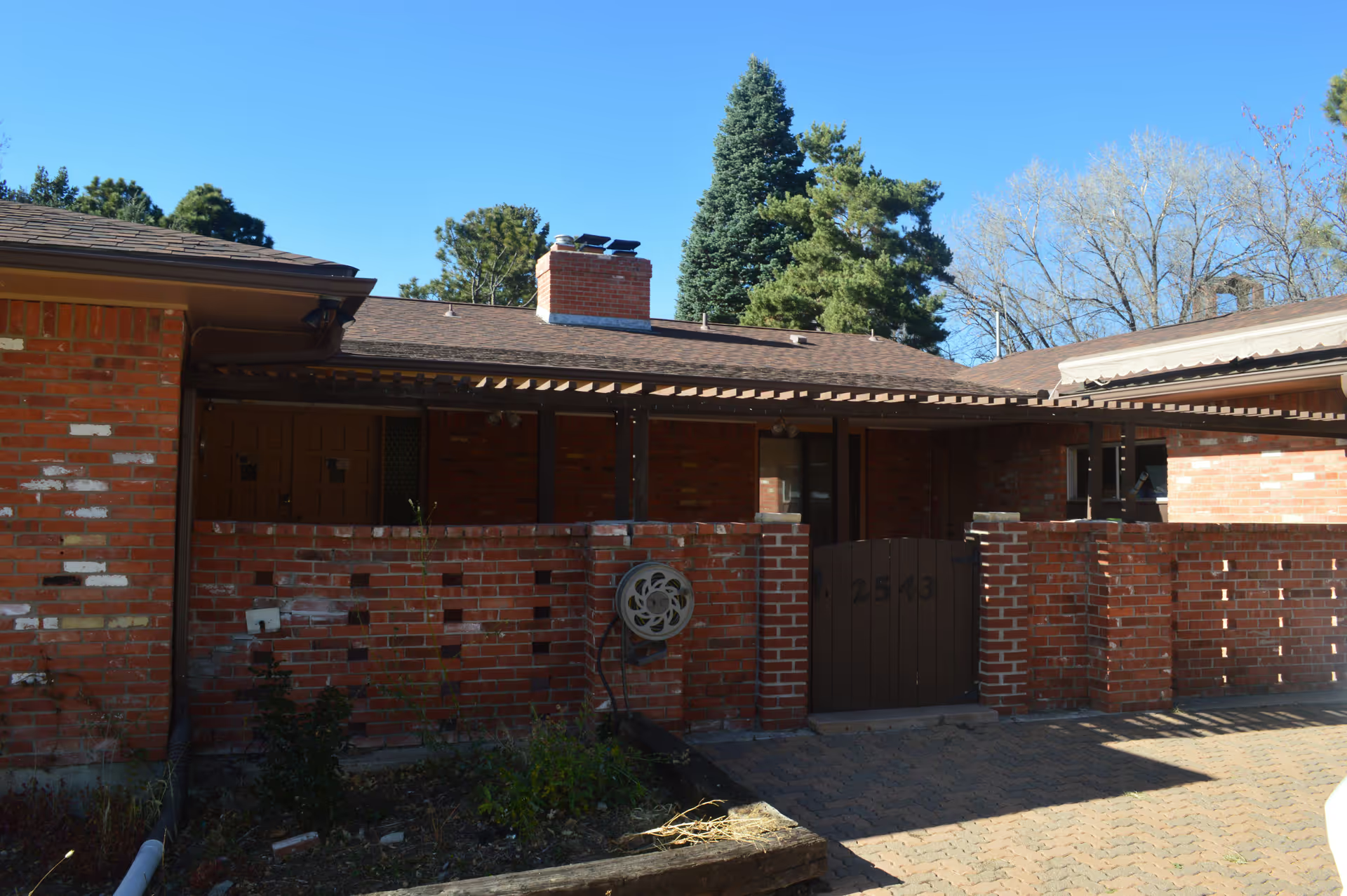
Facilities and amenities are generally viewed positively: the building, community spaces, salon, and outdoor areas receive favorable comments, and the memory‑care unit is often described as secure and homey. However, some reviewers noted maintenance deficits in outdoor furniture and landscaping, and a few raised sanitation and housekeeping consistency concerns that point to uneven implementation of facility maintenance routines.
Administrative and operational issues also surface. Reviews point to billing disputes, inconsistent documentation of services (for example, claimed showers or other billed care), and variable family communication around clinical incidents and transitions into memory care. A small number of serious allegations, including concerns following a resident’s death and medication‑related incidents, led families to escalate to higher management; these items appear infrequently but are significant and merit direct follow‑up by prospective families and regulators where appropriate.
Bottom line: Sunrise at University Park offers many elements prospective residents seek — an inviting common environment, robust activities, on‑site amenities, and caregivers who are praised for compassion and individualized attention. At the same time, there is a recurring pattern of operational weaknesses: inconsistent staffing levels, variable responsiveness, medication‑management gaps, sanitation consistency issues, and uneven administrative practices. These mixed patterns mean family fit may depend heavily on current staffing stability and management responsiveness; prospective residents and their families should tour the community, meet direct caregivers and leadership, request recent staffing metrics and incident‑response policies, and clarify billing and care‑delivery expectations before committing.