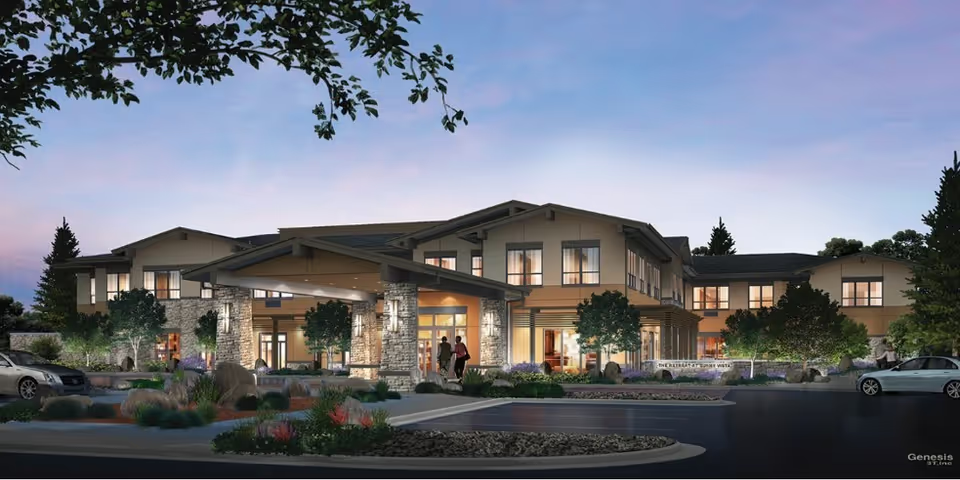
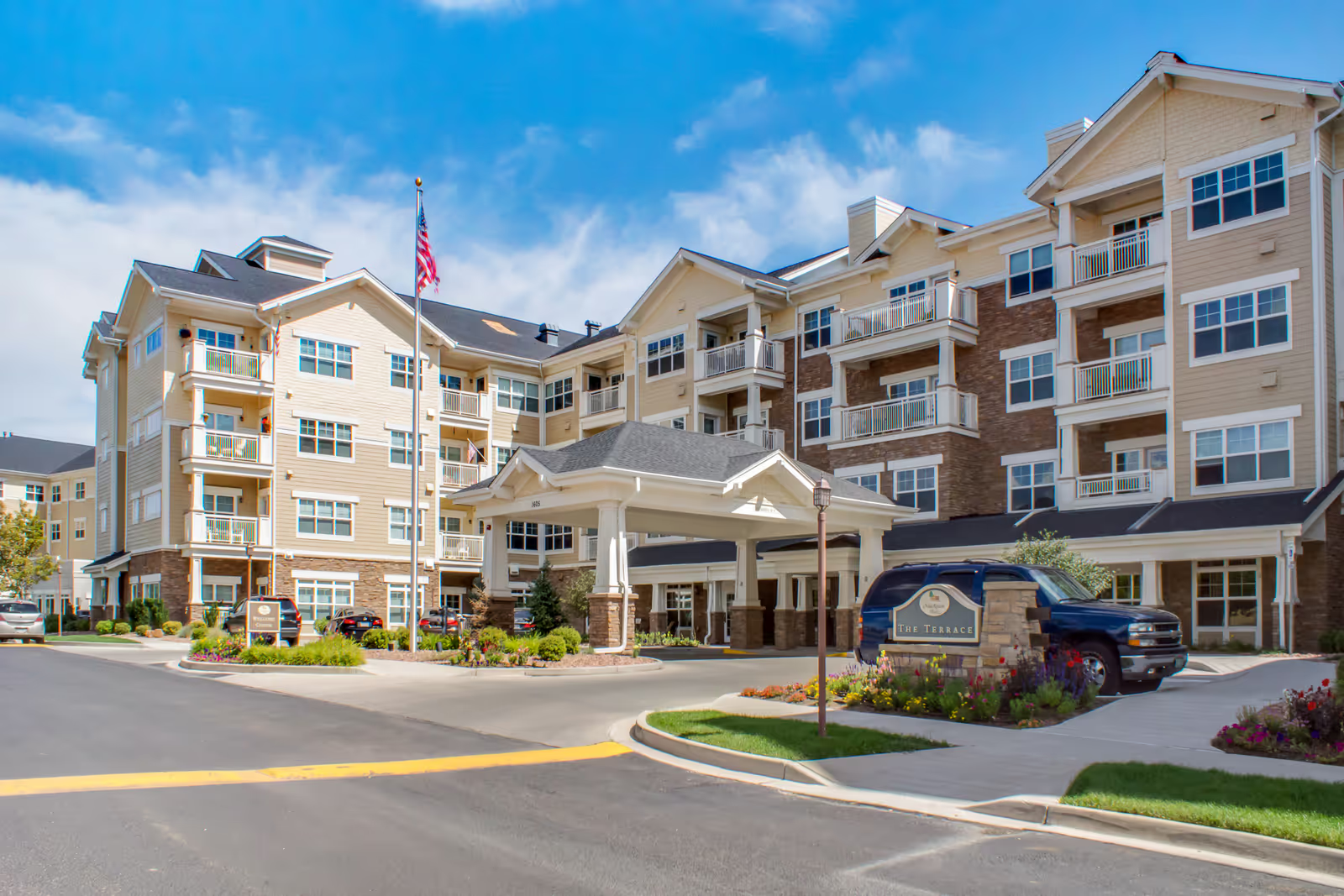
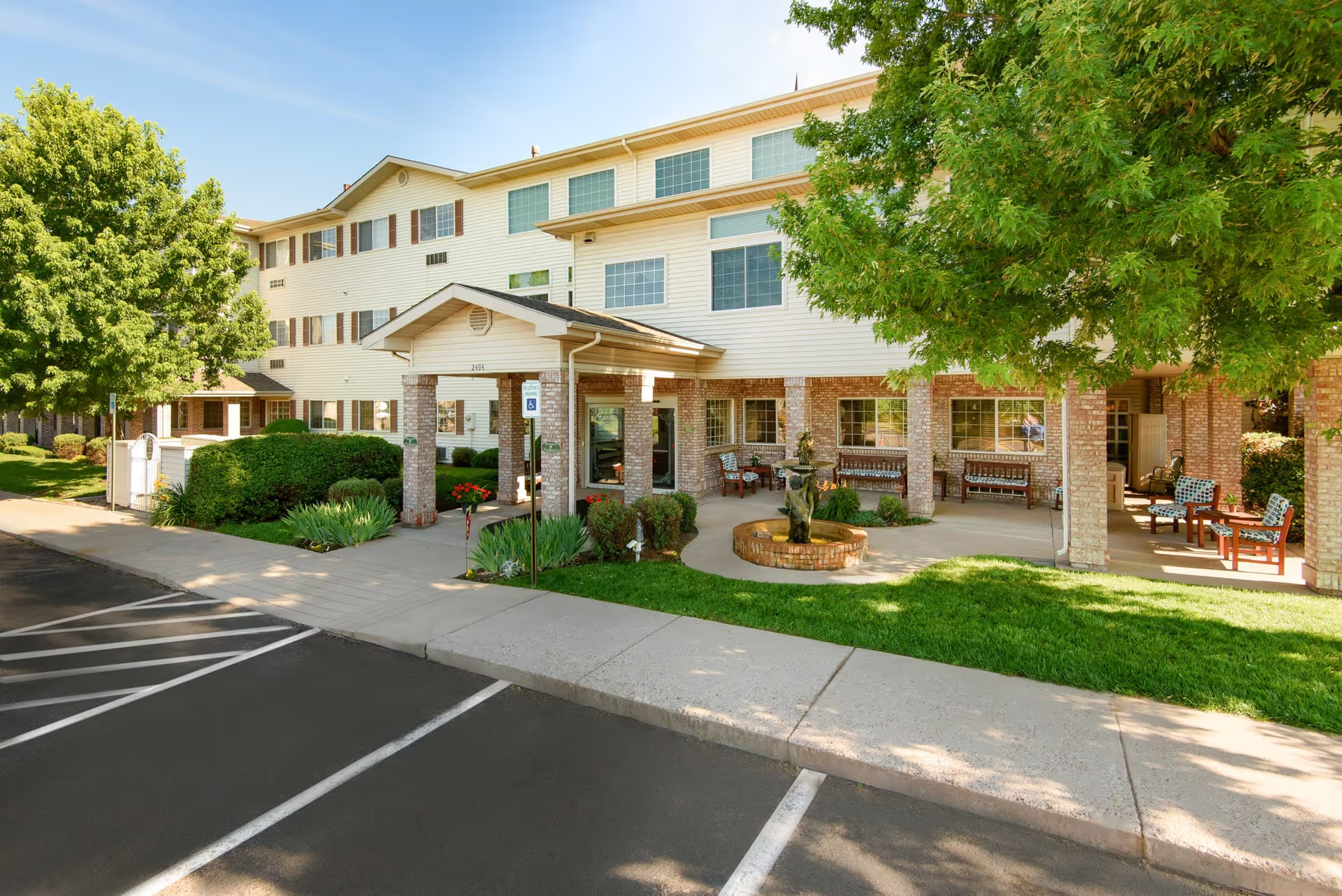
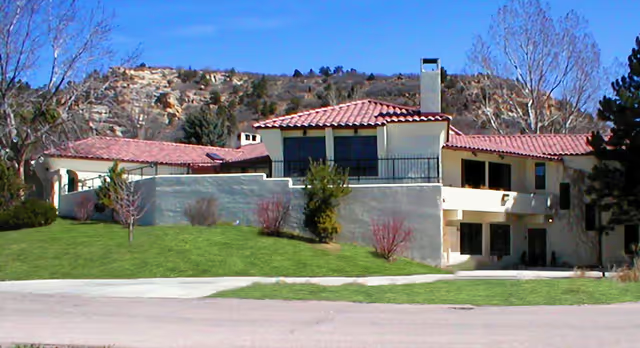
Brookdale Monument Valley Park is described predominantly as a small, home‑like assisted living and memory care community with a dementia focus. Families and visitors frequently highlight a warm atmosphere, a compact campus with a secure memory-care courtyard, and local North End access near Monument Valley Park. The property includes both small studio/one-bedroom units and larger suites; room sizes and layouts are uneven across the building. The community offers on-site physician coverage (noted as five days per week), dementia-specific staff training (Teepa Snow), and monthly virtual family support sessions.
Care quality is a mixed picture. Many accounts praise the caregiving staff as compassionate and attentive, with long-tenured aides and an activities director who engages residents in frequent programming. Several families specifically complimented hospice collaboration and individualized attention during end-of-life care. However, recurring operational issues affect perceived clinical reliability: reviewers described gaps in medication administration and clinical documentation, missed medications, and examples of delayed responses to call bells and bathroom assistance. Staffing variability — particularly on weekends and during periods of turnover — was linked to these care lapses and to uneven clinical continuity.
Staff culture and training show strengths and vulnerabilities. On the positive side, staff are often characterized as friendly, patient, and knowledgeable about residents’ preferences within days of admission; dementia-training is in place and many caregivers display family-style engagement. On the other hand, reviewer accounts point to notable turnover among nursing staff and occasional deficiencies in onboarding, which reviewers connected to inconsistent care performance and mixed experiences across shifts.
Dining, housekeeping, and hospitality receive generally favorable marks for food quality and presentation; many reviewers singled out chef-prepared meals and fresh soups. Nevertheless, reviewers also described intermittent service breakdowns — missed meals, tray-delivery problems, and inconsistent meal communication — and some commented on small food portions. Housekeeping and laundry are provided, but there are recurring sanitation and housekeeping delays in some rooms and common areas that families had to raise with administration.
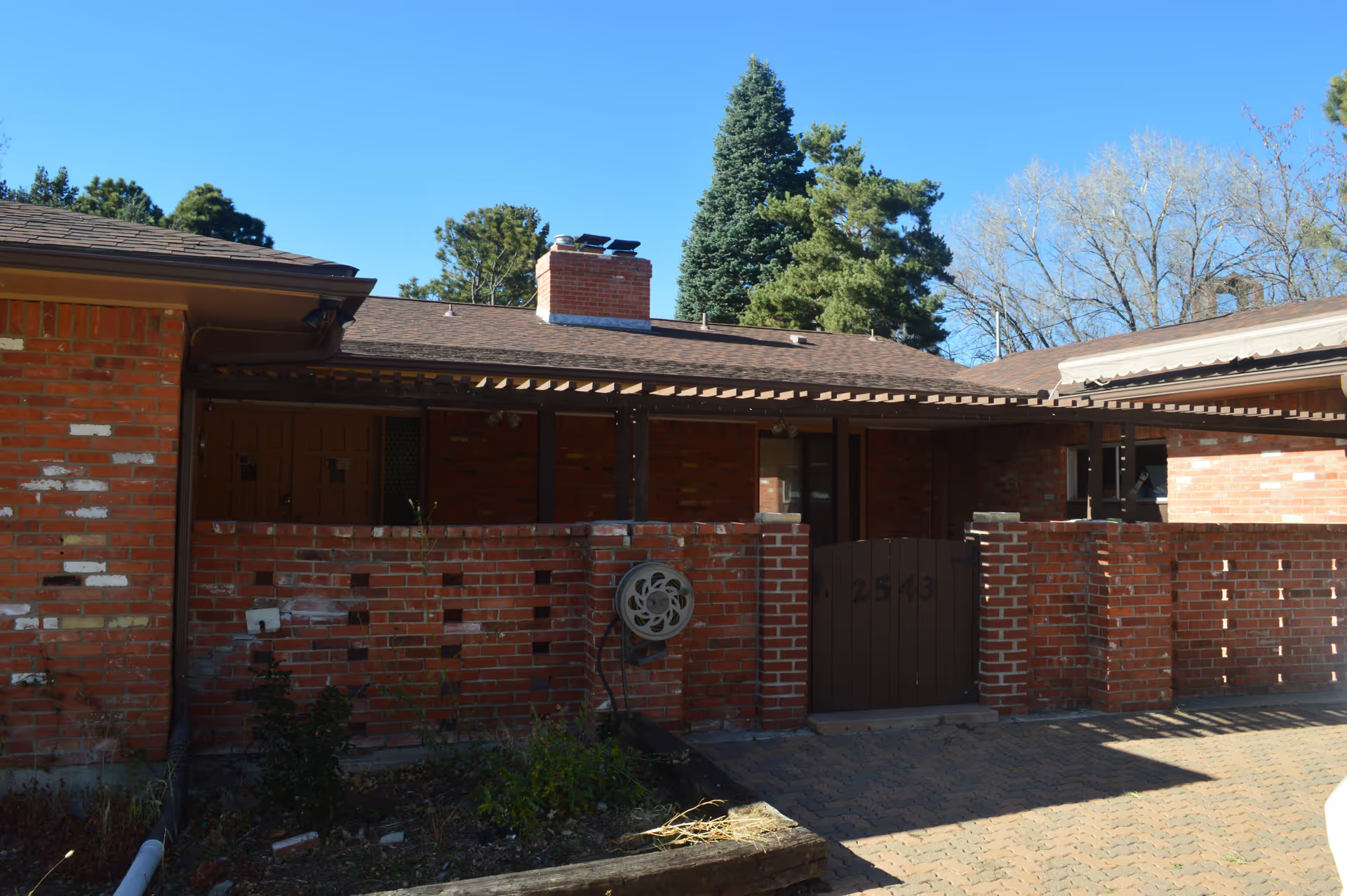
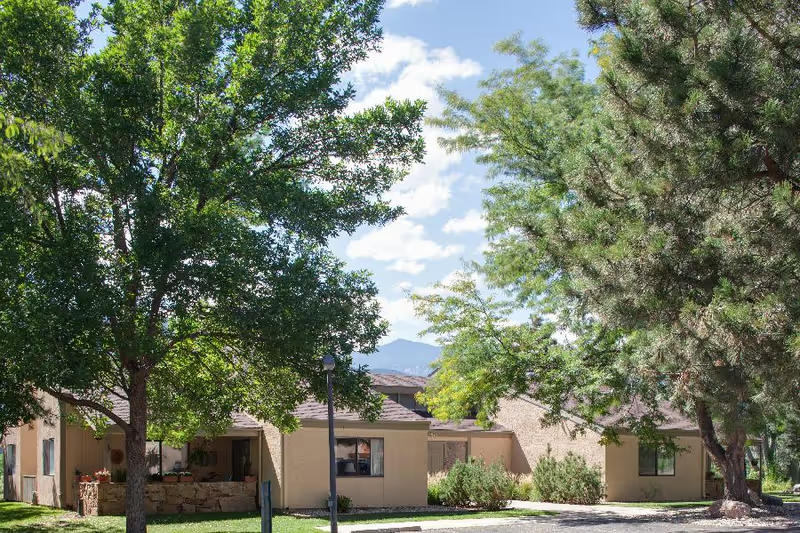
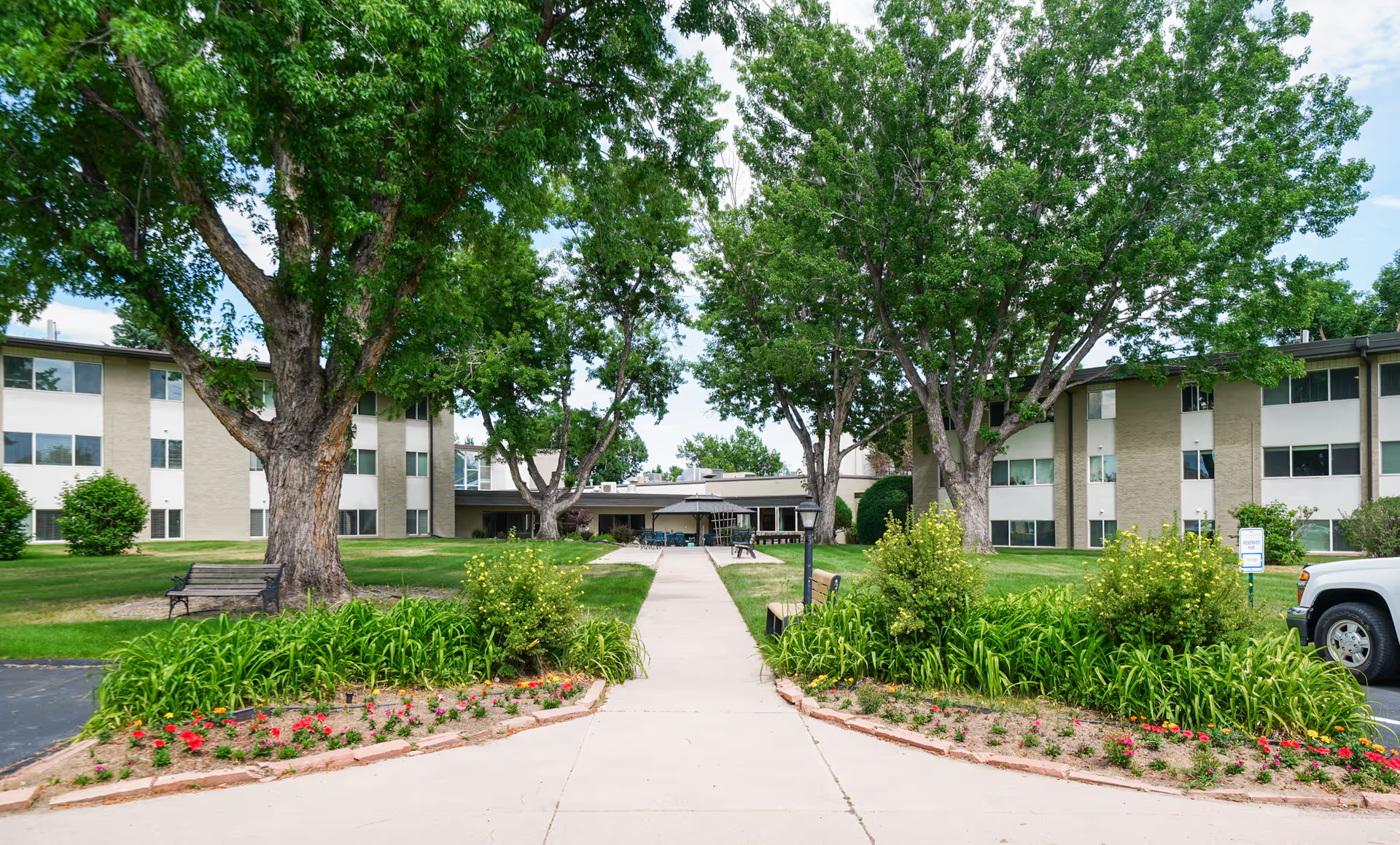
Activity programming and community life are clear strengths. The activities director and programming calendar offer music, exercise, outings, religious services, and social events; many residents were described as engaged and well cared for socially. A few families felt the calendar skews toward female-centered activities and expressed a desire for more male-oriented options. The facility’s pet-friendly environment, aviary/bird features, screened porches, and outdoor spaces contribute to a homelike feel.
Management, billing, and policy issues are the primary recurring concerns. Several families experienced billing confusion, a sizable community fee, additional evaluated-care charges, and occasional delays or complexity in refunds and financial communications. Administrative responsiveness is uneven in some accounts: when operational problems arise (staffing, meal delivery, housekeeping), families say follow-up sometimes requires persistent advocacy. One serious operational allegation concerns theft and financial misconduct in the memory unit; that claim appears as an allegation and should be evaluated through official channels.
Overall, Brookdale Monument Valley Park is likely to fit families seeking a smaller, dementia‑focused, home‑style community with active programming and on-site clinical resources. Prospective residents and families should weigh the advantages (compassionate staff, strong activities, chef-driven dining, convenient location) against operational weaknesses (inconsistent staffing and clinical processes, billing complexity, room size variability, and management responsiveness). For residents with higher-acuity needs, or for families who prioritize consistently rapid clinical responsiveness, further inquiry into current staffing levels, medication‑administration controls, and recent turnover is advisable prior to decision-making.