Reviewer feedback for Ridgeview Post Acute Rehabilitation Center is highly mixed, with distinct clusters of positive and negative observations. Strengths most commonly cited include a robust therapy program, compassionate bedside staff, an engaging activities program, and a sense of a family-like community for some residents. Several reviewers also highlighted responsive cafeteria/dietary staff, a conscientious transportation driver, and active management efforts to address the physical plant through painting, roofing and HVAC upgrades, and outdoor landscaping.
Care-quality observations vary substantially. Many accounts praise the facility’s physical and occupational therapy teams and describe attentive, compassionate CNAs and nurses who provide meaningful support. At the same time, there are recurring operational concerns related to medication administration, inconsistent clinical oversight, and delays in responding to care needs. Reviewers raised issues about bathing and continence-care routines, wound care follow-up, and instances where transfers to higher-acuity care occurred. These reports suggest variability in day-to-day clinical reliability rather than a single uniform level of care.
Staff performance and safety present a similarly mixed picture. Numerous comments emphasize staff kindness, dedication, and a positive workplace culture; other comments describe high turnover, inconsistent staffing patterns, and periods when staff presence and responsiveness were inadequate. Some reviewers expressed concerns about how safety incidents and behavioral situations were managed, indicating potential gaps in supervision and incident-response protocols that prospective families should review directly with facility leadership.
Dining and activity programming received largely positive notes in many reviews: cafeteria and dietary employees were described as helpful and responsive, and activity offerings were characterized as inclusive and engaging. Conversely, some families noted inconsistent meal delivery or communication around meals. Overall, programming appears to be a relative strength but with occasional operational inconsistencies.
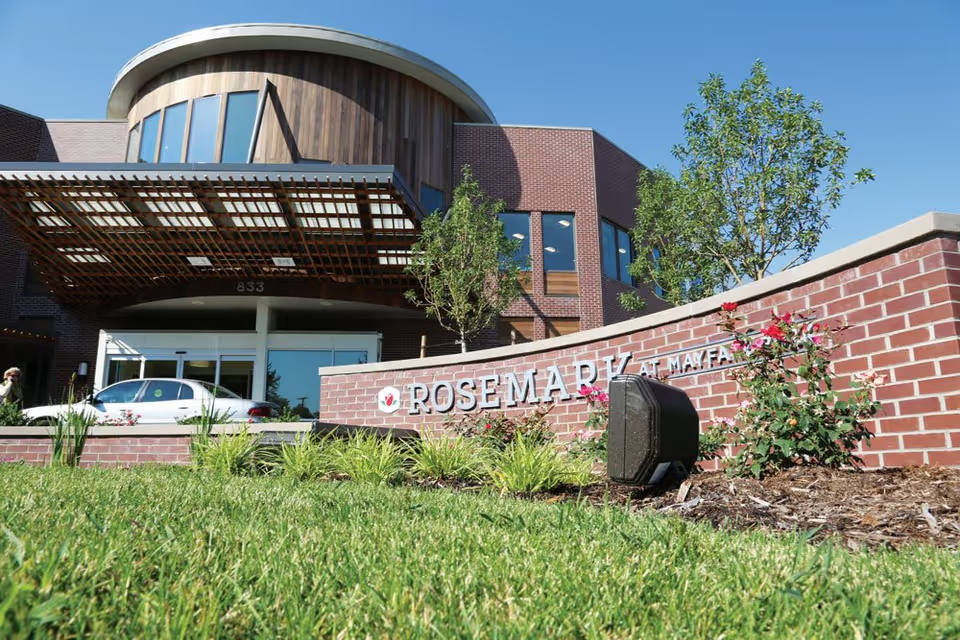
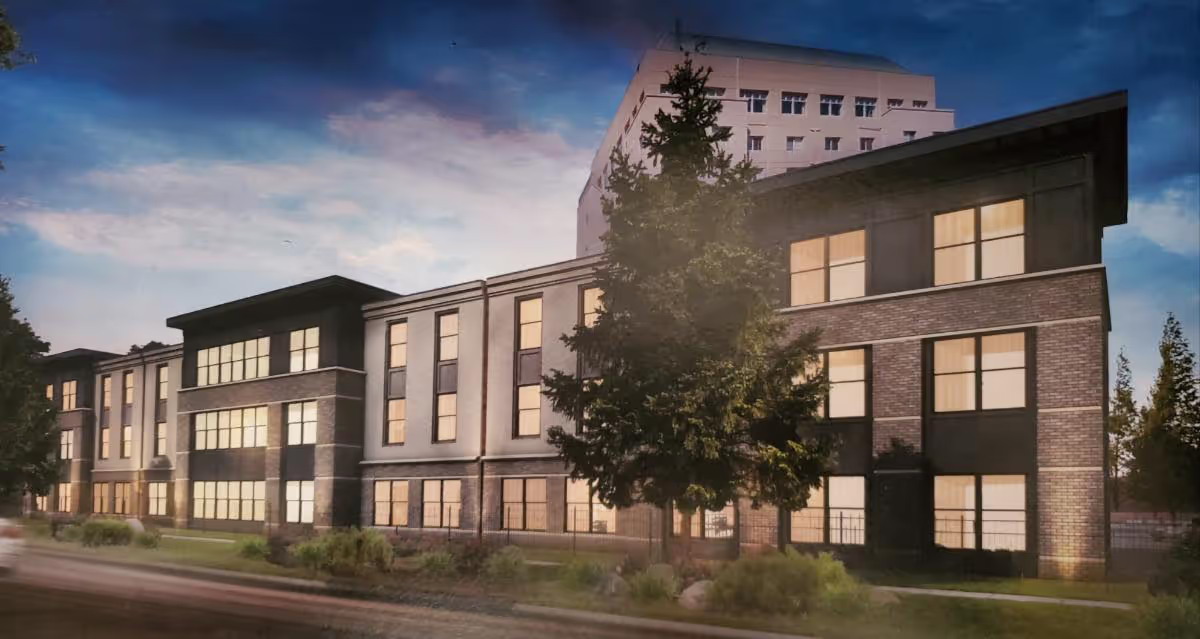
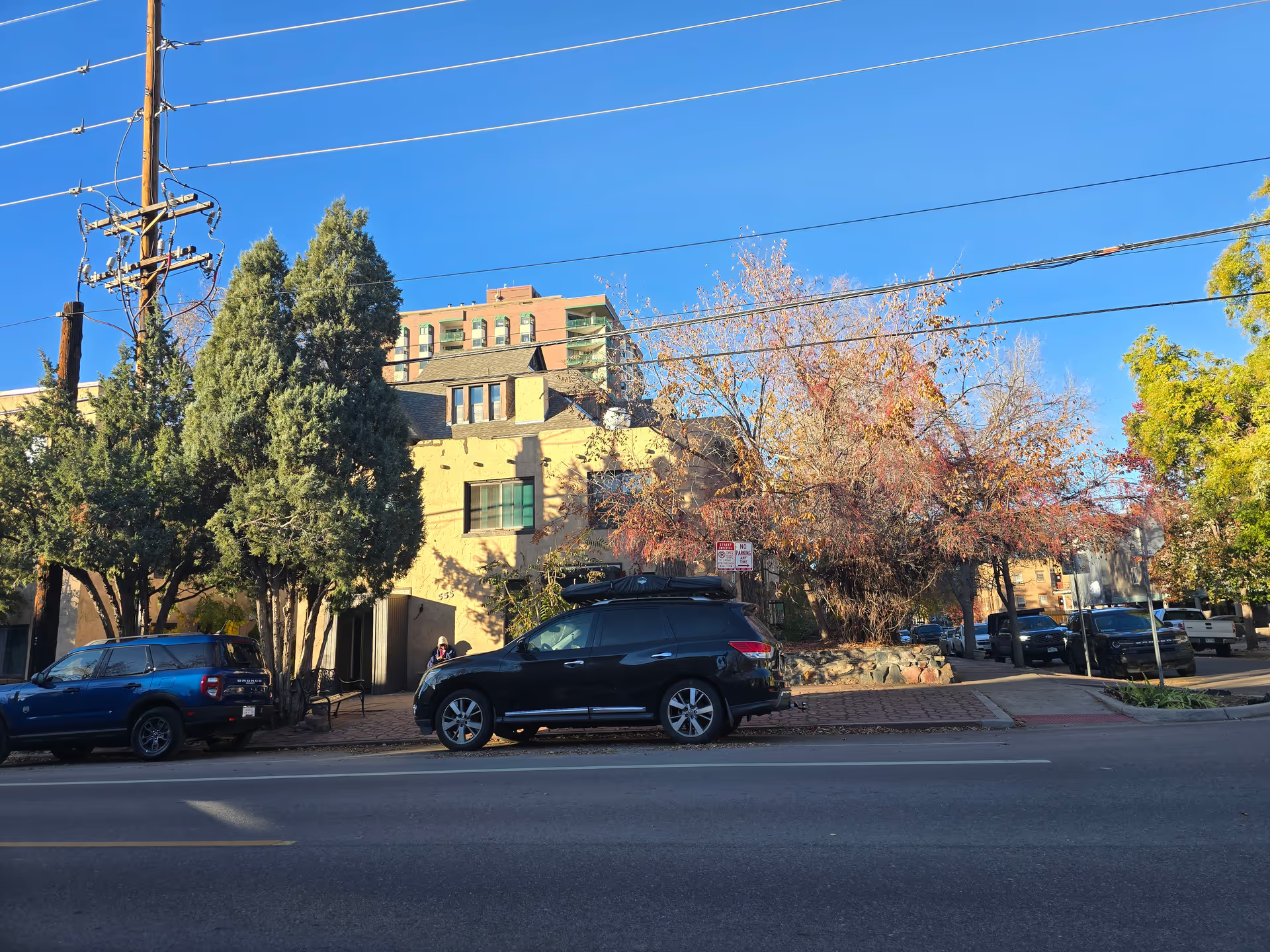
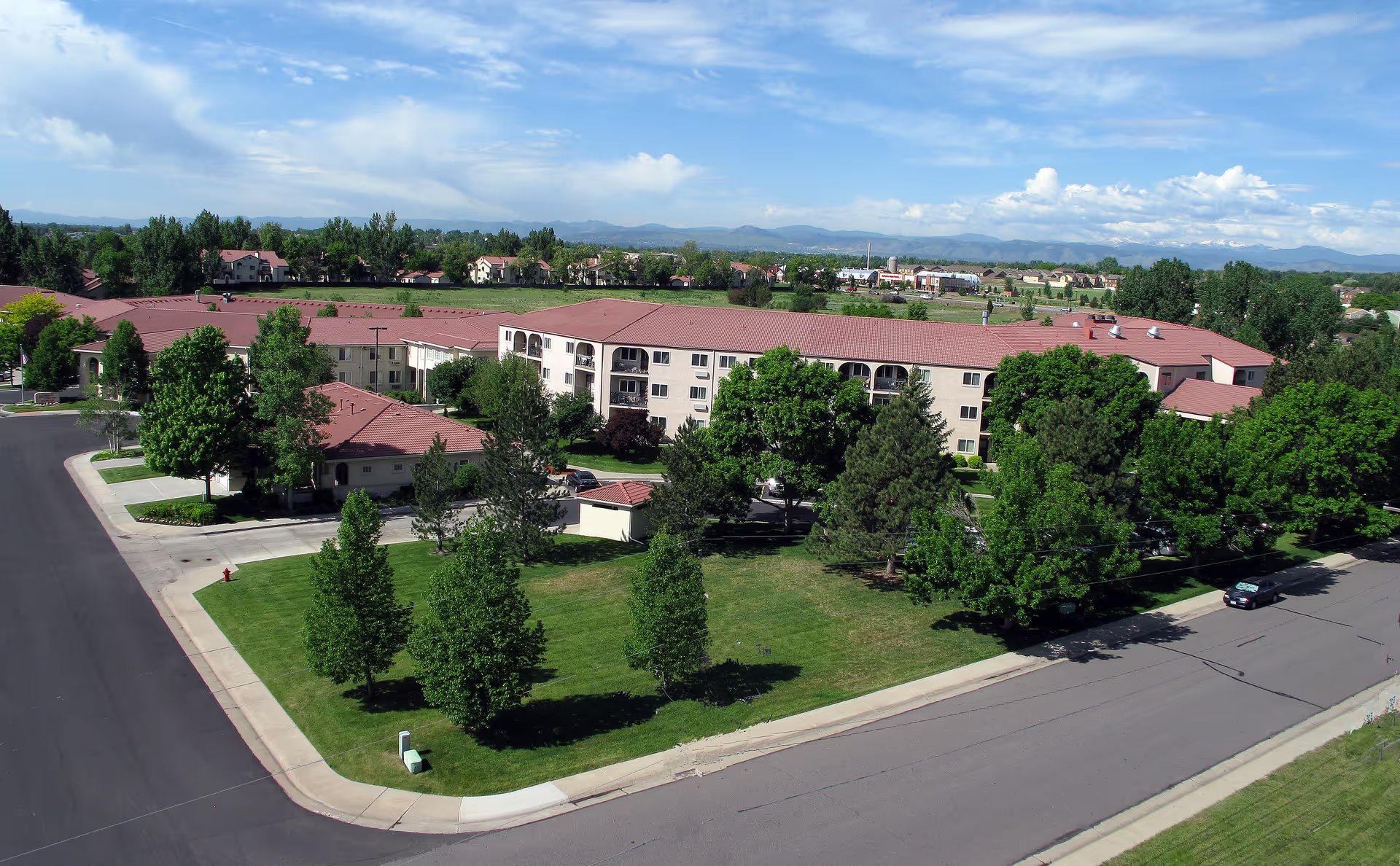
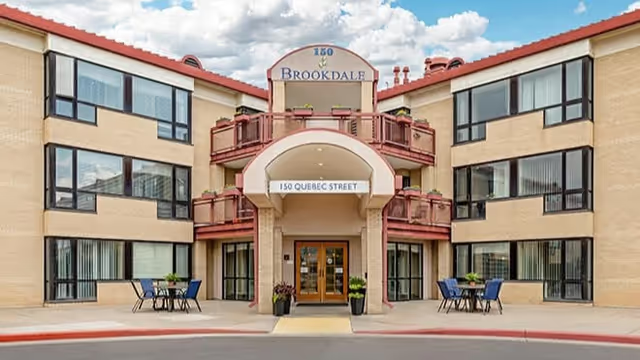
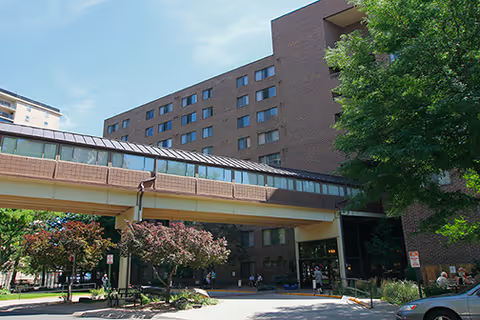
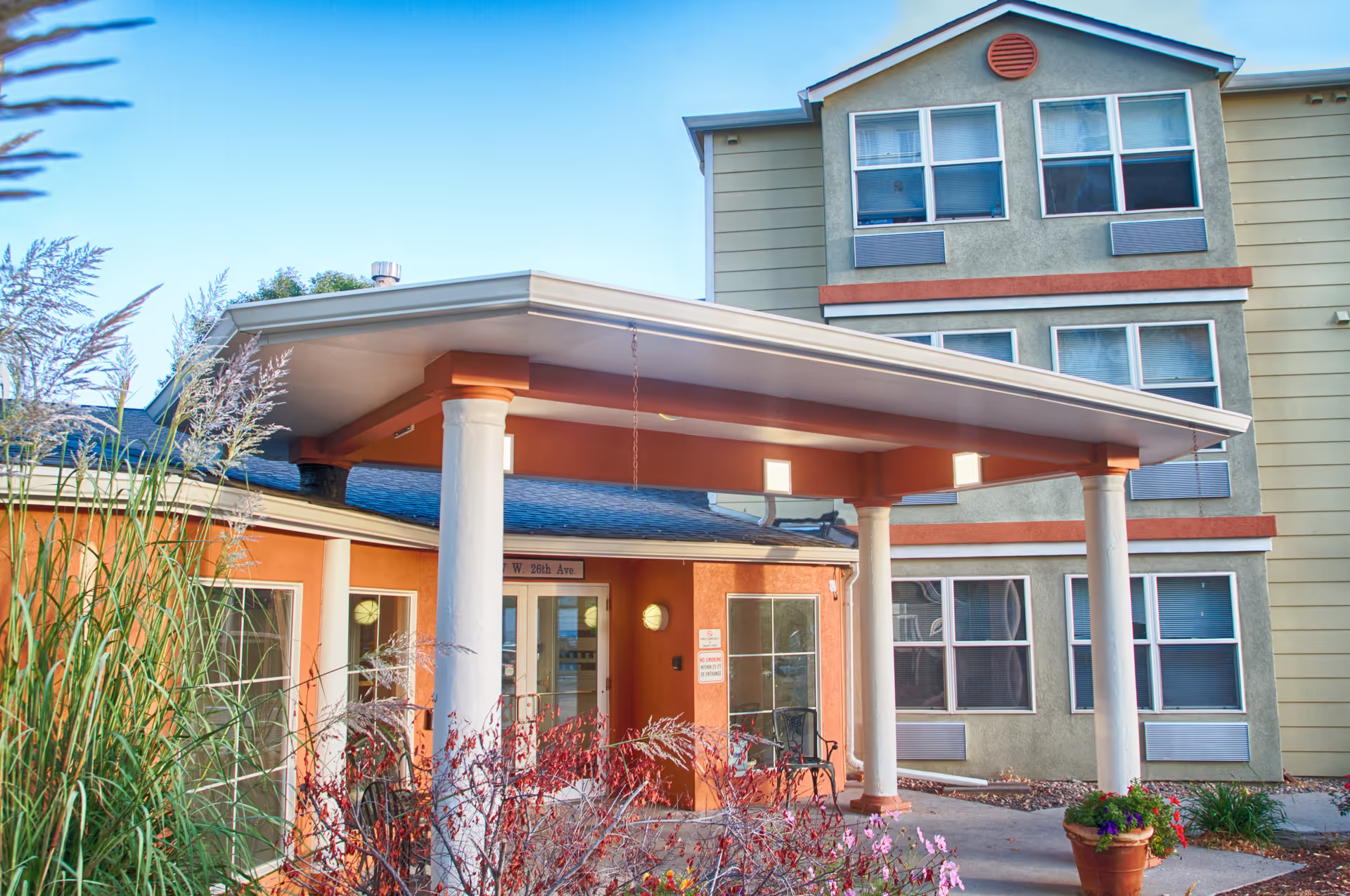
The facility itself appears to be undergoing visible maintenance and capital improvements (roof and sprinkler work, painting, gutter/window work, planned HVAC upgrades), and outdoor spaces were described positively. However, there are repeated sanitation and odor-control concerns in resident rooms and common areas, along with pest-control issues and indications that the building layout and parking capacity may be strained. Construction disruption has been noted, and the physical condition of some parts of the building was described as dated.
Management and communication elicit divergent impressions. Several reviewers praised new or engaged leadership for making improvements and for being responsive to concerns; other reviewers reported that complaints were not satisfactorily resolved and described poor follow-up. There are also isolated, serious allegations regarding review manipulation that prospective families may wish to consider when weighing online feedback.
Taken together, the pattern indicates a facility with clear programmatic strengths—particularly in therapy, certain aspects of nursing care, activities, and community culture—but with operational weaknesses in clinical consistency, sanitation/odor control, staffing stability, and complaint resolution. Prospective residents and families should schedule an on-site tour during active care hours, request current staffing ratios and recent inspection/survey results, ask about medication-administration and wound-care protocols, and inquire about the timeline for planned facility upgrades to form a well-informed assessment.