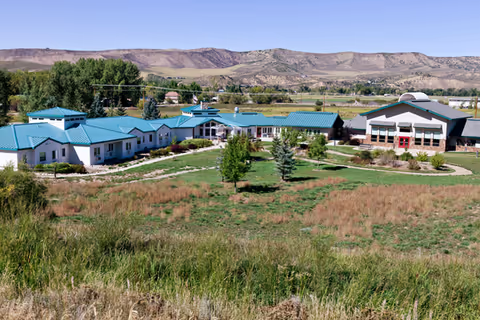
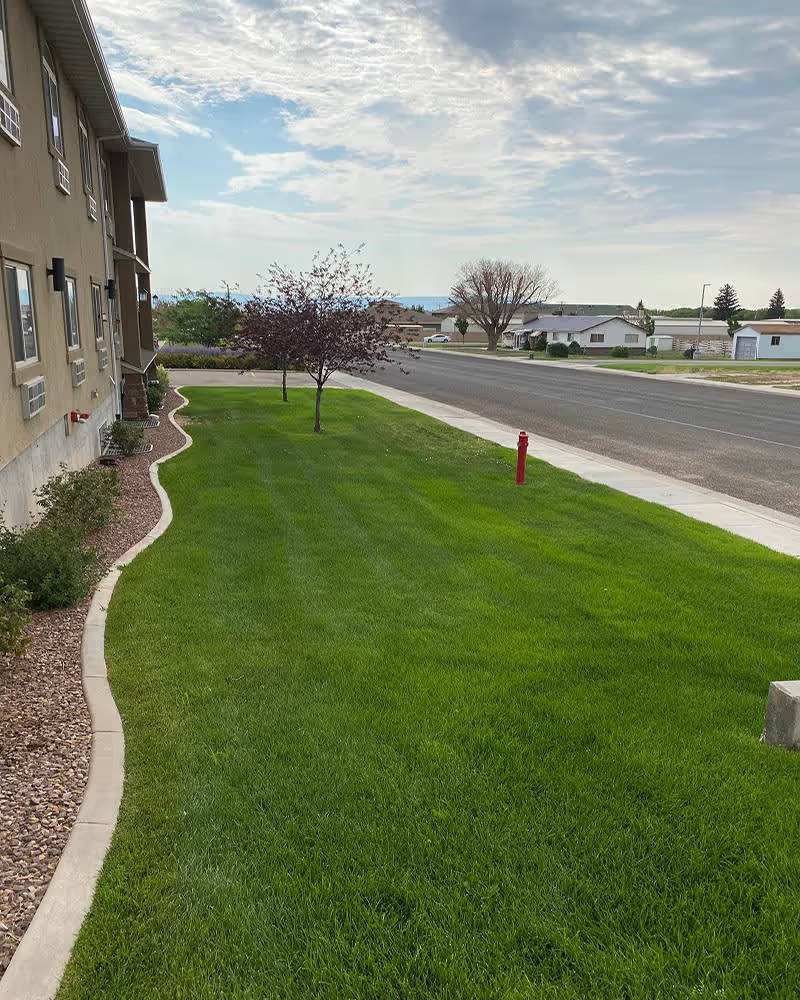
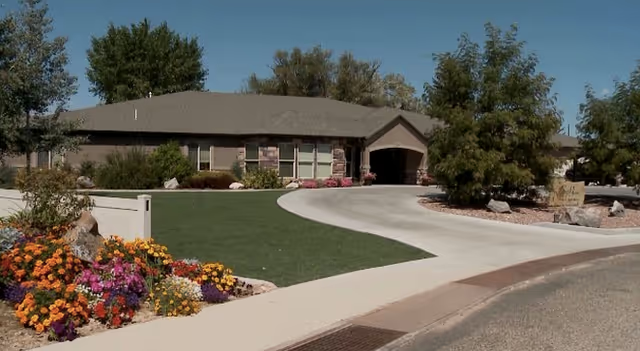
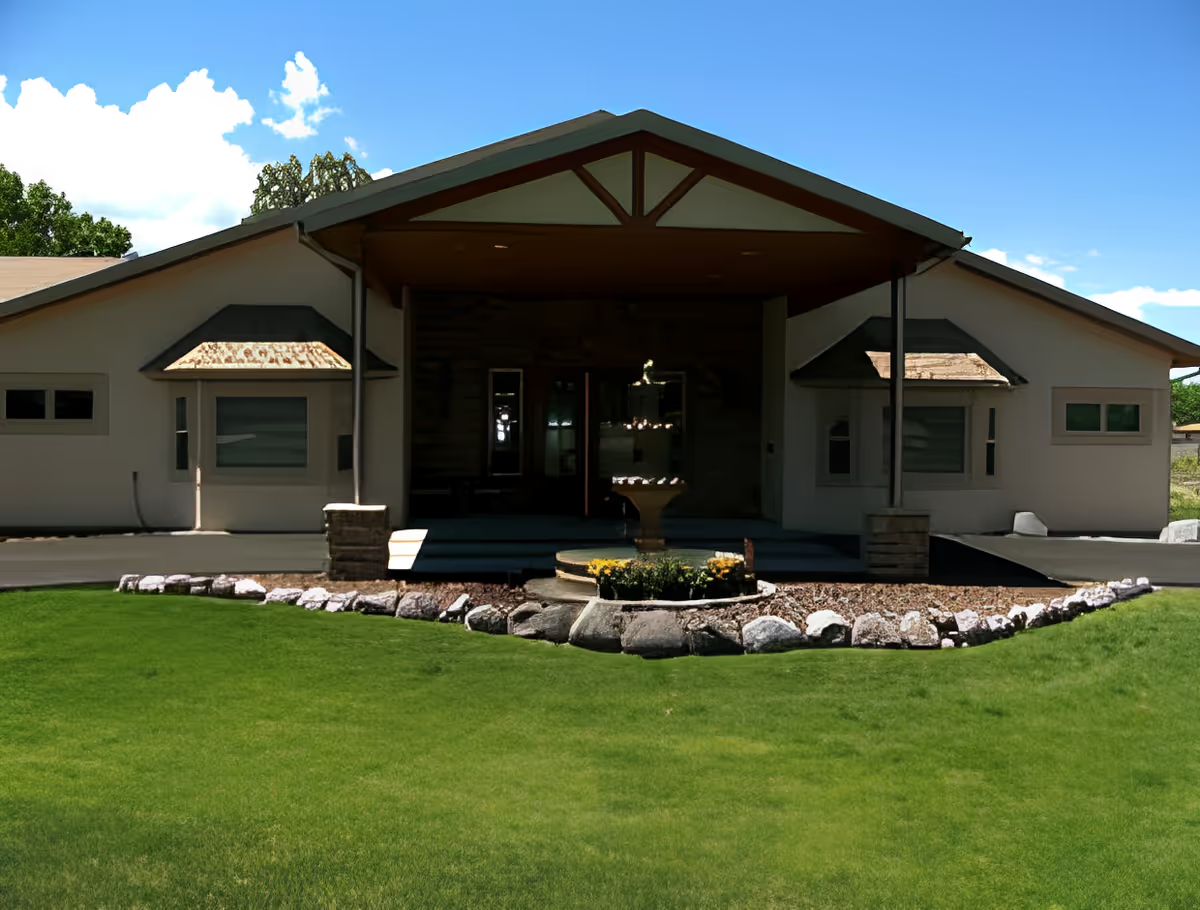
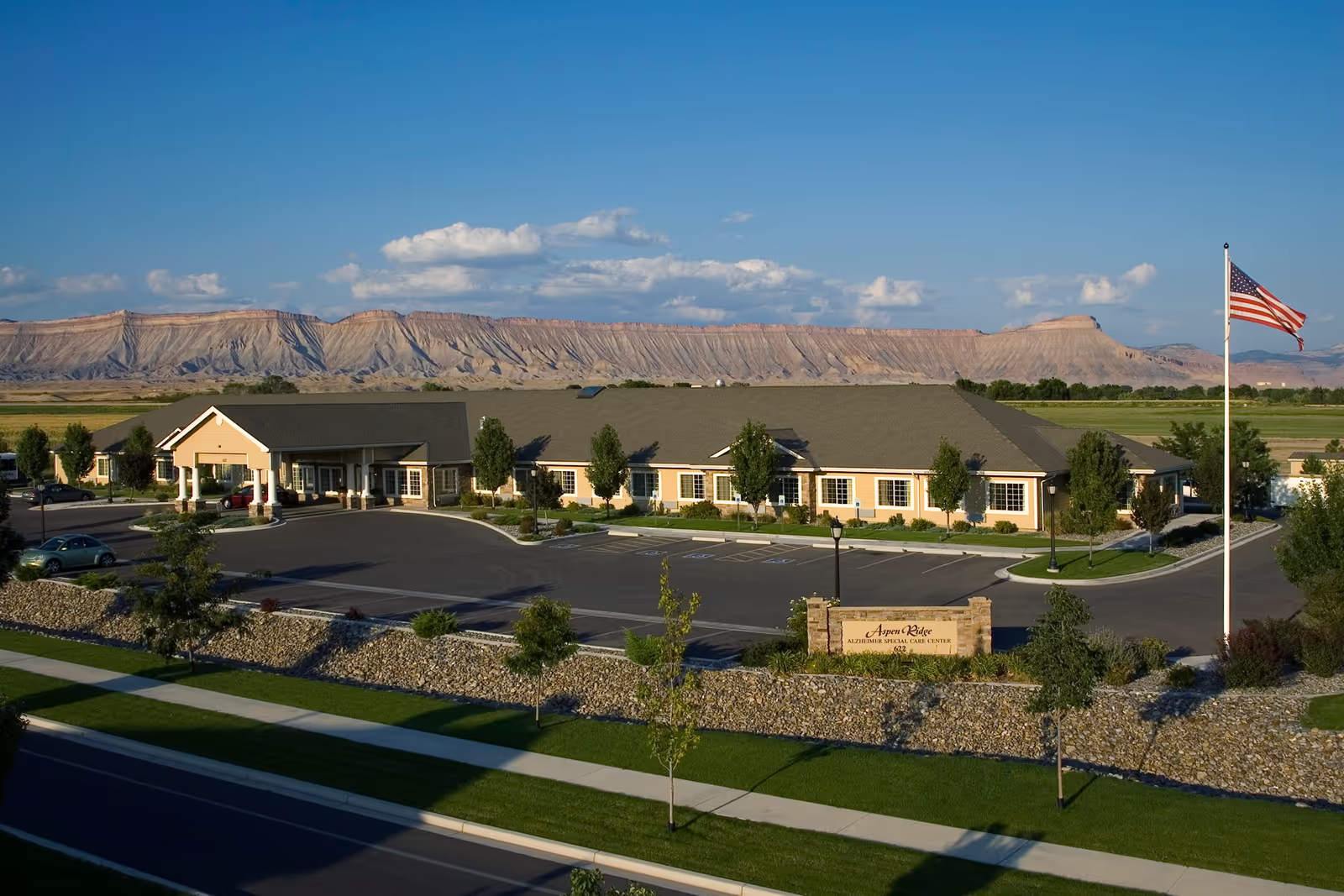
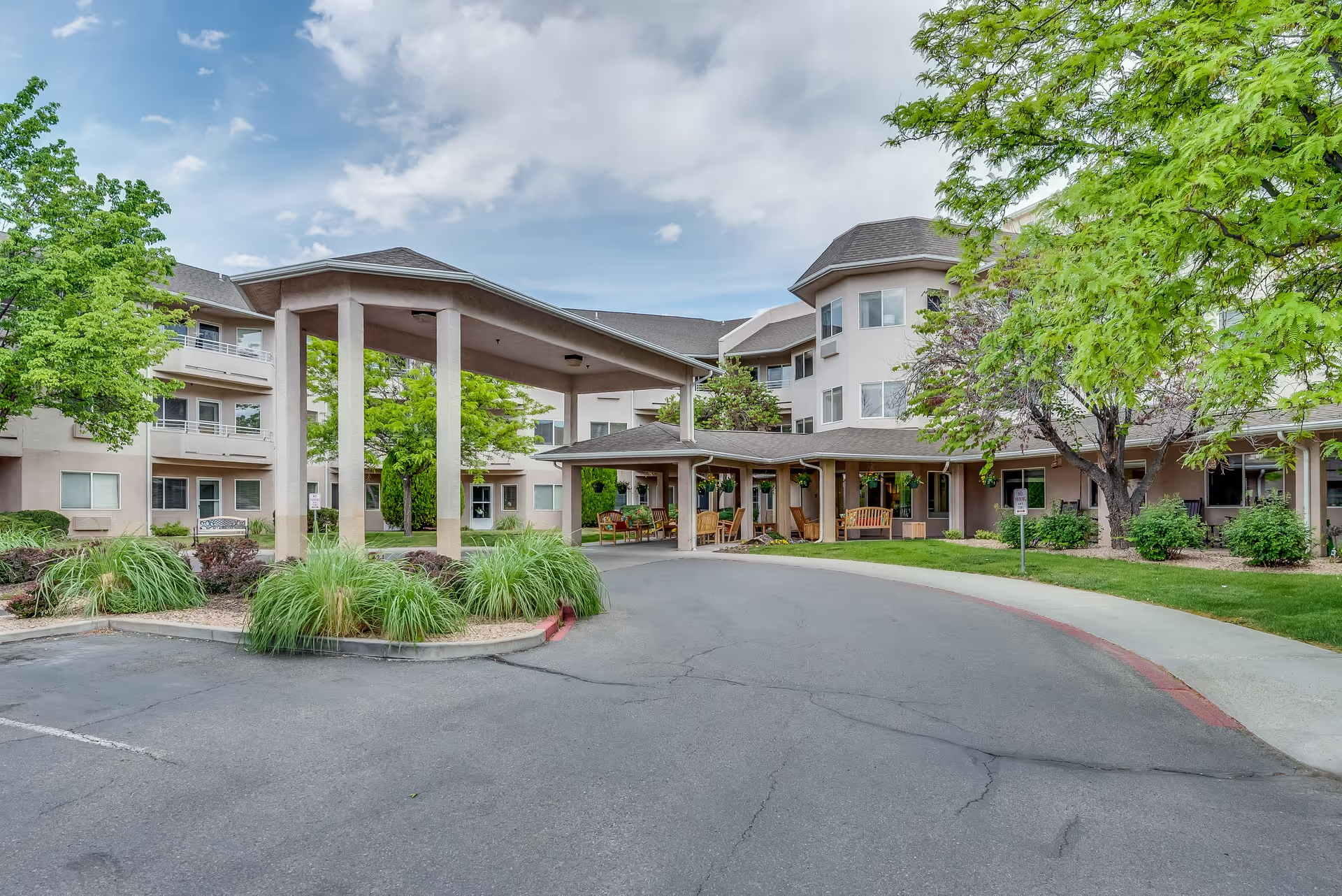
The reviews present a mixed picture of care at Sandrock Ridge Care and Rehab. Many families and visitors describe a warm, family-like atmosphere driven by compassionate, personable caregivers who build close relationships with residents. Positive comments focus on attentive one-to-one interactions and an inviting admissions and visitor experience. Dining is frequently highlighted as a strength, with several mentions of appealing, well-prepared meals. These strengths suggest the facility can provide meaningful social connection and good meal service when staffing and supervision are functioning well.
Care quality observations are polarized. On the positive side, caregivers are described as genuine and welcoming, and some reviewers emphasize strong interpersonal attention and respect. On the other hand, recurring operational concerns point to inconsistent staffing patterns, gaps in overnight clinical coverage, and delays in pain-relief administration. Reviewers also described variability in staff bedside manner and responsiveness, which can affect day-to-day resident comfort and family trust. A specific set of complaints relates to inconsistent handling of personal items such as dentures, glasses, and hearing aids, which indicates weaknesses in personal-care routines and inventory control.
Communication and access control are notable problem areas. Multiple comments indicate poor phone responsiveness and delays in returning family calls, creating frustration and uncertainty for relatives trying to coordinate care. Separate comments raise concerns about facility access controls and visitor security, suggesting improvements are needed in entry protocols and monitoring. Maintenance and logistics issues were also mentioned, including heating and transportation/bus challenges; these point to intermittently unreliable facility systems and resident transport services.
Several reviewers raised serious concerns beyond routine operational issues, including statements about medication management and concerns following a resident's death. Those accounts, while not the predominant theme, are significant in consequence and indicate a need for careful administrative review and possible regulatory attention to ensure resident safety and compliance with clinical standards.
Management and oversight appear uneven. Some reviewers note recent managerial improvements, while others describe ongoing instability and express worry about regulatory compliance. This mixed assessment suggests that leadership changes or interventions may be underway but not yet consistently implemented across shifts and units. Prospective residents and families should prioritize a direct conversation with facility leadership about current staffing ratios, overnight clinical coverage, medication-management protocols, personal-item safeguards, and security/entry procedures. Observing the unit during different times of day, asking for recent survey or inspection results, and obtaining references from current families can help clarify whether the facility's positive attributes are reliable and whether operational concerns have been addressed.