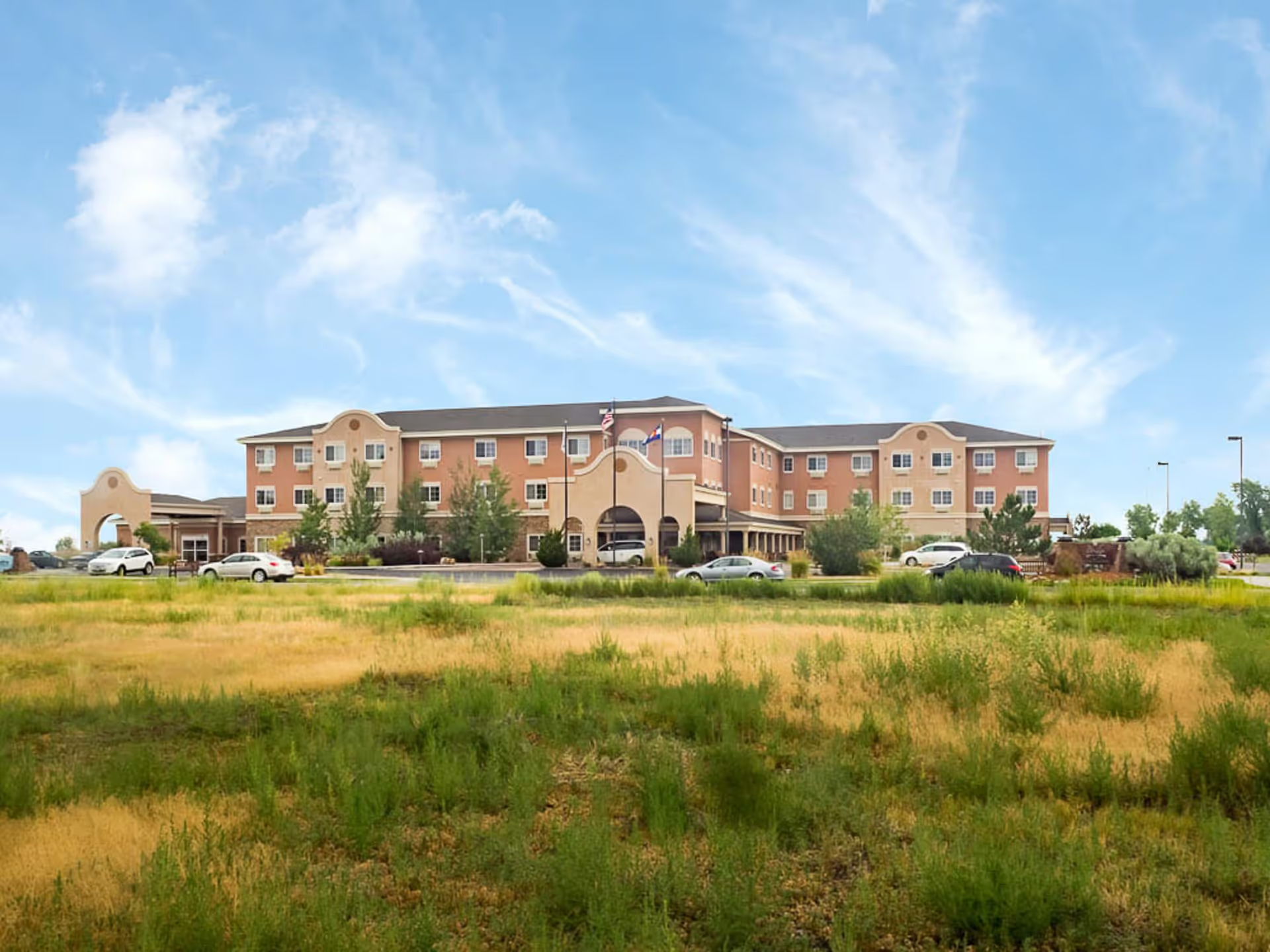
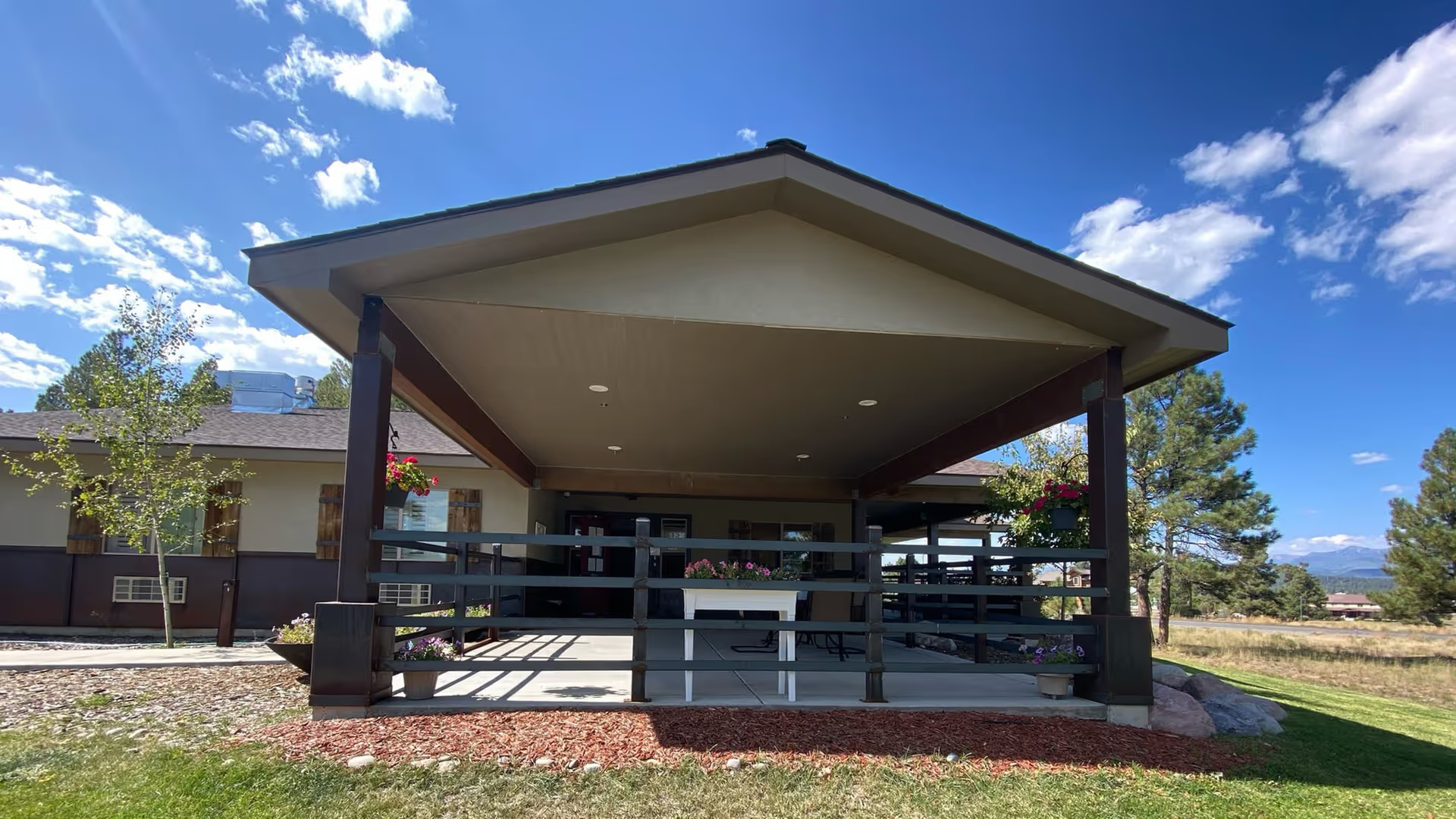
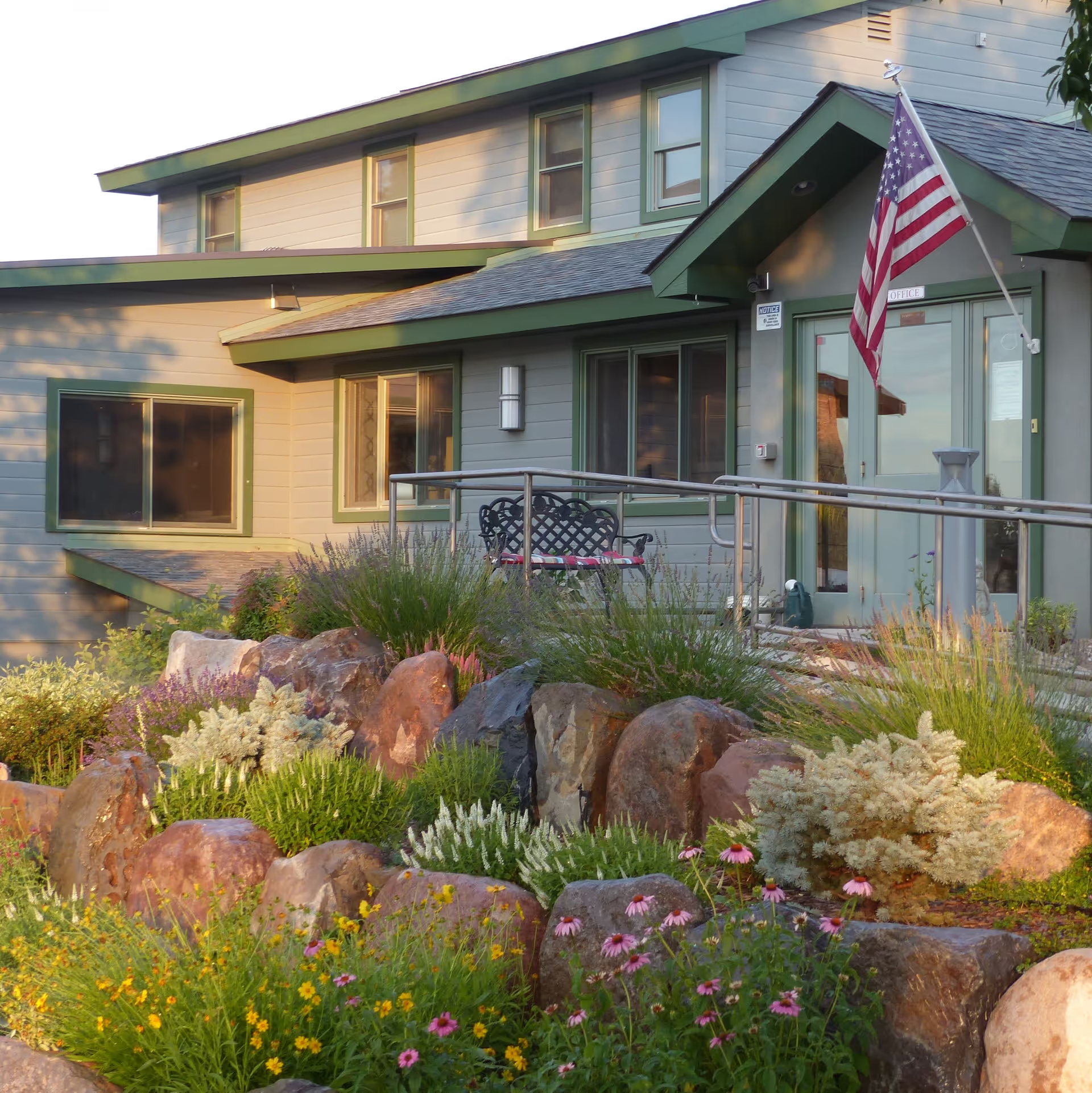
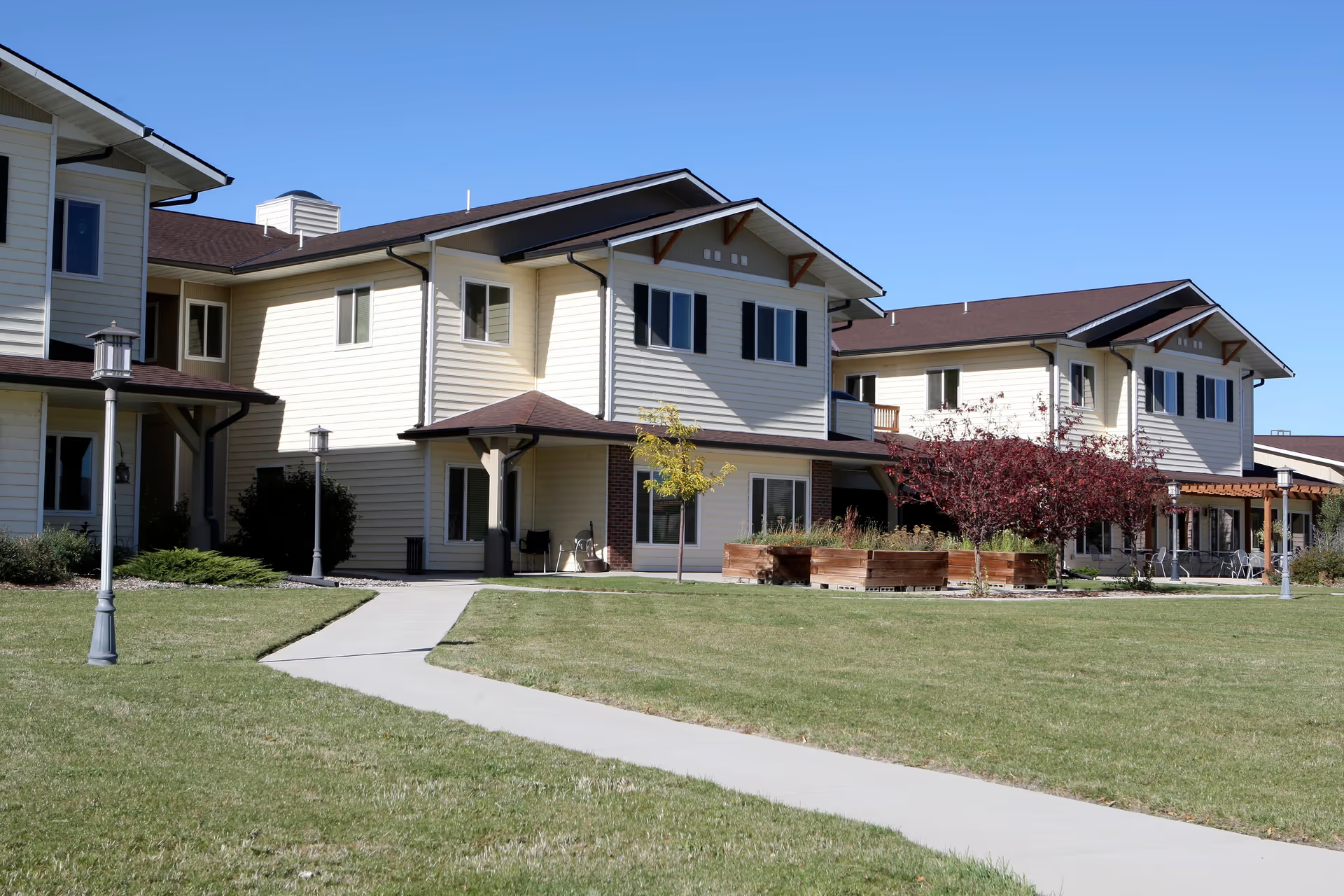
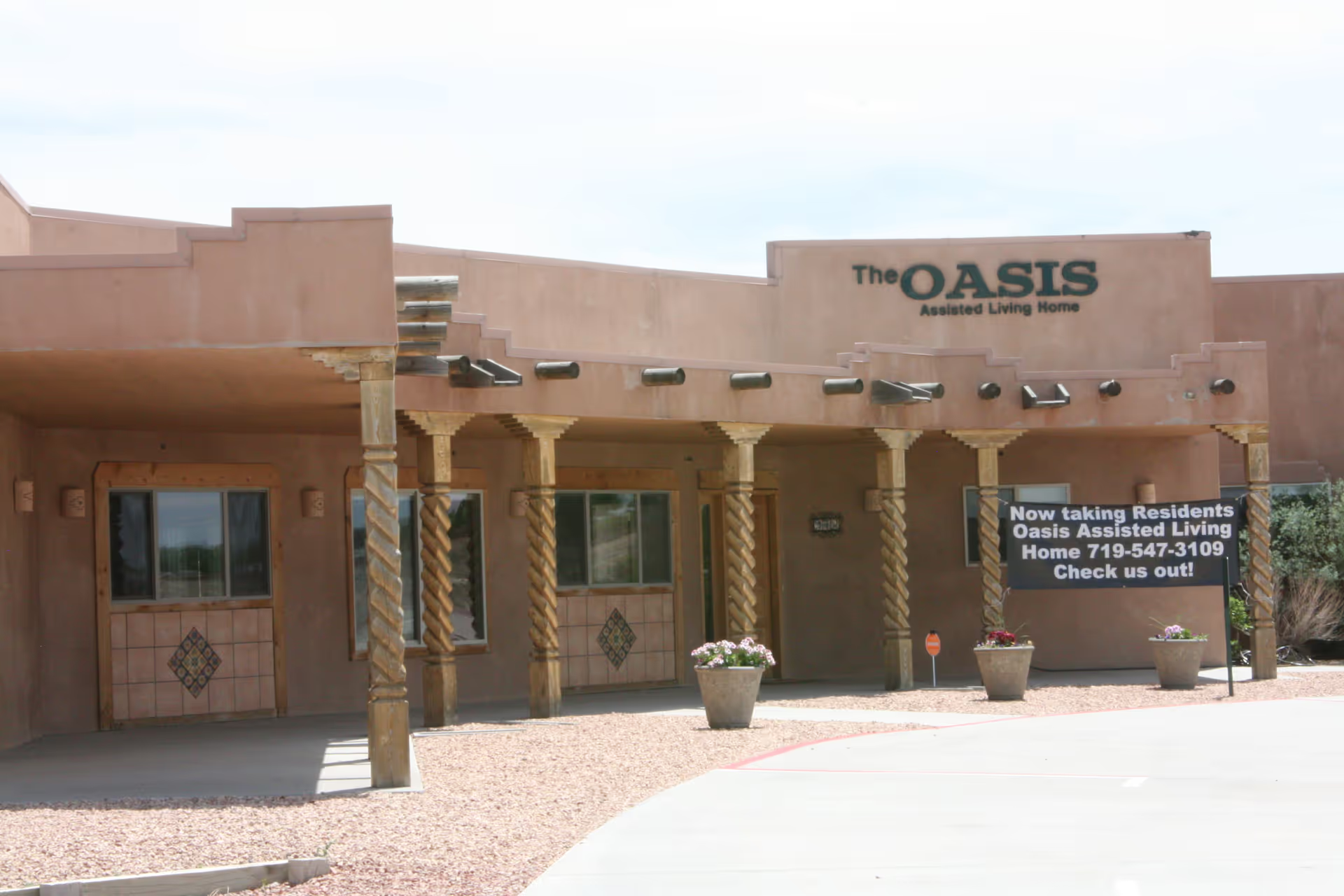
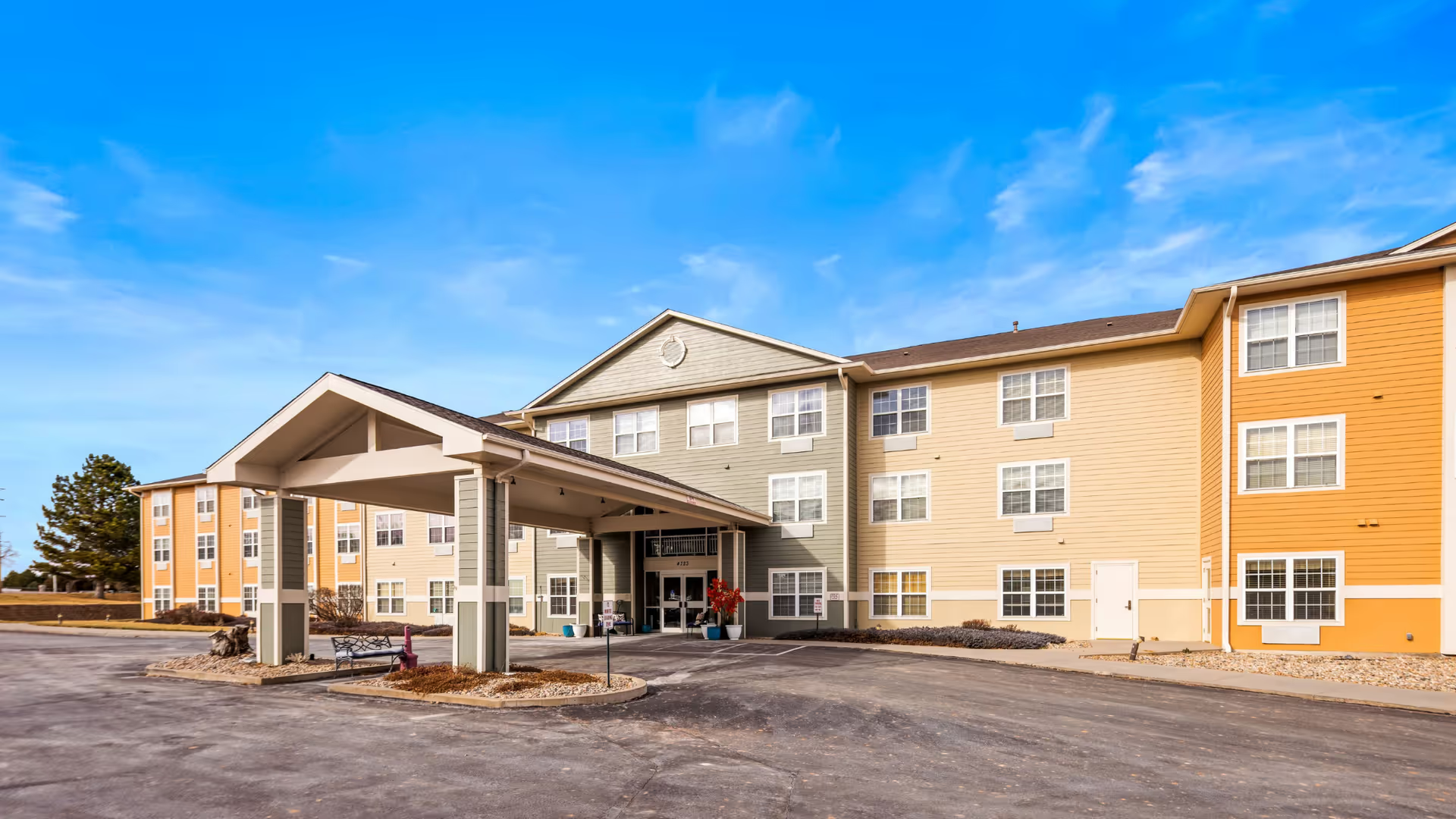
Overall impression across the summaries is largely positive: many visitors and family members describe a clean, well-kept facility with bright, inviting decor and a pleasant outdoor courtyard. Leadership visibility and approachability are recurring strengths, and several accounts named specific leaders whose presence inspired confidence. The facility’s rehabilitation focus and attentive caregiving are highlighted repeatedly, and reviewers often described residents as well dressed, content, and comfortable.
Care quality is generally characterized as compassionate and resident-centered. Caregivers and CNAs are frequently described as kind, helpful, and willing to go beyond routine duties. Reviewers also pointed to professional clinical staff and an environment that supports end-of-life choices and comfort. That said, there are noticeable inconsistencies: some accounts describe delays in basic care responsiveness and concerns about timeliness. Those operational gaps suggest variability in how care is delivered across shifts or individual staff members.
Staff strengths include friendliness, accessibility, and a supportive attitude toward families and visitors. Leadership visibility was specifically noted as reassuring. Conversely, some family accounts described unhelpful or discourteous interactions with particular employees, and phone- or face-to-face communication tone was occasionally a point of friction. These descriptions point to variability in staff professionalism and the need for consistent communication standards.
Dining and communal life are described positively. Several reviewers praised meal quality and portioning, and guest dining experiences were mentioned as pleasant. The facility’s atmosphere—calm, peaceful, and cheerfully decorated—supports social visits and appears to contribute to a generally relaxed environment for residents.
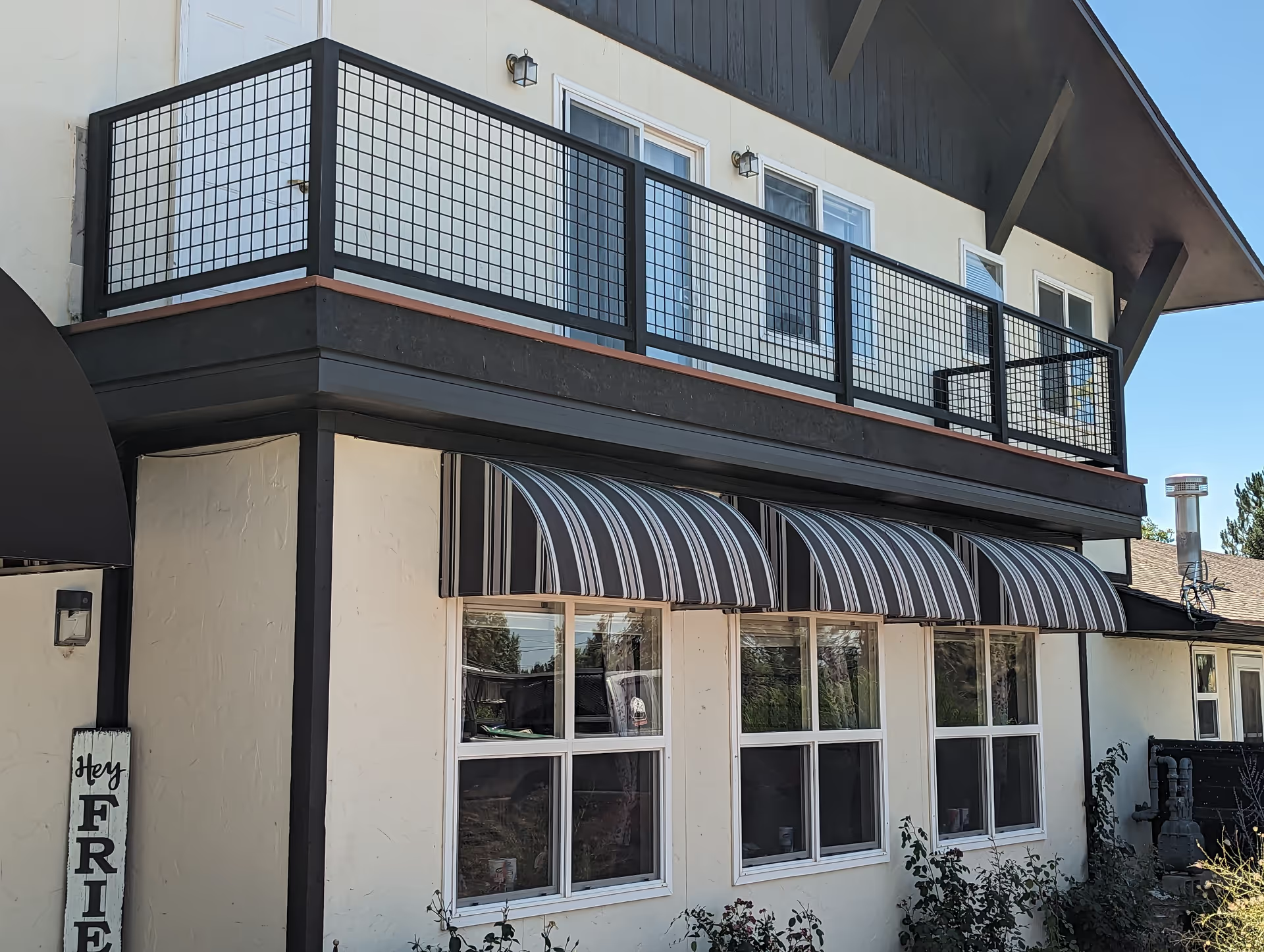
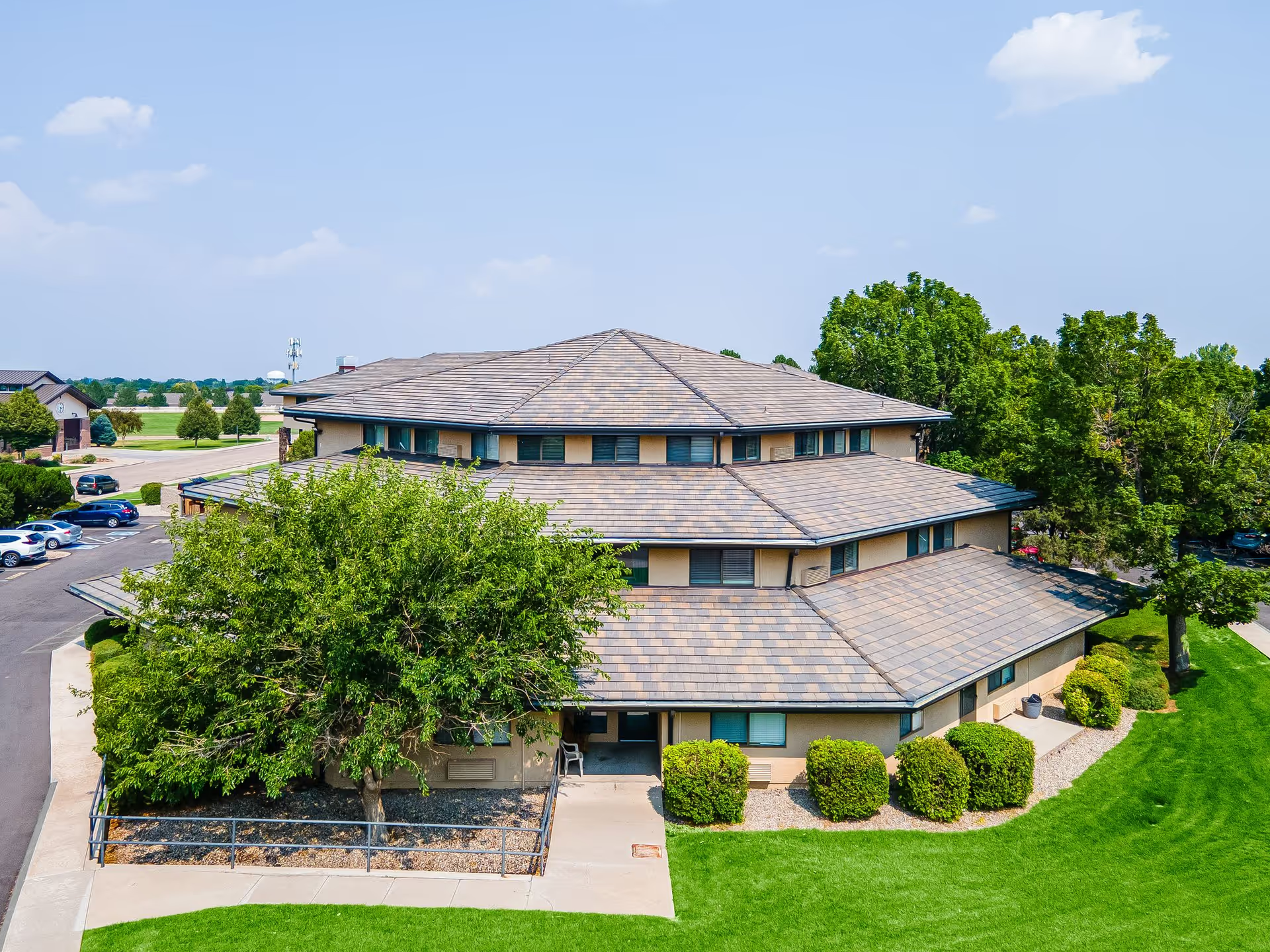
Facilities and housekeeping receive consistent praise: reviewers described the building and grounds as clean, fresh-smelling, and attractively decorated, with attention to resident appearance and laundry. The courtyard and floral landscaping were highlighted as meaningful quality-of-life features. Overall, physical environment indicators are strong and support rehabilitation and daily living needs.
Management and operational patterns show mixed signals. While leadership presence is a positive, there are also notes of management-related issues that manifest as inconsistent care continuity, delayed responses to basic needs, and occasional safety- or timeliness-related concerns. Family communication was not uniformly reliable across accounts; prospective families may want to ask specific questions about response-time protocols, shift staffing ratios, and how concerns are escalated and resolved.
Notable pattern: the dominant tone is favorable, emphasizing cleanliness, compassionate care, and a welcoming environment. However, a minority of accounts describe meaningful service inconsistencies—primarily around responsiveness, staff conduct, and communication—that could materially affect individual experience. Recommendation for prospective residents and families: schedule an in-person visit during multiple times of day, meet leadership and frontline staff, sample a meal, and ask targeted questions about staffing, response times, and policies for palliative or end-of-life care to confirm consistency with your expectations.