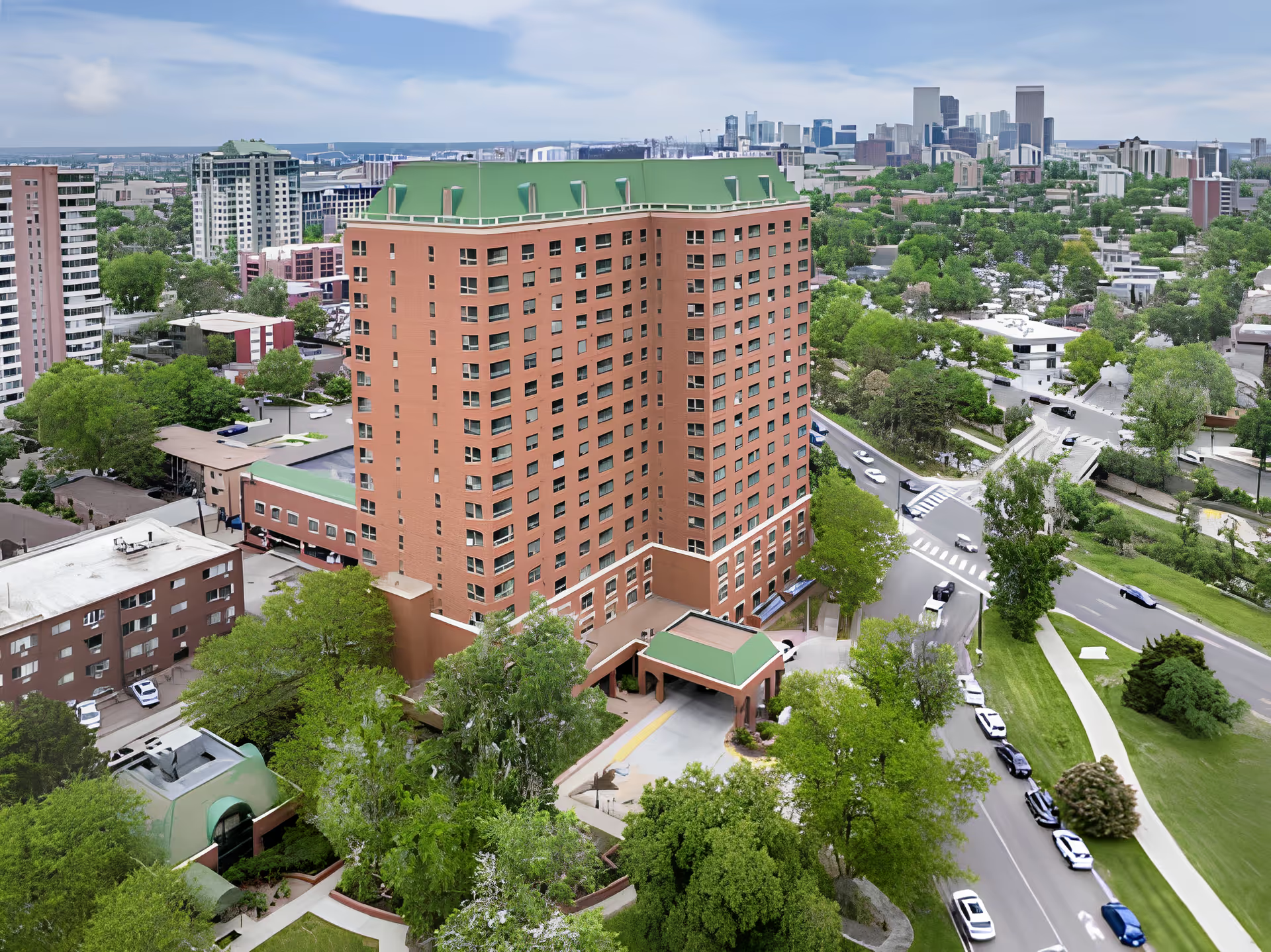
Balfour at Riverfront Park is consistently praised for its physical environment and location. Reviewers highlight elegant, hotel‑like common areas, tasteful decor, and a central downtown setting with immediate access to a park and cultural outings. The community offers numerous on‑site amenities — including a saltwater pool, fitness spaces, valet parking, and well‑maintained public rooms — and is described as dog‑friendly with concierge support for pets. Many accounts emphasize a lively resident community and active life‑enrichment programming (music, lectures, exercise classes, outings to sporting events and theater), as well as on‑site rehabilitation services and frequent social opportunities that support engagement and socialization.
Care and frontline staffing receive largely positive remarks: reviewers often describe welcoming, attentive staff who remember residents’ names, compassionate caregiving, and competent nursing and hospice coordination. Several families noted timely end‑of‑life support and strong hands‑on assistance from specific caregivers. At the same time, a recurrent operational pattern is instability in staffing — high turnover and uneven morale among employees — which reviewers link to variability in service delivery and occasional lapses in clinical responsiveness. There are mentions of delays in attending to medical needs and gaps in emergency readiness; these items are framed as concerns about consistency and readiness rather than universal deficits.
Dining and food service produce mixed impressions. Some reviews describe standout culinary offerings (a strong chef, a flagship restaurant and popular Sunday brunch), while others report inconsistent food quality, slow or diminished dining‑room service, and meal‑service disruptions attributed to staffing shortages or cost‑cutting. Complaints about meal‑plan price increases and packaging of to‑go meals were noted alongside praise for particular dining venues. Overall, dining appears to be a differentiator that can vary markedly depending on staffing and management priorities.
Management and administrative practices are a frequent source of concern. Reviewers describe leadership turnover, uneven communication from administration, and what many characterize as chaotic internal communications during events (e.g., outages). Billing and fee structures are described as complex or opaque, with some families expressing frustration about increases and dispute resolution. Several reviewers perceived ownership and management decisions as budget‑driven, and linked cost‑cutting to reduced program hours, curtailed services (transportation, valet, activity offerings), and visible impacts on staff morale.
Facility maintenance is another mixed area: while public spaces and apartments are often noted as clean and well‑appointed, there are recurrent reports of building infrastructure problems, including plumbing and hot‑water reliability issues, that have caused significant disruptions for some residents. Apartment finish quality also appears variable across units. Prospective residents should weigh the strengths in aesthetics, location, social programming, and pockets of excellent clinical care against patterns of operational instability: high staff turnover, uneven communication, inconsistent dining and service continuity, and episodic building‑systems issues.
For families considering this community, suggested areas to probe during a tour include current staffing ratios and turnover trends, recent dining staffing and menu stability, approaches to clinical incident response and emergency preparedness, examples of recent capital or maintenance work (especially plumbing), and transparent explanations of billing and fee‑increase practices. These targeted questions can help reconcile the facility’s many attractive features with the operational patterns identified in reviews.