Juniper Village - The Spearly Center presents a mixed profile: many families praise the facility for its compassionate staff, active community life, and available therapy services, while others report significant operational concerns. Positive feedback centers on individual caregivers, social workers, and leadership who provide supportive, person-centered care; a range of events and activities; and an approachable communal atmosphere. The dining program and on-site rehabilitation are frequently cited as strengths, and the facility is noted for serving underserved populations and accepting Medicaid.
Care quality shows broad variation. Several accounts describe attentive, goal-driven therapy and individualized engagement, while other accounts raise concerns about medication-management processes and family notification when treatment changes occur. There are reports of inconsistent adherence to clinician orders and occasional failures to provide requested supplies. Families who felt well-supported pointed to proactive social-work involvement and hands-on leadership; families with negative experiences cited poor communication around clinical decisions and transfers.
Staffing and professionalism are a key source of divergence. Many reviewers describe caregivers as loving, patient, and committed; others describe gaps in responsiveness, distractions on shift, and behaviors that undermine trust. High turnover and a rotating point of contact contribute to inconsistent experiences. Management staff and some administrators receive praise for responsiveness and personal involvement, but organizational disorganization, delayed follow-up on calls or emails, and workplace-culture tensions (including language-policy concerns) are recurring operational themes.
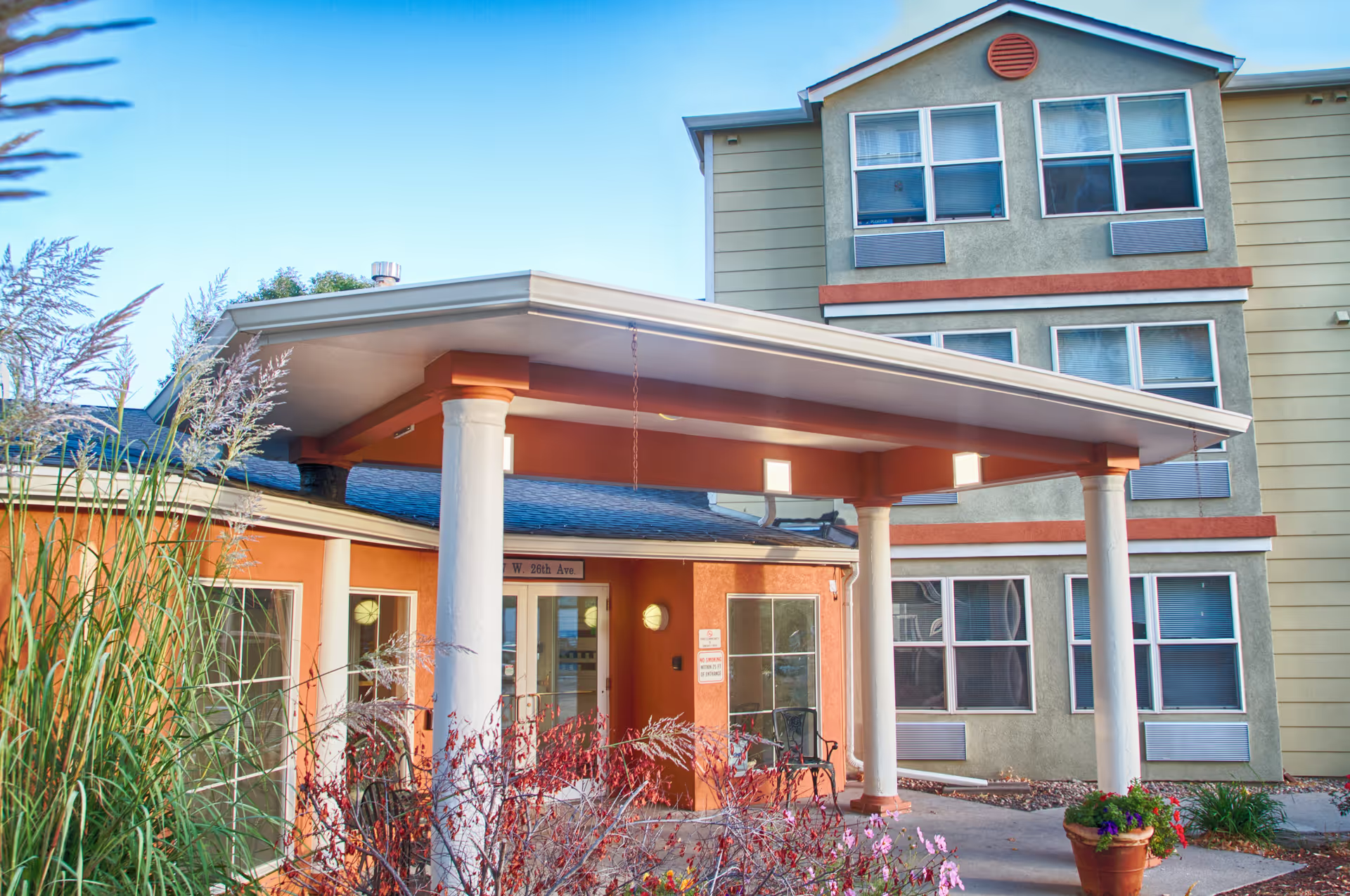
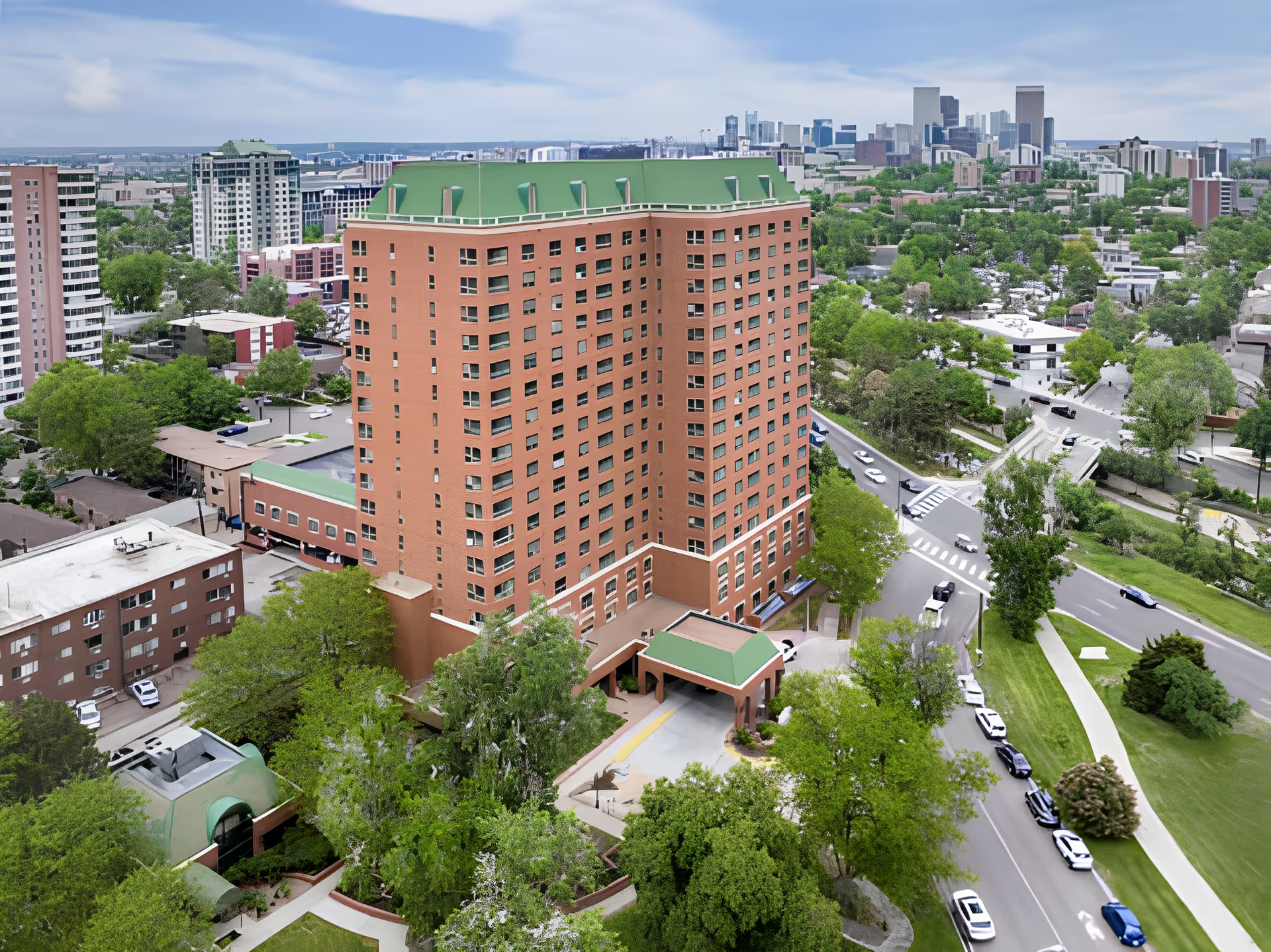
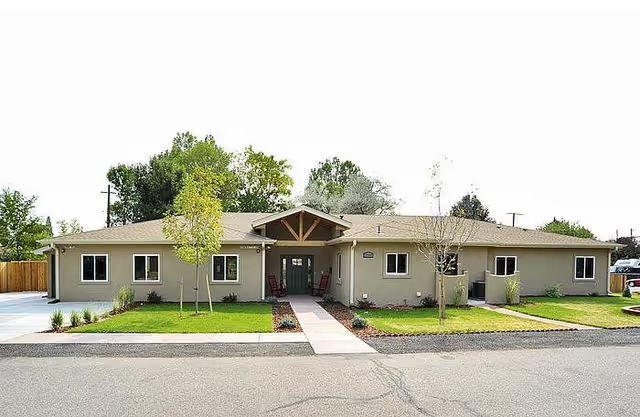
Facility and safety observations are mixed. The building is often described as older and compact but, in positive reports, clean and well-kept with pleasant communal spaces such as an outdoor deck. Conversely, several reviews identify sanitation and odor concerns, pest-control issues, and inconsistent housekeeping or bathing schedules in some areas. More serious safety concerns include gaps in security and elopement-prevention measures (for example, delays in key-fob access and unsecured entry points) and at least one report of a resident eloping with a fatal outcome; these accounts point to a need for robust environmental and procedural safeguards.
Dining and activities are generally a strength: reviewers note enjoyable meals, special events, holiday programming, and active resident engagement. Some families, however, report variability in meal seasoning and occasional problems with food deliveries or kitchen staffing. Activities staff and volunteer programs are repeatedly praised for fostering social connection and purpose.
Management and regulatory patterns suggest a facility that can perform well under attentive leadership but struggles with systemic consistency. Positive narratives highlight responsive directors, social workers, and staff who address family concerns effectively. Negative narratives point to lapses in communication, recordkeeping, property-tracking at discharge, and reactive cleaning practices that appear tied to inspections. There are also noted regulatory observations of certain clinical practices that warrant follow-up.
In summary, prospective families should expect a facility with strong interpersonal caregiving in many cases and meaningful programming, but also prepare for variability in operational reliability. Key due-diligence steps would include direct questions about medication-management protocols and family notification, security and elopement-prevention measures, staffing patterns and turnover, housekeeping and pest-control schedules, and property-handling procedures at discharge. Visiting the unit during different times of day, meeting the interdisciplinary team, and confirming written policies on communication and clinical oversight can help assess whether the facility’s operational consistency aligns with a particular resident’s needs.